Published: Saturday, July 25, 2026 · 7:28 AM | Updated: Saturday, July 25, 2026 · 7:28 AM
📊 185 views




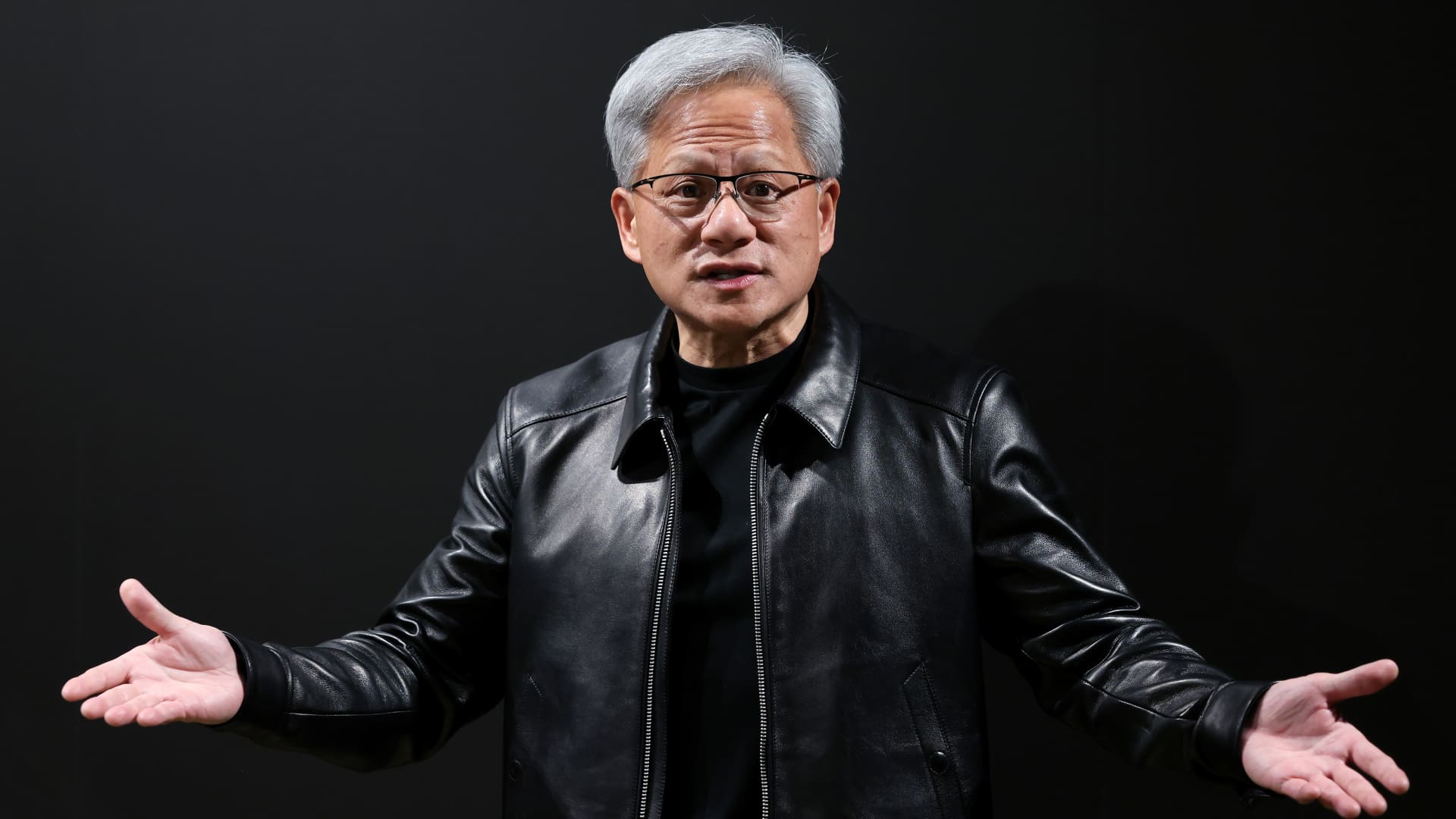
The intense race for artificial intelligence dominance has spurred Nvidia to secure critical AI memory supply, striking a monumental $500 billion multi-year agreement with South Korean giant SK Hynix. This strategic alliance aims to fortify Nvidia’s position in the high-performance computing market while addressing a persistent global shortage of high-bandwidth memory (HBM).
🚀 Tech Strategy & Market Disruptions
- HBM Supply Chain Fortification. Nvidia’s $500 billion deal with SK Hynix guarantees a stable source of high-bandwidth memory, crucial for its next-generation AI GPUs and systems, mitigating supply chain vulnerabilities in a high-demand market.
- Massive AI Infrastructure Buildout. The agreement includes plans for gigawatt-scale data centers coming online by 2027, signalling a significant expansion of AI computing capacity beyond traditional hyperscalers, involving foreign governments and conglomerates.
- Co-Development and Ecosystem Expansion. A co-development opportunity for next-gen HBM with SK Hynix, coupled with a $1 billion investment in Naver for cloud data centers, extends Nvidia’s influence across the AI hardware and software ecosystem.
The agreement, announced in San Francisco, cements a critical partnership amidst unprecedented demand for AI computing infrastructure. Nvidia, a dominant force in AI hardware, has proactively moved to safeguard its future AI memory supply, recognizing high-bandwidth memory (HBM) as the bottleneck in scaling AI capabilities. SK Hynix is a recognized leader in HBM production, making this alliance essential for Nvidia’s continued market leadership.
This isn’t merely a transactional deal; it encompasses a broader strategic collaboration including the construction of large-scale data centers, projected to draw 2 gigawatts of power, housing hundreds of thousands of advanced graphics processing units (GPUs). These facilities are slated to become operational in 2027, signifying a substantial commitment to expanding global AI compute capacity. Raj Mirpuri, Nvidia’s enterprise vice president, highlighted the co-development opportunity for next-generation SK Hynix AI memory, which will ensure a stable supply for future innovations. This move underscores a crucial shift in how companies are navigating the technology market trends of AI acceleration, moving beyond simple procurement to deep strategic partnerships.
Key aspects of the Nvidia-SK Hynix collaboration include:
- Investment Scale: A potential $500 billion over several years, marking one of the largest strategic deals in semiconductor history.
- Infrastructure Target: Aiming for 2 gigawatts of power capacity for new data centers, indicating a buildout involving hundreds of thousands of GPUs.
- Timeline: Large-scale data centers expected to come online in 2027.
- Ecosystem Investment: An additional $1 billion investment in Naver, a Korean cloud company, for GPU-powered data centers.
While hyperscalers like Google and Amazon have historically driven massive data center investments, this $500 billion pact, facilitated with South Korean officials including President Lee Jae Myung, indicates a new phase where foreign governments and large industrial conglomerates are directly investing in and building out AI infrastructure. This distributed approach could decentralize AI development and access, broadening the competitive landscape. Furthermore, Nvidia’s $1 billion investment in Naver, a Korean cloud company, aims to provide accessible AI computing capacity to potential customers globally, ahead of the data centers’ full operational capacity.
The intensified demand for advanced semiconductors and related memory solutions has led to an emerging technologies arms race, where securing essential components like HBM is paramount. This dynamic has seen SK Hynix, South Korea’s second most valuable company, list on the Nasdaq to finance these infrastructure developments, as reported by CNBC.
Nvidia’s proactive securing of its AI memory supply directly addresses the HBM shortage, a critical bottleneck for advanced AI development. This stability enables faster GPU production and system integration, leading to an accelerated deployment of AI infrastructure globally. The expanded infrastructure, coupled with co-development efforts, facilitates the rapid advancement of AI models and applications, disrupting traditional cloud service models by offering dedicated, high-performance AI compute at scale.
“Securing stable high-bandwidth memory (HBM) supply is not just about components; it’s about guaranteeing the very velocity of AI innovation. Nvidia’s investment ensures their capability to push the boundaries of AI, establishing a long-term architectural advantage and enabling previously unfeasible scale in AI model training and deployment.”
Nvidia’s AI Ecosystem Expansion Potential
Nvidia’s strategy extends far beyond merely selling chips; it’s about building a comprehensive AI ecosystem. This partnership with SK Hynix not only secures hardware but also influences the foundational elements of future AI systems. By co-developing next-generation HBM, Nvidia is embedding its requirements and architectural preferences directly into the memory design process, ensuring optimal performance for its Vera Rubin systems. This vertical integration of design and supply chain, alongside investments in cloud providers like Naver, positions Nvidia as an indispensable partner for any entity looking to scale AI, driving significant innovation-driven growth across the industry.
SK Hynix’s HBM Market Adoption Challenges
Despite its leadership in HBM production, SK Hynix faces inherent market adoption challenges primarily centered on scaling manufacturing and maintaining technological superiority amidst intense competition from rivals like Samsung. The sheer demand for HBM, fueled by the explosive growth in AI, necessitates massive capital expenditure for fabrication facilities and advanced packaging. While this deal with Nvidia secures a significant off-taker, SK Hynix must continually innovate and overcome production bottlenecks to solidify its market share and prevent competitors from eroding its technological lead. Navigating global supply chain complexities and geopolitical pressures also remains a constant challenge for the company to maintain its momentum in emerging technologies.
The Ripple Effect of AI Memory Supply on Global 2027 Markets
Nvidia’s securing of AI memory supply from SK Hynix is a watershed moment, underscoring the critical nature of HBM in the escalating AI arms race. This colossal investment not only de-risks Nvidia’s future product roadmap but also signals a broader, decentralized global expansion of AI infrastructure that will redefine industry benchmarks.
- The deal ensures sustained innovation in AI hardware, directly feeding the growth of advanced models and applications.
- It solidifies SK Hynix’s position as a vital enabler of the AI revolution, justifying its recent Nasdaq listing for further infrastructure funding.
- The significant buildout of data centers outside traditional hyperscaler dominance fosters new avenues for AI compute access and potentially new competitive landscapes.
Will this strategic lock-in accelerate global AI adoption to unforeseen levels, or will it intensify competition in the HBM market to a point of oversupply in the long term?
📊 StockXpo Analyst’s View
Market Impact: This deal significantly bolsters investor confidence in both Nvidia and SK Hynix, cementing their roles as foundational pillars in the AI economy. It mitigates supply chain risks for Nvidia, potentially smoothing future earnings volatility tied to component availability, while providing SK Hynix a guaranteed, massive revenue stream. The sheer scale suggests sustained, robust demand for AI infrastructure, driving up valuations for enabler companies.
Sector To Watch: The semiconductor and data center infrastructure sectors are poised for continued accelerated growth. Beyond the direct players, enterprises involved in energy infrastructure, advanced cooling solutions, and specialized AI software development stand to gain substantially from the widespread deployment of these new gigawatt-scale data centers, as detailed in reports from leading financial news outlets. The long-term implications for the entire digital transformation landscape are profound, as discussed in various educational tech insights. For further analysis on these developments, consult reputable technology news sources.
Financial Disclaimer:
StockXpo.com is a financial news aggregator and educational portal, not a registered investment advisor or broker-dealer. All information, news, and analysis provided herein are strictly for educational purposes and do not constitute investment, financial, legal, or tax advice. Investing in the stock market involves high risks, and past performance is not indicative of future results. StockXpo will not be liable for any financial losses or investment damages. Always consult a certified financial advisor before making market decisions.
MORE IN INSIDE TECHNOLOGY
AI Buildout Hits Credit Headwinds: Neoclouds Under Pressure
Published: Saturday, October 24, 2026 · 12:23 AM

SK Hynix Shares Rebound: A Strategic Shift in Semiconductor Funding
Published: Friday, October 23, 2026 · 1:46 AM