
Published: Thursday, September 24, 2026 · 1:20 PM | Updated: Thursday, September 24, 2026 · 1:20 PM
📊 143 views




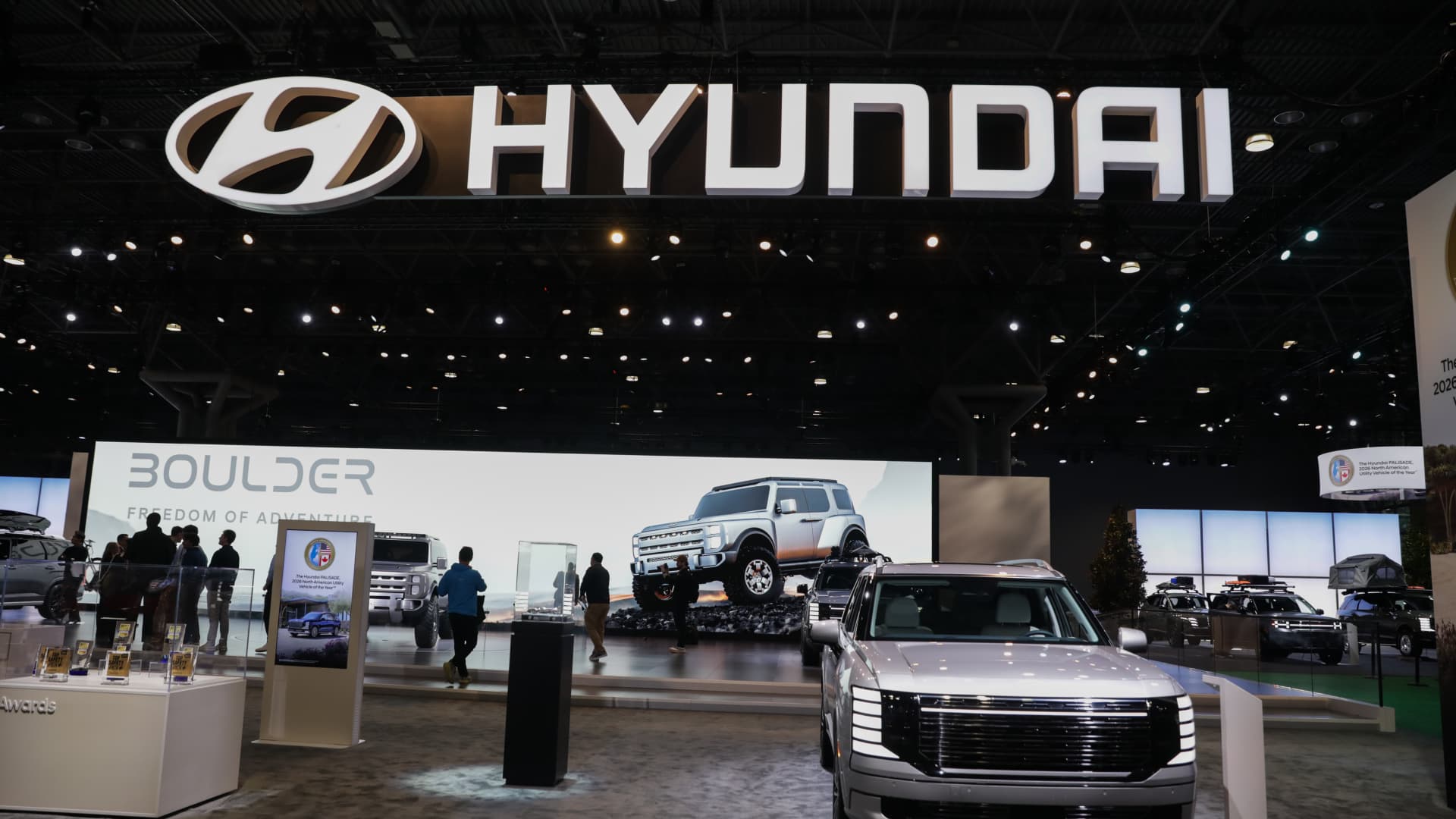
Hyundai Motor is poised to outsell Ford Motor in U.S. quarterly sales for the first time, a development underscoring a critical strategic divergence in product offerings, particularly the burgeoning hybrid market. This shift, projected by Cox Automotive, indicates a potential realignment in U.S. automotive market leadership, with Hyundai — along with its sibling Kia and luxury brand Genesis — capturing significant share.
🗝️ Corporate Strategy Insights
- Hybrid Market Lag. Detroit automakers, including Ford and GM, are showing a pronounced lack of hybrid vehicle options, a segment experiencing robust consumer demand.
- Production Disruptions. Ford’s sales have been further impacted by lingering production issues stemming from supplier fires, directly affecting its critical F-Series truck line.
- Global Alignment. Hyundai’s strategic focus on a diverse and appealing product portfolio, aligning with global market trends, is proving effective in key markets like the U.S.
Cox Automotive’s forecast anticipates Hyundai selling 511,421 units between July and September, a 6.5% year-over-year increase. In contrast, Ford is expected to see a 7.1% decline, selling 504,172 vehicles. This projected outcome would elevate Hyundai to the third spot in U.S. sales, trailing only General Motors and Toyota Motor, marking a significant milestone for the South Korean manufacturer.
The resilience of the overall new vehicle market, with Cox raising its full-year forecast to 16.1 million units, highlights that consumer demand remains strong. However, the disparity in sales performance between Hyundai and traditional Detroit automakers points to a strategic misstep by the latter in adapting to evolving consumer preferences and market conditions.
Hyundai’s gains are attributed to its consistent execution and product strategy, which includes its Genesis luxury brand and corporate affiliate Kia. While Ford’s CEO, José Muñoz, emphasized a focus on delivering quality products rather than achieving specific sales rankings, the market’s reaction to Hyundai’s offerings is undeniable.
Hyundai’s Strategic Product Cadence
Ford’s struggles are compounded by persistent production challenges for its flagship F-Series trucks, a direct consequence of supplier fires last year. These disruptions have not only impacted sales volume but also likely eroded consumer confidence in the brand’s ability to deliver.
- The lack of a robust hybrid lineup by Ford and GM is a critical vulnerability. With fuel prices hovering around $4.48 per gallon nationally, consumers are increasingly seeking fuel-efficient alternatives.
- GM’s hybrid offerings are limited to the Corvette, while Ford’s include the Maverick and F-150. This limited selection contrasts sharply with competitors who are capitalizing on this segment.
- Hyundai’s approach, integrating hybrid and potentially electric variants across its popular models, aligns with market demand and regulatory tailwinds, demonstrating a more forward-thinking capital allocation strategy.
This strategic gap is particularly evident when considering the premium consumers place on fuel economy. Erin Keating, an executive analyst at Cox, noted that manufacturers failing to meet consumers where they are in terms of vehicle type will inevitably cede market share.
Toyota Narrows The Gap With GM
Meanwhile, Toyota Motor, a perennial leader in hybrid technology, continues to chip away at General Motors’ lead. Cox predicts Toyota will report a 2.2% sales increase in the third quarter, reaching 642,707 units, while GM’s sales are expected to decline by 5.2% to 671,706 units.
The projected sales figures indicate Toyota is trailing GM by less than 121,100 units for the year. Should Toyota surpass GM in annual sales, it would be the second time in history, following its win in 2021, which was largely attributed to supply chain issues affecting GM’s production more severely.
The continued reliance of Detroit automakers on V-8 engines in their larger trucks and SUVs, even amid evolving emissions standards, suggests a conservative approach to product development. This strategy, coupled with production bottlenecks, creates a fertile ground for agile competitors like Hyundai to gain traction. Stellantis is also expected to see a slight sales decline, though it anticipates overall annual growth as it implements a turnaround plan.
Reuters analysis of market trends indicates that automakers with diverse and fuel-efficient portfolios are better positioned to weather economic fluctuations and evolving consumer demands.
Strategic Ripple Effect:
- Product Strategy Shift: Detroit automakers will face increased pressure to rapidly accelerate their hybrid and electric vehicle development to compete.
- Market Share Realignment: Hyundai’s strong performance signals potential long-term erosion of market share for traditional U.S. manufacturers.
- Capital Allocation Re-evaluation: Competitors must reassess their investments in internal combustion engine technology versus alternative powertrains to align with future market demands.
Hyundai’s projected Q3 sales lead over Ford is a clear signal that U.S. automakers must aggressively pivot to hybrid and electric vehicles to remain competitive in a rapidly changing automotive landscape.
| Automaker | Projected Q3 Sales | Year-over-Year Change | Market Position (Q3 Est.) |
|---|---|---|---|
| Hyundai | 511,421 | +6.5% | 3rd |
| Ford | 504,172 | -7.1% | 4th |
| GM | 671,706 | -5.2% | 1st |
| Toyota | 642,707 | +2.2% | 2nd |
These sales projections are critical indicators of evolving consumer preferences and the effectiveness of automakers’ product strategies. The metrics highlight the immediate impact of hybrid availability and production efficiency on market share.
Ford’s Uphill Battle: Adapting to Electrification
Ford is at a critical juncture, facing intense competition not only from traditional rivals but also from emerging players. The company’s historical strength in trucks and SUVs, while profitable, now represents a strategic vulnerability in a market increasingly favoring fuel efficiency and lower emissions.
Hyundai’s Market Leadership Trajectory
Hyundai’s consistent growth in the U.S. market is a testament to its strategic foresight in expanding its hybrid and electrified offerings. The company’s investment in its U.S. manufacturing capabilities, including its Georgia Metaplant, positions it for continued expansion and strengthens its competitive moat.
Hyundai’s Q3 Sales Surge: A New Era
Hyundai’s expected Q3 sales performance over Ford signifies a significant market recalibration, driven by a demand for hybrid vehicles and effective production management. The competitive landscape is clearly shifting, emphasizing the need for agile product development and adoption of future powertrain technologies.
- The shift highlights a critical failure by traditional automakers to adapt to evolving consumer demands for fuel efficiency.
- Hyundai’s success underscores the importance of a diversified and responsive product portfolio in a competitive market.
- This development is a clear indicator for investors to scrutinize automakers’ investment in electrification and hybrid technology.
Will this sales performance prompt a more aggressive and immediate strategic shift from Ford and GM towards hybrid and electric vehicle dominance?
📊 StockXpo Analyst’s View
Market Impact: This news signals increased volatility in the automotive sector as investors assess which legacy automakers are best positioned for the transition to electric and hybrid vehicles. Companies with strong hybrid lineups and clear electrification roadmaps will likely see improved investor sentiment and potentially attract more capital, while those lagging may face valuation pressures.
Sector To Watch: The automotive sector, particularly focusing on companies that can demonstrate robust production capabilities and a convincing strategy for hybrid and EV adoption, will be a key area to monitor. Adjacent sectors like battery technology and charging infrastructure may also see increased investor interest as the industry undergoes this transformation.
Financial Disclaimer:
StockXpo.com is a financial news aggregator and educational portal, not a registered investment advisor or broker-dealer. All information, news, and analysis provided herein are strictly for educational purposes and do not constitute investment, financial, legal, or tax advice. Investing in the stock market involves high risks, and past performance is not indicative of future results. StockXpo will not be liable for any financial losses or investment damages. Always consult a certified financial advisor before making market decisions.
MORE IN INSIDE BUSINESS

Nike India Campus: A Strategic Growth Bet Amidst Turnaround Challenges
Published: Friday, October 16, 2026 · 8:36 AM

Fuel Economy Targets: A Multi-Billion Dollar Boost for Automakers
Published: Thursday, October 15, 2026 · 9:58 AM


