Published: Thursday, September 24, 2026 · 5:53 PM | Updated: Thursday, September 24, 2026 · 5:53 PM
📊 237 views




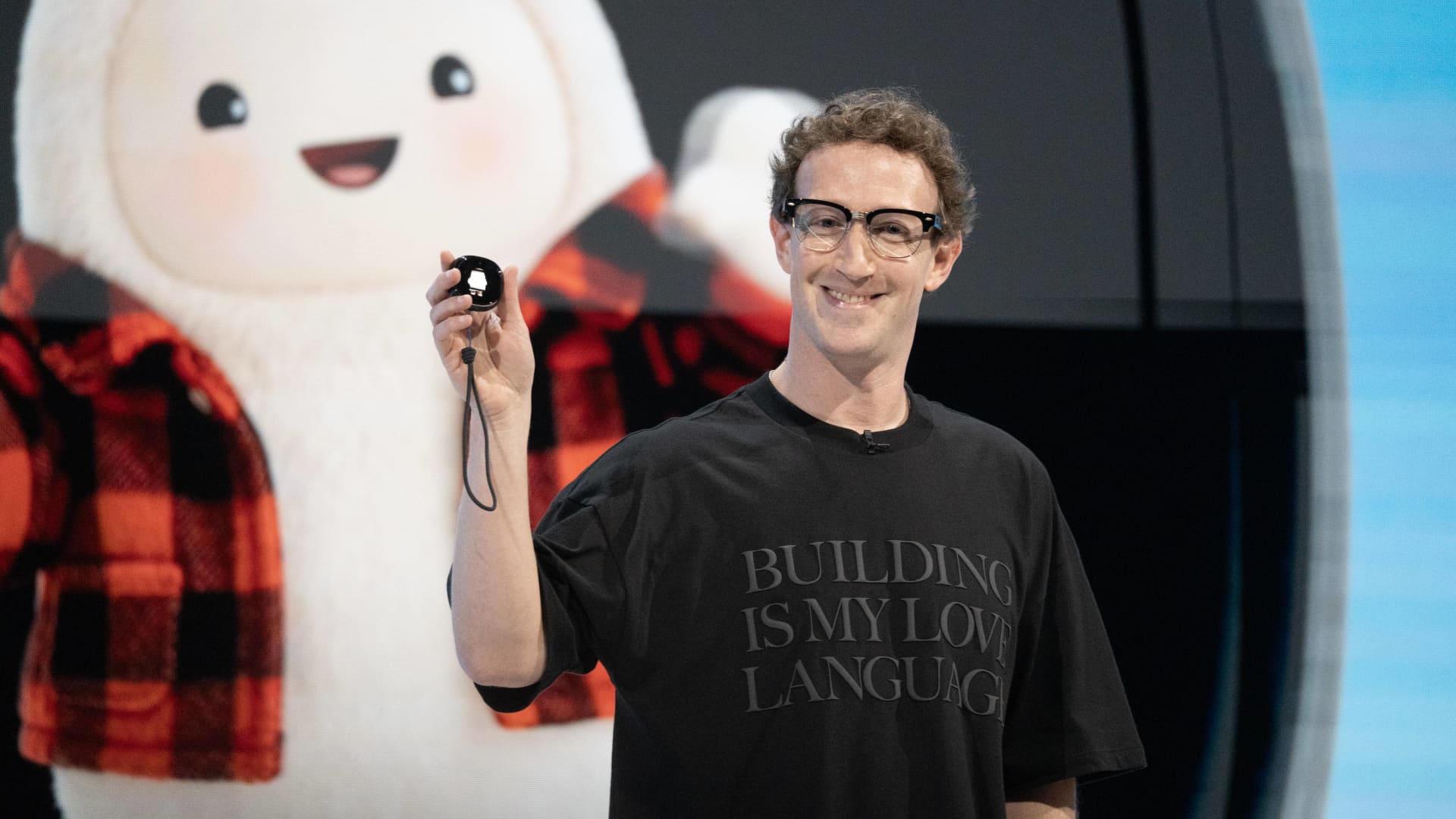
Meta is aggressively pursuing a hardware-centric approach to artificial intelligence, launching consumer AI devices like the Muse Charm pendant and a new line of AI glasses, aiming to carve out a significant market share ahead of competitors like OpenAI. This strategy, spearheaded by Mark Zuckerberg, bets on the widespread adoption of AI agents integrated into wearable technology.
🚀 Tech Strategy & Market Disruptions
- Hardware Integration of AI Agents. Meta’s push with Muse AI, AR glasses, and the Muse Charm positions AI not just as software but as an embedded hardware experience, aiming for constant, hands-free user interaction.
- Market Entry Timing and Competition. By launching consumer AI devices before OpenAI’s anticipated hardware reveal, Meta attempts to capture early mindshare and establish a hardware ecosystem, though it trails in generative AI model development.
- Evolving Monetization Models. Meta plans to profit from transaction fees on AI-assisted purchases, presenting a new economic paradigm for AI services, though retailer adoption and transaction volume remain critical factors for success.
Meta’s strategic pivot towards integrating its AI ambitions directly into consumer hardware marks a significant departure and an ambitious gamble. The company announced plans for over 100 styles of AI glasses by the end of 2026 and unveiled the Muse Charm, a pendant designed for quick access to its AI agent. This initiative comes as Meta seeks to reduce its reliance on platforms like Apple, whose privacy policy changes have impacted Meta’s advertising revenue. The development of these consumer AI devices signals a broader trend towards ambient computing, where AI assistants are seamlessly embedded into daily life through various form factors.
While Meta was perceived as a late entrant to the generative AI race, trailing behind established players like OpenAI, Anthropic, and Google, the company is attempting to leapfrog competition by focusing on the user interface and hardware delivery. Muse, an AI agent capable of managing emails, travel bookings, and shopping, has already seen substantial user adoption, topping app store charts and eclipsing ChatGPT downloads in initial phases. This rapid uptake suggests a strong consumer appetite for AI that offers tangible assistance, a core tenet of Meta’s hardware strategy.
Unveiling the Muse Charm and AI Glasses Ecosystem
The Muse Charm, resembling a compact digital accessory, is designed for immediate AI interaction, featuring a fingerprint sensor for activation. While still in development, with details on pricing and final materials pending, its introduction signals Meta’s commitment to creating a diverse AI hardware ecosystem. Complementing this, the company also announced Meta VR Glasses, a more streamlined and expensive successor to its Quest line, indicating a dual approach across augmented and virtual reality domains. This expansive hardware vision aims to create proprietary channels for AI services, reducing dependency on third-party app stores and platforms, a strategy underscored by Meta’s partnership with EssilorLuxottica for their existing Ray-Ban smart glasses, which will soon integrate Muse capabilities.
Investor confidence appears to be building, with Meta’s stock showing a notable increase following the Muse announcements. This market reaction suggests a belief that Zuckerberg’s hardware-focused AI strategy, unlike the metaverse push, might yield substantial returns. Analysts from Mizuho highlight that the fusion of Muse AI with Meta’s hardware, from AR glasses to the Muse Charm, is key to driving future valuation expansion for Meta shares.
- Hardware Ecosystem Strategy: Meta is investing heavily in a range of consumer AI hardware, from wearable pendants to advanced AR/VR glasses, to create a proprietary ecosystem for its AI agent, Muse.
- Competitive Positioning: By introducing consumer AI devices ahead of key competitors like OpenAI, Meta aims to establish an early lead in a burgeoning market segment.
- Monetization Approach: The company intends to generate revenue through transaction fees on purchases made via Muse, a model that requires strong retailer adoption and consumer trust.
The competitive landscape is heating up, with OpenAI reportedly preparing to unveil its own hardware product, potentially a smart speaker. This rivalry underscores the intense race to define the future of consumer AI interaction. While Meta’s Muse has gained initial traction, the long-term success will depend on its ability to deliver a compelling, seamless user experience that genuinely simplifies daily tasks and offers value beyond existing smartphone capabilities. The company faces challenges in user adoption, as skepticism remains regarding the necessity of additional devices when smartphones are already ubiquitous and highly capable. Experts like Anthony Ferry of Wayvia question the utility of carrying another device unless it offers a demonstrably superior or more convenient interaction than a smartphone.
Meta’s bold move into consumer AI hardware, particularly with the Muse Charm and enhanced AI glasses, represents a calculated risk to redefine human-computer interaction. The success hinges not just on technological innovation but on creating indispensable utility that justifies the adoption of new form factors, moving beyond mere novelty to genuine daily value. This strategy addresses the critical need for user-friendly AI interfaces that are deeply integrated into everyday life.
The introduction of Meta’s Muse AI agent and its associated hardware devices presents a complex interplay of technological advancement, market strategy, and potential disruption. While the company is positioning itself as a leader in the consumer AI device market, its success will be heavily influenced by consumer adoption rates, the effectiveness of its monetization strategy, and its ability to navigate the competitive pressures from other tech giants and AI developers. The integration of AI into everyday objects like pendants and glasses could pave the way for a new era of ambient computing, but significant hurdles in user perception and utility remain.
Meta’s Ecosystem Expansion Potential
Meta’s ambition extends beyond individual devices; it is building an interconnected ecosystem where AI seamlessly bridges different hardware platforms. The integration of Muse into their smart glasses promises hands-free interaction, activated by voice commands, showcasing a vision of AI that is always accessible. Furthermore, the new Meta VR Glasses, while more expensive, represent a continued investment in immersive technologies that could house sophisticated AI experiences. This multi-pronged hardware approach aims to capture users across various digital interaction preferences, from AR to VR and discrete wearables. The strategy of embedding AI deeply into hardware is designed to foster brand loyalty and create a sticky user base, potentially diminishing the influence of external platforms. The ability to scan retail sites and facilitate transactions directly through Muse is a critical step in this direction, although it has already encountered resistance from major e-commerce players like Amazon, which has blocked Muse from scanning its product listings.
The monetization plan, centered on taking a small fee from transactions conducted via Muse, offers a clear revenue path, provided it can scale. This approach aims to keep the core AI agent free for users, incentivizing widespread adoption. However, the true value proposition for businesses will be in demonstrating tangible growth or customer acquisition through these AI-driven channels, a metric that will need careful evaluation. The success of this model is contingent on Meta’s ability to prove that Muse-enabled transactions represent incremental business for retailers, rather than simply rerouting existing sales. This requires a delicate balance between Meta’s financial objectives and the business outcomes for its partners.
Meta’s Market Adoption Challenges
Despite the technological leaps and strategic positioning, Meta faces significant hurdles in achieving widespread adoption of its consumer AI devices. The primary challenge lies in consumer perception and the perceived need for yet another connected device in an era where smartphones are already the central hub for digital life. Skeptics question the added value of a device like the Muse Charm, especially if it requires integration with or reliance on a smartphone for full functionality. The narrative that this new hardware must be demonstrably easier or more beneficial than existing smartphone interactions is critical. Furthermore, the current limitations, such as Amazon blocking Muse from its platform, highlight the complex ecosystem dynamics and potential for further interoperability issues that could stifle growth. Building trust and demonstrating clear utility will be paramount to overcoming inertia and convincing consumers to adopt these new forms of AI interaction. The concerns surrounding the potential harms of AI, voiced by critics and industry leaders alike, also cast a shadow, requiring Meta to actively address safety and ethical considerations in its device development and AI deployment.
The long-term viability of Meta’s consumer AI device strategy hinges on its ability to evolve beyond a novelty and become an indispensable tool. The company’s past performance with VR, while significant, did not achieve mass-market penetration. This new push for AI hardware represents a renewed attempt to capture a mainstream audience, but the underlying challenge of creating compelling use cases that integrate seamlessly into users’ lives remains. The potential for Meta to disrupt the technology market is substantial, but execution risk is equally high. As Meta navigates these complexities, its competitors are also racing to define the future of AI, making this a pivotal moment for innovation and market leadership.
Meta’s Consumer AI Device Strategy: A Calculated Leap
Meta’s ambitious dive into the consumer AI device market with its Muse agent and array of hardware represents a strategic bet on the future of human-computer interaction. The company is attempting to redefine how users engage with AI by embedding it into wearables and glasses, aiming for a seamless, hands-free experience. While early market reception has been positive, significant challenges remain in proving the utility of these devices against the entrenched dominance of smartphones and navigating competitive pressures.
- Meta is prioritizing hardware integration for its AI agent, Muse, to create a proprietary ecosystem.
- The company aims to capture early market share in consumer AI devices by launching before key competitors.
- Success hinges on demonstrating clear user value that surpasses existing smartphone capabilities and overcoming platform interoperability issues.
Will Meta’s hardware-first AI strategy lead to a new computing paradigm, or will it become another ambitious venture seeking mass-market resonance?
📊 StockXpo Analyst’s View
Market Impact: Meta’s aggressive consumer AI device strategy could significantly influence investor sentiment towards hardware-integrated AI plays, potentially driving sector-wide valuations and encouraging more R&D investment in wearables and ambient computing. However, the market will closely scrutinize adoption rates and Meta’s ability to monetize effectively, which could introduce volatility.
Sector To Watch: The wearable technology and AI hardware sectors are poised for substantial growth, attracting venture capital and innovation. Companies focusing on seamless AI integration, unique form factors, and robust data privacy will likely gain traction, while those solely reliant on software may face increased competition for user attention and engagement. This move by Meta could also accelerate the development of AI-specific chipsets and advanced sensor technologies.
Financial Disclaimer:
StockXpo.com is a financial news aggregator and educational portal, not a registered investment advisor or broker-dealer. All information, news, and analysis provided herein are strictly for educational purposes and do not constitute investment, financial, legal, or tax advice. Investing in the stock market involves high risks, and past performance is not indicative of future results. StockXpo will not be liable for any financial losses or investment damages. Always consult a certified financial advisor before making market decisions.
MORE IN INSIDE TECHNOLOGY

Tesla Roadster: Breakthrough Engineering Powers Future Mobility
Published: Friday, October 16, 2026 · 12:33 AM

TSMC Record Profit: Unpacking the AI Boom’s Unrelenting Drive
Published: Thursday, October 15, 2026 · 1:52 AM