Published: Thursday, September 24, 2026 · 8:24 PM | Updated: Thursday, September 24, 2026 · 8:24 PM
📊 123 views




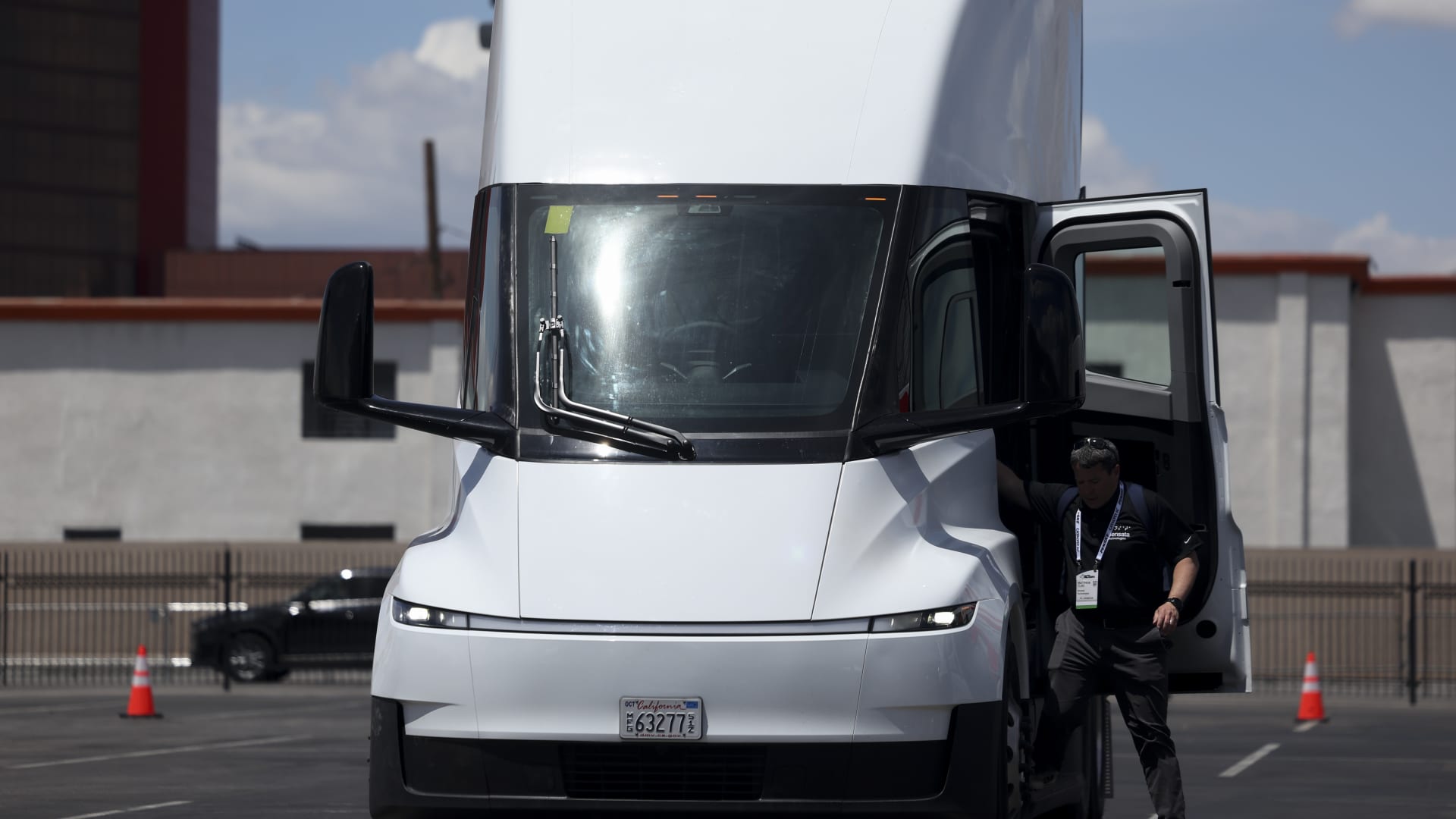
Tesla’s long-awaited push into heavy-duty commercial trucking is gaining significant momentum with the official opening of its first high-volume production factory for the Tesla Semi in Sparks, Nevada. This development signals a critical juncture for the electric vehicle giant as it aims to disrupt the established, diesel-dominated trucking industry.
🚀 Tech Strategy & Market Disruptions
- Production Scalability Achieved. Following years of limited runs and pilot programs, the Nevada factory signifies Tesla’s commitment and capability to produce the Semi at a scale that can meaningfully impact the commercial transport sector.
- Addressing Diesel Costs & Emissions. The opening coincides with rising diesel prices and increasing regulatory pressure on emissions, presenting a compelling economic and environmental case for electric trucks, directly challenging incumbent ICE manufacturers.
- Advancement of Autonomous Driving in Logistics. Tesla’s vision for the Semi includes integrated autonomous driving systems, positioning it not just as an electric alternative but as a potential catalyst for optimizing logistics through driverless operations.
The Tesla Semi Nevada Factory: A Production Milestone
The inauguration of the Nevada facility marks a pivotal step from concept to commercial reality for the Tesla Semi, which was first unveiled in 2017. While early deliveries to anchor clients like PepsiCo began in late 2022, production volume was heavily constrained. The new factory is engineered for high-volume manufacturing, enabling Tesla to meet growing demand and fulfill significant fleet orders. This expansion into Class 8 trucks is a strategic diversification, tapping into a market segment that accounts for a substantial portion of transportation emissions.
The timing of this production ramp-up is opportune. With global supply chains under pressure and a recognized shortage of truck drivers, the allure of efficient, potentially autonomous electric trucks is amplified. The increasing operational costs associated with traditional diesel trucks, coupled with a growing emphasis on Environmental, Social, and Governance (ESG) initiatives among corporations, creates a fertile ground for the Tesla Semi’s market penetration.
- Industry coalition ZET SCALE has selected Tesla as its primary OEM for an initial order of 2,500 trucks, with plans for over 10,000 more.
- Einride, a prominent trucking firm, has committed to ordering 500 Tesla Semi trucks, with initial deployments slated for the current month.
- Tesla’s CEO, Elon Musk, views autonomous driving systems as critical for the trucking industry to address driver shortages and enhance operational efficiency.
While Tesla has faced challenges in scaling other innovative products, such as the Cybertruck, the Semi’s entry into high-volume production addresses a different, arguably more urgent, market need within the commercial logistics sector. Competitors like Aurora Innovation and Kodiak AI are also advancing driverless truck technology, underscoring the broader trend toward automation in freight transport. For insights into the broader landscape of these emerging technologies, refer to Bloomberg’s technology coverage.
The scaling of the Tesla Semi represents a significant technological leap in commercial vehicle electrification. Its success will hinge not only on battery performance and charging infrastructure but also on the seamless integration of its advanced driver-assistance and future autonomous capabilities, which are key differentiators in addressing the logistical challenges of the 21st century.
Tesla’s current selling points for the Semi revolve around its impressive battery range, with models offering up to 500 miles on a single charge, and access to Tesla’s Supercharger network. The environmental benefits are substantial; according to the International Council on Clean Transportation, heavy-duty trucks, though fewer in number, contribute disproportionately to air pollution. Transitioning to zero-emission vehicles is therefore crucial for reducing the environmental impact of freight movement.
Tesla Semi’s Ecosystem Expansion Potential
Tesla’s ambition extends beyond North America. The company intends to introduce the Semi to the European market, a region where established players like Volvo and Daimler Truck are already offering their own battery-electric models. This global outlook suggests Tesla is positioning the Semi as a worldwide solution for sustainable freight transportation. The development also integrates with Tesla’s broader vision for electric mobility and energy solutions, potentially creating synergies with its stationary storage and renewable energy divisions.
Tesla’s Electric Trucking Platform Architecture
The architecture of the Tesla Semi is built upon the company’s core competencies in battery technology, electric powertrains, and sophisticated software integration. The vehicle’s design prioritizes aerodynamics to maximize range and incorporates advanced thermal management systems to ensure optimal performance under heavy loads and diverse weather conditions. The powertrain is engineered for high torque delivery, crucial for hauling freight, while the battery pack is designed for rapid charging, a critical factor for minimizing downtime in commercial operations. Integration of Tesla’s Full Self-Driving (FSD) software, when fully realized, will represent a significant advancement in the truck’s operational paradigm, moving beyond driver assistance to potential full autonomy, a topic explored further in Reuters’ technology reporting.
The Ripple Effect of Tesla Semi Production on Freight Markets
The scaled production of the Tesla Semi is poised to reshape the commercial freight landscape. By offering a viable, high-performance electric alternative, Tesla directly challenges the long-standing dominance of diesel trucks. This competitive pressure can accelerate innovation across the entire trucking industry, forcing competitors to expedite their own electrification and autonomous driving initiatives. Furthermore, the potential for lower operating costs through reduced fuel expenses and simplified maintenance could significantly alter the economics for fleet operators, making electric trucks a more attractive long-term investment. For a deeper dive into technology market trends, see our analysis on emerging technologies.
📊 StockXpo Analyst’s View
Market Impact: The scaling of the Tesla Semi could lead to a significant shift in capital allocation within the automotive and logistics sectors, potentially boosting investment in EV charging infrastructure and battery technology providers. Investors may see a revaluation of traditional truck manufacturers that lag in electrification efforts.
Sector To Watch: The commercial trucking and logistics sector will be under increased scrutiny, with a particular focus on fleet operators adopting electric vehicles and companies specializing in charging solutions and fleet management software. Supply chain and industrial real estate companies may also see indirect benefits from more efficient, potentially localized, freight movements.
Financial Disclaimer:
StockXpo.com is a financial news aggregator and educational portal, not a registered investment advisor or broker-dealer. All information, news, and analysis provided herein are strictly for educational purposes and do not constitute investment, financial, legal, or tax advice. Investing in the stock market involves high risks, and past performance is not indicative of future results. StockXpo will not be liable for any financial losses or investment damages. Always consult a certified financial advisor before making market decisions.
MORE IN INSIDE TECHNOLOGY
Tesla Roadster: Breakthrough Engineering Powers Future Mobility
Published: Friday, October 16, 2026 · 12:33 AM

TSMC Record Profit: Unpacking the AI Boom’s Unrelenting Drive
Published: Thursday, October 15, 2026 · 1:52 AM