Published: Friday, July 3, 2026 · 1:40 PM | Updated: Friday, July 3, 2026 · 1:40 PM
📊 230 views




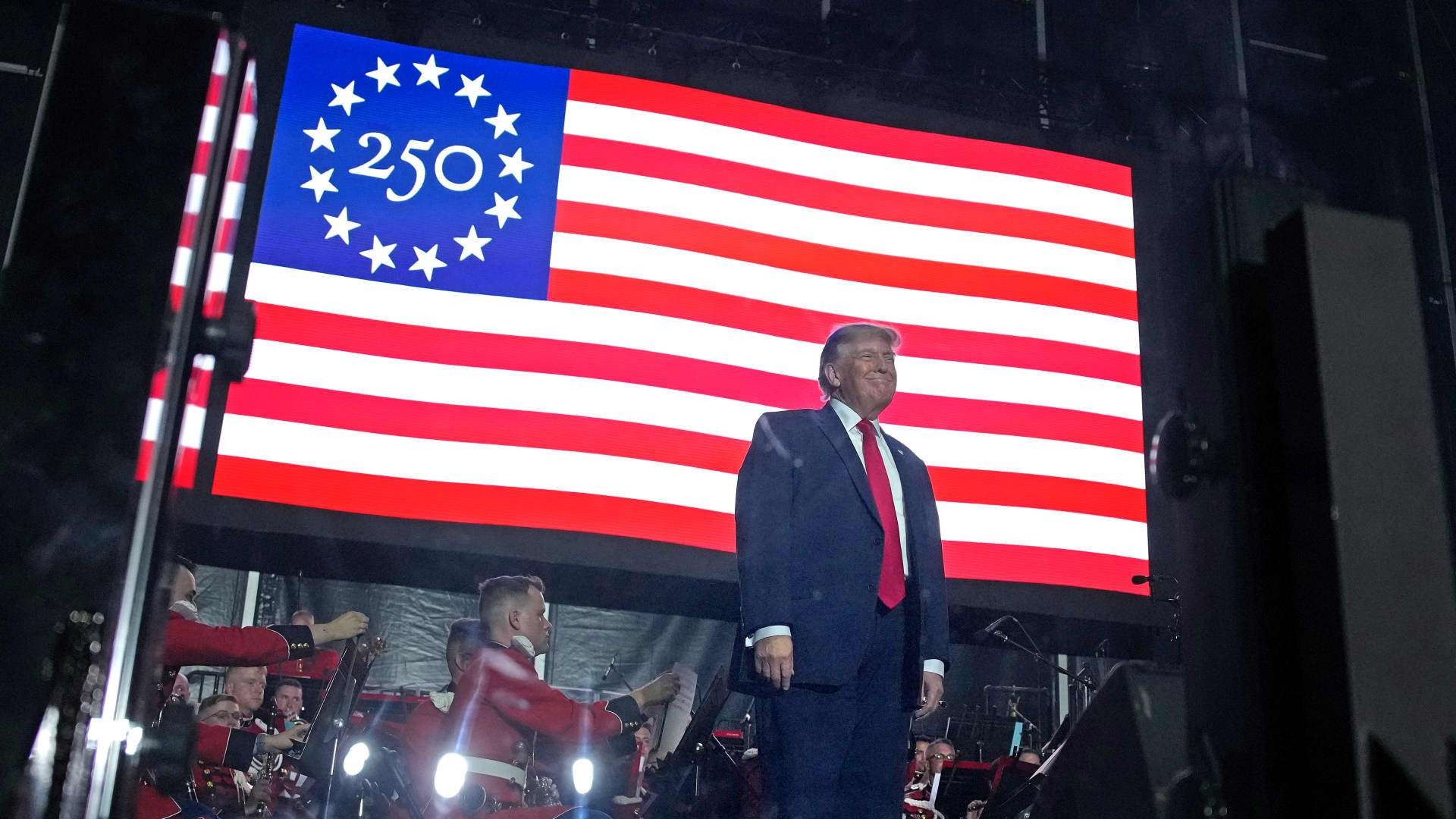
WASHINGTON – The financial architecture behind the U.S. semiquincentennial celebrations has unveiled a complex interplay between corporate sponsorship and political access, raising critical questions for digital-era corporate governance. Specifically, the Trump-backed Freedom 250 events, designed to mark America’s 250th birthday, have attracted significant corporate funding, often from companies with active business перед the federal government.
This arrangement highlights the delicate balance corporations must strike between patriotic branding and the potential for perceived political influence, a challenge intensified by the transparency demands of modern markets and the immediate scrutiny of social media.
🚀 Tech Strategy & Market Disruptions
- Perception of Influence. Corporate sponsorships linked to political figures, especially those with ongoing government contracts, can fuel public perception of quid pro quo arrangements, impacting brand equity and consumer trust.
- Digital Transparency Demands. In an age where information is instantly shareable, opaque funding structures and preferential access risk significant reputational damage, forcing companies to re-evaluate their public engagement strategies.
- Governance & Ethical Tech Use. For major technology and defense contractors, aligning with politically charged initiatives can complicate their narrative around neutral, ethical technology deployment and innovation-driven growth, affecting global partnerships and talent acquisition.
An analysis by CNBC revealed that at least 14 companies have contributed to both America250, the congressionally established non-profit, and the Freedom 250 initiative. These include major players like Boeing, Deloitte, John Deere, Lockheed Martin, Northrop Grumman, Oracle, Palantir, RTX, SAP, and United Airlines. Many of these firms have substantial dealings with the federal government, ranging from defense and technology contracts to regulatory and tax matters, creating a complex web of corporate and political interests.
Watchdogs and ethics experts have voiced concerns that this dual sponsorship model, particularly with the opaque nature of Freedom 250’s funding, could offer companies a pathway to access the administration. For instance, Freedom 250’s fundraising materials, as reported by The New York Times, outlined tiered sponsorship benefits, including VIP access, private receptions with the former President, and even speaking roles for contributions exceeding $2.5 million. While such tiered benefits are common in large-scale event sponsorships, the direct connection to an administration with which sponsors have active business interests sets a different precedent.
This dynamic sets a precedent where corporate funding flows into politically aligned events, potentially creating an environment where access to decision-makers becomes a commodified asset. This cause-and-effect chain can disrupt traditional lobbying avenues, shifting influence toward more direct, event-based engagements. The resultant impact could be a re-evaluation of ethical compliance frameworks within corporations, particularly those in highly regulated industries or dependent on government contracts, as they navigate heightened scrutiny from both the public and regulatory bodies.
‘In the digital era, the perceived proximity between corporate money and political power is instantly amplified. For CTOs, this isn’t just a political issue; it’s a critical component of enterprise risk management, impacting brand trust, investor relations, and ultimately, the long-term sustainability of innovation pipelines that rely on public confidence and fair market principles.’
Historically, corporate sponsorship has played a role in national celebrations, with the 1976 Bicentennial drawing significant private funding. However, the current situation with shifting technology market trends presents a new dimension due to the rapid dissemination of information and the enhanced scrutiny from digital ethics organizations. The opacity of Freedom 250’s funding, combined with the partisan framing of certain events, stands in contrast to America250’s more traditional, bipartisan approach.
- Defense Contractors (LMT, BA, RTX, NOC): These companies rely heavily on government contracts. Their involvement in Freedom 250 could be seen as an effort to maintain favor, but also exposes them to political backlash.
- Tech Giants (ORCL, PLTR, SAP, Deloitte): For companies like Oracle, Palantir, and SAP, who provide critical software and data solutions to governments, maintaining strong relationships is vital. However, perceived political alignment can complicate their messaging around neutral, secure, and ethical technology solutions.
- Airlines (UAL): United Airlines, a major transportation entity, has significant regulatory interests and could be seeking to ensure a favorable policy environment.
Navigating Enterprise Technology’s Political Landscape
For enterprise technology providers like Oracle and SAP, navigating politically charged sponsorship environments presents unique challenges. Their platforms are foundational to government operations, defense, and critical infrastructure. Any perception of undue influence or partisan alignment can undermine the trust essential for securing and maintaining these high-stakes contracts. CTOs in these organizations must consider not only the technical robustness and security of their offerings but also the broader ethical framework of their corporate engagements. This includes evaluating how sponsorships align with their public commitment to data privacy, digital ethics, and impartial service delivery, especially when their technologies are integral to national security or public services. The long-term implications for market adoption of their solutions could be significant if reputational risks are mismanaged.
Digital Age Reputational Risks & Corporate Resilience
The blurred lines between corporate sponsorship and political access are especially precarious in the digital age, where news and public sentiment propagate instantaneously. For any company, particularly those seeking to lead in broader emerging technologies, reputational risk becomes a primary concern. The Great American State Fair, a centerpiece of the Freedom 250 celebration, faced sparse crowds and artist withdrawals due to its perceived partisan tone, demonstrating how public sentiment can quickly turn against politically aligned ventures. Companies sponsoring such events must develop robust digital resilience strategies, anticipating and mitigating potential public relations crises that can erode brand value, impact employee morale, and deter future partnerships. This necessitates a proactive approach to transparency, stakeholder communication, and a clear articulation of corporate values that transcend political affiliations, as emphasized in many educational tech insights.
Freedom 250 and Corporate Strategy: A Shifting Paradigm
The ongoing saga of Freedom 250 sponsorships underscores a fundamental shift in how corporate entities engage with political events, demanding renewed scrutiny of transparency and ethical guidelines. Companies are increasingly forced to weigh the benefits of political access against the significant reputational risks inherent in opaque funding models.
- Enhanced due diligence for politically associated sponsorships is now paramount.
- Public perception of corporate neutrality directly impacts market standing and investor confidence.
- The digital footprint of political affiliations can lead to lasting brand damage or gain, depending on public reception.
How will corporations balance commercial interests with increasing demands for ethical transparency in an increasingly polarized political landscape?
📊 StockXpo Analyst’s View
Market Impact: This situation illustrates a growing risk premium for companies operating at the intersection of public policy and political events. Investors are likely to scrutinize corporate governance practices more closely, particularly concerning political donations and sponsorships. Sectors heavily reliant on government contracts or regulatory approvals might face increased volatility as perceived influence can fluctuate with political tides, impacting their valuation and stability.
Sector To Watch: The defense and enterprise technology sectors, given their deep integration with government infrastructure and significant contract dependencies, will be particularly sensitive to these dynamics. Companies like Lockheed Martin, Oracle, and Palantir must demonstrate impeccable ethical frameworks to maintain long-term investor trust and avoid the market penalties associated with reputational damage.
Financial Disclaimer:
StockXpo.com is a financial news aggregator and educational portal, not a registered investment advisor or broker-dealer. All information, news, and analysis provided herein are strictly for educational purposes and do not constitute investment, financial, legal, or tax advice. Investing in the stock market involves high risks, and past performance is not indicative of future results. StockXpo will not be liable for any financial losses or investment damages. Always consult a certified financial advisor before making market decisions.
MORE IN INSIDE TECHNOLOGY
AI Buildout Hits Credit Headwinds: Neoclouds Under Pressure
Published: Saturday, October 24, 2026 · 12:23 AM

SK Hynix Shares Rebound: A Strategic Shift in Semiconductor Funding
Published: Friday, October 23, 2026 · 1:46 AM