
Published: Thursday, June 11, 2026 · 5:54 PM | Updated: Thursday, June 11, 2026 · 5:54 PM
📊 246 views




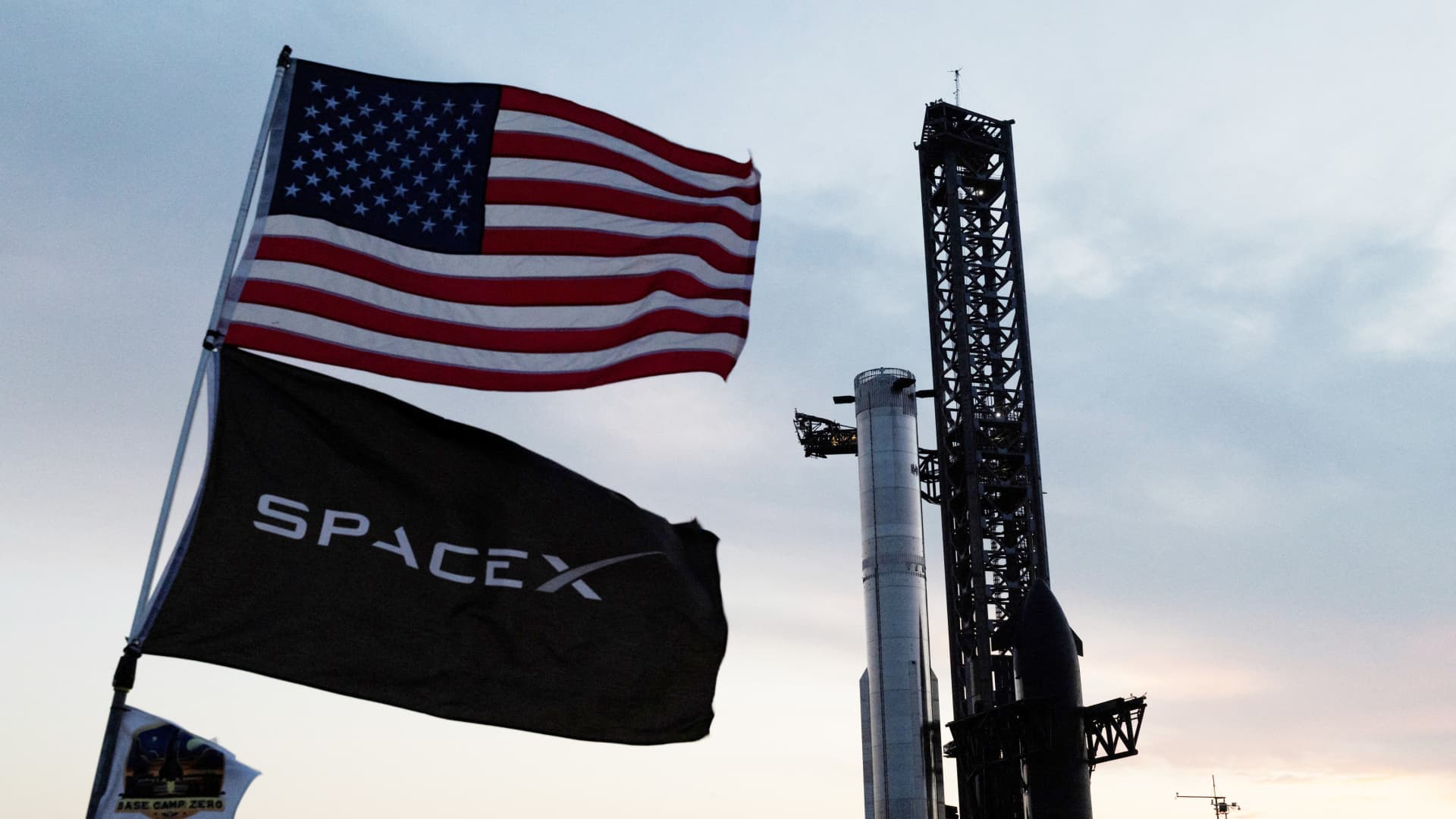
For nearly two decades, a select group of investors championed Elon Musk’s ambitious space venture, SpaceX, largely outside the public eye. Now, with the company eyeing a staggering $1.8 trillion valuation for its forthcoming initial public offering (IPO), these early backers are positioned to realize some of the most substantial paper gains in venture capital history.
💰 Financial Strategy & Market Insights
- Pioneer’s Payoff. Veteran investors like Ron Baron, Fidelity Investments, and Cathie Wood’s ARK Invest are poised for enormous returns, having committed capital to SpaceX when its potential was less certain.
- Scarcity Premium. SpaceX’s tightly controlled capitalization table, unlike many venture-backed firms, created limited access, significantly amplifying the value for early and persistent investors.
- Institutional Windfalls. Beyond traditional venture and hedge funds, major institutional players, including prominent pension funds and university endowments, are set to reap substantial gains from their strategic early bets.
The impending IPO of SpaceX is set to redefine venture capital benchmarks, illustrating the immense rewards of backing disruptive innovation over the long term. Investors such as Ron Baron, through his Baron Partners Fund and Baron Asset Fund, began accumulating stakes in 2017 when SpaceX was valued below $22 billion. His firm’s $2 billion investment has since swelled to an estimated $12 billion, underscoring a belief that SpaceX could become “the largest, most profitable company on the planet,” as he stated during a recent investor webcast.
Similarly, Cathie Wood’s ARK Invest, known for its focus on disruptive technologies, has positioned SpaceX as its largest holding in the ARK Venture Fund. Wood views the company as far more than a mere launch provider, citing its Starship, Starlink, and xAI initiatives as integral to building “vertically integrated AI infrastructure for a much larger space economy.” This aligns with ARK’s broader thesis on technological convergence, placing SpaceX at the crossroads of artificial intelligence, robotics, and energy storage, poised for continued value creation beyond its existing Falcon 9 and Starlink operations.
Fidelity Investments also entered the fray early, with former portfolio manager Gavin Baker initiating purchases back in 2015 when SpaceX was valued at roughly $10 billion. Today, SpaceX constitutes significant portions of Fidelity’s actively managed funds, including the Fidelity Contrafund and Fidelity Blue Chip Growth Fund. These early commitments highlight a prescient understanding of the company’s long-term trajectory and the unique investment opportunity it presented. As noted by Greg Martin, co-founder of Rainmaker Securities, the controlled shareholder base amplified the gains for those who secured positions early, often allowing them to participate in subsequent funding rounds that were inaccessible to most.
- Strategic Access: Investors who secured early positions often gained preferential access to later funding rounds, magnifying their returns.
- Long-Term Vision: The success validates a long-term investment strategy in high-risk, high-reward technological ventures.
This dynamic, coupled with the profound conviction in Elon Musk’s vision, transformed relatively modest initial investments into multi-billion-dollar holdings for firms like Founders Fund, Coatue Management, and D1 Capital Partners. The narrative extends beyond traditional private equity firms to include public sector entities; the Ontario Teachers’ Pension Plan invested over $200 million in 2019, anticipating disruption in the launch and satellite broadband markets. Furthermore, university endowments like Washington University in St. Louis saw a roughly $50 million investment nearly a decade ago appreciate to over 10% of its $17 billion endowment, as reported by Bloomberg News. This broad investor base reflects both the significant financial upside and the institutional belief in SpaceX’s transformative potential for global markets, influencing broader capital shifts and financial sector trends.
Why SpaceX Presents Unique Investment Dynamics
- Upside Potential:
- IPO Catalyst: A public listing could unlock substantial liquidity for early investors and provide new capital for SpaceX’s ambitious projects.
- Technological Convergence: Synergies between Starship, Starlink, and AI initiatives could drive exponential growth in the burgeoning space economy.
- Market Dominance: Continued leadership in launch services and satellite internet positions SpaceX as a critical infrastructure provider for global connectivity.
- Innovation Premium: The company’s relentless pursuit of innovation justifies a high valuation, attracting investors seeking exposure to next-generation technologies.
- Downside Risks:
- Regulatory Hurdles: The space industry is subject to evolving international and domestic regulations, potentially impacting operations and expansion.
- Execution Challenges: Starship’s development and operationalization carry significant technical risks and capital expenditure requirements.
- Market Volatility Post-IPO: While the private valuation is high, public market sentiment and investor expectations could introduce volatility following an IPO.
- Competitive Landscape: Increasing competition in launch services and satellite broadband could pressure margins and market share over time.
- Valuation Sustainability: The $1.8 trillion valuation is speculative and hinges on future growth projections that may not materialize as quickly as anticipated.
The term ‘scarcity value’ in finance refers to the premium placed on an asset or investment opportunity due to its limited availability. In the case of SpaceX, strict control over its capitalization table meant only a select few institutional and individual investors gained access, which, combined with the company’s stellar growth, dramatically amplified their returns beyond what might be typical in a more open market. This unique barrier to entry created an environment where early access itself became a highly prized commodity, leading to outsized gains.
Early Investor Returns in SpaceX: A Snapshot
| Investor | Initial Investment Period | Estimated Investment | Estimated Current Stake Value | Portfolio % (as of March 31) |
|---|---|---|---|---|
| Ron Baron (Baron Partners Fund) | 2017 onwards | ~$2 billion | ~$12 billion | 33% (Baron Partners Fund) |
| ARK Invest (ARK Venture Fund) | Ongoing | Undisclosed | Undisclosed | 11.4% |
| Fidelity Investments (Fidelity Contrafund) | 2015 onwards | Undisclosed | Undisclosed | 4.7% |
| Ontario Teachers’ Pension Plan | 2019 | $200+ million | Undisclosed | Undisclosed |
| Washington University in St. Louis | ~10 years ago | ~$50 million | ~$1.7 billion (estimated for >10% of $17B endowment) | ~10% (of $17B endowment) |
Decoding SpaceX’s Liquidity Dynamics Ahead of IPO
SpaceX’s pre-IPO phase has been characterized by exceptionally tight control over its capitalization table, which significantly influences its liquidity profile. Unlike many tech unicorns that frequently open funding rounds to a broad array of investors, SpaceX has maintained a curated list of backers. This strategy limits secondary market trading opportunities for existing shares, effectively creating a scarcity premium that benefits early investors. For those with long-term capital, this illiquidity was a feature, not a bug, allowing them to accumulate substantial positions without dilution from widespread capital injections. The anticipation of an IPO, however, signals a major shift, promising to unlock unprecedented liquidity for these long-held private shares, providing a pathway for early investors to convert paper gains into realized profits and potentially introduce new capital for future endeavors. This shift will also provide broader market access to an asset that has been largely exclusive, fundamentally altering its liquidity dynamics.
Tracking Market Sentiment Around SpaceX’s Valuation
Market sentiment regarding SpaceX’s $1.8 trillion valuation is overwhelmingly positive among its existing investors, who have consistently reinforced their positions over multiple funding rounds. This confidence stems from the company’s proven track record, its pivotal role in the burgeoning space economy, and Elon Musk’s visionary leadership. However, the sentiment among broader public market participants, especially those who will consider investing post-IPO, will be a critical determinant of its public market performance. While initial enthusiasm is expected to be high, the market will rigorously scrutinize growth projections, profitability pathways for Starship and Starlink, and competitive advantages. Analysts will likely weigh the long-term potential against current revenue streams and capital expenditure requirements, shaping the public perception and demand for SpaceX shares, especially considering its ambitious targets. Staying attuned to these evolving perspectives is key for understanding the company’s future, and for more context on market analysis, visit StockXpo’s market analysis section.
SpaceX’s IPO Trajectory: A New Era for Space Capital
SpaceX’s journey from a startup to a $1.8 trillion valuation underscores a powerful narrative of visionary leadership meeting patient, strategic capital. The imminent IPO is not just a liquidity event for early investors; it represents a pivotal moment for the broader financial sector, legitimizing the long-term potential of the space economy. This move will open a previously exclusive asset to a wider investment community, potentially drawing fresh capital into space-related ventures and influencing future market analysis. For more in-depth educational financial insights, explore our blog.
- The IPO is poised to validate multi-decade venture capital strategies, rewarding conviction in transformative technologies.
- It signifies a coming-of-age for the commercial space industry, potentially attracting significant new investment and fostering competition.
- The company’s integrated approach to AI, robotics, and space infrastructure positions it uniquely for sustained growth and market leadership.
How will SpaceX’s public market debut reshape the landscape of high-tech investment and capital shifts in the coming decade?
📊 StockXpo Analyst’s View
Market Impact: The anticipated public offering of SpaceX, at such an astounding valuation, will undoubtedly send ripples across global equity markets. It signals a robust appetite for disruptive, high-growth technology companies, especially those with tangible infrastructure and ambitious long-term visions. This event could inject new momentum into related deep-tech sectors, potentially leading to increased valuations for other private space or AI infrastructure firms. It also highlights the continued influence of concentrated, long-term private capital in nurturing truly transformative enterprises, challenging traditional liquidity expectations and investment trends.
Sector To Watch: Investors should closely monitor the aerospace and defense sector, particularly companies involved in satellite technology, advanced manufacturing, and AI-driven solutions for complex engineering. The successful public validation of SpaceX’s model will likely spur further investment and innovation in these areas. Additionally, firms developing energy storage and robotics technologies, which are integral to SpaceX’s broader vision, could see increased attention and capital flows.
Financial Disclaimer:
StockXpo.com is a financial news aggregator and educational portal, not a registered investment advisor or broker-dealer. All information, news, and analysis provided herein are strictly for educational purposes and do not constitute investment, financial, legal, or tax advice. Investing in the stock market involves high risks, and past performance is not indicative of future results. StockXpo will not be liable for any financial losses or investment damages. Always consult a certified financial advisor before making market decisions.
MORE IN INSIDE FINANCE

Fixed Income: JPMorgan Calls it a Once-in-a-Generation Opportunity Amid Market Shifts
Published: Saturday, October 10, 2026 · 12:03 PM

Crypto Derivatives Trading: Blockchain.com’s Bold Move into U.S. Markets
Published: Friday, October 9, 2026 · 8:23 AM


