Published: Thursday, June 11, 2026 · 5:55 PM | Updated: Thursday, June 11, 2026 · 5:55 PM
📊 253 views




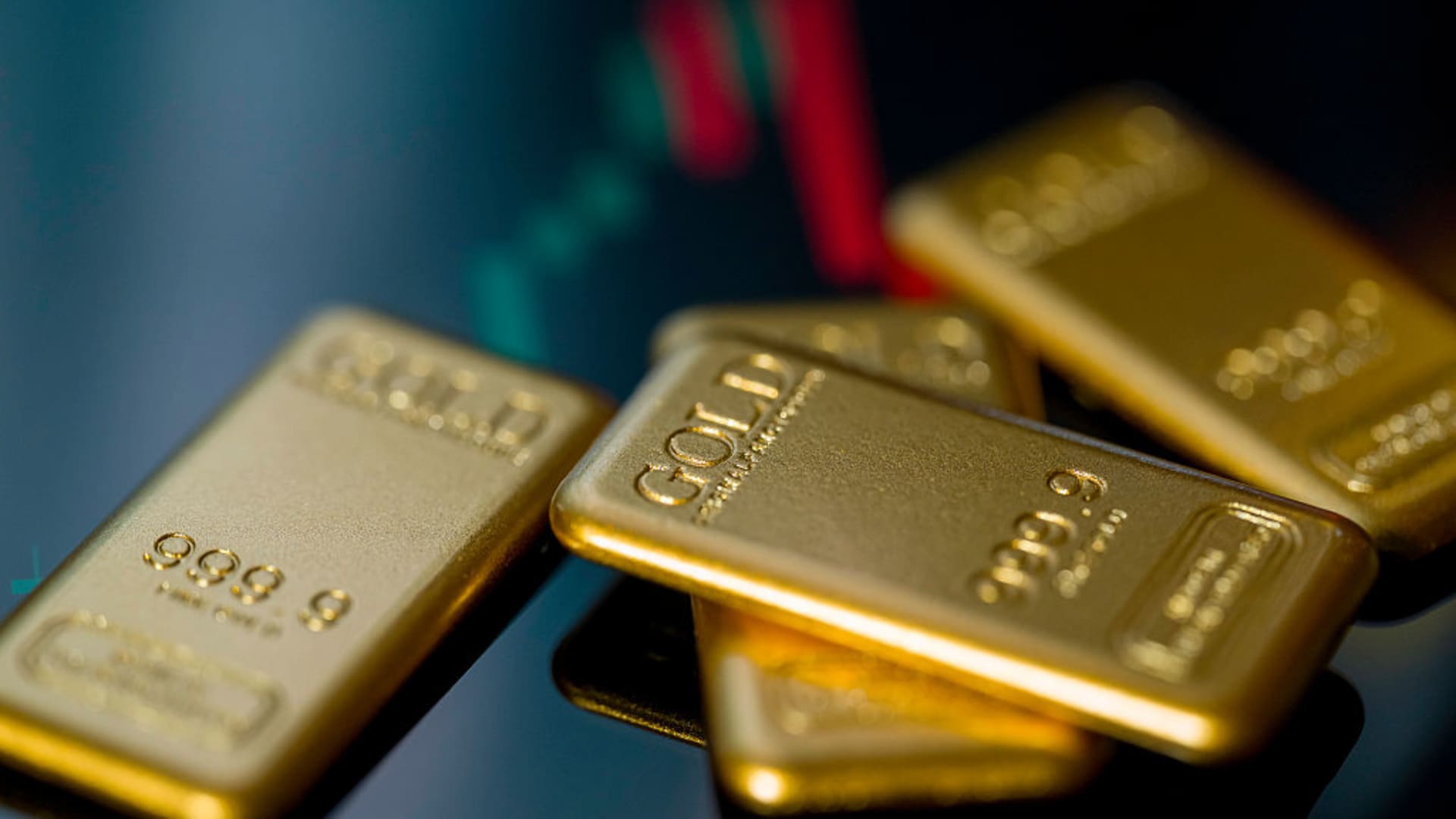
Gold futures have experienced a sharp decline, reaching a six-month low. Despite persistent inflation concerns, investors are seemingly moving away from the precious metal, driven by evolving expectations around Federal Reserve monetary policy. This shift represents a notable departure from gold’s traditional role as an inflation hedge.
💰 Financial Strategy & Market Insights
- Fed Policy Pivot. Growing expectations of potential Federal Reserve interest rate hikes, or at least a prolonged period of steady rates, are diminishing the appeal of non-yielding assets like gold.
- Inflation Hedge Weakens. While inflation remains a concern, the market’s focus has shifted towards the Fed’s response, leading investors to re-evaluate gold’s effectiveness as a hedge.
- Technical Breakdowns. Key technical indicators for gold have turned bearish, signaling further potential downside according to market analysts.
August gold futures recently touched $4,046.20, their lowest point since November, marking a significant 6.3% drop for the week alone. This downturn comes as inflation, spurred by factors like the ongoing conflict in the Middle East and surging energy prices, continues to be a prominent market theme. U.S. consumer inflation saw its fastest pace in three years in May, primarily driven by energy-related products. Concurrently, a stronger-than-expected jobs report has fueled speculation that the Federal Reserve may need to adjust its monetary stance.
The Federal Reserve’s upcoming meeting is widely expected to result in the benchmark lending rate remaining steady within the 3.50% to 3.75% range. However, sentiment among traders has shifted considerably. According to CME Group’s FedWatch tool, there is now a 67% probability of a Fed rate hike by December. Such a move would make dollar-denominated assets, including Treasury securities, more attractive relative to gold.
From a technical perspective, gold’s outlook appears challenging. The precious metal has broken below its 200-day moving average, a significant bearish signal that hasn’t occurred since September 2023. Analysts at Citigroup, while cautious on the near-term trajectory due to factors like higher energy costs from geopolitical tensions, maintain a more optimistic long-term view, anticipating a rebound when geopolitical situations deescalate.
- Higher interest rates tend to reduce the attractiveness of gold as it does not pay interest or dividends.
- Geopolitical instability has historically driven demand for gold, but this effect appears to be overshadowed by monetary policy concerns in the current environment.
- Outflows from gold exchange-traded funds (ETFs) and a reduction in futures positioning by both retail and institutional investors indicate a broader retreat from the ‘debasement trade’.
JPMorgan offers a more bearish assessment, pointing to the retreat from the ‘debasement trade’ as evidence that investors are moving away from the belief in a continuous depreciation of the U.S. dollar. This sentiment is further supported by outflows from gold ETFs and weaker futures positioning, linked to concerns over government debt, inflation, and geopolitical risks.
Gold’s Tumbling Momentum: What’s Next?
The current market dynamics suggest that gold is facing headwinds from multiple fronts. While inflation provides a fundamental reason for its appeal, the prospect of tighter monetary policy is significantly dampening its allure. Technical indicators are reinforcing this bearish sentiment, suggesting that further price erosion is possible in the short term.
- Upside Potential: A significant escalation of geopolitical tensions or a sudden, unexpected dovish turn from the Federal Reserve could trigger a rapid rebound.
- Downside Risks: Continued strength in the U.S. dollar, persistent positive economic data, and a clear commitment from the Fed to combat inflation could lead to further price declines for gold.
The sensitivity of gold to real interest rates is a critical factor in its valuation. When real rates rise due to expected inflation being higher than nominal rates or due to actual rate hikes, the opportunity cost of holding gold increases, making it less attractive. This phenomenon is currently at play, overriding traditional inflation hedging narratives.
Gold Asset Liquidity Analysis
The liquidity of gold, while generally robust, is showing signs of strain as major market participants reallocate capital. The reported outflows from gold ETFs and reduced positioning in futures markets by both retail and institutional investors underscore a decrease in active demand and a shift towards more liquid, interest-bearing assets. This suggests a temporary but significant reduction in market liquidity for gold as traders move to positions that benefit from a higher-rate environment.
The Ripple Effect of Gold’s Decline on Inflation Narratives
The recent slump in gold prices, occurring even as inflation fears persist, presents a fascinating divergence in market expectations. It highlights the increasing dominance of central bank policy in asset pricing over traditional inflation hedges. This trend could signal a broader recalibration of how investors perceive and manage inflation risk in the current economic landscape.
- The decline suggests a market consensus is forming around the Federal Reserve’s ability to manage inflation through rate adjustments.
- Investors are prioritizing assets that offer yield in a potentially higher-rate environment, rather than solely relying on gold for protection.
- This development might influence future investment strategies, with a greater emphasis on interest-rate sensitive instruments.
📊 StockXpo Analyst’s View
Market Impact: The current bearish sentiment around gold significantly impacts investor sentiment, signaling a potential rotation out of safe-haven assets and into yield-generating instruments. This shift could lead to reduced market liquidity in precious metals and a corresponding increase in demand for fixed-income securities.
Sector To Watch: Financial sector stocks, particularly those involved in asset management and fixed-income trading, are likely to benefit from this capital reallocation. Conversely, mining companies may face increased pressure if the downtrend in gold prices persists.
Financial Disclaimer:
StockXpo.com is a financial news aggregator and educational portal, not a registered investment advisor or broker-dealer. All information, news, and analysis provided herein are strictly for educational purposes and do not constitute investment, financial, legal, or tax advice. Investing in the stock market involves high risks, and past performance is not indicative of future results. StockXpo will not be liable for any financial losses or investment damages. Always consult a certified financial advisor before making market decisions.
MORE IN INSIDE FINANCE

Fixed Income: JPMorgan Calls it a Once-in-a-Generation Opportunity Amid Market Shifts
Published: Saturday, October 10, 2026 · 12:03 PM

Crypto Derivatives Trading: Blockchain.com’s Bold Move into U.S. Markets
Published: Friday, October 9, 2026 · 8:23 AM