
Published: Wednesday, August 5, 2026 · 3:55 PM | Updated: Thursday, August 6, 2026 · 9:33 AM
📊 96 views




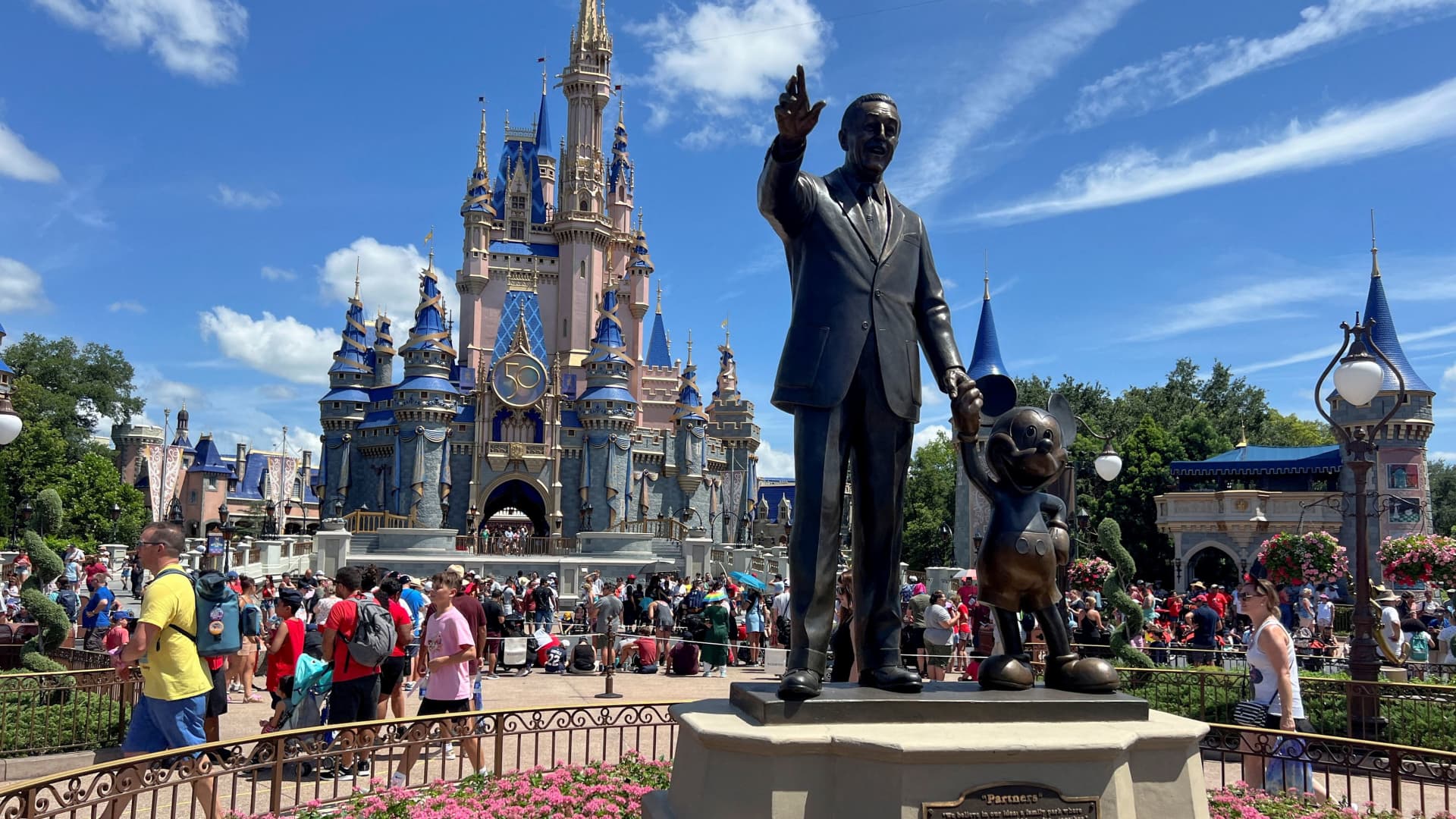
The global tourism landscape is experiencing an unexpected shift, leaving many leisure operators struggling to maintain momentum amid shifting consumer habits. However, Disney parks are successfully navigating this challenging climate, posting a record-breaking performance that highlights the resiliency of their experiential ecosystem. This divergence underscores the power of direct-to-consumer loyalty and adaptive promotions in a highly competitive entertainment sector.
🗝️ Corporate Strategy Insights
- Experiential Resilience. The experiences division achieved nearly $10 billion in quarterly revenue, marking six consecutive quarters of record performance despite broader domestic travel concerns.
- Surgical Promotional Tactics. Target marketing, including the Cool Kids Summer campaign and localized regional discounts, drove a 3% increase in domestic park attendance.
- Fleet Expansion Impact. A 50% capacity boost in staterooms through new cruise liners drove a 17% revenue spike in the resorts and vacations segment.
While the broader hospitality sector contends with inflationary pressures and an overall 6% decline in international visitors to the United States, Disney has managed to carve out an oasis of growth. The company reported a 10% year-over-year jump in revenue for its experiences segment, defying the macroeconomic headwinds that have weighed heavily on regional theme park competitors. According to financial details shared in reuters business reporting, Disney’s domestic park attendance rose by 3%, while guest spending climbed 4% during the same period, signaling deep customer engagement.
This performance contrasts sharply with rivals who have struggled with declining foot traffic and discounting pressures in tourism hubs like Orlando, Florida. Analyzing these micro-trends provides valuable educational insights into consumer behavior under financial stress. Disney’s success is largely attributed to highly localized promotions and targeted pricing strategies, such as offering free water park admission for hotel guests and deep discounts for California residents. These nimble initiatives created immediate consumer urgency, prompting families to prioritize visits rather than postpone them for future attraction launches.
- Revenue Acceleration: Experiences revenue reached $10 billion, driven by sustained domestic demand and cruise expansions.
- Market Divergence: Disney outperformed regional theme park peers through superior pricing power and creative packaging.
- Capacity Scaling: The introduction of two new cruise liners significantly elevated the segment's capacity ceiling.
The underlying dynamics of Disney's performance reveal a powerful cause-and-effect chain that demonstrates how targeted operational investments ripple through the wider enterprise:
Targeted Promotional Offers & Attraction Refreshes → Increased Guest Attendance and Per-Capita Spending → Elevated Segment Operating Income (+20%) → Free Cash Flow Generation for Enterprise Debt Reduction → Strengthened Long-Term Capital Reinvestment Capacity
By reinvesting capital directly into high-return physical assets, Disney not only defends its market share but actively steals wallet share from regional operators. This positive feedback loop cushions the parent company’s balance sheet against volatile shifts in linear television and streaming media valuations, proving that physical experiences remain a vital hedge in modern corporate portfolios.
'Disney's ability to drive positive operating leverage in a slowing macro environment demonstrates the immense pricing power of its brand ecosystem. While competitors discount to survive, Disney optimizes yields through strategic tiering.'
| Metric | Performance | Strategic Value |
|---|---|---|
| Experiences Division Revenue | $10 Billion (Up 10% YoY) | Underscores the defensive nature of Disney's experiential assets. |
| Experiences Operating Income | $3 Billion (Up 20% YoY) | Reflects strong pricing power and operational efficiency. |
| Domestic Guest Spending | Up 4% | Demonstrates higher yield per guest despite macro uncertainty. |
Disney Competitive Advantages
The moat surrounding the company's experiential business goes far beyond nostalgia. Underpinning the resilience of Disney parks is an unparalleled intellectual property engine that transforms on-screen media into physical consumer demand. This seamless integration allows the company to rapidly refresh existing rides, like the Muppets-themed Rock 'n' Roller Coaster, creating urgency for repeat visits without the multi-billion-dollar cost of constructing entirely new lands.
With the physical expansion of the Disney Cruise Line fleet—adding vessels like the Disney Destiny and Disney Adventure—the company increases stateroom capacity by 50%. This vertical integration captures consumer dollars across multiple touchpoints, from lodging and dining to retail and ocean travel, creating a closed-loop economy that competitor parks cannot easily replicate.
Disney Market Leadership
As investors look for stability in the broader stock markets, Disney’s ability to buck systemic travel declines solidifies its dominant industry position. While foreign visits to the U.S. declined significantly due to visa processing delays and geopolitical headwinds, Disney pivoted to domestic hyper-local markets to fill the gap. This strategic agility allowed the company to keep hotel occupancy and park throughput high, even as regional queues showed empty lines.
By leveraging sophisticated data analytics, management successfully predicted the softening of the leisure travel cycle and pre-emptively launched targeted promotions. Rather than engaging in margin-diluting price wars, the company focused on value-added enhancements, demonstrating a masterclass in modern company strategy during periods of economic transition.
How Disney Parks Are Rewriting the Tourism Playbook
Disney’s outstanding third-quarter results demonstrate that premium experiences remain highly prioritized in household budgets, even when consumers pull back on general retail spending. By combining aggressive regional marketing with capacity expansions, the company has successfully insulated itself from a broader travel slowdown. For the investment community, this segment remains the ultimate cash-flow anchor for the parent corporation.
- High Yield Strategy: Focus on increasing per-capita spending continues to pay off over raw volume metrics.
- Asset Diversification: Cruise fleet expansions provide a high-margin buffer against localized park disruptions.
- Resilient Consumer Demand: Premium brand equity shields Disney from competitive price-cutting cycles.
Will Disney's targeted promotions be enough to sustain this momentum if domestic economic indicators soften further in the coming year?
📊 StockXpo Analyst's View
Market Impact: Disney's robust earnings in its experiences division will likely stabilize institutional investor sentiment, which has been weighed down by uncertainties surrounding traditional media assets. As global travel trends show divergence, capital is expected to flow toward operators with strong pricing power and captive audiences, boosting liquidity in premium hospitality equities across global markets.
Sector To Watch: The broader leisure and theme park operators will be closely monitored to see if competitors can replicate Disney's high-yield promotional strategies, or if they will continue to suffer from attendance drops due to lack of fresh intellectual property reinvestments.
Financial Disclaimer: StockXpo.com is a financial news aggregator and educational portal, not a registered investment advisor or broker-dealer. All information, news, and analysis provided herein are strictly for educational purposes and do not constitute investment, financial, legal, or tax advice. Investing in the stock market involves high risks, and past performance is not indicative of future results. StockXpo will not be liable for any financial losses or investment damages. Always consult a certified financial advisor before making market decisions.
MORE IN INSIDE BUSINESS
Skydance Vertical Win: Ellison’s Bold Strategy for Media Dominance
Published: Thursday, October 8, 2026 · 12:44 PM
Used Car Prices Signal Market Shift: A Strategic Warning for Auto Dealers
Published: Wednesday, October 7, 2026 · 11:15 AM


