
Published: Thursday, October 8, 2026 · 6:41 AM | Updated: Thursday, October 8, 2026 · 6:41 AM
📊 15 views




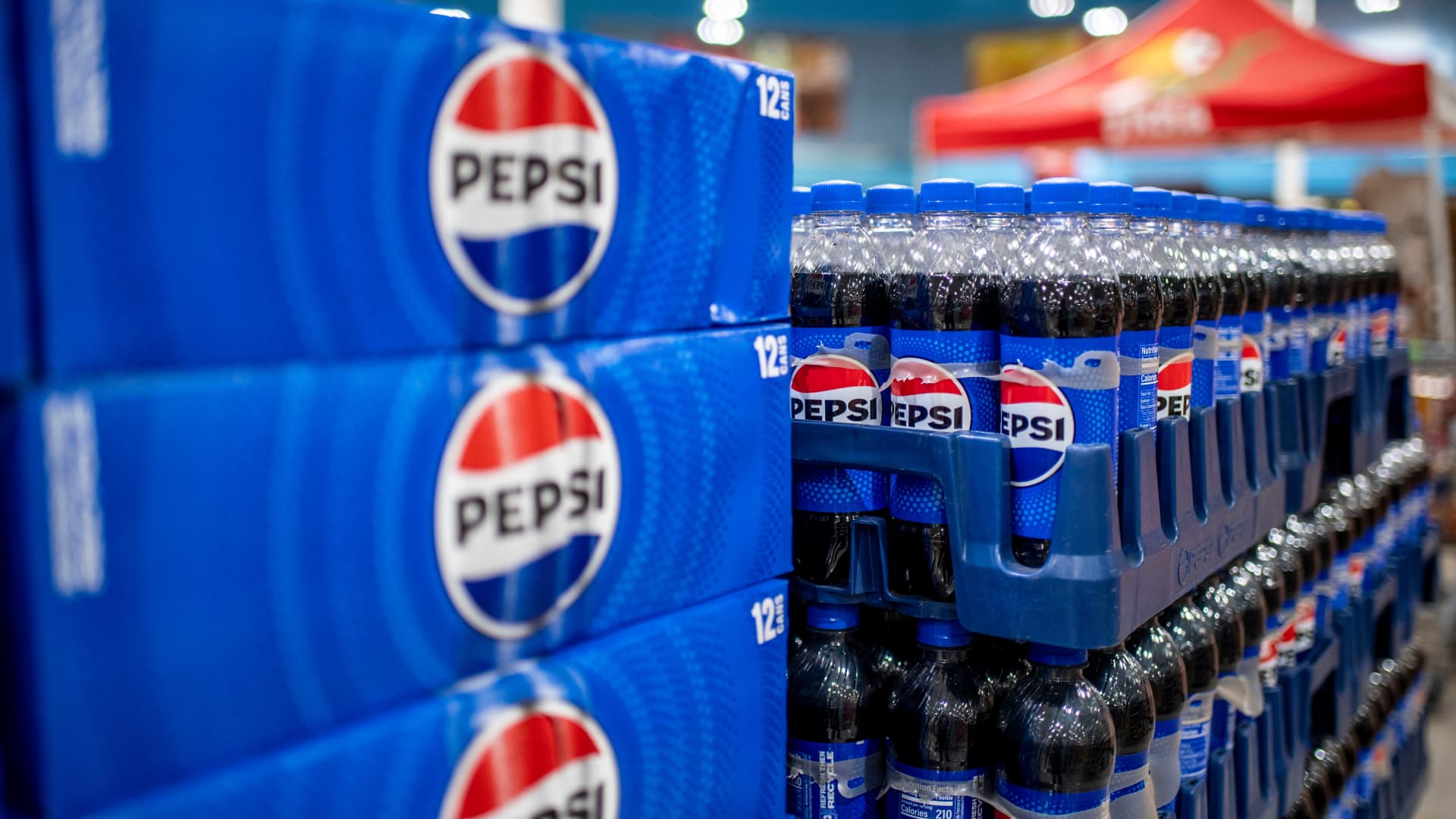
PepsiCo, the global food and beverage giant, recently delivered a mixed financial report, surpassing analyst expectations for quarterly earnings and revenue but concurrently lowering its full-year earnings guidance. This strategic adjustment stems primarily from persistent underperformance in its North American markets, signaling a longer-than-anticipated turnaround for its domestic segments. Investors are now closely scrutinizing the implications of this revised PepsiCo earnings forecast for long-term capital preservation and alpha generation.
💎 Strategic Investment & Portfolio Insights
- North American Lag Persists. Despite strong international growth, PepsiCo’s domestic beverage and food divisions continue to underperform, necessitating a recalibration of short-term growth expectations.
- Guidance Revision Impacts Valuation. The lowered full-year earnings per share (EPS) projection suggests potential near-term pressure on share price multiples, prompting a re-evaluation of its intrinsic value for defensive portfolios.
- International Markets as a Growth Driver. Robust performance in global segments, contributing 41% of net revenue, highlights the importance of geographical diversification in PepsiCo’s revenue streams, mitigating some domestic headwinds.
PepsiCo’s third-quarter results saw adjusted earnings per share climb to $2.34 against analyst expectations of $2.29, while revenue reached $25.27 billion, exceeding the $24.96 billion consensus, according to LSEG data. However, the positive Q3 performance was overshadowed by a significant downward revision to the full-year core EPS growth forecast, now projected at 2.5% to 3.5%, a notable decline from the previous 5% to 7% range. This recalibration primarily reflects the company’s struggles in its North American market, particularly within its beverage unit, which saw a 2% volume contraction, and a flat performance in its food division.
CEO Ramon Laguarta highlighted the “meaningful opportunity for improvement” in North America, acknowledging that the domestic turnaround is progressing slower than anticipated. Conversely, the international business units continued to be a bright spot, contributing 41% of net revenue and exhibiting volume growth across most regions. This divergence underscores a critical challenge for the multinational conglomerate: leveraging its global scale while addressing localized market dynamics. PepsiCo’s strategy to address these domestic issues involves a renewed focus on innovation, increased advertising and marketing spend, and cost reduction measures aimed at funding these investments.
Key operational takeaways from the report include:
- Organic Revenue Growth: Increased 3.1% for the quarter, excluding currency fluctuations and acquisitions/divestitures.
- Volume Performance: Beverages saw 3% growth globally, with foods growing 1%; North American beverages contracted 2%, North American foods were flat.
- Strategic Investments: Focus on simpler ingredients and functional benefits for snacks, alongside functional hydration and zero-sugar options for beverages.
The revised PepsiCo earnings forecast directly impacts how the stock is positioned within diversified portfolios. Historically considered a defensive, dividend-paying stalwart, PEP’s moderated growth outlook in its core North American market prompts a closer look at its potential for long-term alpha generation. The slower domestic recovery, coupled with increased investment in innovation and marketing, suggests a period of elevated operational expenditure before any significant inflection point in home market performance. For portfolios emphasizing stable income and capital preservation, PepsiCo remains a contender, yet its growth premium may be challenged by these recent developments. This could lead to a rebalancing toward other consumer staples with clearer growth trajectories or lower execution risk, influencing broader analyzing broader market trends.
As a CIO, I view PepsiCo’s revised guidance as a clear signal to reassess its growth component within defensive allocations. While the international story is compelling, the drag from North America means investors should expect more modest growth in the near term, balancing dividend income against capital appreciation potential.
To provide a clearer picture, here are the key financial metrics from PepsiCo’s latest report:
| Metric | Reported Q3 2026 | Analyst Expectations | Significance |
|---|---|---|---|
| Adjusted EPS | $2.34 | $2.29 | Beat expectations, but future outlook is conservative. |
| Revenue | $25.27 Billion | $24.96 Billion | Strong top-line driven by international markets. |
| Full-Year Core EPS Growth Forecast | 2.5% – 3.5% | 5% – 7% (Previous) | Significant reduction signals domestic challenges. |
| Full-Year Net Revenue Growth Forecast | ~6% | 4% – 6% (Previous) | Revenue guidance slightly raised, indicating pricing power. |
PepsiCo Risk-Reward Matrix: Navigating Uncertainty
The current environment presents a nuanced risk-reward profile for PepsiCo. On the upside, the company’s robust international footprint continues to deliver consistent growth, providing a substantial hedge against domestic softness. Strategic investments in innovation, particularly in functional hydration and healthier snack options, could eventually revitalize North American performance. Additionally, the ability to raise revenue guidance, even while cutting EPS, points to effective pricing power and demand elasticity. However, significant risks remain. The protracted turnaround in North America, particularly against a backdrop of increasing competition and evolving consumer preferences, poses a considerable drag on overall profitability. Execution risk associated with new product launches and marketing initiatives could delay the desired impact, while cost reduction efforts need to be carefully managed to avoid impacting product quality or brand perception. Investors must weigh the stability of its dividend yield against the uncertainty of its future growth trajectory.
PepsiCo Competitive Benchmarking: Outmaneuvering Rivals
PepsiCo operates in a highly competitive global market, notably vying with Coca-Cola in beverages and a fragmented landscape of food and snack producers. While Coca-Cola has shown more consistent growth in its carbonated soft drink portfolio, PepsiCo’s diversified portfolio, encompassing both beverages and convenient foods, offers a broader revenue base. This diversification historically provided stability, but the current North American lag highlights a vulnerability when a core market underperforms across multiple categories. Competitors are actively innovating in healthier segments and non-alcoholic options, pushing PepsiCo to accelerate its own efforts. For instance, PepsiCo’s carbonated soft drink portfolio lagged the overall category, including rival Coca-Cola, suggesting that its brand strength is being tested. Effective execution of its innovation strategy in areas like zero-sugar drinks and functional hydration, coupled with aggressive marketing, will be crucial for PepsiCo to maintain its competitive edge and regain market share in its challenging home market. Monitoring these dynamics is key for long-term investment strategies and understanding major business news outlets often detail these competitive shifts.
PepsiCo’s North American Challenge: A Crossroads for Growth?
PepsiCo’s latest PepsiCo earnings forecast adjustment reveals a critical juncture for the consumer giant: the imperative to reignite growth in its historically dominant North American market while leveraging its thriving international business. The company’s ability to execute its announced turnaround strategies – focusing on innovation, marketing, and efficiency – will be paramount for its future valuation and standing among its peers. The current period demands patience from investors, as the promised benefits may not materialize immediately.
- The immediate impact is a dampening of short-term growth expectations for a traditionally stable stock.
- The strategic pivot towards specific product innovations and cost management in North America will dictate long-term success.
- International markets remain a crucial de-risking factor, providing a foundation for consistent, albeit potentially lower, overall growth.
Can PepsiCo effectively recalibrate its North American strategy to sustain alpha generation in an evolving consumer landscape?
### 📊 StockXpo Analyst’s View
Market Impact: The lowered full-year earnings guidance from a consumer staples bellwether like PepsiCo could introduce a degree of caution into broader market sentiment, particularly for defensive sectors. While the immediate share price reaction was modest, sustained underperformance in key regions can pressure valuation multiples across the peer group, prompting investors to explore market insights for similar vulnerability. This news might also shift liquidity towards sectors with clearer growth catalysts, as capital seeks higher returns.
Sector To Watch: The consumer staples sector, particularly companies with significant exposure to developed markets, will be under heightened scrutiny. Investors will be seeking signs of resilient demand, effective pricing power, and successful innovation against inflationary pressures and changing consumer habits. Companies demonstrating robust international growth that can effectively offset domestic weakness, or those with highly differentiated product portfolios, may fare better than diversified conglomerates struggling with regional disparities, warranting attention to global market developments.
Financial Disclaimer:
StockXpo.com is a financial news aggregator and educational portal, not a registered investment advisor or broker-dealer. All information, news, and analysis provided herein are strictly for educational purposes and do not constitute investment, financial, legal, or tax advice. Investing in the stock market involves high risks, and past performance is not indicative of future results. StockXpo will not be liable for any financial losses or investment damages. Always consult a certified financial advisor before making market decisions.
MORE IN INSIDE INVESTMENT NEWS

Third-Quarter Earnings Season: Alpha Opportunities Emerge as S&P 500 Profits Boom
Published: Wednesday, October 7, 2026 · 3:18 PM
Wells Fargo Upgrade: A Clear Path to Higher Returns and Alpha
Published: Monday, October 5, 2026 · 2:21 PM


