
Published: Wednesday, October 7, 2026 · 11:15 AM | Updated: Wednesday, October 7, 2026 · 11:15 AM
📊 11 views




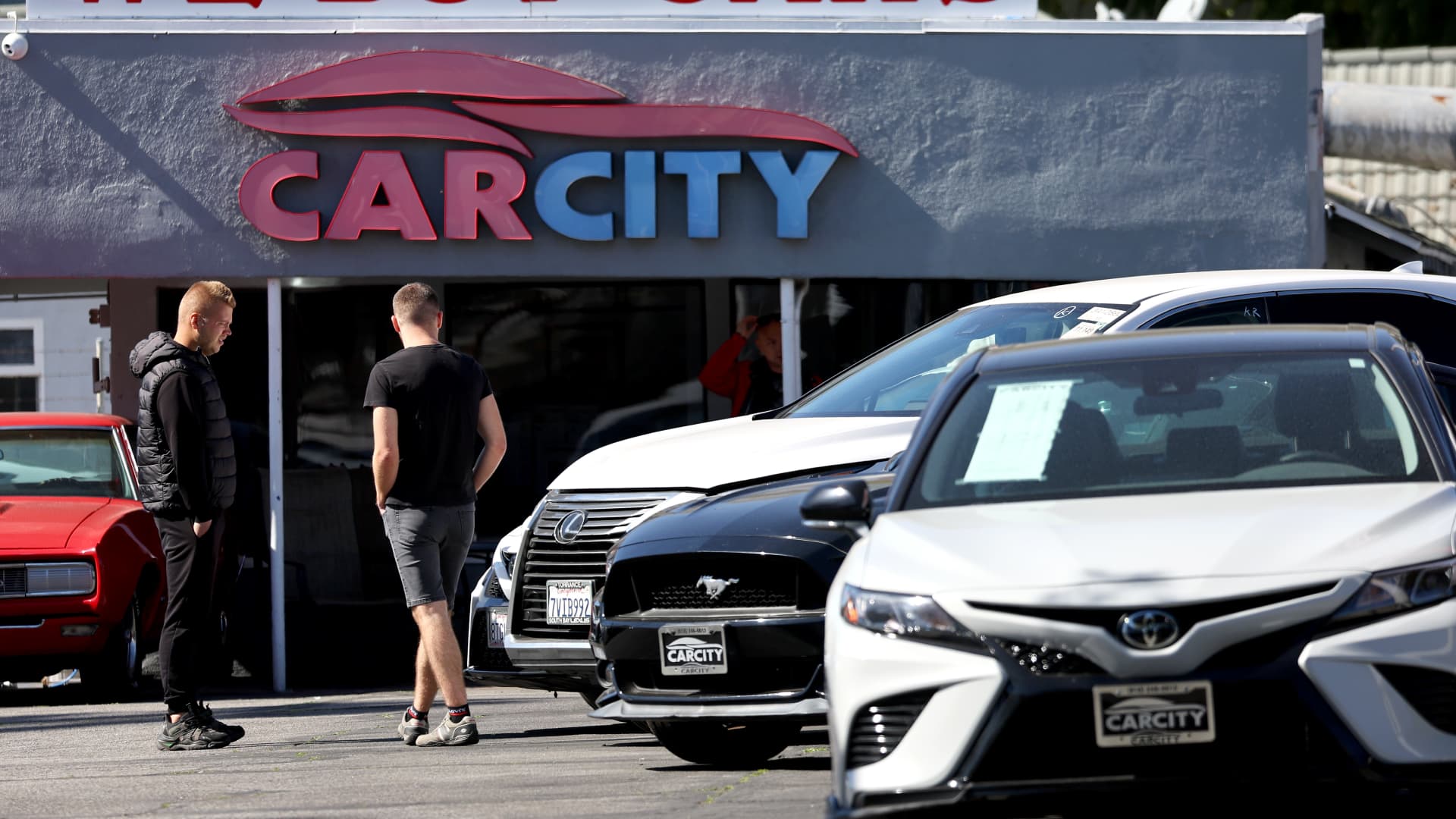
The used vehicle market is experiencing a notable downturn, with used car prices falling more sharply than anticipated in Q3. This shift, driven by persistent inflation and elevated fuel costs, signals a critical recalibration of consumer priorities and presents strategic challenges for dealerships and auto manufacturers alike.
🗝️ Corporate Strategy Insights
- Accelerated Price Decline. The Manheim Used Vehicle Value Index plummeted by 1.95% from July to September, significantly outpacing earlier forecasts and indicating a rapid weakening of pricing power for used vehicle retailers.
- Strategic Shift to Fuel Efficiency. Soaring gas prices are fundamentally reshaping consumer demand, driving increased interest and elevating values for electric vehicles (EVs) and smaller, fuel-efficient models, while larger trucks and SUVs face declining performance.
- Market Normalization Amidst Volatility. Key market metrics are converging towards pre-pandemic levels, yet the transition is turbulent, exacerbated by rising interest rates, declining consumer sentiment, and ongoing geopolitical instability impacting global fuel markets.
DETROIT—New data from Cox Automotive reveals a significant downward revision in the forecast for used vehicle prices, projecting only a 0.2% increase for the year, a stark contrast to the previously anticipated 2% rise. This adjustment follows a substantial 1.95% decline in the Manheim Used Vehicle Value Index during the third quarter, with September marking a 0.6% year-over-year drop—the first such decline since March 2025. According to Cox Automotive’s chief economist, Jeremy Robb, the convergence of rising interest rates, falling consumer sentiment, and persistently high fuel prices is pushing the market back towards pre-pandemic norms, albeit through a tumultuous period. Historically, the Manheim index has seen an average year-over-year gain of approximately 2.3%.
Wholesale used-vehicle prices non-adjusted fell 1.2% year over year in September and 1.3% from August, accelerating the depreciation trend observed in Q3. This wholesale movement typically foreshadows retail price adjustments, indicating that consumers should anticipate further reductions at the dealership level. The underlying cause is largely attributed to elevated gas prices, which hit a national average of $4.33 per gallon in September—50 cents higher than the previous September record in 2023, according to AAA.
This economic pressure has catalyzed a notable shift in demand dynamics within the used vehicle sector:
- Demand for electric vehicles and other fuel-efficient cars has seen a marked increase, supporting their values even as the broader market declines.
- Conversely, larger trucks and SUVs are experiencing poor performance, reflecting consumer sensitivity to operating costs.
Despite these pricing shifts, retail demand for used vehicles remains relatively healthy, as the average listed price of $27,239 in August positions them as a far more affordable alternative to new vehicles, which average over $50,000. However, dealers are reportedly hitting a ceiling on what they can charge consumers, suggesting that market forces are reasserting themselves.
Why Fuel Efficiency is Redefining Used Vehicle Market Dynamics
The pronounced divergence in valuation between fuel-efficient vehicles and their larger, less economical counterparts underscores a fundamental reordering of consumer priorities. High gas prices are acting as a powerful incentive for buyers to prioritize lower running costs, making EVs and compact cars more attractive. This trend is not merely cyclical; it reflects a potentially permanent shift in preferences, amplified by increasing awareness of environmental concerns and the expanding availability of electric models. For businesses operating in this space, ignoring this shift could prove detrimental to corporate growth strategies, requiring strategic adjustments to inventory, marketing, and acquisition efforts.
Used Vehicle Market Competitive Advantages in a Volatile Economy
In a market grappling with macroeconomic headwinds, the affordability of used vehicles continues to be their most significant competitive advantage. For the majority of U.S. consumers, new car prices are simply out of reach, making the used market a necessity. Dealers who can efficiently source, recondition, and price fuel-efficient used vehicles are poised to capture market share. This demands operational efficiency in inventory management and a keen understanding of evolving consumer segments. Companies that adapt quickly to these market dynamics will find a robust opportunity for sustainable growth, even amidst broader market volatility, by offering value where consumers need it most, as noted in recent market reports.
“The market is signaling that consumers have reached a pricing ceiling for used vehicles. While demand remains, the willingness to pay inflated prices has diminished, forcing a recalibration for dealers across the board,” a market analyst stated, reflecting on the current financial intelligence.
Key Market Indicators:
- Manheim Used Vehicle Value Index Forecast: Revised from +2% to +0.2% for the year, indicating significantly slower growth.
- Q3 Index Decline (July-September): -1.95%, reflecting accelerated depreciation.
- September Year-over-Year Index: -0.6%, the first annual decline since March 2025.
- Wholesale Price Depreciation: -1.2% year-over-year and -1.3% month-over-month in September, signaling immediate pressure on dealer acquisition costs.
- National Average Gas Price (September): $4.33/gallon, 50 cents higher than the previous record, directly influencing fuel-efficient vehicle demand.
- Average Used Vehicle Listed Price: $27,239 in August, still significantly below new vehicle prices ($50,000+), reinforcing affordability as a key driver.
These metrics collectively highlight a market under pressure, where external economic factors are directly impacting asset valuations and consumer behavior, making transparent investment analysis crucial for navigating broader stock markets.
The Shifting Landscape of Used Car Prices: What’s Next?
Used car prices are at a critical juncture, influenced by macroeconomic pressures and evolving consumer preferences for efficiency and affordability. The industry is witnessing a clear bifurcation, with robust demand for smaller, fuel-efficient models offsetting declines in larger vehicle segments. Dealers and manufacturers must strategically pivot to align their offerings with these enduring shifts.
- The continued rise in interest rates will likely further dampen overall consumer purchasing power, potentially prolonging the decline in used vehicle valuations.
- OEMs and dealerships must prioritize inventory management, focusing on faster turnover of high-demand, fuel-efficient models and careful pricing of less popular segments.
- The growing EV adoption in the used market indicates a long-term trend that requires significant strategic planning for servicing, parts, and pricing structures.
How will auto dealers adapt their sourcing and pricing strategies to thrive in this new, bifurcated market?
📊 StockXpo Analyst’s View
Market Impact: The persistent decline in used car prices, especially for larger vehicles, coupled with rising interest rates, signals a challenging period for auto lenders and traditional dealerships heavily invested in internal combustion engine (ICE) SUV and truck inventories. This dynamic could pressure profit margins and increase inventory holding costs, making swift inventory turns essential for sustained financial health. Investors should closely monitor automotive retail and lending sectors for potential earnings revisions.
Sector To Watch: The accelerated demand for fuel-efficient vehicles and EVs within the used market points to strong tailwinds for companies involved in EV battery technology, charging infrastructure, and smaller, economical vehicle manufacturing. Additionally, innovative financing solutions for these burgeoning segments will be key. For further educational insights, exploring our market insights can provide valuable context.
Financial Disclaimer:
StockXpo.com is a financial news aggregator and educational portal, not a registered investment advisor or broker-dealer. All information, news, and analysis provided herein are strictly for educational purposes and do not constitute investment, financial, legal, or tax advice. Investing in the stock market involves high risks, and past performance is not indicative of future results. StockXpo will not be liable for any financial losses or investment damages. Always consult a certified financial advisor before making market decisions.
MORE IN INSIDE BUSINESS

Paramount WBD Takeover: A Strategic Success Reshaping Media
Published: Tuesday, October 6, 2026 · 7:35 AM
Airline Profits Challenge: Why Rising Airfare Won’t Boost Bottom Lines
Published: Monday, October 5, 2026 · 7:48 AM
