Published: Thursday, October 8, 2026 · 6:10 AM | Updated: Thursday, October 8, 2026 · 6:10 AM
📊 12 views




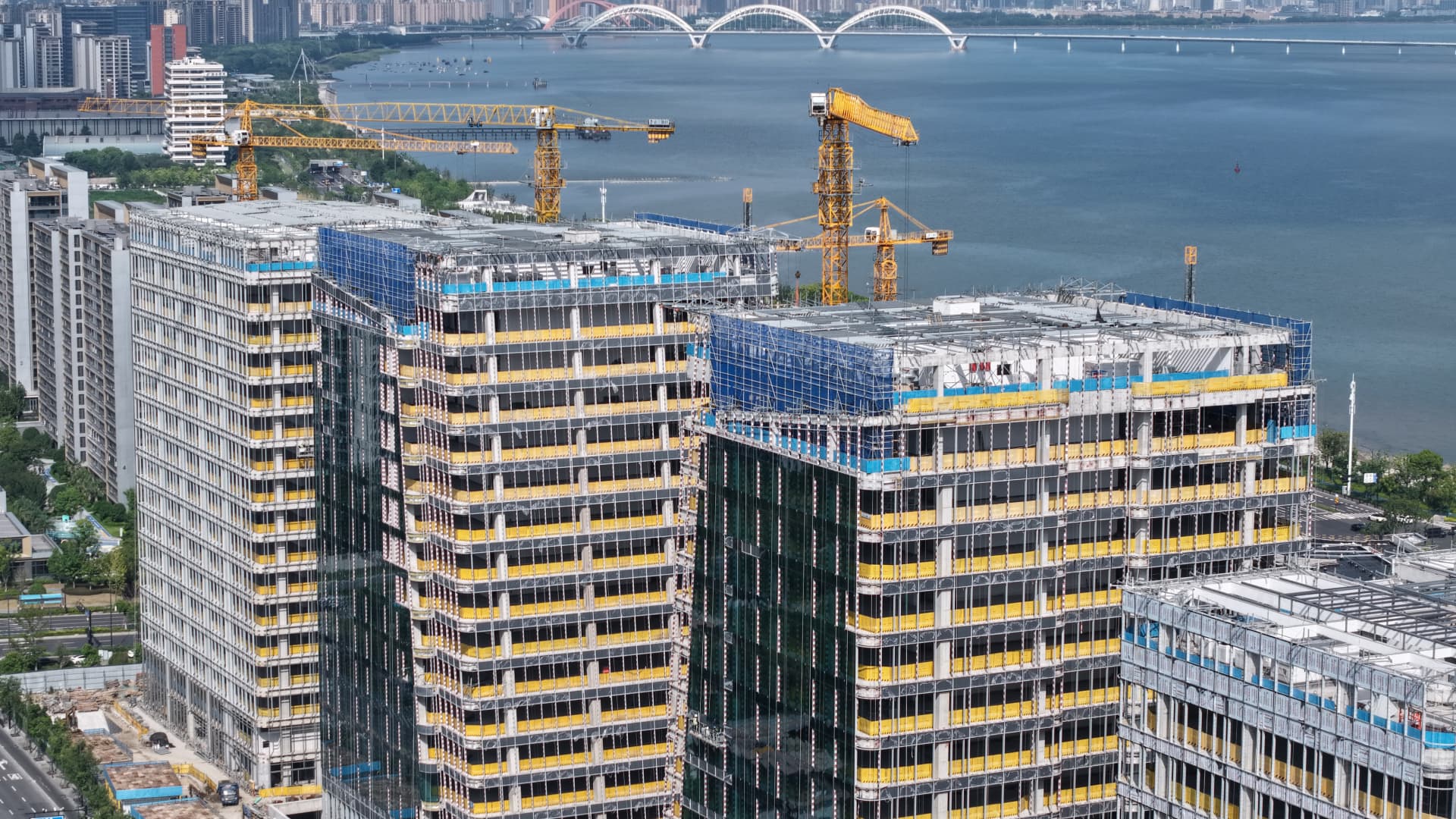
After years of contraction, China’s real estate market is showing crucial signs of stabilization, with S&P Global Ratings projecting a price bottom by Q3 2028. This shift marks a significant pivot, driven by targeted government interventions aimed at correcting severe oversupply and deleveraging developer debt. Investors are now closely scrutinizing asset valuation and capital shifts within this critical sector.
💰 Financial Strategy & Market Insights
- Policy-Driven Rebound. Recent government restrictions on unfinished property sales and mortgage subsidies are the primary catalysts for the market’s anticipated stabilization, shifting developer incentives.
- Supply Reduction Critical. Analysts from S&P Global Ratings highlight that the continuous reduction of housing supply over the next one to two years is paramount to price stabilization, addressing years of inventory overhang.
- Tier-One City Outperformance. Major urban centers like Beijing and Shanghai are demonstrating earlier signs of recovery, with some existing home prices stabilizing or even rising, signaling a potential two-speed market rebound.
For years, the downturn in China’s real estate market has cast a long shadow over the nation’s economic outlook, with developers like Evergrande facing immense debt pressures exacerbated by a reliance on pre-sales and subsequent project delays. However, a recent report from S&P Global Ratings suggests that the market may be nearing a crucial turning point, with residential property prices in major cities like Beijing and Shanghai potentially recovering as early as next year and a national bottom expected by the third quarter of 2028. This contrasts sharply with earlier, more pessimistic forecasts from February by S&P, which had deemed a recovery “out of reach.”
The shift in outlook is largely attributed to two critical government policy interventions initiated in August and September. Beijing’s new restrictions on developers’ ability to sell unfinished properties aim to curb speculative practices and improve project completion rates, directly addressing consumer confidence issues. This was quickly followed by Premier Li Qiang’s announcement of broader policies to stabilize the sector, including a mortgage rate subsidy for first-time homebuyers purchasing units below 1.5 million yuan and smaller than 120 square meters. These measures are designed to both reduce future supply and stimulate targeted demand, crucial elements for market rebalancing.
- Tighter Regulations on Pre-Sales: New rules prevent developers from selling unfinished properties, compelling greater financial prudence and project completion certainty.
- Mortgage Subsidies: Direct financial incentives for first-time buyers in specific segments to boost demand and support market entry.
- Focus on Deleveraging: A broader governmental push to reduce corporate debt within the property sector, critical for long-term stability and to prevent systemic risk.
Edward Chan, a credit analyst at S&P Global Ratings, emphasized in an interview with CNBC that developers are now exercising significantly more caution in land acquisition, leading to fewer new projects. This voluntary supply contraction is seen as the primary driver for stabilizing home prices over the next one to two years, following 2026 being the first year of meaningful inventory destocking after a multi-year slump. The scale of the oversupply was stark; Nomura estimated in 2023 that unfinished, pre-sold homes in China were approximately 20 times the size of Country Garden’s portfolio as of late 2022. For more granular insights into market analysis, explore StockXpo’s comprehensive market analysis.
The resilience of major “tier-one” cities is particularly noteworthy. Hao Zhou, Chief Economist at Guotai Junan International, predicted a potential return to growth in existing home prices for these cities by Q4 this year. Data since March reveals that tier-one cities are more consistently reporting flat or rising prices compared to smaller counterparts. Beijing saw a 1.4% rise from its January low, while Shanghai’s year-on-year decline in existing home prices has narrowed. Hangzhou, a tech hub, registered a record high in its new home sales index, with prices only 14.2% below their peak. This geographic disparity highlights the nuanced nature of the recovery, with stronger economic centers likely leading the charge. Investors looking for deeper financial sector understanding can find more insights on the financial sector.
- Upside:
- Stabilized Asset Values: A successful market bottoming and recovery could restore confidence in property as a key asset class, particularly in tier-one cities.
- Economic Rebalancing: A healthier property sector reduces systemic financial risk and allows capital to flow more efficiently into productive segments of the economy.
- Investor Confidence: A clear turnaround could attract both domestic and international investors back into Chinese real estate and related equities.
- Downside Risks:
- Demand Sustainability: Morgan Stanley equity analyst Stephen Cheung warns that mortgage subsidies may only pull forward planned purchases rather than generate substantial new demand, raising questions about long-term sustainability.
- Developer Solvency: Despite policy support, deeply indebted developers still face significant challenges, and potential defaults could trigger further market instability.
- Policy Execution & Effectiveness: The ultimate success hinges on consistent and effective policy implementation, which can be challenging in a vast and complex market.
The deleveraging process, as seen in China’s property sector, is a critical phase where highly indebted companies reduce their financial leverage. This often involves asset sales, debt restructuring, or equity issuance to improve solvency and reduce risk, ultimately stabilizing market conditions but potentially hindering short-term growth.
| Metric | China (2021 Peak) | Japan (1991 Peak) | U.S. (Financial Crisis) |
|---|---|---|---|
| Residential Price Drop | 22% | 67% | 26% |
| Tier-1 Existing Home Prices (Beijing) | +1.4% from Jan low | N/A | N/A |
| Tier-1 New Home Sales Index (Hangzhou) | Record High | N/A | N/A |
| New Home Prices Below Peak (Hangzhou) | 14.2% | N/A | N/A |
| Existing Home Sales Growth (25 cities, Oct 1-6) | +50% YoY | N/A | N/A |
| Existing Home Sales Growth (Sept) | +20% YoY | N/A | N/A |
Decoding China Property Market Liquidity Analysis
The liquidity profile of China’s real estate market has been profoundly impacted by both developer distress and buyer hesitancy. Historically, pre-sales fueled a robust cash flow for developers, but regulatory crackdowns on this model have significantly tightened access to capital. The current market dynamics suggest a bifurcated liquidity scenario: tier-one cities benefit from stronger underlying economic fundamentals and a wealthier buyer base, exhibiting healthier transaction volumes and price stability. Conversely, smaller cities grapple with lingering inventory overhangs and weaker demand, leading to continued illiquidity for both developers and homeowners. Government intervention, particularly the mortgage subsidies, seeks to inject targeted liquidity into the demand side, but its long-term efficacy without broader structural reforms remains a key question for financial strategists monitoring capital shifts.
Chinese Real Estate Historical Benchmarking: Lessons from Global Crises
S&P Global Ratings provided a crucial historical comparison, benchmarking China’s property slump against past housing crises in Japan, the U.S., and Spain. China’s residential prices have declined 22% from their 2021 peak, a significant drop but less severe than Japan’s 67% plunge post-1991 bubble, which followed a far greater initial run-up. The U.S. financial crisis saw a 26% drop in residential prices. Notably, China’s supply contraction efforts are described as “much earlier and with greater magnitude” than Japan’s, suggesting a more proactive, albeit painful, adjustment. This historical context underscores the severity of China’s current situation while also highlighting the potential for a more controlled recovery path compared to the protracted struggles observed in other major economies. For educational financial insights, visit StockXpo’s blog. A deeper dive into global market trends can be found on Bloomberg Markets.
The Ripple Effect of China’s Real Estate Market on 2026 Markets
The anticipated turnaround in China’s real estate market signifies more than just property price stabilization; it represents a critical inflection point for the broader Chinese economy and global investment sentiment. While challenges persist, particularly regarding demand sustainability and developer solvency, the government’s decisive policy actions are creating a clearer path toward rebalancing.
- The targeted policy interventions are beginning to yield tangible results, particularly in tier-one cities.
- Supply reduction remains the most critical factor for sustained price recovery and market health.
- The path ahead involves ongoing risk management and careful monitoring of demand elasticity against policy impacts.
Can China navigate this complex recovery to re-establish investor confidence and prevent future boom-bust cycles?
📊 StockXpo Analyst’s View
Market Impact: The early signals of recovery in China’s real estate sector could inject much-needed stability into global markets, particularly for commodities and companies with exposure to Chinese demand. A stabilized property market reduces systemic risk, potentially freeing up capital that has been constrained by debt concerns. However, the recovery’s speed and breadth remain critical for investor sentiment and will dictate broader capital shifts, particularly towards riskier assets if confidence solidifies.
Sector To Watch: Construction materials, home furnishing, and financial services with significant exposure to property loans are immediate sectors to monitor. Furthermore, infrastructure development firms could see renewed opportunities as the government continues to invest in projects that complement urban development. Investors should also eye technology companies in tier-one cities like Hangzhou, which benefit from renewed urban prosperity. More analysis on global finance is available via Reuters Finance.
Financial Disclaimer:
StockXpo.com is a financial news aggregator and educational portal, not a registered investment advisor or broker-dealer. All information, news, and analysis provided herein are strictly for educational purposes and do not constitute investment, financial, legal, or tax advice. Investing in the stock market involves high risks, and past performance is not indicative of future results. StockXpo will not be liable for any financial losses or investment damages. Always consult a certified financial advisor before making market decisions.
MORE IN INSIDE FINANCE

Fed Rate Hike Looms: What Fed Minutes Signal for Asset Valuation Shifts
Published: Wednesday, October 7, 2026 · 2:47 PM

Diesel Prices: Goldman Sachs Predicts Sustained Highs Through 2027 Amid Refinery Volatility
Published: Tuesday, October 6, 2026 · 6:03 AM