Published: Friday, October 9, 2026 · 12:48 AM | Updated: Friday, October 9, 2026 · 12:48 AM
📊 8 views




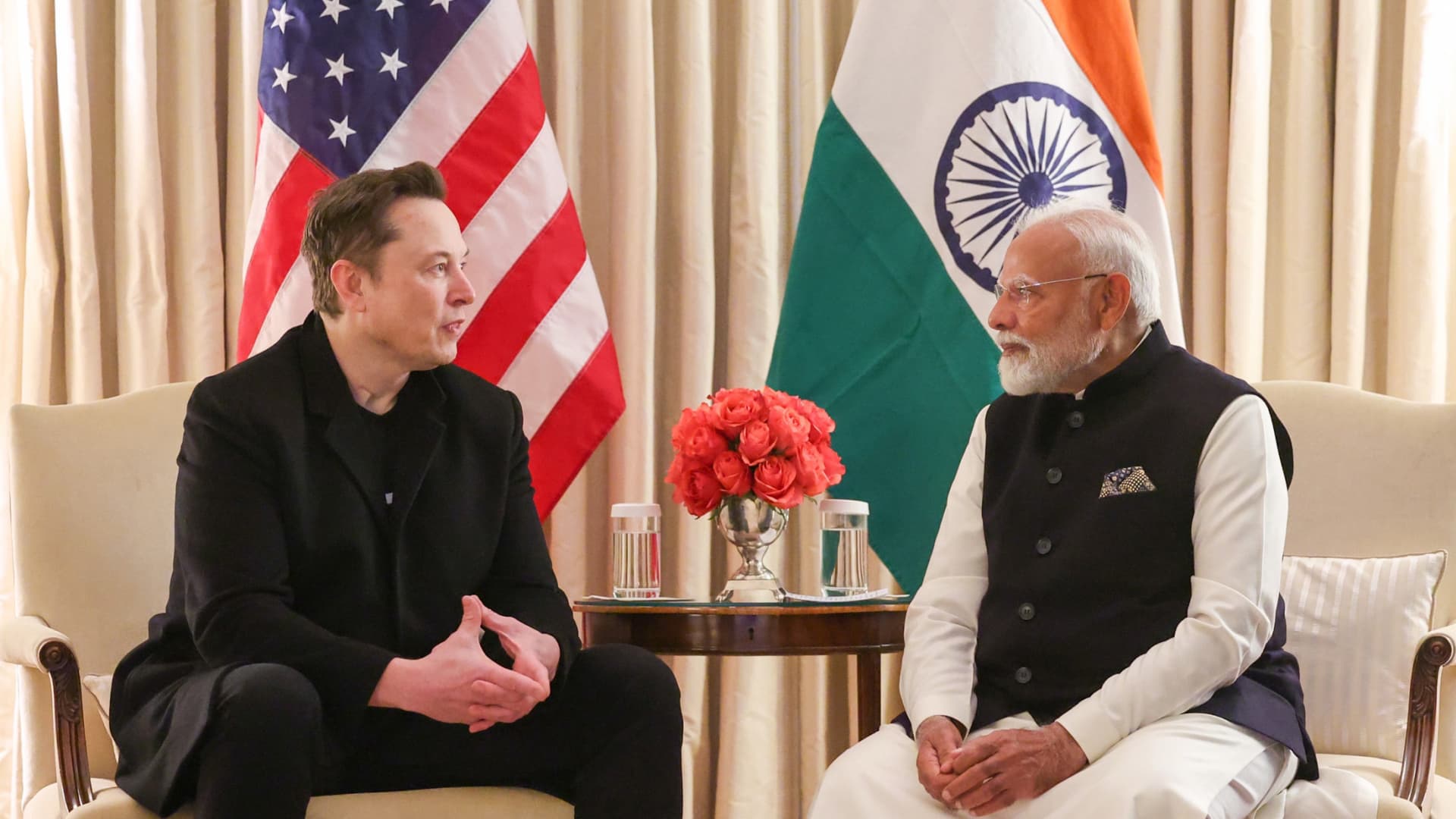
Elon Musk’s Starlink project is facing significant headwinds in India, sparking a public confrontation with Indian billionaire Mukesh Ambani. The dispute highlights the complex interplay of regulatory environments, powerful domestic players, and the ambition of global tech giants seeking to enter high-growth markets.
🚀 Tech Strategy & Market Disruptions
- Satellite Internet Race. Jio’s indigenous LEO satellite plans directly compete with Starlink’s global expansion, signaling a localized battle for connectivity dominance.
- Regulatory Friction. Prolonged approval processes and ‘frozen approvals’ in India underscore the challenges foreign companies face, even after initial licensing, impacting market entry strategies.
- Monopolistic Concerns. Musk’s accusations of a ‘monopolistic chokehold’ by local ‘oligarchs’ raise broader questions about fair competition and innovation accessibility in emerging markets.
SpaceX founder Elon Musk recently ignited a political firestorm in India, directly questioning the influence of Indian billionaire Mukesh Ambani as his company’s satellite internet service, Starlink India, remains stalled. Musk publicly accused ‘oligarchs’ of obstructing Starlink’s launch despite having ‘five years complying with every single law and requirement’ of the government, according to his posts on X. This public outcry follows reports from Bloomberg indicating that New Delhi has ‘frozen approvals’ for Starlink, citing concerns over unauthorized terminal usage.
Ambani’s Reliance Jio is a dominant force in India’s telecom sector, controlling approximately 80% of the internet service market alongside Airtel. This market concentration provides a formidable barrier to entry for new players, particularly those deploying disruptive technologies like satellite internet. Interestingly, Starlink had previously signed pacts with both Jio Platforms and Airtel in March of the prior year to explore cross-selling opportunities, obtaining a license to launch services in India by July.
- Initial Agreements: Starlink partnered with Jio Platforms and Airtel in March, signaling a potential path for market entry.
- Licensing Secured: A license to operate in India was granted to Starlink by July, marking a significant step forward.
- Approval Freeze: Subsequent reports indicate that further approvals were halted by the Indian government, creating the current impasse.
The impasse highlights the intricate balance between fostering innovation and protecting domestic interests. The disruption flow here is evident: a global satellite internet innovator (Starlink) attempts to enter a high-growth market, encountering existing telecom giants (Jio, Airtel) with strong market share. This leads to regulatory hurdles and political accusations, ultimately stalling innovation deployment and potentially limiting consumer choice in high-speed internet access. The situation underscores how national economic policies and the influence of entrenched players can dictate the pace of digital transformation and access to emerging technologies.
As CTO, I see this as a critical case study in geo-political technology deployment. The ‘last mile’ problem for connectivity is often less about technical feasibility and more about navigating complex national ecosystems, where indigenous tech stacks and regulatory capture can create insurmountable barriers for even the most advanced global platforms. Understanding this landscape is paramount for any firm targeting new digital markets.
Jio Platforms, under Akash Ambani, Mukesh’s son, has since announced its own plans to roll out low-orbit satellite communications, aiming for a network of around 1,600 LEO satellites and 23 ground stations. This move directly counters Starlink’s extensive 11,000-satellite network, framing the current regulatory blockades as potentially advantageous for Jio’s domestic ambitions. Akash Ambani recently emphasized that ‘India needs its own indigenous stack of technologies,’ a statement that resonates with nationalistic economic policies and further complicates the prospects for foreign entities like Starlink and even Tesla, which has seen underwhelming sales in India since its launch, selling just over 1,000 cars.
Starlink Market Adoption Challenges
Penetrating the Indian market presents unique challenges for Starlink beyond just regulatory approval. The nation’s diverse geography, varying income levels, and pre-existing telecom infrastructure demand a highly localized and affordable strategy. While Starlink’s global model relies on direct-to-consumer sales, India’s market dynamics often necessitate strong local partnerships, competitive pricing, and a robust support network. The accusations of ‘oligarchs’ maintaining a ‘monopolistic chokehold’ suggest that even with a superior technological offering, overcoming entrenched market power and political influence can be the primary hurdle. Furthermore, the push for ‘indigenous technology stacks’ implies a preference for local solutions, potentially sidelining foreign innovation despite its potential benefits for underserved areas. Understanding these complexities is vital for any global player eyeing emerging technologies adoption in India.
Jio Ecosystem Expansion Potential
Mukesh Ambani’s Reliance Jio has consistently demonstrated an aggressive strategy in expanding its digital ecosystem across India. From telecom to broadband, and now into LEO satellite communications, Jio leverages its vast customer base and deep integration within the Indian digital landscape. The company’s vision for an ‘indigenous stack of technologies’ extends beyond satellite internet, aiming to create a comprehensive digital infrastructure that encompasses hardware, software, and services. This vertical integration provides significant competitive advantages, allowing Jio to tailor solutions specifically for the Indian consumer while potentially benefiting from supportive regulatory frameworks. Its ability to cross-sell and bundle services, combined with substantial investment capacity, positions Jio to potentially dominate future connectivity sectors, including satellite broadband, impacting technology market trends significantly.
The Competitive Dynamics in India’s Digital Frontier
The ongoing dispute over Starlink India’s launch highlights the fierce competition and complex regulatory landscape foreign tech companies face. Despite global ambitions for ubiquitous connectivity, local market leaders like Jio, backed by a push for indigenous technology, are strategically positioning themselves to secure national digital sovereignty. The outcome of this struggle will not only shape India’s internet infrastructure but also serve as a blueprint for how global innovators can navigate similar challenges in other rapidly developing economies. This scenario provides critical educational tech insights for market analysts.
- The push for ‘indigenous technology stacks’ could redefine market entry for international tech firms.
- Regulatory bodies in emerging markets are increasingly scrutinizing foreign tech giants, balancing innovation with national economic interests.
- Dominant local players possess significant leverage in shaping market access and competitive dynamics.
Will India’s drive for local technological self-reliance fundamentally alter the global expansion strategies of pioneering firms like SpaceX?
📊 StockXpo Analyst’s View
Market Impact: The Starlink India situation underscores escalating protectionism within key emerging markets, potentially dampening investor sentiment towards foreign direct investment in high-tech infrastructure. This dispute could create uncertainty for global companies eyeing large consumer bases, leading to re-evaluation of market entry risks and regulatory frameworks. The accusations of monopolistic practices against Jio, while contested, could also prompt closer scrutiny of domestic market concentration by regulators.
Sector To Watch: The satellite communications sector, particularly Low Earth Orbit (LEO) constellations, is poised for significant transformation. While Starlink’s global reach is undeniable, local players like Jio’s nascent LEO ambitions signal a strategic pivot towards national self-sufficiency in space-based internet. This rivalry is likely to spur increased domestic investment in aerospace and telecommunications infrastructure within India and similar markets, impacting global tech developments.
Financial Disclaimer:
StockXpo.com is a financial news aggregator and educational portal, not a registered investment advisor or broker-dealer. All information, news, and analysis provided herein are strictly for educational purposes and do not constitute investment, financial, legal, or tax advice. Investing in the stock market involves high risks, and past performance is not indicative of future results. StockXpo will not be liable for any financial losses or investment damages. Always consult a certified financial advisor before making market decisions.
MORE IN INSIDE TECHNOLOGY
Starlink Launch: India’s Digital Transformation Faces Regulatory Risk
Published: Thursday, October 8, 2026 · 1:51 AM

AI’s Dual Edge: Innovation-Driven Growth Meets Global Economic Hazard
Published: Wednesday, October 7, 2026 · 3:12 AM