Published: Thursday, October 8, 2026 · 8:12 AM | Updated: Thursday, October 8, 2026 · 8:12 AM
📊 10 views




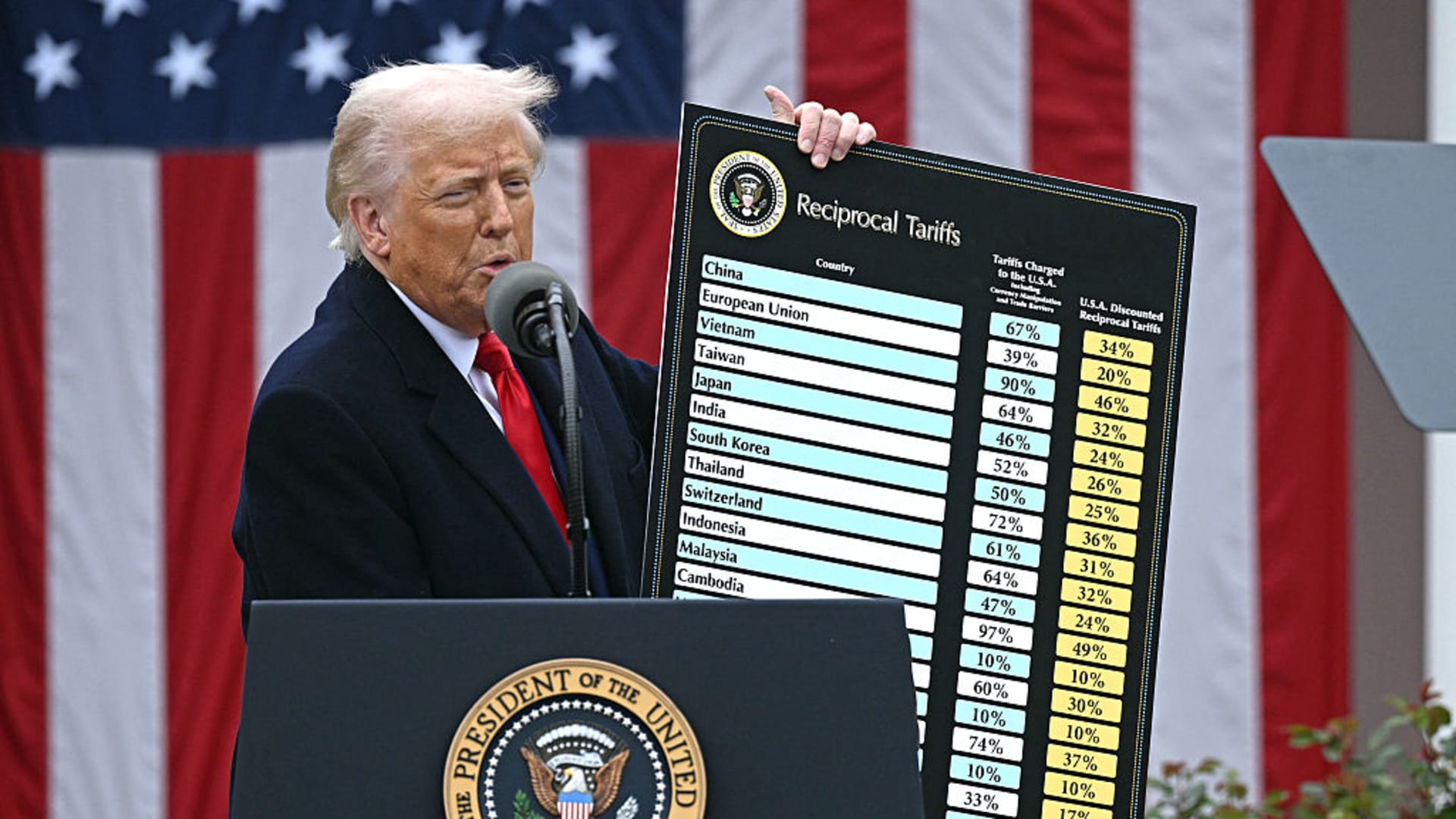
A new analysis from the New York Federal Reserve delivers a definitive statement on the impact of trade policy, asserting that President Trump’s tariffs were the sole driver of inflation for many everyday consumer goods over the past year and early this year. This revelation provides crucial insights into the direct economic consequences of protectionist measures on household budgets and macro-stability.
📊 Macro-Economic Strategic Insights
- Direct Cost Burden. Tariffs increased prices for 67 categories of goods by 2.9 percentage points as of February.
- Price Reversal Potential. Without these levies, the New York Fed estimates that prices for the studied products would have declined by nearly 1%.
- Persistent Impact. Despite some tariff reversals, consumers are expected to continue facing elevated prices well into 2027 due to the lingering effects of these policies.
The New York Federal Reserve’s recent research paper provides the most explicit evidence yet regarding the inflationary pressures exerted by tariffs on the U.S. economy. Contrary to arguments that companies could absorb these increased costs, the study reveals that approximately 26% of last year’s tariff hikes were ultimately passed on to consumers as higher prices. The findings challenge the notion that trade levies primarily impact producers, demonstrating a clear and measurable effect on consumer purchasing power. This economic dynamic highlights the often-underestimated pass-through effect of trade barriers. Further insights into these macro trends can be found on StockXpo’s economy section.
The analysis indicates that for every percentage point increase in the average tariff rate, consumer goods prices saw an approximate quarter-percent rise a year later, complementing insights from Bloomberg Economics research. This effect is not limited to the direct import cost; roughly two-thirds of the tariff-related price impact originated from the levies themselves, while the remaining third stemmed from knock-on effects. These secondary impacts include U.S. companies facing higher input costs for imported parts and materials, subsequently raising prices on their final products. This complex interplay underscores the pervasive influence of trade policy across supply chains. The study’s authors, Mary Amiti, Sebastian Heise, and David Weinstein, emphasize that ‘Tariffs have a larger and more drawn-out impact on consumer prices than the direct effect alone would suggest.’ This systemic propagation of costs reveals a broader challenge to macro-stability when trade policies are implemented without accounting for these intricate dependencies. Examining global economic trends or deeper financial analytics can offer further insights into these complex market dynamics.
- The study confirmed tariffs directly drove up costs across a broad spectrum of everyday items.
- The effects extend beyond direct import duties, impacting domestic production via supply chain costs.
- Price growth peaked early in 2026, but the consumer burden is projected to persist.
The Ripple Effect of Trade Policies
Trade Tariffs → Increased Import Costs → Domestic Production Cost Hikes → Higher Consumer Prices → Reduced Purchasing Power → Potential Economic Slowdown.
Conversely: Tariff Removal → Lower Import Costs → Reduced Production Costs → Stable/Declining Consumer Prices → Enhanced Purchasing Power → Potential Economic Boost.
The pass-through effect, in an economic context, describes how changes in input costs—such as tariffs or raw material prices—are transmitted to final consumer prices. This study clearly demonstrates that tariffs on intermediate goods create a cascading cost structure that significantly impacts inflation beyond initial expectations.
Key Tariff-Driven Inflation Metrics
The New York Fed’s analysis revealed several critical data points regarding the economic impact of tariffs, offering a quantitative perspective on consumer price shifts.
| Metric | Value | Significance |
|---|---|---|
| Price Increase on 67 Categories of Goods | +2.9 percentage points | Direct contribution of tariffs to consumer prices. |
| Estimated Price Change Without Tariffs | -1.0% (decline) | Indicates tariffs reversed a natural price decline. |
| Tariff-to-Price Pass-Through Rate | ~0.25% per 1% tariff hike (annualized) | Quantifies the direct price response to tariff adjustments. |
| Tariff Increases Passed to Consumers | ~26% | Portion of tariff burden directly borne by shoppers. |
U.S. Consumer Spending and Inflationary Risks
The persistent inflationary impact of tariffs presents a tangible risk to U.S. consumer spending, a primary driver of economic growth. With a significant portion of tariff costs being absorbed by households, disposable income is effectively reduced, potentially stifling demand for other goods and services. This erosion of purchasing power could compel consumers to prioritize essential spending, leading to a broader slowdown in discretionary sectors. Policy adjustments, while partially enacted by the Supreme Court, face further political hurdles as the White House seeks alternative levy mechanisms. Understanding global economic policy provides important context for these domestic challenges, and our educational insights offer deeper dives.
Global Trade Policy Commentary
The New York Fed’s findings resonate beyond U.S. borders, offering a cautionary tale for nations contemplating similar protectionist trade policies. The clear evidence of tariff pass-through into consumer prices underscores the inherent challenges in using trade barriers to achieve domestic economic objectives without incurring significant household costs, as reported by Reuters’ economic coverage. As global trade tensions persist, these insights could inform debates on supply chain resilience, competitive market dynamics, and the broader implications for interconnected economies. Policymakers worldwide are closely monitoring these developments to assess the long-term viability and consequences of such fiscal interventions.
The Lingering Effect of Tariffs on Household Budgets
The New York Fed’s analysis starkly illustrates that trade tariffs were a direct and significant contributor to U.S. consumer price inflation, effectively reversing what would otherwise have been a period of price decline for many everyday items. This data provides clear empirical backing to the long-held economic theory that trade barriers ultimately burden the consumer.
- Tariffs demonstrably raised consumer prices by nearly 3% for a wide range of goods.
- The pass-through effect was significant, with a quarter of tariff hikes appearing in consumer costs.
- Despite policy shifts, elevated prices are expected to continue impacting consumers into 2027.
How will future trade policies balance national economic objectives with the demonstrated cost burden on consumers?
📊 StockXpo Analyst’s View
Market Impact: This report could temper market enthusiasm for industries heavily reliant on imported goods, especially if future administrations pursue similar tariff strategies. Investors may increasingly scrutinize companies’ supply chain resilience and ability to absorb or pass on increased input costs, impacting valuation metrics and potentially leading to cautious outlooks.
Sector To Watch: Retail and consumer discretionary sectors are particularly vulnerable, as their margins are directly impacted by consumer purchasing power and input costs. Conversely, domestic manufacturers with minimal reliance on imported raw materials could see a relative advantage, although broad economic slowdowns from reduced consumer spending would still pose challenges.
Financial Disclaimer:
StockXpo.com is a financial news aggregator and educational portal, not a registered investment advisor or broker-dealer. All information, news, and analysis provided herein are strictly for educational purposes and do not constitute investment, financial, legal, or tax advice. Investing in the stock market involves high risks, and past performance is not indicative of future results. StockXpo will not be liable for any financial losses or investment damages. Always consult a certified financial advisor before making market decisions.
MORE IN INSIDE ECONOMY

India Rate Hike: Inflation Risks Build Amid Global Headwinds
Published: Wednesday, October 7, 2026 · 1:41 AM

AI Concentration Risks Loom as East Asia & Pacific Sees 4.5% Growth Outlook
Published: Tuesday, October 6, 2026 · 1:56 AM