Published: Wednesday, August 5, 2026 · 3:53 PM | Updated: Thursday, August 6, 2026 · 8:33 AM
📊 101 views




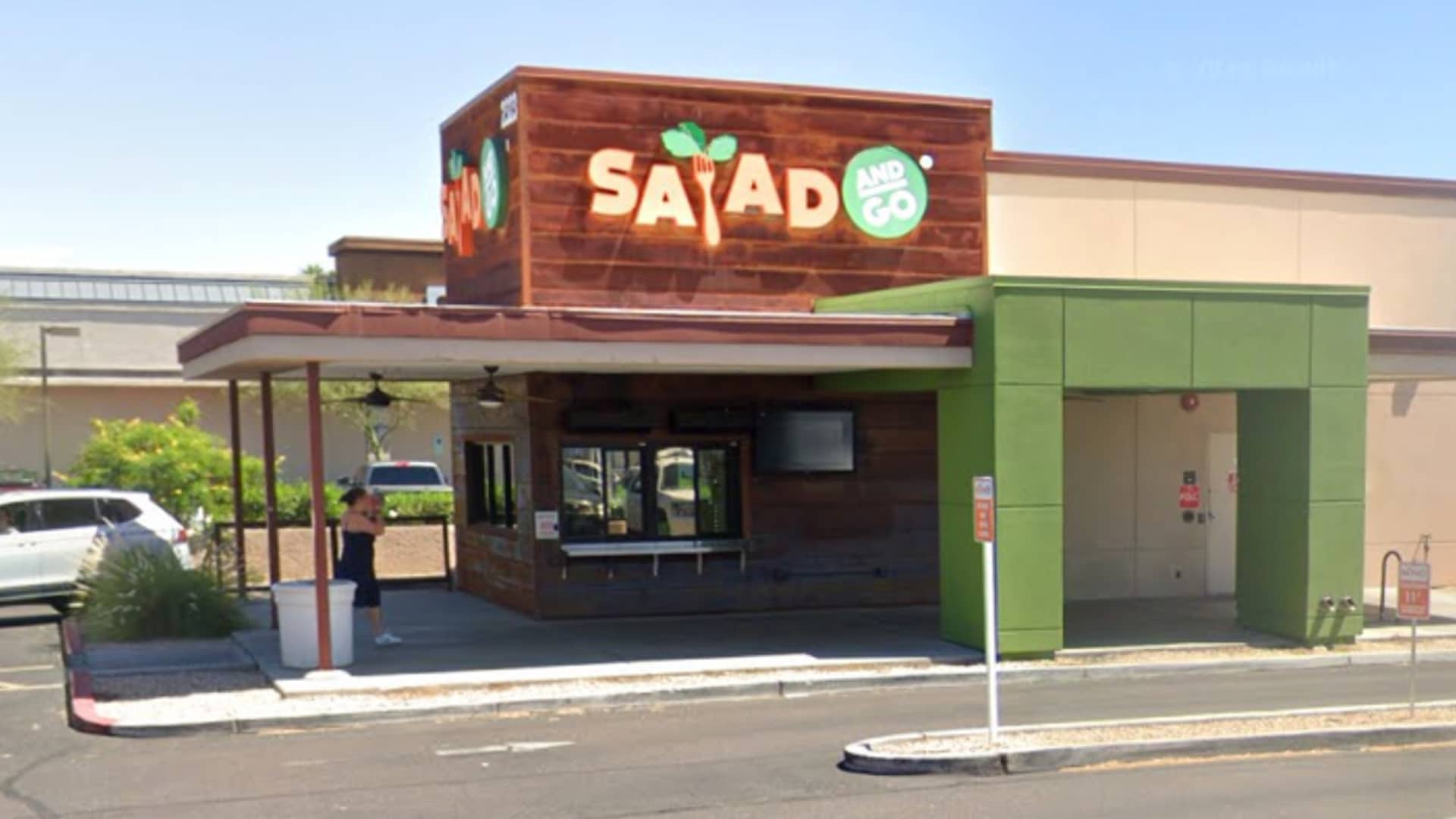
The sudden collapse of a major fast-casual contender highlights how quickly operational vulnerability can destroy a highly leveraged expansion strategy. The shocking announcement of the Salad and Go bankruptcy serves as a stark warning to the restaurant industry about the fragility of supply-chain centralization during foodborne illness crises. As consumer trust wavers, the line between aggressive growth and financial distress has never been thinner.
🗝️ Corporate Strategy Insights
- Centralized Vulnerability. Relying on centralized commissary kitchens optimized unit economics but created a single point of failure when systemic lettuce safety fears arose.
- Aggressive Leveraged Scaling. Rapidly doubling store footprints under private equity ownership left the brand with massive liabilities and zero margin for operational errors.
- Industry-Wide Collateral Damage. Although not directly implicated in the Cyclospora outbreak, Salad and Go suffered fatal demand destruction due to broad consumer anxiety.
When evaluating long-term company strategy, the margin of error for low-cost, high-volume fresh food concepts is razor-thin. Salad and Go, founded in 2013, attempted to disrupt the healthy fast-casual space by using centralized commissary kitchens to prepare fresh ingredients before delivering them to small-footprint, drive-thru-only locations. While this model optimized labor and real estate costs, it severely centralized risk. When a massive Cyclospora outbreak sickened over 10,000 people nationwide, the entire fresh produce segment faced an immediate demand shock.
Even though the Food and Drug Administration did not directly link Salad and Go to the outbreak, the broader industry contagion proved fatal. Competitors like Chipotle Mexican Grill and Taco Bell experienced substantial traffic drops, but their diversified menus and larger balance sheets allowed them to absorb the blow. Salad and Go, heavily weighted toward iceberg lettuce and raw wraps, had no such defense. This collapse highlights how crucial food safety protocols are when analyzing the stability of stock markets and consumer discretionary equities.
To understand the financial mechanics behind this operational failure, we can examine the core drivers:
- Debt-Fueled Overexpansion: Private equity backer Volt Investment and former CEOs aggressively doubled the footprint, pushing the firm’s liabilities to the $500 million to $1 billion range.
- Centralization Vulnerability: The hub-and-spoke commissary model meant any shift in raw material safety instantly compromised the entire network’s viability.
- Shifting Consumer Behavior: Post-pandemic cost inflation and declining disposable income weakened baseline consumer demand for premium-priced convenience health food.
The strategic collapse of the salad chain demonstrates a classic corporate chain reaction: Centralized Sourcing Model → Systemic Industry Contagion (Cyclospora Outbreak) → Sharp Drop in Consumer Demand → Illiquidity → Chapter 11 Filings. This failure has immediately shifted market share back toward diversified giants. Fast-food conglomerates with robust supply chains are capturing the displaced customer base, while premium salad operators face elevated borrowing costs as lenders reassess the risk profiles of fresh food supply networks.
‘In fast-casual dining, operational efficiency must never come at the expense of supply chain redundancy. Centralized prep kitchens offer great margins in good times, but they become systemic liabilities during agricultural contamination events.’
| Financial Metric | Estimated Range | Strategic Significance |
|---|---|---|
| Estimated Assets | $500 Million – $1 Billion | Reflects significant real estate, equipment, and centralized commissary infrastructure. |
| Estimated Liabilities | $500 Million – $1 Billion | Highlights heavy debt burden accumulated during aggressive private-equity expansion. |
| Remaining Stores | 70 Locations (AZ & NV) | Represents the final footprint slated for immediate shutdown, down from previous highs. |
Salad and Go Strategic Analysis
The core failure of the brand’s business model lies in its capital allocation. Under private equity ownership, the executive leadership prioritized rapid physical expansion over supply chain diversification and cash flow resiliency. Instead of fortifying regional farming partnerships and localizing prep stations, capital was funneled into rapidly entering new, highly competitive territories. This mismatch between operational maturity and capital expenditure accelerated their burn rate when sales inevitably plateaued. Navigating these types of structural corporate restructurings is crucial for anyone seeking educational insights on retail bankruptcies.
Salad and Go Market Leadership
At its peak, the company was hailed as a low-cost alternative capable of democratizing healthy eating. Its market leadership was built on a drive-thru-only format that bypassed expensive urban real estate. However, maintaining price leadership while offering fresh, raw ingredients requires flawless inventory velocity. Once the Cyclospora outbreak triggered industry-wide mistrust, inventory velocity collapsed, transforming fresh produce from high-margin assets into high-waste liabilities within days. Reports from corporate restructurings across the fast-food space indicate that raw fresh inventory is currently the highest-risk asset class in food service.
The Crucial Lessons from the Salad and Go Bankruptcy
The Chapter 11 filing proves that aggressive, debt-fueled expansion of a hyper-specialized menu is unsustainable under severe supply chain pressure. When consumer confidence in a core ingredient breaks down, even the most efficient distribution model cannot survive without deep cash reserves. Moving forward, the fast-casual industry must prioritize supply chain visibility over raw unit growth.
- Highly leveraged expansion strategies require flawless operational execution and continuous consumer demand.
- Diversified menu portfolios act as vital economic shock absorbers during localized ingredient health crises.
- Centralized hub-and-spoke models must build redundant sourcing channels to survive sudden agricultural recalls.
Will the fast-casual sector pivot away from hyper-centralization to insulate themselves from future food safety shocks?
📊 StockXpo Analyst’s View
Market Impact: The sudden liquidation of a major healthy fast-casual brand will likely shift capital toward established, diversified quick-service operators with highly resilient supply chains. Risk premiums for fresh-food concepts will rise across global financial markets, making early-stage venture funding for raw-produce startups much harder to secure.
Sector To Watch: Keep a close eye on the automated supply-chain safety sector, as chains increasingly adopt real-time pathogen tracking technologies to restore consumer trust.
Financial Disclaimer: StockXpo.com is a financial news aggregator and educational portal, not a registered investment advisor or broker-dealer. All information, news, and analysis provided herein are strictly for educational purposes and do not constitute investment, financial, legal, or tax advice. Investing in the stock market involves high risks, and past performance is not indicative of future results. StockXpo will not be liable for any financial losses or investment damages. Always consult a certified financial advisor before making market decisions.
MORE IN INSIDE BUSINESS
Skydance Vertical Win: Ellison’s Bold Strategy for Media Dominance
Published: Thursday, October 8, 2026 · 12:44 PM
Used Car Prices Signal Market Shift: A Strategic Warning for Auto Dealers
Published: Wednesday, October 7, 2026 · 11:15 AM