Published: Wednesday, August 5, 2026 · 2:53 PM | Updated: Wednesday, August 5, 2026 · 2:53 PM
📊 78 views




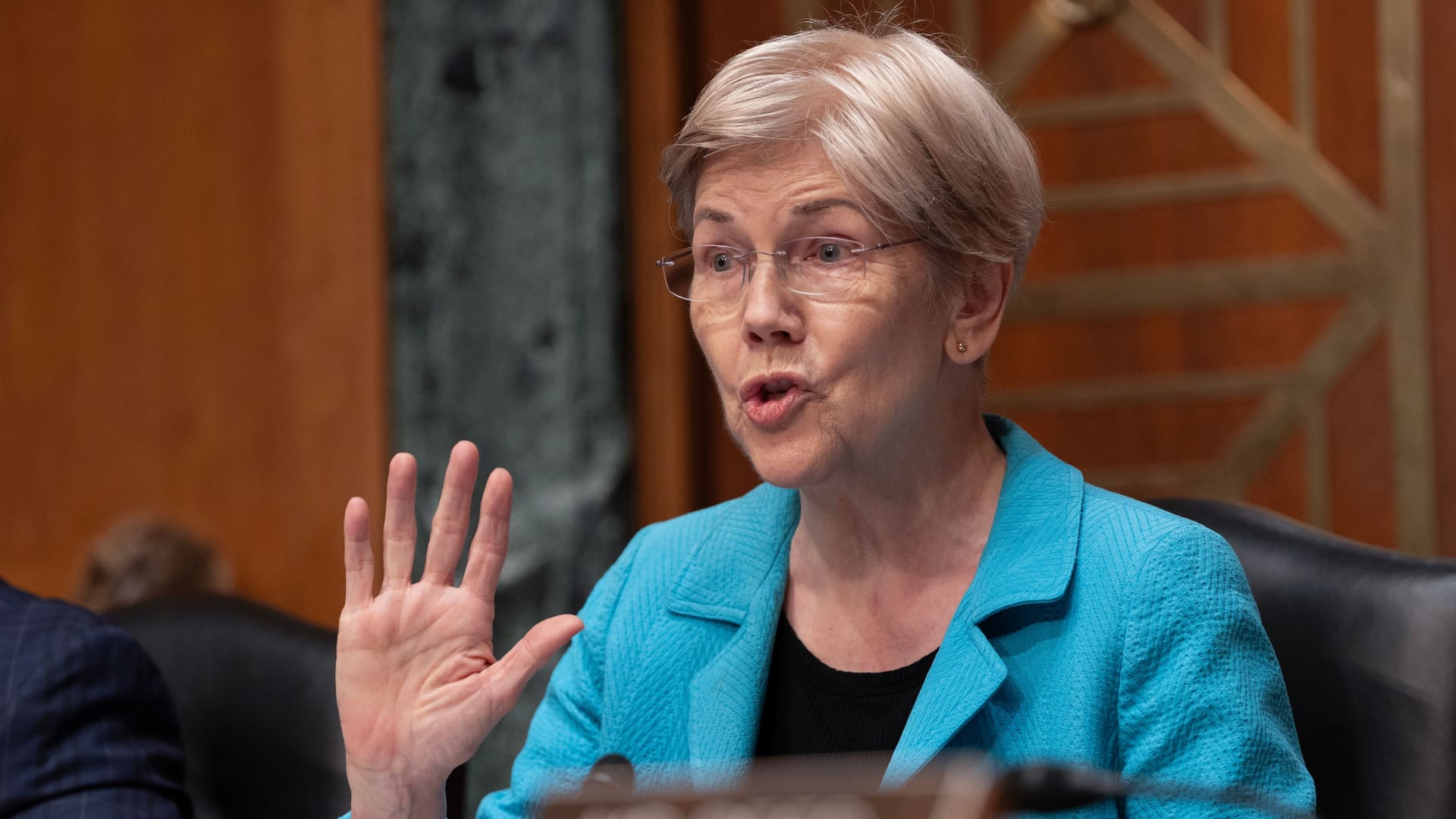
Senator Elizabeth Warren has formally demanded a thorough investigation into the Commerce Department’s decision to ease export regulations for the United Arab Emirates. This controversial policy shift, which grants streamlined access to advanced artificial intelligence computing hardware, comes directly after UAE-linked entities made substantial financial commitments to a cryptocurrency platform tied to President Donald Trump’s family. The intersection of sovereign investment, private enterprise, and national defense has ignited intense debate over the integrity of critical technology supply chains.
🚀 Tech Strategy & Market Disruptions
- Export Control Reclassification. The Commerce Department moved the UAE to Country Group A:5, granting expedited licensing for advanced AI and computing equipment.
- Sovereign Capital Infusion. Middle Eastern investment entities linked to Sheikh Tahnoon bin Zayed Al Nahyan deployed $500 million into a Trump-affiliated crypto platform.
- Geopolitical Redirection Risks. Critics warn that relaxing boundaries could allow sensitive military-grade hardware to bypass restrictions and leak to foreign adversaries.
The decision to downgrade restrictions on the UAE marks a significant pivot in how Washington manages the distribution of high-performance microprocessors and advanced cloud infrastructure. By placing the Gulf nation into the Country Group A:5 tier, U.S. technology providers can bypass individual export licensing processes, facilitating rapid deployment of computational capabilities to entities such as G42 and its subsidiary Core42. This shift occurs amid an accelerating global race for AI dominance, forcing policymakers to weigh commercial opportunities against severe national security risks. Senator Elizabeth Warren’s formal inquiry targets whether these fast-tracked approvals for sensitive U.S. tech were influenced by the $500 million investment into World Liberty Financial, rather than purely strategic defense considerations.
To understand the scale of this policy alignment, several core factors must be analyzed:
- Multilateral Non-Participation: Unlike other countries in the A:5 classification, the UAE is not currently a signatory to the four primary global export control regimes.
- Strategic Semiconductor Ingestion: The Commerce Department’s proactive promise to ‘favorably review’ licenses directly benefits massive sovereign funds like MGX, an active backer of Anthropic and OpenAI.
- Adversarial Proximity: Security analysts remain deeply concerned that open-door access could expose next-generation hardware to data harvesting pipelines tied to Chinese or Iranian state apparatuses.
While the Commerce Department asserts the change reflects the UAE’s role as a major regional defense partner, particularly in supporting anti-Iran initiatives, the lack of traditional multilateral guardrails introduces profound complexities to technology market trends. Industry observers highlight that while fast-tracking high-performance systems bolsters local ecosystem expansion, it simultaneously weakens the defense community’s oversight on secondary data access.
The geopolitical and technological impact of this policy shift operates through a direct cause-and-effect chain:
Policy Easing to Country Group A:5 → Unrestricted Flow of High-End AI Accelerators to Gulf Datacenters → Potential Diversion Risks to Non-Aligned Global Powers → Heightened Scrutiny over Sovereign Investment Channels.
As sovereign entities transition from mere capital providers to direct operators of foundational AI models, the traditional regulatory boundaries governing compute-export dynamics are fracturing. We are witnessing an era where digital compute capacity is directly leveraged as geopolitical currency.
To gauge the fiscal and technological weight of these policy shifts, the following metrics outline the capital flows currently redefining the ecosystem:
- $500 Million: Capital invested by UAE-linked entities under Sheikh Tahnoon bin Zayed Al Nahyan into World Liberty Financial.
- $2 Billion: Sovereign investment completed by MGX into the Binance exchange using USD1 stablecoins.
- $49 Billion: Total estimated assets under management by UAE’s AI-focused fund MGX, targeting major chip and infrastructure plays.
Advanced Semiconductor Security & Infrastructure Strength
Maintaining strict oversight of advanced semiconductor security is critical as state-backed entities build out hyper-scale datacenters. When high-performance chips like Nvidia’s Hopper or Blackwell architectures are shipped abroad under relaxed licensing protocols, physical and virtual security controls must be strictly enforced. Hardware-level security, including secure boot, encrypted virtualization, and remote attestation, serves as the primary defense against unauthorized access by external intelligence groups. If these technical guardrails are bypassed, foreign actors could leverage the computational power of emerging technologies without needing to manufacture the actual silicon.
Middle Eastern AI Ecosystem Expansion Potential
The UAE’s aggressive strategy to establish itself as a global technology hub is heavily dependent on continuous access to state-of-the-art infrastructure. Partnerships with leading Western firms have allowed organizations like G42 and MGX to build highly competitive LLMs and enterprise cloud services. This expansion potential, however, remains vulnerable to shifting regulatory winds in Washington. Access to high-performance computing enables rapid software iteration and algorithm training, providing the region with an unprecedented technological leap that could redefine international educational tech insights and commercial business models.
Why Easing Sensitive U.S. Tech Controls Creates a Dilemma
The intersection of private capital, executive-level business ventures, and national security oversight has created a challenging precedent for global supply chain enforcement. Easing export restrictions on high-end computing components under these circumstances invites prolonged congressional scrutiny and could lead to policy reversals. Industry players must prepare for heightened compliance obligations and unpredictable policy shifts as political tensions escalate.
- Political Vulnerability: The direct overlap of commercial enterprise and state-level policy changes leaves the tech sector highly vulnerable to shifting congressional majorities.
- Supply Chain Friction: Export licensing rules are likely to undergo rapid modifications, creating operational friction for hardware suppliers.
- Heightened Due Diligence: Global tech firms must implement rigorous post-shipment verification systems to track computational usage patterns.
Will future technology export controls be dictated by strategic diplomatic alignment, or will private commercial interests continue to blur the lines of national defense?
📊 StockXpo Analyst’s View
Market Impact: The escalating scrutiny surrounding these high-level technology transfers is introducing notable volatility for semiconductor manufacturers and defense-adjacent hardware providers. While the initial regulatory relaxation points to immediate revenue opportunities in the Gulf region, the looming threat of strict congressional rollbacks introduces deep execution risks for long-term supply contracts. Investors should expect heightened compliance overheads as trade authorities seek to preserve national security boundaries.
Sector To Watch: Keep a close eye on the enterprise AI hardware and secure cloud hosting sectors. Companies involved in building high-performance datacenters in the Middle East, as well as global security firms specializing in remote hardware attestation and tracking, are positioned at the very center of this geopolitical tug-of-war. For a deeper understanding of how these shifts disrupt global supply chains, close observation of administrative policy decisions is vital as they alter national security dynamics.
Financial Disclaimer: StockXpo.com is a financial news aggregator and educational portal, not a registered investment advisor or broker-dealer. All information, news, and analysis provided herein are strictly for educational purposes and do not constitute investment, financial, legal, or tax advice. Investing in the stock market involves high risks, and past performance is not indicative of future results. StockXpo will not be liable for any financial losses or investment damages. Always consult a certified financial advisor before making market decisions.
MORE IN INSIDE TECHNOLOGY
Starlink Launch: India’s Digital Transformation Faces Regulatory Risk
Published: Thursday, October 8, 2026 · 1:51 AM

AI’s Dual Edge: Innovation-Driven Growth Meets Global Economic Hazard
Published: Wednesday, October 7, 2026 · 3:12 AM