Published: Wednesday, August 5, 2026 · 1:50 PM | Updated: Wednesday, August 5, 2026 · 1:50 PM
📊 110 views




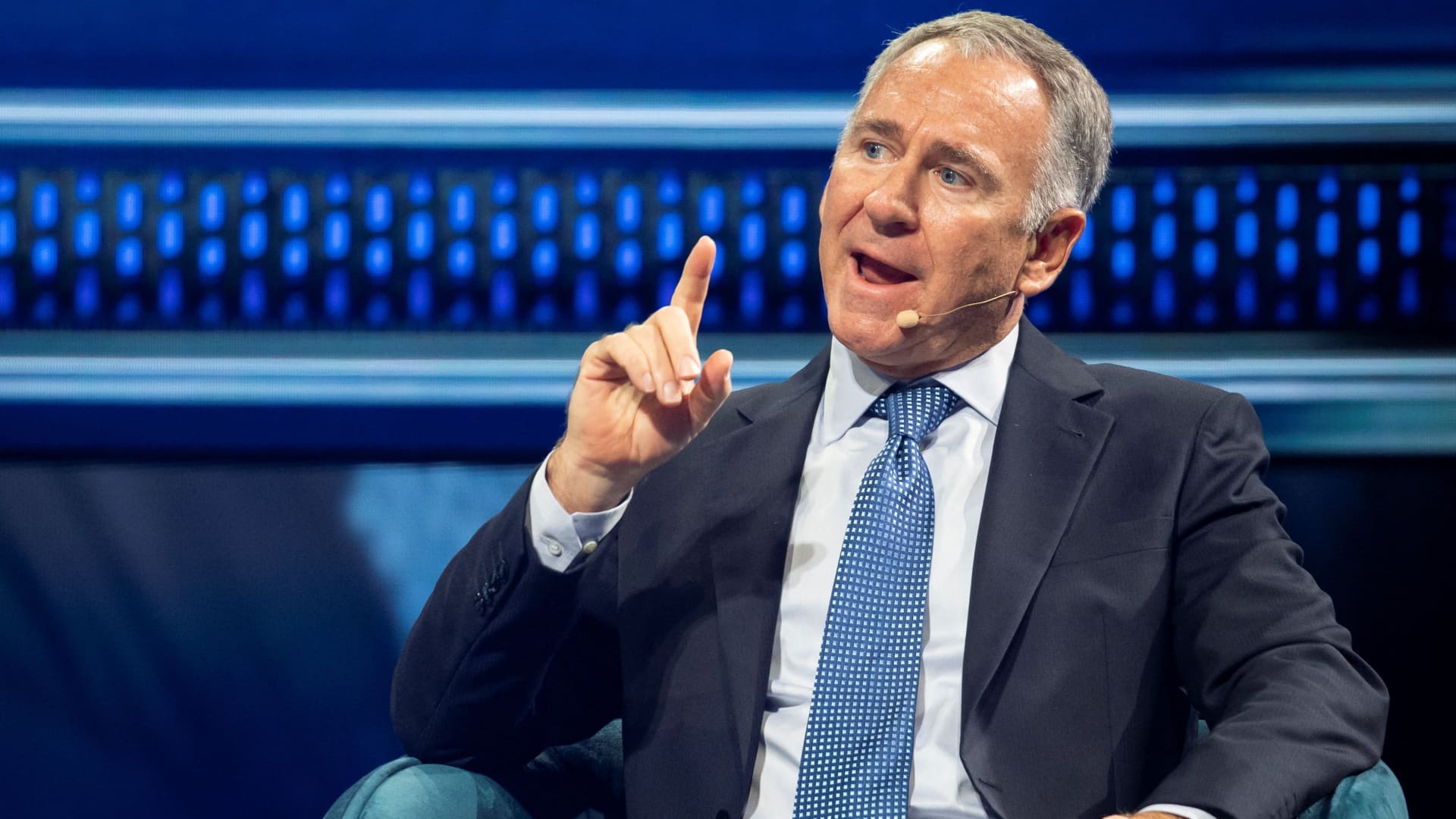
Ken Griffin’s Citadel has capitalized on a severe market dislocation, marking its best performance in years after absorbing distressed assets from the liquidation of a prominent AI-focused hedge fund. By securing deeply discounted Situational Awareness stocks, the multistrategy giant positioned itself perfectly for a late-month market rebound. This tactical deployment highlights how institutional liquidity providers exploit volatility to secure superior risk-adjusted returns.
💰 Financial Strategy & Market Insights
- Liquidity Aggression. Citadel utilized its $71 billion capital base to absorb distressed portfolios during a severe margin-call liquidation event.
- Asymmetrical Returns. The Wellington fund posted a 5.9% July gain, while tactical and equity portfolios achieved record-breaking monthly returns.
- Squeezing the Shorts. The liquidation of highly concentrated AI infrastructure and hardware positions cleared market overhangs, triggering sharp rebounds in distressed assets.
Unpacking the Situational Awareness Liquidation
The collapse of Leopold Aschenbrenner’s Situational Awareness hedge fund sent shockwaves through the tech sector, presenting an immediate liquidity vacuum. Citadel stepped in as a primary liquidity provider, scooping up heavily discounted Situational Awareness stocks like Nebius (NBIS) and Micron (MU). These assets were forced into liquidation after Aschenbrenner’s aggressive trade—longing AI hardware while shorting software—backfired spectacularly.
As prime brokers rushed to wind down positions in an orderly fashion, Citadel deployed its massive war chest. Observers analyzing the market analysis noted that Citadel’s Wellington fund surged 5.9% in July, pushing its 2026 gains to 12%. Meanwhile, its tactical trading fund skyrocketed by 11.1%, and its equities fund advanced an astonishing 14.2%, registering its best month on record. According to report details from Reuters financial coverage, the sudden transfer of assets effectively established a floor for tech valuations.
- Wellington Multistrategy: Up 5.9% in July, bringing year-to-date performance to 12%.
- Tactical Trading: Gained 11.1% in July, pushing annual returns to 27%.
- Equities Portfolio: Surged 14.2% in July, marking its best-ever monthly performance.
Distressed asset acquisitions of this scale are a hallmark of Citadel’s broader risk management framework. By maintaining high cash reserves, the firm acts as a buyer of last resort during margin-induced selloffs, stabilizing the broader financial sector while locking in highly favorable entry points.
Weighing the Risk-Reward Profile of Liquidity Plays
- Upside: Buying high-conviction assets at distress prices creates substantial valuation buffers and immediate upside when short sellers cover.
- Upside: Strong capital buffers allow multistrategy funds to absorb volatility that would otherwise trigger catastrophic liquidations.
- Downside Risks: Concentrated exposure to volatile artificial intelligence trades exposes the portfolio to prolonged tech sector corrections.
- Downside Risks: Execution delays or premature buying before margin liquidations peak can result in immediate mark-to-market losses.
A clearing event occurs when a distressed market participant is completely liquidated, eliminating forced selling pressure and allowing sidelined capital to safely re-enter the asset class at depressed valuations.
| Citadel Fund Name | July 2026 Return | YTD 2026 Return |
|---|---|---|
| Wellington Flagship | 5.9% | 12.0% |
| Tactical Trading | 11.1% | 27.0% |
| Equities Fund | 14.2% | 27.0% |
Situational Awareness stocks Liquidity Analysis
The liquidity dynamics surrounding tech-focused hedge fund liquidations highlight the fragility of highly concentrated books. When prime brokers initiated margin calls, the market lacked the immediate depth to absorb block trades in names like Micron and Nebius. Citadel’s intervention served as a crucial circuit breaker, preventing a cascading failure. For readers seeking deeper educational financial insights, this event underscores why institutional cash cushions are the ultimate defense against systemic market freezing.
Situational Awareness stocks Market Sentiment Tracker
Sentiment around specialized AI infrastructure plays experienced a violent pivot following the rescue. The forced liquidations initially drove fear indexes higher, but the transition of these assets to a stable institutional giant like Citadel acted as a major clearing event. Market participants monitored via Bloomberg terminal updates saw an immediate short-covering rally, signaling that long-term institutional appetite for semiconductor hardware remains robust despite short-term leverage shocks.
The Citadel Playbook and the Future of AI Volatility
Ken Griffin’s rapid capital deployment during the Situational Awareness liquidation proves that extreme market volatility remains a highly lucrative playground for multistrategy funds. By maintaining structural agility and immense capital reserves, Citadel turned a major industry blowup into its best monthly performance in years.
- Liquidity is King: The ability to absorb multi-billion-dollar liquidations at a discount is a massive competitive moat.
- Sector Rebound: The quick recovery of Nebius and Micron indicates that underlying demand for AI infrastructure remains fundamentally intact.
- Risk Management Lessons: Over-leveraged, directional bets on high-beta tech sectors without robust hedging structures remain highly dangerous.
Will other major multistrategy funds replicate Citadel’s aggressive distress-buying tactics in the next tech correction?
### 📊 StockXpo Analyst’s View
Market Impact: Citadel’s opportunistic absorption of distressed tech holdings has restored short-term stability to AI infrastructure assets. This structural transfer of risk from fragile, leveraged hands to highly capitalized institutional balance sheets reduces systemic risk across the tech sector.
Sector To Watch: We expect semiconductor and AI hardware supply chains to experience increased institutional accumulation, while highly leveraged, directionally concentrated hedge funds face tightening credit terms from their prime brokers.
Financial Disclaimer:
StockXpo.com is a financial news aggregator and educational portal, not a registered investment advisor or broker-dealer. All information, news, and analysis provided herein are strictly for educational purposes and do not constitute investment, financial, legal, or tax advice. Investing in the stock market involves high risks, and past performance is not indicative of future results. StockXpo will not be liable for any financial losses or investment damages. Always consult a certified financial advisor before making market decisions.
MORE IN INSIDE FINANCE

China’s Real Estate Market: A Potential Turnaround Amid Policy Shifts
Published: Thursday, October 8, 2026 · 6:10 AM

Fed Rate Hike Looms: What Fed Minutes Signal for Asset Valuation Shifts
Published: Wednesday, October 7, 2026 · 2:47 PM