Published: Wednesday, August 5, 2026 · 3:13 PM | Updated: Wednesday, August 5, 2026 · 3:13 PM
📊 65 views




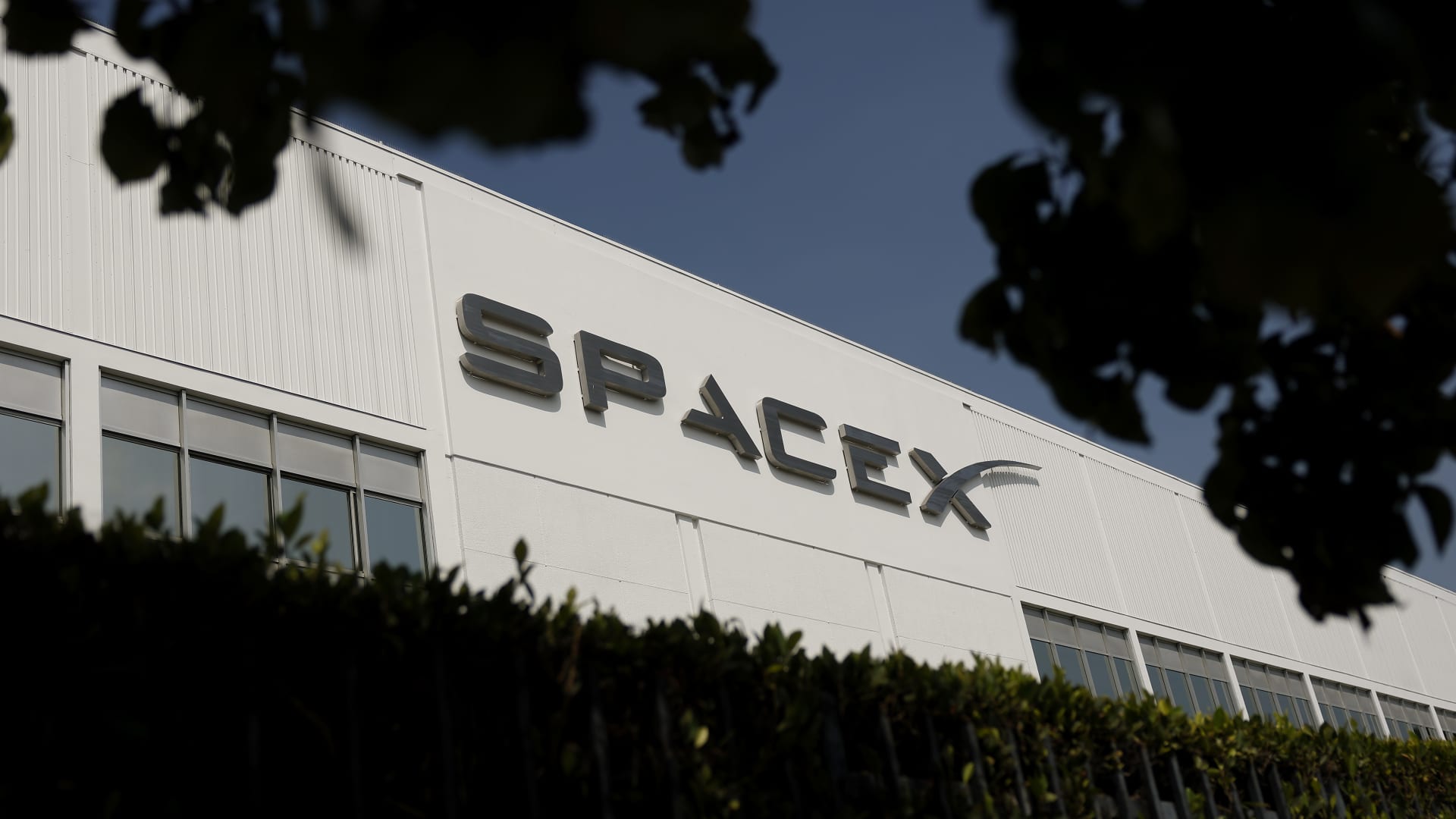
SpaceX’s debut quarterly report has sent shockwaves through Wall Street, revealing a massive strategic pivot toward artificial intelligence infrastructure. While the company’s revenue beat projections, SpaceX’s spending surge has ignited intense debate over the capital-intensive nature of next-generation connectivity and space-based compute resources. Investors are left balancing the promise of long-term scalability against the immediate realities of deep short-term losses.
🚀 Tech Strategy & Market Disruptions
- Massive AI Capital Allocations. SpaceX directed over 80% of its $18.4 billion capital expenditures toward artificial intelligence development, signaling a heavy bet on autonomous networks.
- Short-Sellers Target Post-IPO Slump. A drop below the $135 IPO price has drawn heavy short interest just ahead of the initial lock-up expiration.
- Ecosystem Mergers Face Hurdles. Media mergers like Paramount Skydance and Warner Bros. Discovery proceed despite legal scrutiny, highlighting consolidation in digital streaming.
The broader tech landscape is grappling with massive capex expansions as organizations rush to build out machine learning capabilities. In the case of SpaceX, its capital expenditure spiked sixfold to $18.4 billion. While its connectivity segment—Starlink—remains the sole engine of current profitability, executive leadership asserts that the heavy computational investments will achieve a full payback period within twelve months. This aggressive spend mirrors broader technology market trends where hyperscalers are front-loading infrastructure assets to secure early market scale operations to dominate the competition. Meanwhile, legacy semiconductor plays are experiencing similar volatility; despite posting strong earnings, AMD shares plummeted nearly 9%, indicating that Wall Street is demanding immediate monetization of AI hardware investments.
In the media and consumer sectors, distinct shifts in digital distribution are underway. Disney reported robust subscriber additions and increased streaming profitability by 11%, driven by price adjustments and a freshly inked distribution partnership with TikTok designed to capture younger demographics. Concurrently, Procter & Gamble is expanding its direct-to-consumer health footprint by acquiring wellness brand Thorne for $3.8 billion, demonstrating that traditional consumer giants are increasingly relying on emerging technologies and algorithmic supply chains to drive margin growth.
To understand the operational dynamics of these shifts, we look at the core execution markers across the market:
- AI Compute Primacy: Over $14.7 billion of SpaceX’s capital budget was allocated specifically to deep-learning clusters.
- Margin Compression Risks: High initial operational costs across SpaceX’s launch segments continue to offset connectivity profits.
- Enterprise Consolidation: Major corporate mergers continue to leverage integrated digital distribution platforms to mitigate rising acquisition costs.
The causal chain of this tech transformation is highly direct: Massive Capital Allocation into Proprietary Compute → Rapid Deployment of Autonomous Satellite Networks → Drop in Connectivity Latency → Disruption of Legacy Telecommunications and Ground-Based Fiber Infrastructure. This cycle forces competitors to match capital intensity or risk complete obsolescence.
As organizations transition from localized clouds to orbital edge computing, the true competitive moat is no longer just the hardware launch capability, but the localized, low-latency AI inference engines running directly on satellite clusters to handle real-time global telemetry.
| Company / Index | Key Performance Metric | Value / Change | Strategic Focus Area |
|---|---|---|---|
| SpaceX | Capital Expenditure (Q2) | $18.4 Billion (6x Increase) | 80%+ Devoted to AI Clusters |
| SpaceX | Adjusted EPS (Q2) | -$0.09 (vs -$0.26 Est.) | Connectivity Network Scaling |
| Procter & Gamble | Thorne Acquisition Value | $3.8 Billion | Direct-to-Consumer Wellness |
| S&P 500 Index | Closing Benchmark | 7,700 (New All-Time High) | Macro Market Expansion |
How SpaceX Platform Architecture Integrates Edge AI
The underlying system design of the Starlink network represents a massive shift in decentralized edge computing. To fully leverage the impact of the expenditures, the company’s platform architecture must process multi-spectral imaging and global routing algorithms directly on orbit. This avoids backhauling massive telemetry datasets to ground stations, reducing routing latency to sub-millisecond levels. By integrating custom-silicon neural processing units (NPUs) into its Gen-3 satellite constellations, SpaceX is building a globally distributed neural network that can scale dynamically to support high-density industrial and defense workloads.
Understanding SpaceX Ecosystem Expansion Potential Beyond Low-Earth Orbit
The structural changes we see in the launch market highlight the immense scale of SpaceX’s ecosystem expansion potential. Starshield and high-bandwidth laser cross-links are turning an orbital transport system into a unified communications and compute cloud. This architecture aligns with predictions from agencies like Reuters on technology development pointing to integrated space-to-ground data pipelines as the next multi-trillion-dollar frontier. This expansion is not limited to telecom; it establishes a foundational platform that other industries will rely upon for global IoT, autonomous maritime transport, and predictive weather modeling, transforming space from a cost center into a dominant computational substrate.
Deciphering the Long-Term ROI of SpaceX’s Spending Surge
While Wall Street remains deeply apprehensive of high infrastructure bills and immediate cash burn, the strategic positioning of SpaceX’s compute-heavy model suggests a systematic lock-in of global satellite communications. The massive infrastructure investments will likely establish an insurmountable technical moat that makes terrestrial network expansion financially unfeasible for traditional providers.
- Infrastructure Monopolization: Reinvesting capital into proprietary AI networks prevents competitors from catching up on hardware-software integration.
- Sovereign Cloud Alliances: Orbital AI processing unlocks highly lucrative, localized defense and intelligence data contracts worldwide.
- Near-Term Lockup Pressures: Insider lock-up expirations will test market resilience but are unlikely to alter the long-term architectural roadmap.
Will the public markets eventually reward this unprecedented capital intensity, or will the crushing cost of maintaining orbital compute clusters force a pivot back to leaner, launch-only business models?
📊 StockXpo Analyst’s View
Market Impact: The massive capital expenditure reported by SpaceX represents a broader trend of extreme capital concentration in AI-heavy physical infrastructures. As organizations scale up their educational tech insights and research, we expect macro capital allocation to favor companies with immediate physical deployment capabilities.
Sector To Watch: Space-based edge computing and orbital telecommunications will likely experience severe volatility as legacy satellite companies adjust to SpaceX’s dominant infrastructure posture. Concurrently, watch the deep-tech hardware supply chain for secondary components capable of surviving the thermal constraints of space-based compute deployments.
Financial Disclaimer:
StockXpo.com is a financial news aggregator and educational portal, not a registered investment advisor or broker-dealer. All information, news, and analysis provided herein are strictly for educational purposes and do not constitute investment, financial, legal, or tax advice. Investing in the stock market involves high risks, and past performance is not indicative of future results. StockXpo will not be liable for any financial losses or investment damages. Always consult a certified financial advisor before making market decisions.
MORE IN INSIDE TECHNOLOGY

Starlink India: Regulatory Hurdles and Innovation-Driven Growth Risks
Published: Friday, October 9, 2026 · 12:48 AM
Starlink Launch: India’s Digital Transformation Faces Regulatory Risk
Published: Thursday, October 8, 2026 · 1:51 AM