Published: Friday, July 3, 2026 · 2:12 PM | Updated: Friday, July 3, 2026 · 2:12 PM
📊 249 views




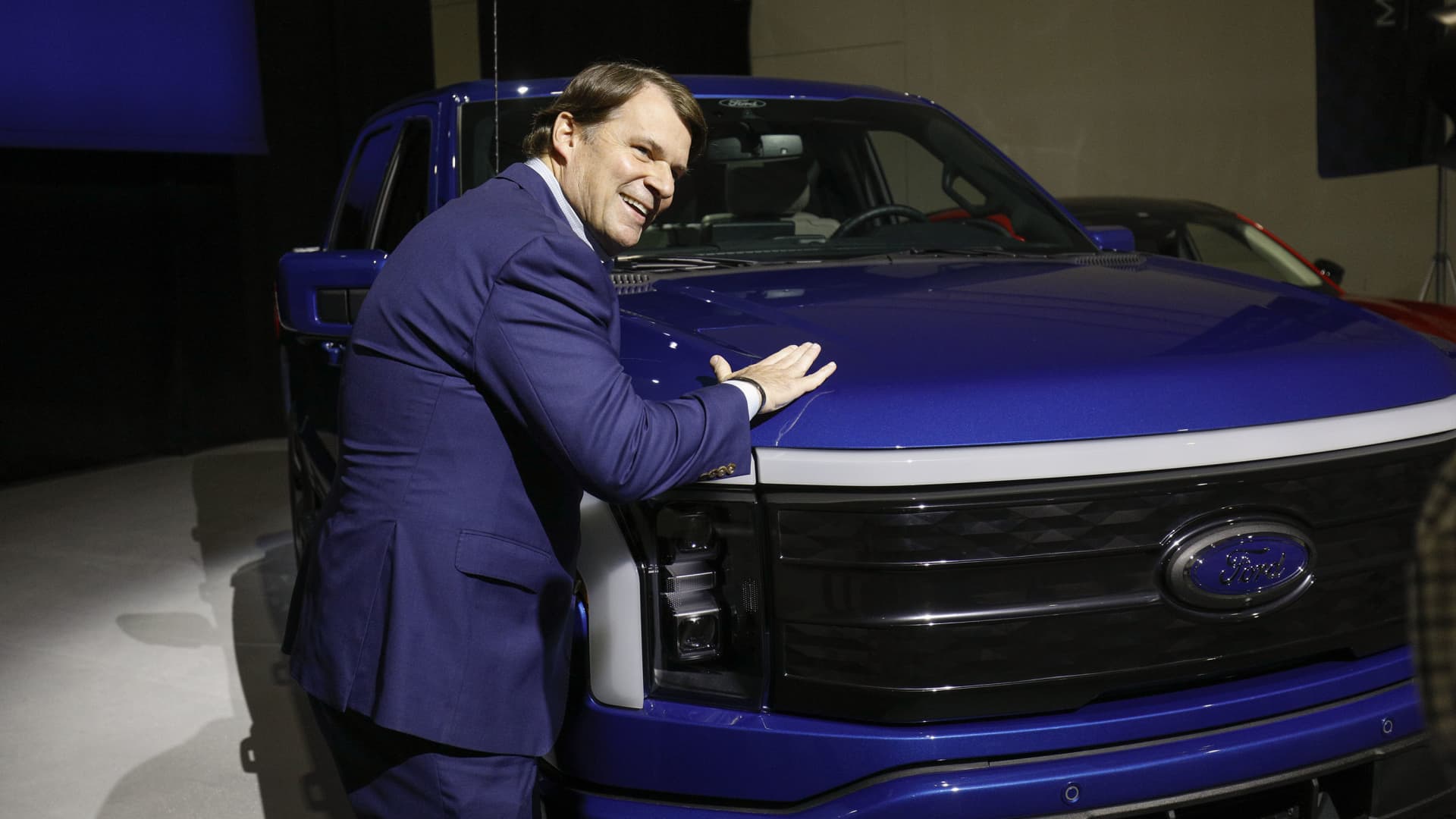
Ford Motor Company, long plagued by persistent vehicle recalls and escalating warranty costs, has announced a significant turnaround in its product reliability, achieving a top ranking in J.D. Power’s influential initial quality study. This pivotal achievement signals a strategic shift under CEO Jim Farley, who is now targeting flawless new vehicle launches to cement Ford’s improved reputation and operational efficiency.
🗝️ Corporate Strategy Insights
- Operational Overhaul. Ford implemented a new organizational structure, hired 350 technical specialists, and revamped processes to proactively identify and rectify issues early in development, directly addressing historical quality deficiencies.
- Incentive Alignment. Executive compensation has been directly tied to quality metrics, fostering accountability and aligning leadership focus with improved product reliability, a critical factor for long-term customer trust.
- Focused Launch Discipline. CEO Farley is targeting ‘flawless’ launches for an entirely new North American vehicle lineup in the coming years, aiming to prevent the costly warranty issues that have previously eroded profitability and brand perception.
For much of the past decade, Ford held an unenviable lead in U.S. vehicle recalls, issuing an industry record of 153 recalls covering 13 million cars and trucks in 2025 alone. These persistent issues have not only dented customer confidence but also exacted a heavy financial toll, costing the automaker billions of dollars in losses under CEO Jim Farley’s tenure. However, a recent announcement by Farley, highlighted during an exclusive CNBC interview, suggests a significant pivot: the company has achieved a critical quality milestone, learning from past mistakes and positioning itself for a new era of product excellence.
The efforts to turn the tide gained external validation when the Ford brand was named the top mass-market brand in the U.S. in J.D. Power’s initial quality ranking, a remarkable leap from its 23rd position in 2023. This is the first time since 2010 that Ford has led mainstream brands in this influential study, which assesses new vehicle quality based on owner-reported problems within the first 90 days. Ford’s improvement spanned nearly every vehicle category, including crucial areas like software, infotainment systems, and powertrains.
- Ford’s warranty costs, which reached a high of $4.8 billion in 2023, saw a reduction of $1.5 billion in 2025, adjusted for volume and mix, with further reductions targeted for 2026. This financial improvement underscores the tangible benefits of the company’s quality initiatives.
- The company’s focus on identifying issues earlier in the development process, reinforced by closer collaboration with suppliers and more rigorous testing, is central to its strategic objective to enhance overall Ford quality.
- Despite these gains, challenges remain, particularly in long-term durability. Ford and its luxury Lincoln brand ranked 18th and 19th respectively in J.D. Power’s U.S. Vehicle Dependability Study in February, indicating a need for sustained focus beyond initial quality.
Strategic Ripple Effect of Enhanced Ford Quality
The notable improvement in Ford quality is poised to send significant ripples through the automotive industry, affecting not only Ford’s direct market positioning but also intensifying pressure on competitors. A sustained enhancement in product reliability and customer satisfaction (as evidenced by J.D. Power’s ranking) creates a virtuous cycle: improved initial quality often translates into higher customer retention, stronger brand loyalty, and ultimately, increased market share. This directly impacts rivals like Toyota and General Motors, who rely heavily on their reputation for dependability. As Ford aggressively targets flawless new vehicle launches, particularly with advanced software-defined systems and electrified powertrains, it establishes a higher bar for innovation and execution across the sector. This strategic focus can lead to a more competitive landscape where companies must either invest heavily in their own quality control or risk losing ground. For investors tracking broader global market trends, this shift signals a potential recalibration of valuation metrics within the automotive sector, with a renewed emphasis on operational excellence.
The most critical strategic takeaway for Ford is the tangible shift from addressing symptomatic quality issues to embedding a proactive, prevention-focused culture across its entire product lifecycle, a fundamental change crucial for long-term competitive advantage.
Key Operational Metrics: Ford’s Quality Turnaround
Ford’s strategic pivot towards superior quality is reflected in several critical operational and financial indicators. These metrics illustrate the company’s progress and the challenges that remain in its ongoing journey toward market leadership in reliability.
- J.D. Power Initial Quality Study Ranking: Ford improved from #23 in 2023 to #1 among mass-market brands in 2026. This metric is crucial as it directly reflects owner-reported problems within the first 90 days, impacting early customer satisfaction and brand perception.
- Warranty Cost Reductions: Ford reduced warranty and materials costs by $1.5 billion in 2025, with further reductions targeted for 2026, following a peak of $4.8 billion in 2023. Lower warranty costs directly translate to improved profitability and financial stability.
- Vehicle Recalls (Annual): While 2025 saw an industry record of 153 recalls covering 13 million vehicles, Farley’s strategy aims for ‘massive reduction’ in future recalls for current and new products. Reducing recalls is vital for preventing regulatory penalties, preserving customer trust, and mitigating unexpected expenses.
- J.D. Power Vehicle Dependability Study Ranking: Ford ranked #18 in the 2026 study, below the industry average. This metric, measuring problems in vehicles aged three years, indicates that while initial quality has improved, long-term durability remains an area for continued strategic focus and investment.
Ford Motor Company Strategic Analysis
Ford’s current strategy is a robust re-orientation around fundamental operational excellence, spearheaded by CEO Jim Farley’s ‘Ford+’ plan. This isn’t merely a reactive measure to past recall woes; it’s a deliberate, top-down cultural transformation aimed at embedding quality at every stage of the product lifecycle. The integration of 350 new technical specialists, coupled with a revised executive bonus structure directly tied to quality metrics, signifies a profound organizational commitment. Furthermore, the decision to re-engage experienced ‘gray beard’ engineers to complement AI tools demonstrates a pragmatic approach to innovation, recognizing that human expertise remains invaluable in complex engineering challenges. This multi-pronged strategy suggests Ford is building a sustainable competitive advantage not just through new product development, but by fortifying its core manufacturing and engineering processes, positioning it for long-term growth in an increasingly demanding automotive market, as discussed by experts in company strategy and corporate growth.
Ford Motor Company Market Leadership
While Ford’s traditional market leadership has been historically rooted in its iconic F-Series pickups, the recent J.D. Power ranking for initial quality represents a significant broadening of its competitive moat beyond mere sales volume. Achieving the top mass-market brand position signals a renewed ability to compete on product integrity across its diverse portfolio. This is crucial for retaining market share, especially as new entrants and established rivals intensify their focus on quality and advanced technologies. This validated improvement in analyst perspectives on the automotive sector allows Ford to command higher pricing power, reduce discounting pressures, and enhance resale values, all of which are vital components of sustained market leadership. It also strengthens Ford’s position in the evolving electric vehicle (EV) segment, where initial quality perceptions are paramount for consumer adoption of new technologies. The challenge now lies in translating this initial quality leadership into long-term dependability and an undisputed top-tier brand reputation.
Ford’s Quality Renaissance: Paving the Road Ahead
Ford’s recent achievement in the J.D. Power initial quality rankings marks a critical inflection point, demonstrating the tangible results of years of focused operational and cultural restructuring under CEO Jim Farley. This turnaround in Ford quality is more than just a statistical victory; it signals a robust internal commitment to excellence, aiming to mitigate costly recalls and rebuild consumer trust. The company’s future success hinges on its ability to sustain this momentum, ensuring flawless launches of its upcoming vehicle lineup and improving long-term dependability.
- Ford’s aggressive push to reduce warranty costs and enhance engineering processes directly impacts its bottom line and investor confidence.
- The strategic decision to tie executive bonuses to quality metrics is a powerful incentive for continuous improvement across the organization.
- Sustaining initial quality gains into long-term durability will be crucial for Ford to cement its reputation and competitive standing against global rivals.
Can Ford maintain this upward trajectory and transform its initial quality triumph into an enduring legacy of market-leading reliability for years to come?
### 📊 StockXpo Analyst’s View
Market Impact: This news is a significant positive signal for Ford investors, potentially improving investor sentiment by demonstrating tangible progress on a long-standing operational challenge. Reduced warranty costs and fewer recalls will directly bolster profitability, which could translate to upward revisions in earnings forecasts and strengthen the stock’s valuation. While the stock already saw a bump, sustained positive data could drive further institutional interest in stock markets and investment analysis.
Sector To Watch: The automotive manufacturing sector will be keenly watching Ford’s trajectory. If Ford can consistently demonstrate superior quality in its new launches, it forces competitors to re-evaluate their own quality control investments, potentially leading to an industry-wide push for higher standards. This could particularly affect companies heavily invested in new technologies like EVs and software-defined vehicles, as initial quality for these complex products is paramount. Investors should also monitor supplier performance within the automotive supply chain for ripple effects.
Financial Disclaimer:
StockXpo.com is a financial news aggregator and educational portal, not a registered investment advisor or broker-dealer. All information, news, and analysis provided herein are strictly for educational purposes and do not constitute investment, financial, legal, or tax advice. Investing in the stock market involves high risks, and past performance is not indicative of future results. StockXpo will not be liable for any financial losses or investment damages. Always consult a certified financial advisor before making market decisions.
MORE IN INSIDE BUSINESS

Young Airplane Scrapping: A $17 Million Engine Crisis Reshaping Aviation
Published: Saturday, October 24, 2026 · 8:26 AM

American Express Workforce Cuts: A Strategic AI Preparation
Published: Friday, October 23, 2026 · 9:50 AM