Published: Friday, July 3, 2026 · 6:48 PM | Updated: Friday, July 3, 2026 · 6:48 PM
📊 251 views




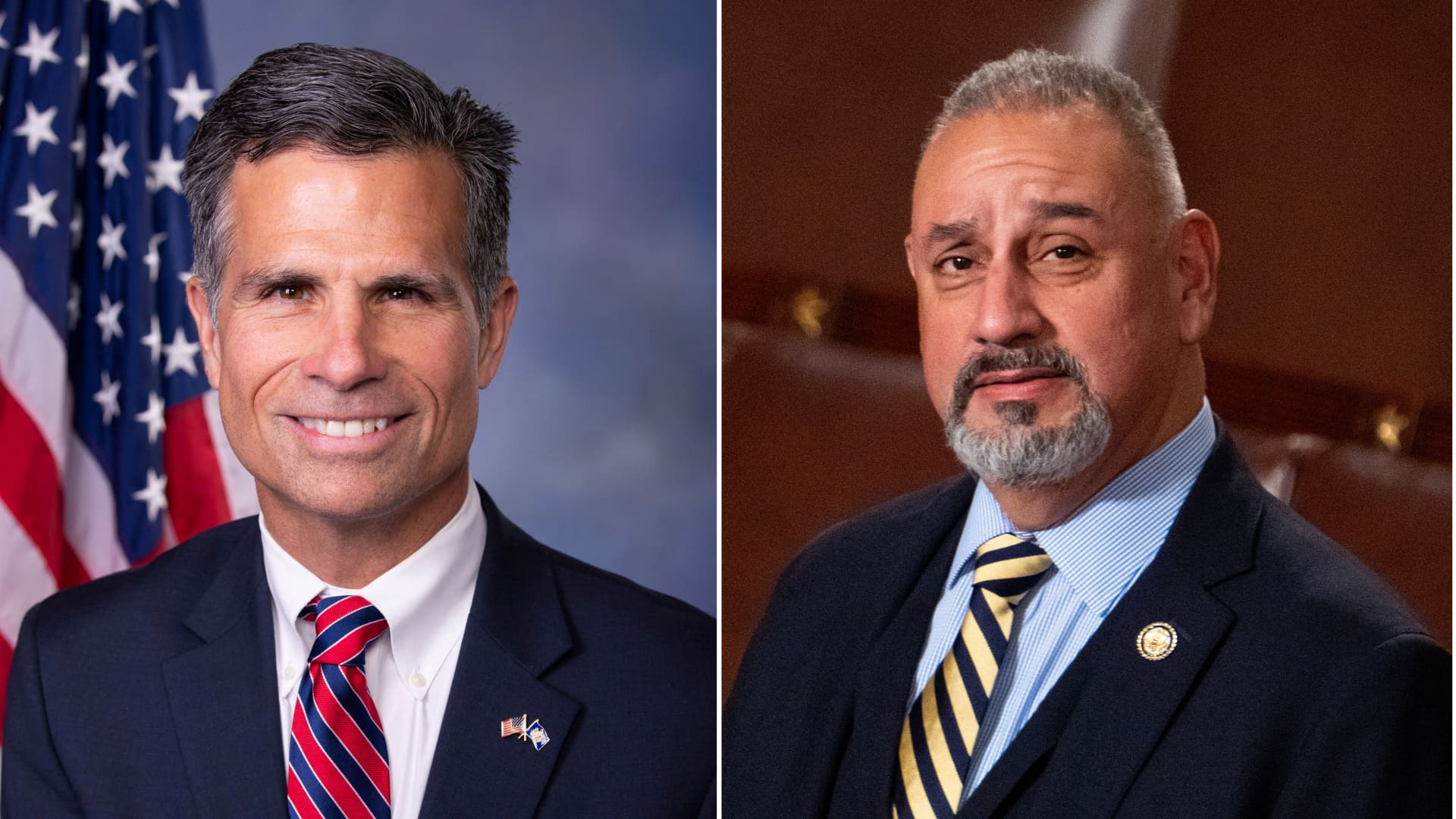
Recent disclosures reveal that U.S. lawmakers and their families engaged in significant SpaceX stock buys shortly after the company’s colossal initial public offering. This activity, while not illegal under current regulations, has reignited long-standing debates over congressional ethics and potential conflicts of interest, particularly given the members’ committee assignments.
🚀 Tech Strategy & Market Disruptions
- IPO Valuation Milestone. SpaceX’s $2 trillion-plus market cap at IPO sets a new benchmark for private tech companies going public, signaling robust investor confidence in ambitious aerospace and AI ventures.
- Regulatory Scrutiny Intensifies. Congressional trades in a company with significant federal contracts highlight the persistent ethical ambiguities and increase calls for tighter oversight on lawmakers’ personal investments.
- Wave of Mega IPOs. The success of SpaceX’s public debut is seen as a precursor for other highly anticipated listings from AI powerhouses like Anthropic and OpenAI, indicating a new era for technology market trends.
Two members of Congress, Rep. Dan Meuser (R-Pa.) and Rep. Gil Cisneros (D-Calif.), along with their dependent family members, purchased SpaceX shares just days after the company’s monumental June 12 IPO. Meuser’s dependent child acquired between $15,001 and $50,000 worth of stock on June 15, while Cisneros disclosed a June 18 purchase ranging from $1,001 to $15,000. These transactions are particularly sensitive given Meuser’s role on the House Financial Services Committee and Cisneros’s position on the House Armed Services Committee, which oversees the Defense Department, a significant SpaceX customer, as Reuters highlighted.
While both lawmakers have stated adherence to disclosure rules and denied trading on nonpublic information, the timing and nature of these SpaceX stock buys underscore the political vulnerabilities inherent in congressional stock ownership. Cisneros emphasized reliance on outside financial advisors, a common defense, yet the optics remain challenging for public trust.
The record-breaking SpaceX IPO, which saw shares open at $150 and swiftly push the company’s valuation past $2 trillion, represents a critical moment for the public markets. Its success, fueled by investor appetite for Elon Musk’s ventures and cutting-edge technology, is expected to pave the way for a series of high-profile public listings from other private tech giants. For instance, AI juggernauts Anthropic and OpenAI have already confidentially filed for U.S. IPOs, potentially targeting valuations reaching $1 trillion. This surge in market activity, especially in emerging technologies, warrants close monitoring for investors tracking technology market trends.
- Rep. Meuser’s dependent child bought $15,001-$50,000 in SpaceX stock on June 15.
- Rep. Cisneros purchased $1,001-$15,000 in SpaceX stock on June 18.
- SpaceX went public on June 12 with a market cap exceeding $2 trillion, the largest IPO on record.
The ripple effect of these congressional trades extends beyond mere compliance, feeding into a broader narrative around transparency and accountability. A new API could streamline financial disclosures, leading to faster integration of public data and potentially disrupting the opaque nature of political investments. This, in turn, could drive a demand for more stringent ethics oversight and legislative action regarding stock trading by elected officials.
“The transparency around congressional stock transactions is crucial for maintaining public confidence in both financial markets and legislative integrity. When lawmakers invest in entities that are subject to their oversight, it inevitably raises questions, regardless of legal compliance. This dynamic challenges the perception of unbiased governance in an era of rapid technological advancement and substantial federal contracting.”
SpaceX Market Adoption Challenges Ahead
Despite its phenomenal IPO and established dominance in areas like satellite internet and reusable rocket technology, SpaceX faces evolving market adoption challenges. The company’s Starlink division, while expansive, contends with competitive pressures from traditional telecom providers and other emerging satellite constellations. Scaling Starlink’s subscriber base globally requires navigating diverse regulatory landscapes and overcoming infrastructure hurdles in remote regions. Furthermore, the high capital expenditure required for sustained innovation in space exploration and satellite deployment means continuous fundraising and market validation are paramount. Public market scrutiny, particularly post-IPO, will intensely focus on profitability metrics and efficient capital allocation, which traditionally has not been the primary driver for a private, growth-focused entity like SpaceX.
SpaceX Ecosystem Expansion Potential Unlocked
SpaceX’s long-term growth hinges significantly on its ecosystem expansion potential. Beyond Starlink and Falcon-series launches, the integration of xAI into its structure, as revealed by the previous investment by Rep. Lisa McClain’s family, signifies a strategic push into artificial intelligence. This synergy could unlock new avenues for advanced satellite functionalities, autonomous space operations, and data analytics capabilities, fundamentally transforming its offering. The ambition to colonize Mars, while futuristic, acts as a powerful motivator for innovation, drawing top talent and securing governmental and private funding for next-generation technologies like Starship. This integrated vision positions SpaceX not just as a space company, but as a multi-faceted tech conglomerate with deep roots in AI, telecommunications, and advanced manufacturing, offering rich educational tech insights through its various initiatives.
The Future Trajectory of SpaceX and Political Oversight
The recent SpaceX stock buys by members of Congress underscore the increasing interconnectedness of advanced technology, vast capital markets, and public policy. While legally compliant, these investments highlight a persistent ethical gray area that erodes public trust and fuels calls for reform. The transparency and perceived integrity of elected officials are vital, especially as companies like SpaceX become critical players in national infrastructure and defense.
- The trades by Congress members, while legal, intensify the debate over legislative ethics.
- SpaceX’s IPO success paves the way for a new wave of mega-cap tech public listings.
- Continued calls for a ban on individual stock trading by lawmakers are gaining momentum.
How will the surging public market interest in companies like SpaceX and OpenAI influence future legislative attempts to regulate congressional trading?
📊 StockXpo Analyst’s View
Market Impact: The attention on congressional SpaceX stock buys could inject a degree of uncertainty into legislative processes surrounding tech and defense sectors. While direct impact on SpaceX’s stock (currently trading around $162 after its $150 opening) is minimal, the broader market may view such controversies as potential regulatory headwinds for companies reliant on government contracts or favorable policy, especially as investor interest in exploring emerging technologies grows. This could temper some of the enthusiasm for future mega-IPOs if ethical concerns overshadow growth prospects.
Sector To Watch: The aerospace and defense sector, alongside the nascent commercial space industry, warrants close observation. Companies with significant government contracts or those lobbying for policy changes may face increased scrutiny. Additionally, the broader AI and deep-tech sectors, preparing for their own public debuts, should prepare for intensified examination of financial disclosures and potential conflicts of interest, as Bloomberg reported on the burgeoning AI market.
Financial Disclaimer:
StockXpo.com is a financial news aggregator and educational portal, not a registered investment advisor or broker-dealer. All information, news, and analysis provided herein are strictly for educational purposes and do not constitute investment, financial, legal, or tax advice. Investing in the stock market involves high risks, and past performance is not indicative of future results. StockXpo will not be liable for any financial losses or investment damages. Always consult a certified financial advisor before making market decisions.
MORE IN INSIDE TECHNOLOGY

AI Buildout Hits Credit Headwinds: Neoclouds Under Pressure
Published: Saturday, October 24, 2026 · 12:23 AM

SK Hynix Shares Rebound: A Strategic Shift in Semiconductor Funding
Published: Friday, October 23, 2026 · 1:46 AM