Published: Saturday, August 15, 2026 · 9:46 AM | Updated: Thursday, September 3, 2026 · 9:07 AM
📊 101 views




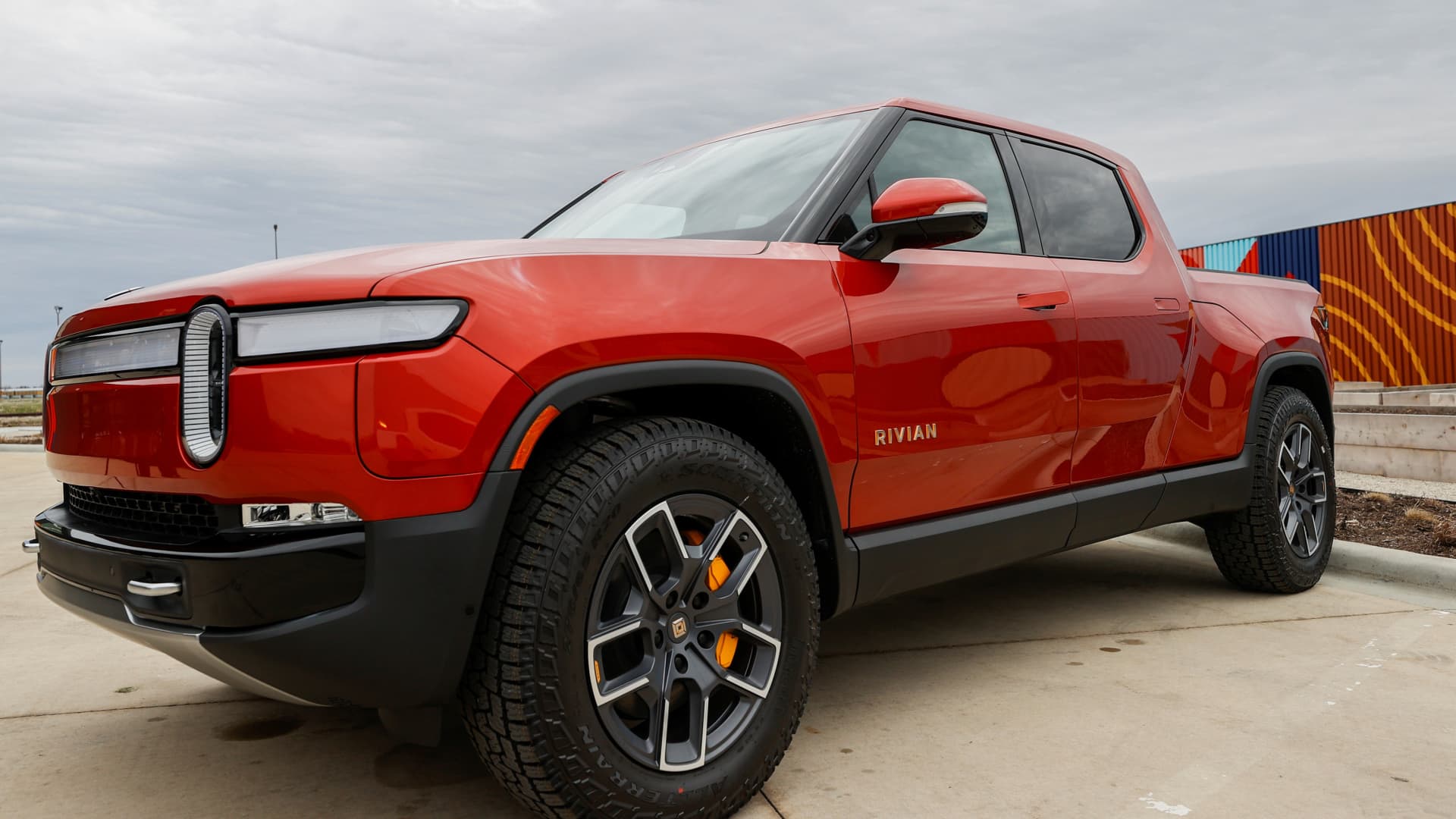
The landscape of advanced driver-assistance systems (ADAS) is heating up, with Rivian’s Autonomy+ emerging as a formidable challenger to Tesla FSD (Supervised). This intensifying competition signals a critical phase for electric vehicle manufacturers, as software-driven capabilities become central to corporate strategy and future revenue generation.
🗝️ Corporate Strategy Insights
- Vertical Integration & Efficiency. Rivian’s commitment to in-house software and electrical architecture is enhancing Autonomy+ capabilities, aiming to match Tesla’s operational efficiency in ADAS development.
- Competitive Feature Race. Rivian is rapidly developing point-to-point driving and urban navigation for Autonomy+, directly challenging the current market leadership of Tesla FSD (Supervised) beyond highway driving.
- Monetizing Software Subscriptions. Advanced ADAS platforms represent a significant growth avenue for automakers, transitioning vehicles into recurring software and services revenue streams, crucial for long-term valuation.
Recent real-world drives reveal that while Rivian’s Autonomy+ has surpassed legacy systems like General Motors’ Super Cruise, it remains several steps behind Tesla FSD (Supervised) in handling complex non-highway scenarios. Tesla’s system adeptly navigates traffic lights, signs, and intricate urban environments, tasks Rivian acknowledges it is still developing for later this year. This gap highlights the significant challenge in moving from controlled highway driving to unpredictable city streets, a leap that Tesla’s Grok AI noted involves ‘chaos, intersections, bikes, peds, construction and ambiguous rules’.
The evolution of ADAS is increasingly driven by internal expertise and vertical integration, a strategy pioneered by Tesla. Rivian is now adopting a similar approach, crediting recent Autonomy+ improvements to its new generation of software and electrical architecture. This self-reliance offers automakers greater control over development cycles, cost efficiencies, and the ability to rapidly deploy updates, a core component of their competitive moats in the rapidly evolving EV sector. Traditional automakers like Ford and GM, while making progress with highway-focused systems, are not expected to launch similar non-highway ‘eyes-off’ capabilities until 2028, underscoring the lead held by Tesla and now, increasingly, Rivian.
Investors are keenly watching these developments, recognizing ADAS as a vital growth market with substantial potential for recurring revenue. Piper Sandler analyst Alexander Potter highlighted this shift, stating, ‘As volume rises, Rivian should be better able to monetize software & services, a key benefit of vertical integration.’ This aligns with a broader trend in the automotive industry, where software capabilities are becoming as important as hardware in attracting and retaining customers. The ability to generate consistent income from software subscriptions transforms the vehicle purchase into a long-term revenue relationship, enhancing the lifetime value of each customer. This shift is a key area for those monitoring global stock markets for strategic investment opportunities and understanding global business trends.
Sensor technology also defines a critical divergence. Tesla relies predominantly on a ‘vision-based’ setup using cameras, a system that has drawn scrutiny from the National Highway Traffic Safety Administration (NHTSA) following crashes related to reduced visibility. In contrast, Rivian is pursuing a ‘multimodal imaging’ approach, integrating at least 10 high dynamic range cameras, five radars, and planning for lidar in its upcoming R2 vehicles. This diversified sensor suite aims to provide a more robust detection capability, particularly in challenging conditions, a direct counter-strategy to Tesla’s single-modality dependence. Such foundational differences in core technology could determine long-term reliability and safety, which are paramount for widespread adoption of advanced driver assistance systems.
The intensifying competition in ADAS directly impacts market dynamics in the electric vehicle sector. Rivian’s rapid advancement in Autonomy+ capability, from basic highway assistance to imminent point-to-point navigation, creates a significant ripple effect:
- Enhanced Competition → Increased pressure on Tesla to maintain its FSD lead, potentially accelerating its own development and safety enhancements.
- Market Differentiation → Automakers offering superior ADAS can command premium pricing and improve brand loyalty, expanding their addressable market for software subscriptions.
- Legacy Automaker Challenges → GM and Ford face heightened urgency to catch up, risking market share erosion if their ADAS solutions remain limited to highways, compelling heavier investment in R&D or strategic partnerships.
- Regulatory Scrutiny → As ADAS capabilities grow, so does the focus on safety, particularly regarding ‘hands-off’ driving and driver attentiveness, which could lead to new industry standards and regulatory frameworks.
“We favor self-reliant (and properly-valued) companies that are building next-gen machines using in-house expertise,” noted Piper Sandler analyst Alexander Potter, underscoring the strategic imperative for vertical integration to monetize software and services effectively.
The pricing models for advanced driver-assistance systems reflect their growing value as a recurring revenue stream, a critical shift for company strategy:
- Tesla FSD (Supervised): $99 per month
- Rivian Autonomy+: $49.99 per month or a one-time purchase of $2,500 for the vehicle’s lifetime
- GM Super Cruise: $39.99 per month or $399 annually
These subscription tiers illustrate how software is transforming into a direct profit center, creating long-term revenue visibility for automakers beyond the initial vehicle sale.
Rivian’s Strategic Push: Closing the Autonomy Gap
Rivian’s investment in Autonomy+ marks a clear strategic commitment to directly challenging Tesla’s ADAS leadership. By emphasizing vertical integration and a multimodal sensor suite (cameras, radar, and future lidar), Rivian is building a foundation for robust, potentially safer autonomous capabilities. Their goal to achieve point-to-point navigation later this year positions them as the most credible challenger to Tesla FSD in terms of feature parity. This aggressive development timeline suggests Rivian is not merely competing on hardware but is acutely focused on establishing a software-defined competitive advantage, critical for long-term growth and market share in the EV industry.
Tesla’s Competitive Moat: Software and Data Scale
Tesla’s enduring competitive advantage in ADAS stems from its decade-plus lead in collecting real-world driving data and its sophisticated AI models, refined through millions of FSD miles. The company’s vision-only approach, while debated, has demonstrated remarkable capability in diverse driving conditions, as shown in tests from rural Michigan to downtown Ann Arbor. This vast data feedback loop creates a powerful moat, allowing for continuous, rapid improvement of its FSD software. The integration of xAI’s Grok chatbot further showcases Tesla’s strategy to embed advanced AI deeply into the driving experience, leveraging its technology ecosystem to enhance both functionality and user interaction, driving its corporate growth strategy.
Rivian’s Autonomy+ Trajectory: What’s Next for EV Competition
Rivian’s rapid advancement in Autonomy+ capability signifies a major strategic shift in the electric vehicle market, directly challenging Tesla’s long-held ADAS leadership. Moving beyond basic highway assistance, Rivian’s multimodal sensor approach and aggressive development timeline are setting the stage for an intense competitive battle in urban autonomous driving.
- Rivian is poised to achieve point-to-point navigation later this year, narrowing the feature gap with Tesla FSD.
- The company’s focus on a robust, multimodal sensor stack, including future lidar, offers a distinct safety and reliability proposition compared to Tesla’s vision-only system.
- The monetization of ADAS through subscriptions is becoming a critical revenue stream, shaping long-term financial health for EV manufacturers.
Will Rivian’s comprehensive sensor strategy ultimately provide a more reliable and safer platform to surpass Tesla’s vision-centric system in the long run?
📊 StockXpo Analyst’s View
Market Impact: This escalating ADAS competition is a bullish signal for the broader EV market, driving innovation and potentially accelerating consumer adoption of advanced vehicle technologies. Investors should anticipate increased R&D spending from all major automakers, but also the emergence of new, lucrative software-driven revenue streams. This could lead to a re-rating of EV manufacturers based on their software prowess and recurring income potential, impacting broader investment analysis. News and insights from publications like Bloomberg Markets frequently highlight these shifts.
Sector To Watch: The automotive technology sector, particularly suppliers of lidar, radar, and advanced AI processors, stands to gain significantly. Furthermore, companies specializing in automotive software development and cybersecurity for connected vehicles will see increased demand, reflecting a growing industry focus on holistic system integration and data integrity.
Financial Disclaimer:
StockXpo.com is a financial news aggregator and educational portal, not a registered investment advisor or broker-dealer. All information, news, and analysis provided herein are strictly for educational purposes and do not constitute investment, financial, legal, or tax advice. Investing in the stock market involves high risks, and past performance is not indicative of future results. StockXpo will not be liable for any financial losses or investment damages. Always consult a certified financial advisor before making market decisions.
MORE IN INSIDE BUSINESS

Young Airplane Scrapping: A $17 Million Engine Crisis Reshaping Aviation
Published: Saturday, October 24, 2026 · 8:26 AM

American Express Workforce Cuts: A Strategic AI Preparation
Published: Friday, October 23, 2026 · 9:50 AM