Published: Wednesday, September 9, 2026 · 5:41 AM | Updated: Wednesday, September 9, 2026 · 5:41 AM
📊 225 views




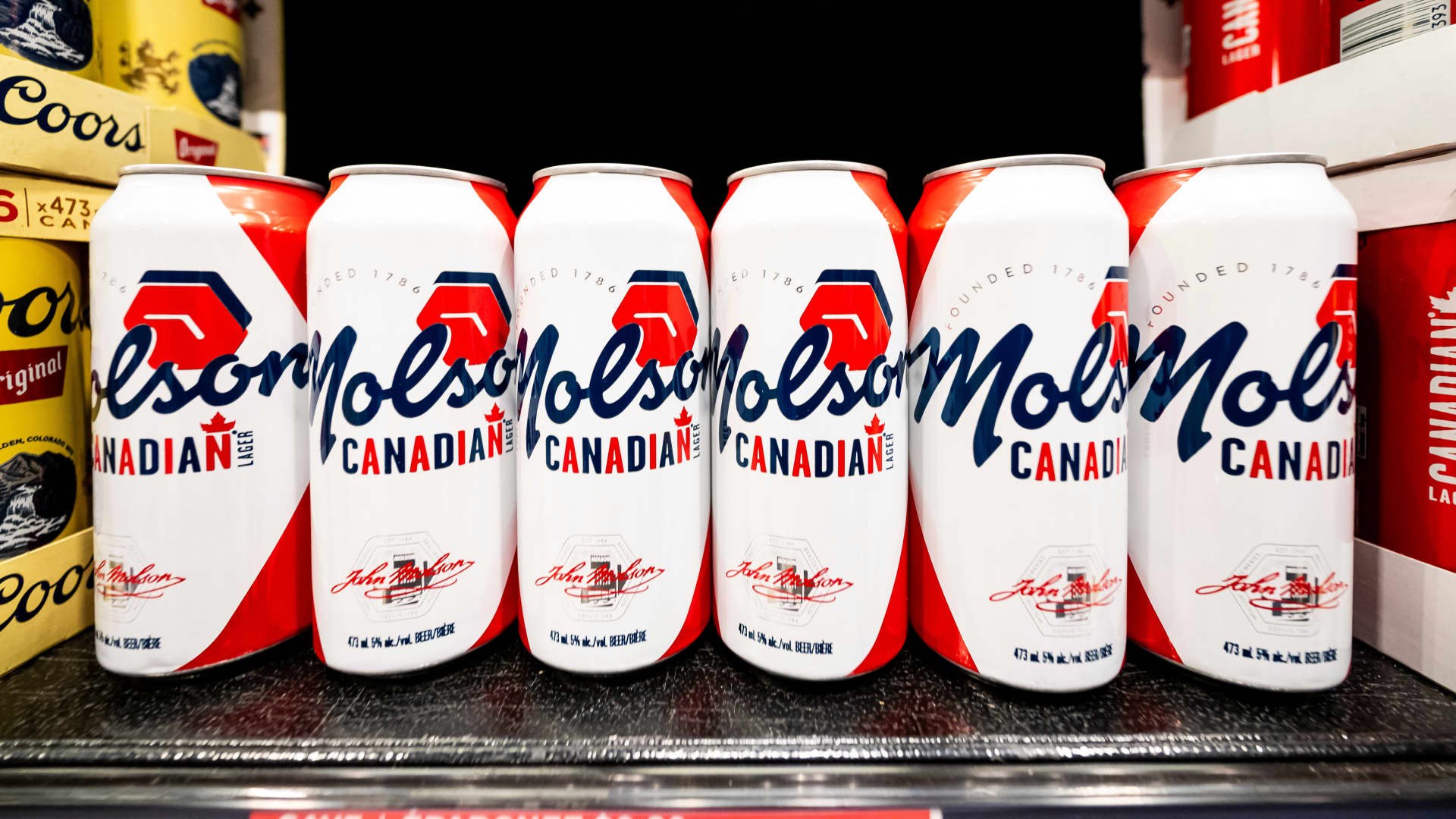
The ongoing trade dispute between the United States and Canada has taken a significant turn with Washington’s latest move to impose an import ban on a range of Canadian products. This escalation, coming on the heels of retaliatory Canadian tariffs, signals deepening economic friction between two of the world’s largest trading partners, posing immediate challenges to macro-stability and systemic growth across North America.
📊 Macro-Economic Strategic Insights
- Escalating Trade War. The U.S. is banning imports of Canadian motorbikes, alcoholic beverages, and other goods, replacing earlier tariffs and marking a significant escalation in the bilateral trade dispute.
- Retaliatory Measures. This move directly follows Canada’s imposition of CA$27.6 billion in tariffs on over 700 U.S. goods, intensifying the ‘dollar for dollar’ trade conflict.
- Sector-Specific Impact. Industries such as alcoholic beverages, automotive parts, and agricultural products are directly affected, signaling immediate disruptions for businesses and consumers in both nations.
The White House has announced a stringent import ban on several Canadian products, including motorbikes, whey products, molasses, non-alcoholic and alcoholic beers, wines, ciders, whiskies, and other spirits. These restrictions, effective September 29, 2026, supplant previous 50% tariffs and represent a hardening stance by the U.S. administration. Concurrently, tariffs on other Canadian goods like all-terrain vehicles and animal hides will be extended, while rock salt and cement are removed from the list, as per the U.S. Trade Representative Jamieson Greer, citing Canada’s ‘discriminatory treatment of crucial American exports.’
This latest U.S. action is a direct response to Canada’s retaliatory tariffs, which came into effect on the same day. Ottawa’s tariffs, totaling CA$27.6 billion, target a broad spectrum of U.S. imports, including steel, dairy, farm equipment, pulp and paper, and electronics. These measures were a ‘dollar for dollar’ reaction to the earlier 50% U.S. tariffs imposed in August after bilateral trade talks collapsed. Both nations continue to assign blame for the failure to reach a resolution, each accusing the other of unfair trade practices that purportedly harm domestic workers and industries.
The dispute has spotlighted sectors like auto, alcohol, and dairy. U.S. President Donald Trump has consistently pointed to the U.S.’ trade deficit in goods, threatening a 50% tariff on Canadian cars, trucks, and auto parts from January 1, 2027. Conversely, Canadian Prime Minister Mark Carney argues that the U.S. ‘asked too much’ during negotiations, emphasizing Canada’s role as the largest consumer of U.S. cars and steel, and stating that retaliation is necessary to protect Canadian jobs despite potential economic setbacks and reduced consumer choice. For those seeking to gain deeper educational insights on global trade, our blog offers comprehensive resources.
- The U.S. import ban specifically targets Canadian-made motorbikes, whey, molasses, non-alcoholic beer, and a comprehensive list of alcoholic beverages, reflecting a precise economic strike.
- Canada’s CA$27.6 billion retaliatory tariffs cover over 700 goods, underscoring the breadth of its counter-measures.
- Economists warn that despite the current tariffs affecting a relatively small portion of the $715.5 billion bilateral trade, the escalating measures pose significant risks to small- and medium-sized businesses and overall growth for both economies.
**THE RIPPLE EFFECT:**
Trade Restrictions → Reduced Cross-Border Trade Volumes → Supply Chain Disruptions → Higher Costs for Businesses & Consumers → Potential Inflationary Pressures / Reduced Demand → Slower Economic Growth.
Increased Tariffs → Decreased Profit Margins for Importers → Consumer Price Hikes → Reduced Purchasing Power → Local Industry Protectionism → International Trade Friction.
**EXPERT IMPACT:**
“Trade disputes between closely integrated economies like the U.S. and Canada create significant economic drag, particularly through uncertainty costs. Businesses must navigate not only tariffs but also compliance complexities and the unpredictable nature of diplomatic relations, leading to deferred investment and cautious spending across the board.”
**STRICT DATA TABLES:**
To understand the tangible impact of the escalating trade dispute, several key figures illuminate the financial dimensions at play:
- **Canadian Retaliatory Tariffs:** CA$27.6 billion on U.S. imports. This figure represents the direct financial burden Canada has imposed on specific American goods, aimed at balancing the economic impact of U.S. tariffs.
- **Total U.S.-Canada Goods Trade (Pre-Dispute):** $715.5 billion. This large sum underscores the deep economic interdependence between the two nations, making even targeted tariffs significant for specific sectors.
- **U.S. Spirits Exports to Canada (Post-Ban):** Fell >70% year-on-year (March-December 2025). This dramatic decline, reported by the Distilled Spirits Council of the United States, exemplifies the immediate and severe impact of trade restrictions on specific industry sectors.
North American Trade Policy Commentary
The recent U.S. import ban on Canadian goods marks a critical juncture in North American trade policy, diverging sharply from the historical integration fostered by agreements like NAFTA and its successor. This aggressive stance by the U.S. highlights a protectionist agenda aimed at rectifying perceived trade imbalances, particularly in sectors like automotive and dairy. The Canadian response, calibrated as a ‘dollar for dollar’ retaliation, underscores Ottawa’s commitment to defending its domestic industries and sovereignty. The tit-for-tat dynamic creates a volatile environment for businesses that have built intricate cross-border supply chains over decades. Policy observers note that such actions risk long-term damage to economic relationships, pushing allies to seek alternative trade partners, as evidenced by Ottawa reportedly exploring closer ties with the European Union, a development also highlighted by Reuters reports on global trade dynamics.
Global Benchmarking on Trade Disputes
The U.S.-Canada trade dispute offers a salient case study for global benchmarking of trade friction. While similar disputes have flared between other major economies, such as the U.S. and China, the U.S.-Canada situation is unique due to their geographical proximity, shared border, and deeply intertwined economies. The use of specific import bans rather than broad tariffs, particularly in consumer goods like alcohol, mirrors tactics seen in other geopolitical trade spats aimed at exerting maximum political pressure while minimizing broader economic fallout for the imposing nation. However, the direct impact on highly integrated supply chains, like those in the automotive sector, is more akin to disruptions observed when industrial giants clash. The willingness of both sides to absorb economic pain for perceived national interest is a common thread in modern trade conflicts, but the duration and intensity vary, often depending on domestic political cycles and the strategic importance of the contested sectors. According to economic analyses by Bloomberg, prolonged disputes often lead to diversified supply chains and increased production costs globally.
The Economic Strain of the Import Ban on North American Trade
The U.S. import ban on Canadian goods represents a significant escalation, deepening the existing trade war and casting a long shadow over North American economic stability. This action directly impacts key Canadian industries, leading to immediate revenue losses and supply chain realignments, while forcing U.S. consumers and businesses to seek alternative, potentially more expensive, sources. The reciprocal nature of these tariffs and bans ensures that economic pain is felt on both sides of the border, raising costs and reducing choices for consumers. To explore further macro trends and policy shifts, visit our economy section.
- The targeted nature of the U.S. import ban, especially on alcohol and motorbikes, directly penalizes Canadian producers and impacts American distributors.
- The tit-for-tat tariff increases the cost of doing business across the world’s longest undefended border, reducing the competitiveness of industries in both countries.
- Uncertainty generated by the ongoing dispute deters investment and future growth, impacting small and medium-sized enterprises particularly hard.
Can a durable resolution be found before the economic costs become irreversible for both nations?
### 📊 StockXpo Analyst’s View
Market Impact: This escalating trade conflict introduces considerable uncertainty into North American markets, particularly for cross-border equities and companies with intertwined supply chains. Investor sentiment is likely to remain cautious, leading to potential volatility in sectors directly impacted by the import bans and retaliatory tariffs. We anticipate a flight to safety in certain asset classes while defensive stocks may see increased interest. The overall market liquidity for goods affected could also tighten, leading to price fluctuations. Investors are encouraged to monitor broader stock markets and investment analysis to gauge the wider economic sentiment.
Sector To Watch: The alcoholic beverage, automotive, and agricultural sectors are front and center. Canadian alcohol producers and U.S. distributors will continue to feel the pinch. Simultaneously, the threat of further auto tariffs from the U.S. creates immense risk for the entire North American automotive supply chain. Investors should closely monitor agricultural commodity prices, as shifts in trade policy often lead to re-routing of goods and price instability.
Financial Disclaimer:
StockXpo.com is a financial news aggregator and educational portal, not a registered investment advisor or broker-dealer. All information, news, and analysis provided herein are strictly for educational purposes and do not constitute investment, financial, legal, or tax advice. Investing in the stock market involves high risks, and past performance is not indicative of future results. StockXpo will not be liable for any financial losses or investment damages. Always consult a certified financial advisor before making market decisions.
MORE IN INSIDE ECONOMY

Fed Rates: Kevin Warsh’s Hawkish Stance Risks October Surprise
Published: Friday, October 16, 2026 · 2:08 PM

UK Economy Registers Unexpected 0.1% Growth Amidst Headwinds
Published: Thursday, October 15, 2026 · 2:54 AM