Published: Saturday, August 15, 2026 · 9:15 AM | Updated: Thursday, September 3, 2026 · 9:08 AM
📊 62 views




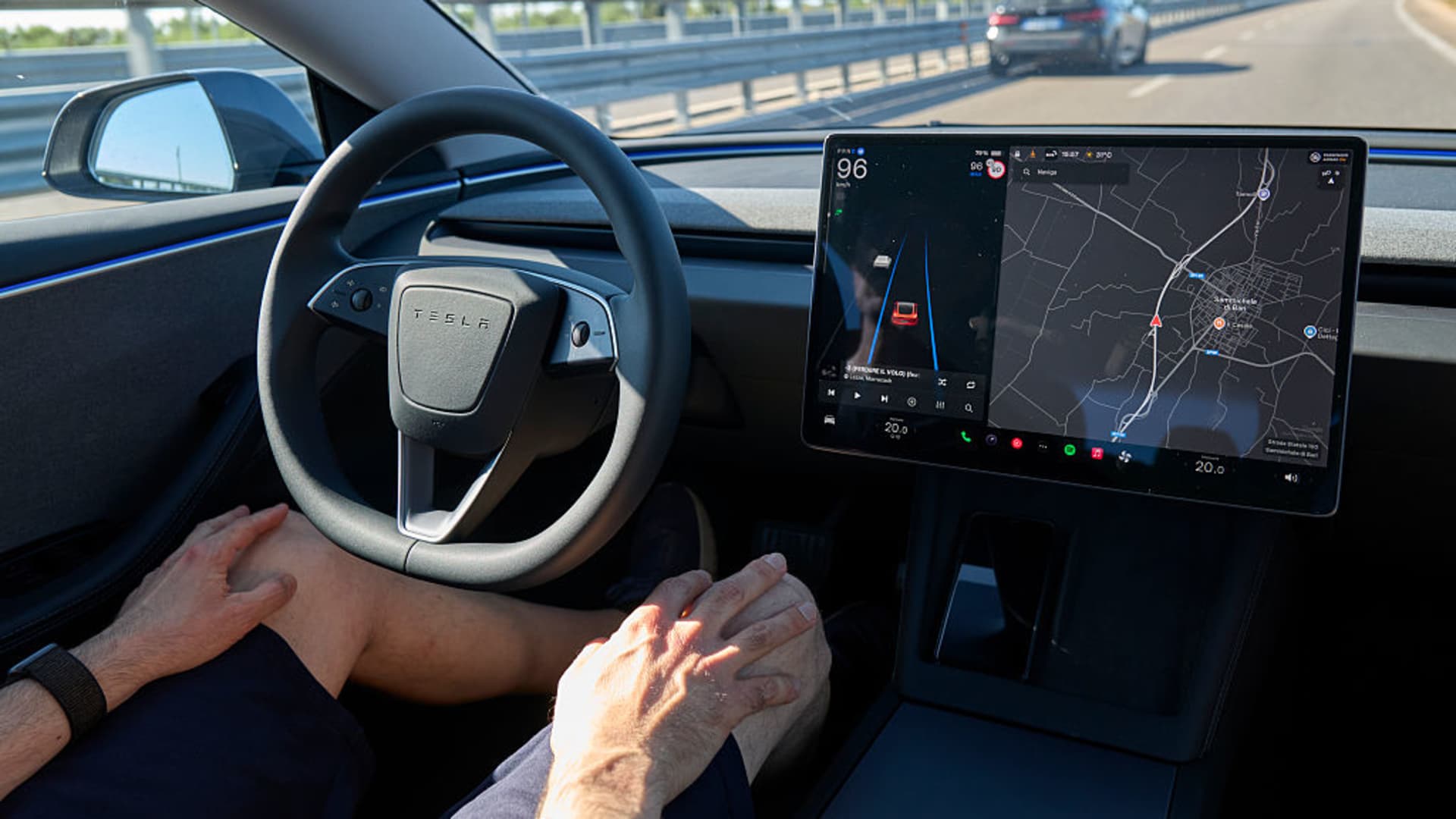
The automotive industry is grappling with a pivotal question: how long will highly complex software-defined cars truly last? As vehicles increasingly mimic smartphones in their reliance on sophisticated digital ecosystems, analysts and manufacturers face the unprecedented challenge of managing rapid hardware obsolescence against long-term consumer expectations for vehicle longevity. This paradigm shift could fundamentally reshape ownership models, repairability, and the very concept of a car’s lifespan.
🚀 Tech Strategy & Market Disruptions
- Smartphone-Like Aging. Complex software-defined vehicles (SDVs) risk aging faster than traditional cars, with hardware potentially unable to support future software updates, similar to mobile devices.
- Feature Attrition Risks. Past instances like the 3G network shutdown left millions of vehicles without core services, highlighting the vulnerability of features tied to evolving, external technological infrastructure.
- Repairability & Value Dynamics. Proprietary technology in SDVs poses significant challenges for long-term repair, potentially segmenting the used car market and impacting classic car culture.
Americans are retaining their vehicles for extended periods, with the average U.S. vehicle age now reaching 12.8 years, according to Mobility Global. However, the advent of software-defined cars introduces a new variable: the potential for these advanced machines to age more like smartphones than conventional automobiles. These vehicles rely heavily on sophisticated computing and software to manage functions traditionally handled by mechanical or simpler electronic systems. The ability to receive over-the-air (OTA) updates and constant connectivity to communications networks allows automakers like Rivian to remotely diagnose issues, apply fixes, and even introduce new features. Rivian’s Chief Software Officer, Wassym Bensaid, emphasizes this dynamic, stating, ‘the least capable Rivian you will ever get from us is on the day of your purchase, and then it will keep improving and getting better and better over time.’
This evolving technological landscape has significant implications for the automotive sector and consumers. With new vehicles costing nearly $50,000 on average in the U.S., the comparison to a rapidly obsolescing smartphone raises concerns. Hardware limitations could render certain features unavailable as software advances, or product support is discontinued. The inherent complexity and proprietary nature of these technologies also cast doubt on the long-term repairability of vehicles. Sam Fiorani, Senior Vice President of Vehicle Forecasting for AutoForecastSolutions, bluntly notes, ‘We honestly don’t know how long these vehicles will last. We’re already seeing problems with hardware not being able to deal with new software.’
The phenomenon of technology loss in vehicles is not entirely new. In 2022, AT&T initiated the shutdown of its 3G wireless network, leaving millions of cars from various brands without access to previously advertised features like emergency response services and certain navigation functionalities. While vehicles remained operational, the promised perks vanished. Similarly, Tesla, which claimed in 2016 that all vehicles produced had the necessary hardware for Full Self-Driving (FSD), later informed owners that upgrades to Hardware 4 and new cameras would be required for ‘unsupervised’ FSD, as reported by CNBC. Rivian’s Bensaid indicates the company aims to build enough hardware ‘headroom’ to support 7 to 10 years of software upgrades, committing to indefinite safety and security updates.
- Evolution of software outgrowing hardware is expected to become common within a few years of ownership, impacting feature availability.
- Automakers are likely to prioritize basic safety and security patches indefinitely due to product liability and ethical incentives.
- Maintaining software support for older hardware platforms incurs ongoing costs for manufacturers, contrasting with traditional, hardware-centric repair models.
The adoption of advanced, connected architectures in software-defined cars drives a continuous development cycle, enabling over-the-air (OTA) updates for new features and performance enhancements. This innovation, while beneficial for improving vehicle capabilities post-purchase, creates a strong dependency on underlying hardware. When hardware inevitably reaches its operational limits or proprietary software support wanes, it leads to feature degradation or outright loss, effectively curtailing the vehicle’s functional lifespan. This phenomenon threatens established market norms, from traditional service models and aftermarket parts availability to the long-term resale value of vehicles, forcing a re-evaluation of automotive ownership economics and potentially causing significant shifts in broader technology market trends. The ultimate impact is a fundamental disruption to the auto industry’s product lifecycle management, demanding new strategies for hardware scalability, software maintenance, and customer relationship management over extended periods.
‘A software-defined car is fundamentally a platform where core vehicle functions, from powertrain control to infotainment and safety systems, are managed and continuously evolved through software rather than fixed mechanical components,’ explains a StockXpo senior analyst. ‘This shift enables unprecedented customization and upgrades but necessitates robust long-term hardware support and a comprehensive lifecycle strategy to avoid premature obsolescence.’
While robust data tables on specific hardware/software obsolescence rates are still emerging, current industry observations provide key metrics:
- Average U.S. Vehicle Age: Currently stands at 12.8 years, indicating a historical trend of longer vehicle ownership.
- Average New Car Cost: Approximately $50,000 in the U.S., highlighting the significant investment consumers make in their vehicles.
Software-Defined Cars’ Market Adoption Challenges
Consumer acceptance and sustained market adoption for software-defined cars face several hurdles, primarily centered on trust, long-term costs, and privacy. The uncertain longevity of software-dependent features and the proprietary nature of much of the underlying technology raise legitimate concerns about the total cost of ownership over a vehicle’s lifespan. Alex Yurchenko, VP of Data Insights at J.D. Power, suggests the used car market could bifurcate into vehicles with ongoing OTA support and those without, impacting valuation. Furthermore, the burgeoning ‘right to repair’ movement, pushing for greater consumer and independent mechanic access to diagnostic tools and repair information, is critical. Rivian’s stated commitment to soon provide owners with a ‘service menu’ and AI-assisted diagnostics aligns with this trend, aiming to empower owners to perform basic repairs and diagnostics, a move that could shape future emerging technologies and policy. The broader industry must address these trust and access issues to ensure widespread, confident adoption, offering compelling insights from Reuters Technology on industry best practices.
Ecosystem Expansion Potential for Software-Defined Platforms
The true innovation-driven growth potential of software-defined cars lies in their ability to foster dynamic, expanding ecosystems. Beyond basic OTA updates, these platforms can enable new revenue streams through subscription services, personalized applications, and enhanced predictive maintenance capabilities. Much like smartphones spurred an app economy, SDVs could support a rich tapestry of third-party integrations, offering everything from advanced navigation features to in-car productivity tools and entertainment options. This continuous evolution could transform a vehicle from a static asset into a flexible, adaptable personal platform, significantly extending its utility and value proposition. However, realizing this potential requires robust API standards, stringent cybersecurity measures, and a commitment to open, yet secure, architectures, areas where forward-thinking automotive players are drawing lessons from established tech giants, as reported by Bloomberg Technology and through gaining educational tech insights.
Software-Defined Cars: Navigating the Automotive Longevity Paradox
The transition to software-defined cars represents a profound shift, offering dynamic vehicle improvement but simultaneously introducing a longevity paradox where constant technological evolution clashes with traditional ownership horizons. Managing this delicate balance will define industry leaders and consumer trust for decades to come.
- Strategic Hardware Planning: Automakers must commit to designing hardware with significantly more ‘headroom’ to future-proof against rapid software advancements and mitigate early obsolescence.
- Consumer Transparency: Clear communication on long-term feature support, hardware upgrade pathways, and data privacy will be crucial for maintaining buyer confidence and brand loyalty.
- Service Model Evolution: The aftermarket and independent repair sectors require standardized access to diagnostics, software tools, and parts to ensure sustainable vehicle repairability and affordability.
Can the automotive industry successfully integrate the agility of software development with the durability expectations of a $50,000 asset, or will consumers be forced to embrace shorter vehicle lifecycles?
📊 StockXpo Analyst’s View
Market Impact: The evolving narrative around software-defined cars introduces considerable uncertainty into long-term asset valuation, particularly for the used car market where feature deprecation could significantly depress resale values. Investors will closely watch how manufacturers manage hardware upgrade cycles and commitment to legacy software support, impacting brand loyalty and pricing power.
Sector To Watch: The automotive tech and aftermarket services sectors are poised for significant transformation. Companies specializing in modular hardware, standardized software interfaces, or comprehensive vehicle diagnostics tools will see increased demand, while traditional repair shops face pressure to adapt or risk obsolescence.
Financial Disclaimer:
StockXpo.com is a financial news aggregator and educational portal, not a registered investment advisor or broker-dealer. All information, news, and analysis provided herein are strictly for educational purposes and do not constitute investment, financial, legal, or tax advice. Investing in the stock market involves high risks, and past performance is not indicative of future results. StockXpo will not be liable for any financial losses or investment damages. Always consult a certified financial advisor before making market decisions.
MORE IN INSIDE TECHNOLOGY

AI Legal Tech: Revolutionizing Billing and Training in Law with Innovation
Published: Saturday, October 10, 2026 · 2:58 AM

Starlink India: Regulatory Hurdles and Innovation-Driven Growth Risks
Published: Friday, October 9, 2026 · 12:48 AM