Published: Saturday, October 10, 2026 · 8:31 AM | Updated: Saturday, October 10, 2026 · 8:31 AM
📊 11 views




Amidst tightening consumer budgets and persistent inflationary pressures, a significant strategic shift is sweeping across the retail sector: assortment trimming. Major players from luxury activewear to discount clubs are proactively reducing their stock keeping units (SKUs) to enhance profitability, regain pricing power, and streamline operations, marking a critical juncture for industry players navigating evolving market dynamics. This pivot directly impacts operational efficiency and market leadership.
🗝️ Corporate Strategy Insights
- Enhancing Profitability Through SKU Rationalization. Retailers are cutting less popular items to reduce inventory holding costs, minimize markdowns, and boost gross margins, directly addressing bottom-line pressures exacerbated by cautious consumer spending.
- Regaining Pricing Power and Brand Integrity. By offering a more curated selection, brands like Lululemon and Under Armour aim to mitigate excessive discounting, preserving their premium perception and allowing for higher full-price sales.
- Optimizing Supply Chain and Operational Efficiency. Fewer SKUs simplify inventory management, improve product flow from warehouse to shelf, and enable better allocation of resources, translating into greater supply chain resilience and operational savings.
Retailers are confronting a challenging economic environment where shoppers are tightening spending, particularly on discretionary items, due to elevated gas and food prices. In response, a cohort of prominent retailers, including Dollar General, Under Armour, BJ’s Wholesale Club, and Lululemon, are strategically reducing their product assortments to improve their financial health and appease investors. This move is a calculated effort to stabilize sales, prevent a glut of unwanted inventory, and ultimately boost overall profitability.
The strategy of SKU reduction aims to tackle the pervasive issue of discounting, which erodes profit margins. When products fail to sell, retailers often resort to promotions, diminishing both revenue and brand value. Guggenheim Securities senior retail analyst Simeon Siegel notes, ‘If you have zero discounting, you\’re not taking enough fashion risk… But discounting needs to be fixing mistakes. It needs to be done quickly.’ This sentiment underscores the delicate balance between innovation and inventory management. For a broader perspective on market trends, investors often consult current market shifts.
Companies like Under Armour and Lululemon have acutely felt the repercussions of aggressive markdowns. Under Armour, for instance, saw its operating income turn negative in fiscal 2025 and 2026. CEO Kevin Plank emphasized a shift towards quality over volume: ‘Today, we\’re managing for quality. Fewer products with greater purpose, tighter execution and a clear reason to buy,’ adding that the company plans to ‘sell so much more of so many less products at a much higher full retail price.’ Lululemon also experienced a significant dip in operating profit by about $300 million from fiscal 2024 to 2025, even as sales grew over $500 million, leading to a substantial share price decline.
- Under Armour aims to cut another 25% of SKUs, following a 25% reduction in recent years.
- Lululemon has already reduced North America SKUs by 15%.
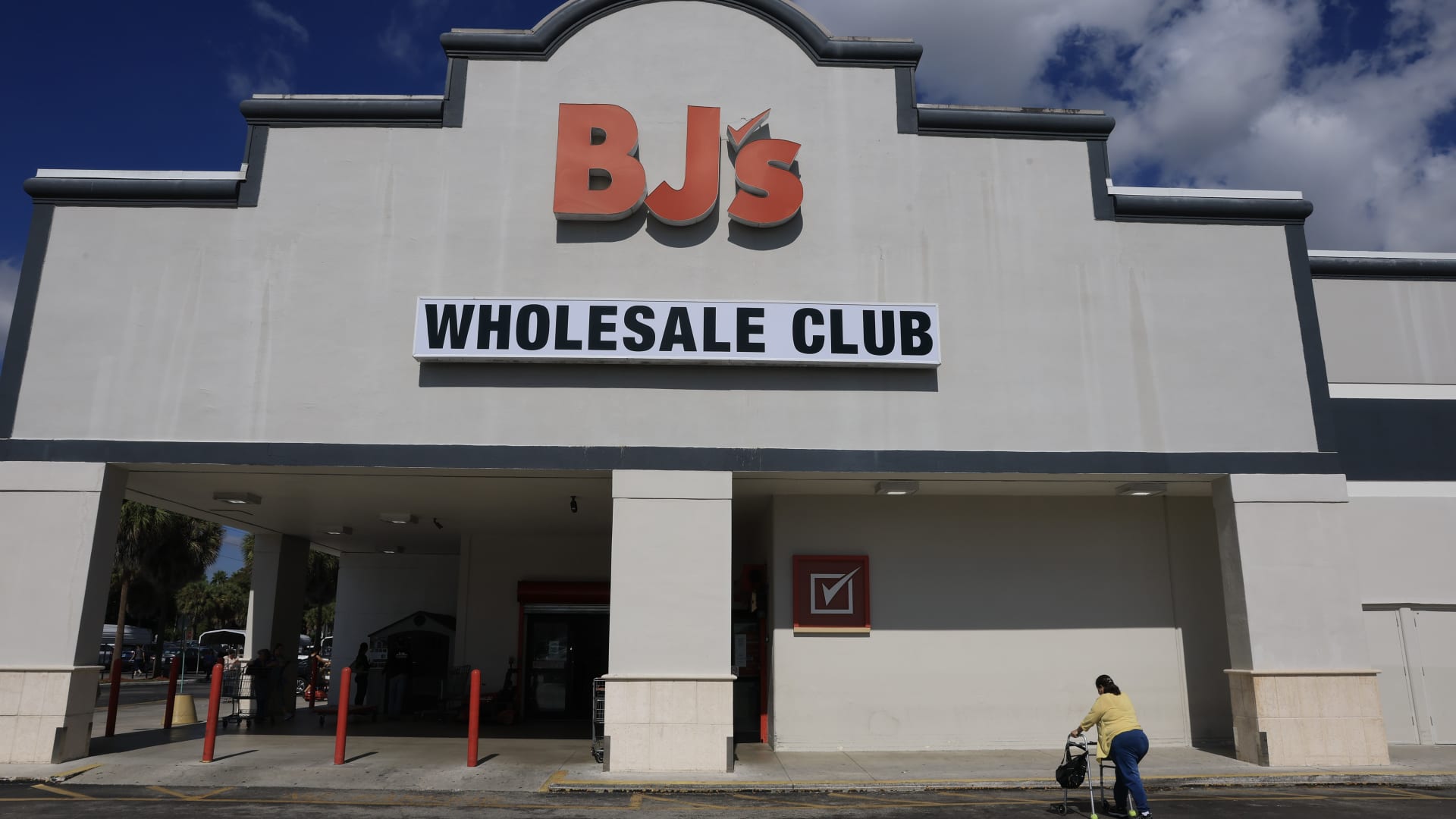
- BJ’s Wholesale Club plans a roughly 20% SKU reduction.
- Dollar General trimmed 1,500 SKUs to enhance supply chain productivity.
This move, while seemingly counterintuitive to growth, is a strategic play to regain pricing power and brand exclusivity, a key insight for understanding company strategy.
The strategic decision by major retailers to engage in SKU rationalization creates a multifaceted ripple effect across the industry. The primary chain begins with SKU Reduction, which directly leads to Improved Inventory Turnover and Reduced Holding Costs. By shedding slow-moving or redundant products, retailers decrease the capital tied up in inventory, freeing up cash flow and mitigating the risk of obsolescence. This, in turn, funnels into Enhanced Profit Margins for the implementing companies, as fewer markdowns are necessary and operational expenses related to storage and management diminish.
Simultaneously, this focus on a more Curated Product Offering strengthens a brand’s identity and perceived value. For premium brands like Lululemon, this move aims to reverse the ‘cheapening’ effect that Siegel describes, potentially leading to Higher Full-Price Sales and increased brand loyalty. The impact on competitors is significant: those who cling to overly broad assortments risk being outmaneuvered by more agile, profitable rivals. This competitive pressure could force other retailers to adopt similar Strategic Adjustments, leading to a widespread industry shift towards leaner, more efficient product portfolios to maintain or gain stock markets share.
‘Today, we\’re managing for quality. Fewer products with greater purpose, tighter execution and a clear reason to buy,’ said Under Armour CEO Kevin Plank on the company’s fiscal first-quarter earnings call in August. ‘We will sell so much more of so many less products at a much higher full retail price.’
| Company | SKU Reduction Action | Strategic Rationale / Impact |
|---|---|---|
| Under Armour | Cut 25% of SKUs (past few years), plans another 25% reduction. | To regain pricing power and quality focus after operating income turned negative, aiming for higher full-retail prices. |
| Lululemon | Reduced North America SKUs by 15%. | Addressing falling operating profit despite sales growth; combating brand dilution from too much product. |
| BJ’s Wholesale Club | Plans to reduce roughly 20% of SKUs. | To better manage inventory, refine offerings, push sales into remaining products, and make room for new categories. |
| Dollar General | Trimmed 1,500 SKUs (after 1,000 in previous year). | To open shelf space for best-selling products, improve supply chain productivity, and ensure product availability for consumers. |
Lululemon’s Competitive Advantages Amidst Portfolio Refinement
Lululemon Athletica Inc. (LULU) has built a formidable brand reputation around premium activewear and a strong community connection. Its competitive advantages lie in superior product quality, innovative design, and a direct-to-consumer model that fosters strong customer relationships. Despite these strengths, the recent 15% SKU reduction in North America highlights a critical challenge: maintaining exclusivity and premium perception while pursuing aggressive growth. Simeon Siegel observed that beyond a certain domestic revenue threshold (estimated $3-$4 billion), brands risk ‘cheapening what they stand for.’ Lululemon’s strategic refinement aims to recalibrate its offering, ensuring that growth does not come at the expense of its high-value brand image. This disciplined approach to product assortment reinforces its position against rivals and seeks to re-establish a healthy balance between market penetration and brand integrity, setting a benchmark for others in the athletic apparel space.
Under Armour Strategic Analysis: Rebuilding Brand Value
Under Armour, Inc. (UA) is undergoing a significant strategic overhaul, marked by an aggressive 25% SKU reduction over recent years with plans for another 25% cut. This move is a direct response to past issues of over-inventory, excessive discounting, and a subsequent decline in operating income. The company’s prior strategy of chasing sales volume led to diluted brand value and profitability challenges. CEO Kevin Plank’s directive to prioritize ‘quality’ and ‘fewer products with greater purpose’ is a clear signal of intent to rebuild its competitive moat. By focusing on essential, high-performing products, Under Armour aims to command higher full-retail prices and restore its premium athletic performance identity. This strategic shift is crucial for reclaiming market share and investor confidence in a fiercely competitive landscape dominated by giants like Nike. For further insights into industry performance, see recent business news.
Assortment Trimming: The Future of Retail Profitability?
The ongoing trend of assortment trimming represents more than just a seasonal adjustment; it signifies a fundamental recalibration of retail corporate strategy. By prioritizing operational efficiency and profitability over sheer volume, companies are adapting to a new era of consumer behavior and market realities. This strategic pivot, however, carries inherent risks, as evidenced by BJ’s previous missteps in SKU reduction, but the potential rewards of enhanced margins and stronger brand equity appear to outweigh these challenges for many.
- Retailers are moving towards a ‘less is more’ philosophy to combat discounting and protect brand value.
- Operational benefits include streamlined supply chains and reduced inventory costs.
- Success hinges on surgical SKU cuts that align with core customer demand rather than indiscriminate reductions.
Will this focused approach empower retailers to sustain long-term growth and higher profitability in an unpredictable economic climate?
### 📊 StockXpo Analyst’s View
Market Impact: This strategic shift towards SKU rationalization is likely to be viewed positively by investors in the long run, as it signals a commitment to profitability and disciplined capital allocation. While initial revenue declines might occur as companies shed less profitable lines, the ultimate goal is improved operating margins and free cash flow, which should enhance valuations. Market liquidity might see a temporary dip in less popular product categories as inventories are cleared, but a more focused product offering can lead to stronger, more predictable revenue streams for key items.
Sector To Watch: The apparel and footwear sectors, particularly premium brands, will be closely watched. Companies that effectively execute assortment trimming while maintaining brand allure, such as Lululemon and Under Armour, could emerge as market leaders. Discount retailers like Dollar General and wholesale clubs like BJ’s also stand to gain through improved inventory turns and better shelf space utilization, potentially attracting more budget-conscious consumers seeking essential items. This trend could accelerate consolidation as smaller players struggle to compete with the operational efficiencies of larger, more focused retailers. For a wider range of educational insights into such market dynamics, explore our latest analyses.
Financial Disclaimer:
StockXpo.com is a financial news aggregator and educational portal, not a registered investment advisor or broker-dealer. All information, news, and analysis provided herein are strictly for educational purposes and do not constitute investment, financial, legal, or tax advice. Investing in the stock market involves high risks, and past performance is not indicative of future results. StockXpo will not be liable for any financial losses or investment damages. Always consult a certified financial advisor before making market decisions.
MORE IN INSIDE BUSINESS

Saudi Arabia Flight Decision: Delta Weighs Safety Amid Regional Tensions
Published: Friday, October 9, 2026 · 7:21 AM

Skydance Vertical Win: Ellison’s Bold Strategy for Media Dominance
Published: Thursday, October 8, 2026 · 12:44 PM