
Published: Friday, October 9, 2026 · 7:21 AM | Updated: Friday, October 9, 2026 · 7:21 AM
📊 10 views




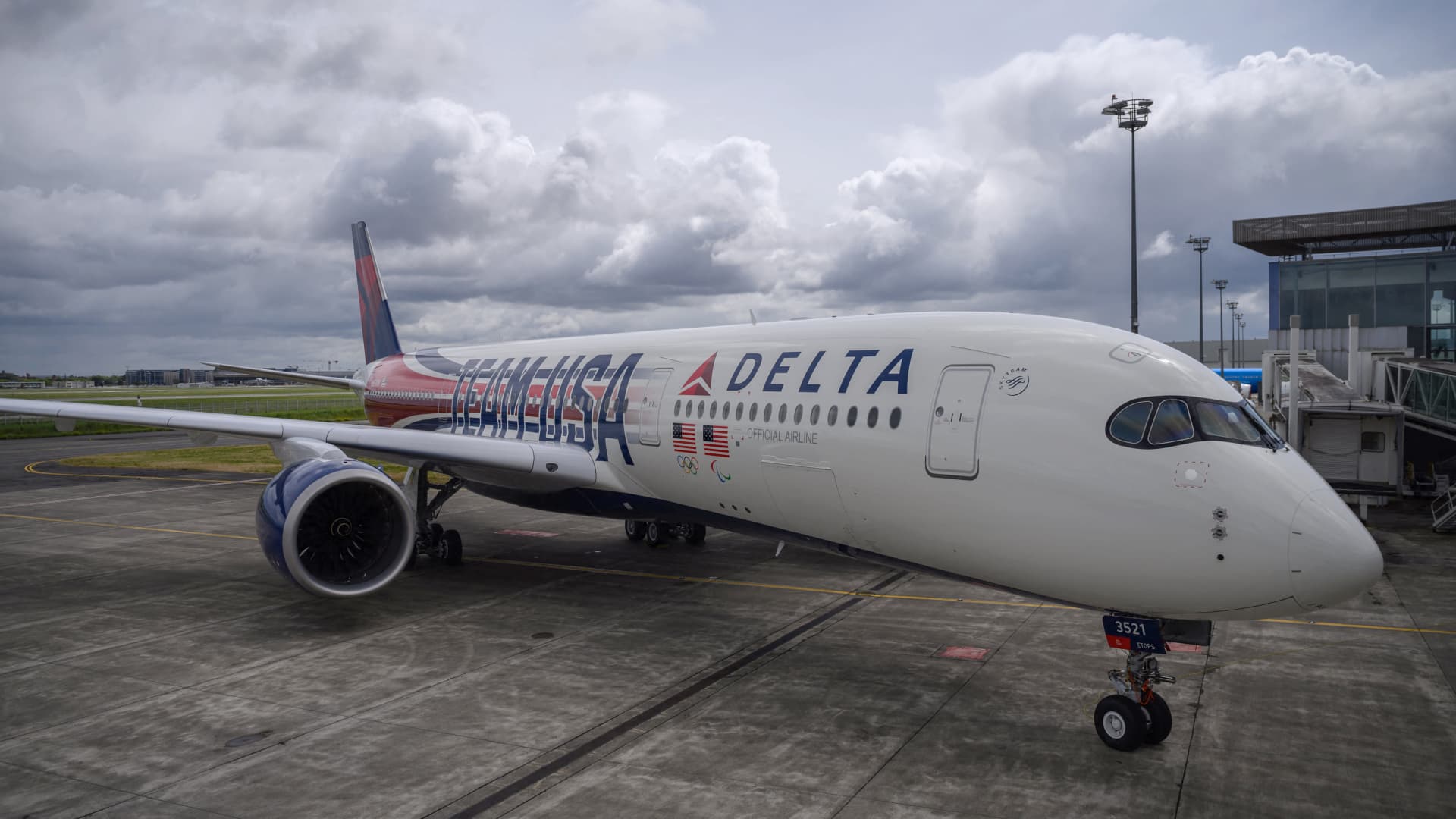
Delta Air Lines is reconsidering the launch of its highly anticipated, inaugural nonstop service between Atlanta and Riyadh, Saudi Arabia, following recent Houthi rebel attacks in the region. CEO Ed Bastian has explicitly stated that safety will be the deciding factor, a move that underscores the airline industry’s delicate balance between strategic market expansion and paramount operational security. This decision could set a precedent for future route developments in volatile geopolitical areas.
🗝️ Corporate Strategy Insights
- Prioritizing Safety over Schedule. Delta’s CEO Ed Bastian publicly affirms that operational safety supersedes the planned October 23 launch of the Atlanta-Riyadh route, a critical ethical and brand positioning stance.
- Market Entry Risk Assessment. The decision highlights the dynamic risk assessment involved in international expansion, particularly into regions with escalating geopolitical instability, directly impacting potential first-mover advantage.
- Competitive Service Differentiation. As the first U.S. airline planned for this nonstop U.S.-Riyadh service, a delay or cancellation affects Delta’s unique market position and allows competitors time to reassess their own expansion strategies.
Delta CEO Ed Bastian confirmed the airline is evaluating the viability of its new Atlanta-Riyadh route amidst recent Houthi rebel attacks near King Khalid International Airport. The attacks, which reportedly resulted in fatalities, have forced a critical re-evaluation of the planned October 23 launch. This highly anticipated Saudi Arabia flight was set to mark the first direct service between the U.S. and Riyadh by a U.S. carrier, a significant strategic expansion for Delta.
The airline’s commitment to safety, as articulated by Bastian, underscores a fundamental principle in aviation, especially when entering new, potentially high-risk markets. While the route promised to tap into growing demand and enhance Delta’s global network, the escalating security concerns present an unavoidable challenge to operational efficiency and passenger confidence. This situation demonstrates the intricate interplay between geopolitical events and corporate strategic execution.
The initial plan was for daily service from October 23-30, before moving to a three-times-a-week schedule. Any postponement or cancellation would not only impact Delta’s revenue forecasts for the route but also potentially deter future expansion efforts into similar regions. Airlines must factor in a broad spectrum of risks, from economic volatility to political unrest, when planning their networks. This scrutiny of airline routes in politically sensitive zones is a common topic in Reuters’ business insights.
- Crew and Passenger Security: Ensuring the well-being of all personnel and customers is non-negotiable.
- Insurance and Liability: Higher risk profiles can lead to increased operational costs and insurance premiums.
- Brand Reputation: Maintaining a perception of safety is crucial for long-term customer loyalty and market share.
This incident serves as a stark reminder that even well-planned routes can face abrupt disruptions due to unforeseen external factors, compelling airlines to maintain flexible and responsive strategic frameworks.
Strategic Ripple Effect: How Delta’s Decision Impacts Global Aviation
Geopolitical Instability → Route Reassessment → Delayed Market Entry → Potential Loss of First-Mover Advantage. Delta’s hesitation on the Saudi Arabia flight directly impacts its ability to capture a unique segment of the U.S.-Riyadh travel market. If Delta delays, competitors might gain insights into demand dynamics without bearing the initial operational risks, potentially allowing them to strategize their own entry at a later, more stable juncture. This could shift market share dynamics for what was anticipated to be an exclusive U.S. carrier offering. Moreover, any sustained instability could lead other international carriers to reconsider their Saudi Arabian expansion plans, influencing broader air travel patterns to the region.
‘Delta’s decision perfectly illustrates the inherent volatility of global aviation strategy; market leadership is often a function of prudent risk management, not just aggressive expansion. Prioritizing safety, even at the cost of first-mover advantage, is a long-term play for brand integrity and sustained operational efficiency.’
Key Metrics to Observe in Air Travel Decisions
While specific financial metrics related to this potential route are not yet public, key indicators to watch include:
- Booking Cancellations/Refunds: Directly impacts immediate revenue and customer goodwill for affected passengers.
- Route Profitability Projections: Re-evaluation of expected passenger loads and cargo revenue due to perceived risk.
- Stock Performance (DAL): Investor reaction to strategic prudence versus missed expansion opportunities can influence market valuation and overall stock markets analysis.
- Airline Industry Confidence Index: Broader market sentiment regarding international route expansion into volatile regions.
Delta Air Lines’ Competitive Advantages
Delta’s strategic network, centered around its Atlanta hub, provides a significant competitive advantage by offering extensive domestic and international connections. Its strong brand reputation, built on operational reliability and customer service, allows it to command premium pricing. Furthermore, Delta’s joint ventures and alliances, such as with Air France-KLM and Virgin Atlantic, extend its global reach without the capital expenditure of direct expansion into every market. This integrated approach strengthens its position against rivals seeking to enter high-demand, high-yield routes, as discussed in Forbes business news. The airline’s proactive approach to fleet modernization also contributes to fuel efficiency and passenger comfort, factors critical for long-haul international routes.
Delta Air Lines’ Industry Benchmarking
In benchmarking against global peers, Delta consistently ranks high in operational metrics like on-time performance and baggage handling, often outperforming rivals in these key areas of customer satisfaction. Its unit revenue performance (PRASM) is frequently a leader among U.S. carriers, reflecting strong demand and effective pricing strategies. While the airline industry as a whole faces macroeconomic headwinds and geopolitical uncertainties, Delta’s robust balance sheet and disciplined company strategy position it favorably to weather downturns and seize opportunities. This commitment to efficiency and shareholder value distinguishes its long-term market leadership, providing valuable educational insights for investors.
Delta’s Saudi Arabia Flight Decision: A Test of Strategic Resilience
Delta Air Lines’ careful deliberation over its inaugural Saudi Arabia flight underscores a pivotal moment for international route expansion strategies, balancing ambition with absolute safety. This decision will serve as a critical case study in how major carriers navigate escalating geopolitical risks while maintaining their growth trajectories and brand integrity. The outcome will influence investor confidence in the airline’s risk assessment capabilities.
- The move prioritizes passenger safety and brand reputation above immediate market expansion.
- It highlights the airline industry’s vulnerability to geopolitical events and regional instability.
- Delta’s long-term strategy for international growth will be shaped by how it manages such high-stakes decisions.
How will this emphasis on safety impact Delta’s future market entries into developing or geopolitically sensitive regions?
📊 StockXpo Analyst’s View
Market Impact: Delta’s cautious approach, while potentially delaying a lucrative route, is likely to be viewed positively by the market as a demonstration of robust risk management. Investor sentiment often favors operational prudence over rushed expansion in uncertain times, which could stabilize DAL’s stock against short-term volatility.
Sector To Watch: The broader airline and travel sector will keenly observe this situation, particularly those carriers with existing or planned routes into the Middle East. Geopolitical risk assessments for new international services will likely intensify, potentially impacting global network development strategies and shifting investor focus towards more stable regional markets for growth.
Financial Disclaimer:
StockXpo.com is a financial news aggregator and educational portal, not a registered investment advisor or broker-dealer. All information, news, and analysis provided herein are strictly for educational purposes and do not constitute investment, financial, legal, or tax advice. Investing in the stock market involves high risks, and past performance is not indicative of future results. StockXpo will not be liable for any financial losses or investment damages. Always consult a certified financial advisor before making market decisions.
MORE IN INSIDE BUSINESS

Skydance Vertical Win: Ellison’s Bold Strategy for Media Dominance
Published: Thursday, October 8, 2026 · 12:44 PM

Used Car Prices Signal Market Shift: A Strategic Warning for Auto Dealers
Published: Wednesday, October 7, 2026 · 11:15 AM


