Published: Tuesday, July 28, 2026 · 12:58 AM | Updated: Tuesday, July 28, 2026 · 12:58 AM
📊 229 views




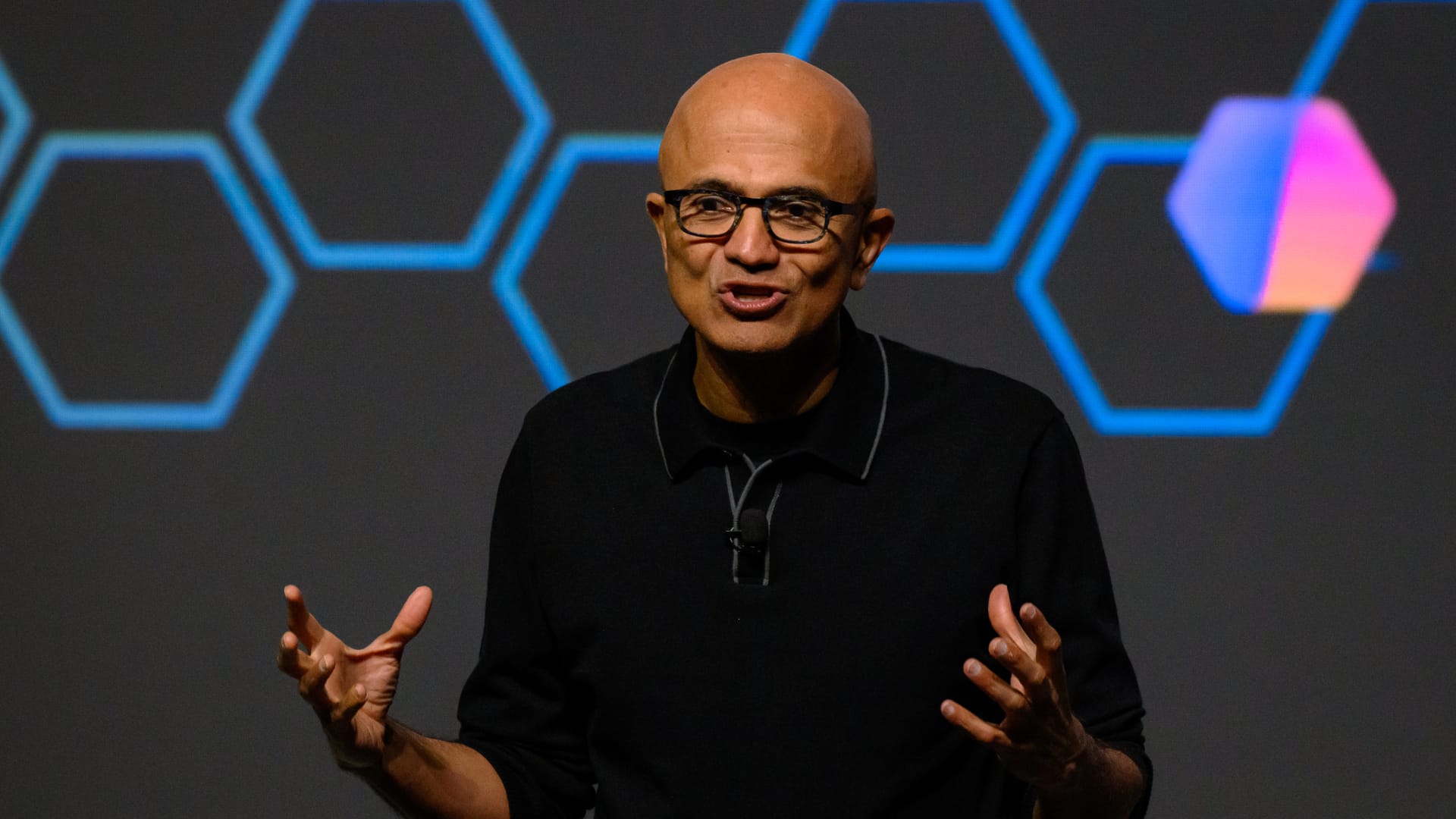
Microsoft is intensifying its defense against digital threats with the unveiling of a new AI cybersecurity model, MAI-Cyber-1-Flash, designed to detect vulnerabilities at a significantly reduced cost. This strategic move marks a reinvigorated focus on the company’s cybersecurity business, positioning it competitively against industry rivals in the rapidly evolving landscape of AI-powered protection.
🚀 Tech Strategy & Market Disruptions
- Cost-Efficiency Redefined. Microsoft’s MAI-Cyber-1-Flash model claims 50% cost reduction for achieving world-leading cybersecurity performance.
- Competitive Benchmark Supremacy. The new AI model reportedly outperforms rivals like Anthropic’s Mythos 5 and Google’s 3.5 Flash Cyber on critical cybersecurity benchmarks.
- Project Perception Integration. MAI-Cyber-1-Flash is integral to Project Perception, an AI agent system poised to automate vulnerability discovery and remediation.
Microsoft’s announcement of MAI-Cyber-1-Flash represents a significant advancement in the application of artificial intelligence to digital defense. The company, through its CEO of Microsoft AI, Mustafa Suleyman, asserted that this new AI cybersecurity model achieves ‘world-leading performance at 50% of the cost,’ a compelling proposition in a market grappling with escalating cyber threats and talent shortages. This proprietary generative model is set to become a cornerstone of Project Perception, a suite of AI agents aimed at identifying and mitigating security weaknesses, with a public preview slated for August 3. The initiative underscores Microsoft’s commitment to leveraging its vast data reservoirs and compute power to innovate internally, even as it maintains its strategic partnership with OpenAI.
The re-entry of Hayete Gallot, a former Google executive, to lead Microsoft’s security division signals a strategic recalibration. Her leadership comes at a crucial juncture, as generative AI has not only empowered defenders but also significantly lowered the barrier for attackers to exploit vulnerabilities. This dual-edged nature of AI necessitates more sophisticated, cost-effective defensive mechanisms. Microsoft’s benchmark claims are particularly notable: MAI-Cyber-1-Flash, when paired with OpenAI’s GPT-5.4, reportedly surpasses Anthropic’s Mythos 5, Google’s 3.5 Flash Cyber, and OpenAI’s GPT-5.5 Cyber on the rigorous CyberGym benchmark.
This development extends Microsoft’s broader strategy of integrating first-party AI models across its product ecosystem. Recent examples include internal models powering code generation in GitHub Copilot and enhanced functionalities within Excel, illustrating a conscious effort to lessen reliance on external partners like OpenAI while optimizing spending efficiency. CEO Satya Nadella emphasized this approach, stating via an X post, ‘By combining specialized models and data with the right agents, tools, security context, and harness, we can advance the frontier of cost to outcome,’ reflecting a nuanced strategy that balances collaboration with proprietary innovation. For deeper insights into emerging technologies, consider exploring the analysis at emerging technologies.
The market context for this launch is critical. Despite Microsoft’s robust cybersecurity business, which exceeded $20 billion in annual revenue as of 2023, its shares have seen a 19% decline year-to-date in 2026. Analysts, including Karl Keirstead, cite investor sentiment concerning Microsoft’s high OpenAI exposure as a perceived risk, especially given the rise of competitive open-source and international AI models. Project Perception aims to augment human analysts in Security Operations Centers (SOCs), addressing the industry’s perennial talent gap by lowering the technical bar for participation.
- Cost Efficiency: Claims 50% lower operational costs for leading performance, a significant draw for budget-conscious enterprises.
- Vulnerability Detection: Designed to proactively spot and suggest fixes for software weaknesses, enhancing defensive postures.
- Interoperability: Capable of connecting with non-Microsoft security products, promoting an integrated, enterprise-wide defense strategy.
- Data Leverage: Utilizes Microsoft’s ‘unique data set,’ with vast untapped potential for future model improvement, as noted by Mustafa Suleyman.
The introduction of MAI-Cyber-1-Flash, deeply integrated into Project Perception, creates a potent disruption flow in the cybersecurity market. Its advanced AI capabilities lead to faster vulnerability identification and remediation, which in turn translates to reduced operational costs for enterprises. This cost-efficiency enables organizations to reallocate security budgets or scale defenses more broadly, ultimately enhancing their overall security posture. The ability to integrate with diverse security ecosystems via AI agents further drives seamless defense automation, potentially shifting market leadership towards comprehensive, AI-driven security platforms that prioritize both performance and economic viability.
The ability of an AI system to not only detect but also suggest and implement code changes for vulnerabilities, as Project Perception aims to do, represents a significant leap towards autonomous security operations. This shifts the paradigm from reactive human intervention to proactive, intelligent remediation, fundamentally altering how organizations approach their digital defense strategies.
Microsoft’s Security & Infrastructure Strength
Microsoft’s formidable position in enterprise software and cloud services provides an unparalleled advantage in cybersecurity. The company’s ecosystem spans operating systems, productivity suites, and a massive cloud infrastructure via Azure, generating an immense volume of telemetry data crucial for training sophisticated AI models. This inherent advantage allows Microsoft to continuously feed its AI with real-world threat intelligence, enabling iterative improvements to models like MAI-Cyber-1-Flash. Furthermore, the existing integration points for products like Security Copilot, which already leverage OpenAI’s GPT-4, demonstrate a mature pipeline for deploying AI-driven security tools directly into customer workflows. This comprehensive infrastructure strength not only enhances the efficacy of its AI models but also streamlines their adoption across a vast customer base, creating a powerful network effect for defense against evolving cyber threats. For more high-value content, readers can explore educational tech insights.
Microsoft Market Adoption Challenges
Despite the compelling performance and cost claims for MAI-Cyber-1-Flash, Microsoft faces distinct market adoption challenges. While a 50% cost reduction is attractive, enterprises often exhibit caution when integrating new, highly autonomous AI agents into their critical security infrastructure, particularly those capable of implementing code changes. Trust in AI autonomy, potential for false positives, and the need for robust human oversight frameworks will be paramount. Furthermore, the competitive landscape is dense, with established security vendors and other tech giants (Google, Anthropic, OpenAI) rapidly advancing their own AI capabilities. Microsoft will need to clearly articulate ROI beyond benchmarks and ensure seamless integration with diverse, often heterogeneous, customer environments. The ongoing investor scrutiny over its OpenAI exposure, as noted by analysts, also adds a layer of perception management, requiring Microsoft to consistently prove its internal AI prowess. This dynamic environment reflects broader technology market trends influencing enterprise IT decisions.
Microsoft’s AI Cybersecurity: Navigating the Future of Digital Defense
Microsoft’s latest foray with MAI-Cyber-1-Flash and Project Perception marks a critical juncture in the company’s cybersecurity strategy, emphasizing both cost-efficiency and performance superiority. This initiative aims to redefine enterprise security by making advanced AI protection more accessible and effective, addressing both technical and economic pressures facing organizations.
- The move underscores Microsoft’s dual strategy of deep collaboration with OpenAI alongside significant internal AI development.
- Project Perception, leveraging MAI-Cyber-1-Flash, promises to lower the barrier for security talent and automate complex vulnerability management.
- Successful market adoption hinges on building trust in AI autonomy and demonstrating clear, measurable ROI beyond benchmark performance.
Will this new wave of AI-driven security reshape the global cybersecurity market and fundamentally alter how businesses protect their digital assets?
📊 StockXpo Analyst’s View
Market Impact: Microsoft’s aggressive push into cost-efficient AI cybersecurity solutions could significantly shift enterprise IT spending. While initial market reaction saw MSFT shares dip, the long-term potential for disrupting security operations with a 50% cost saving on a ‘world-leading’ model is undeniable, potentially boosting investor confidence as adoption scales.
Sector To Watch: The cybersecurity sector, particularly security orchestration, automation, and response (SOAR) platforms, is primed for disruption. Incumbent security vendors not leveraging advanced generative AI effectively could see their market share eroded by Microsoft’s integrated and cost-competitive offerings. For broader insights, see Bloomberg Technology and Reuters Technology.
Financial Disclaimer:
StockXpo.com is a financial news aggregator and educational portal, not a registered investment advisor or broker-dealer. All information, news, and analysis provided herein are strictly for educational purposes and do not constitute investment, financial, legal, or tax advice. Investing in the stock market involves high risks, and past performance is not indicative of future results. StockXpo will not be liable for any financial losses or investment damages. Always consult a certified financial advisor before making market decisions.
MORE IN INSIDE TECHNOLOGY
AI Buildout Hits Credit Headwinds: Neoclouds Under Pressure
Published: Saturday, October 24, 2026 · 12:23 AM

SK Hynix Shares Rebound: A Strategic Shift in Semiconductor Funding
Published: Friday, October 23, 2026 · 1:46 AM