Published: Wednesday, July 22, 2026 · 7:26 PM | Updated: Wednesday, July 22, 2026 · 7:26 PM
📊 247 views




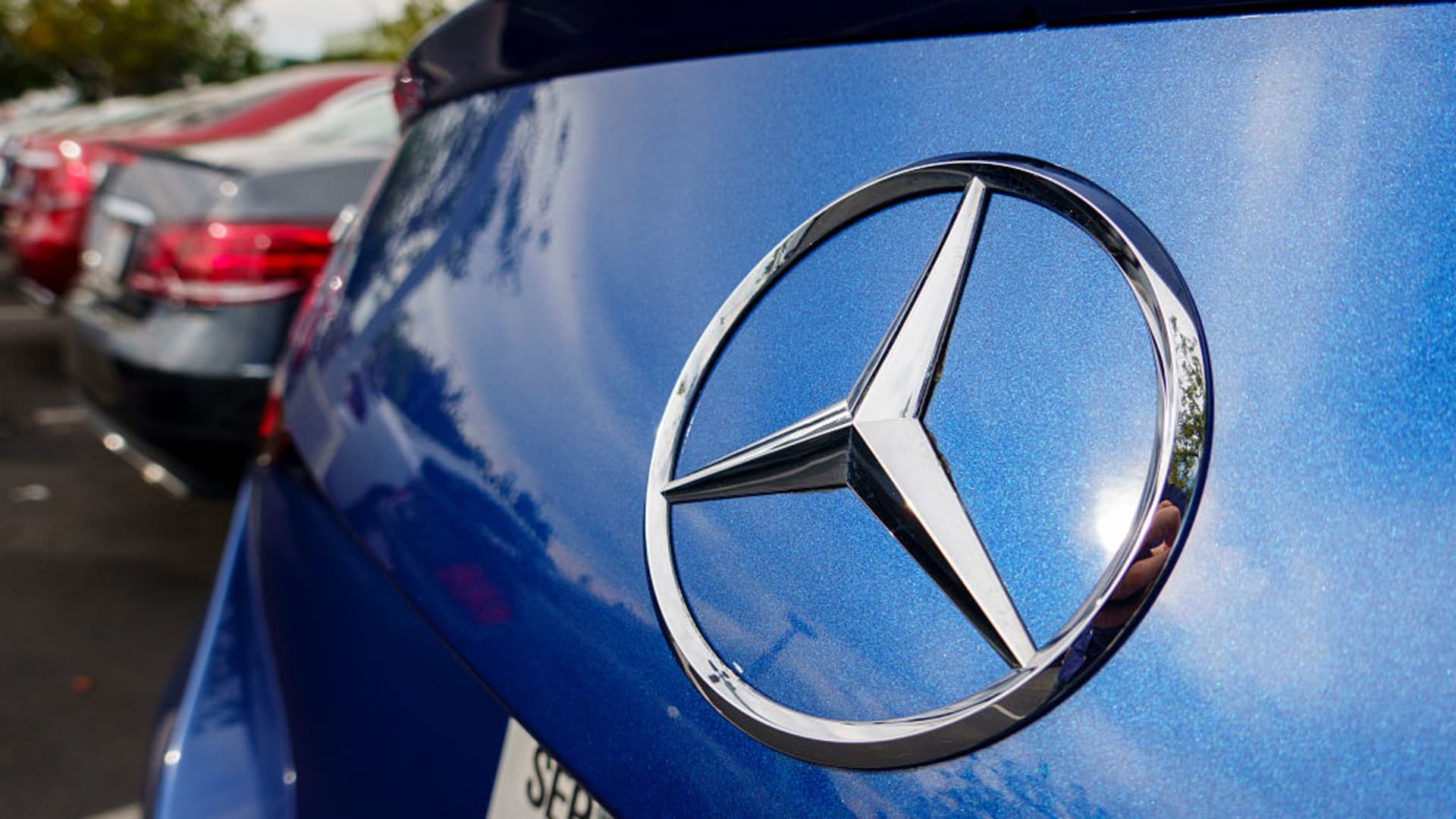
A bipartisan China auto bill, recently advanced by the Senate Commerce Committee, poses an unexpected challenge to European automakers. While primarily aimed at Chinese-linked vehicle technology over national security concerns, the proposed legislation could inadvertently bar Mercedes-Benz from selling cars in the U.S., signaling significant geopolitical ramifications for global stock markets and investment analysis.
🗝️ Corporate Strategy Insights
- Ownership Threshold Risks. The bill’s 15% Chinese ownership limit directly impacts Mercedes-Benz, which has close to 20% ownership by Chinese entities, BAIC and Geely’s founder.
- National Security vs. Economic Impact. Designed to safeguard against data collection by Chinese-linked vehicles, the legislation creates tension between national security objectives and potential economic disruption for established foreign manufacturers like Mercedes-Benz.
- Competitive Dynamics Reshaped. The unexpected legislative turn introduces new competitive pressures, with accusations from Sen. Cruz suggesting General Motors might be leveraging the bill to weaken rivals.
The U.S. Senate Commerce Committee’s recent advancement of the Motor Vehicle Modernization Act of 2026 has ignited a debate over the intricate ties within the global automotive industry. This China auto bill, intended to impose federal restrictions on Chinese automakers entering the U.S. market due to national security concerns over sensitive data collection, carries a significant, potentially unintended consequence: it could prohibit Mercedes-Benz from selling vehicles in the United States. Senator Ted Cruz, R-Texas, highlighted during the committee’s markup that the bill’s 15% Chinese ownership threshold would inadvertently cover Mercedes-Benz, given that two Chinese investors collectively own nearly 20% of its shares. For deeper educational insights into international trade policies, further research is available.
Mercedes-Benz’s shareholder structure reveals Beijing Automotive Industrial Corp. (BAIC), a Chinese state-owned automaker, holds a 9.98% stake, while Geely founder Li Shufu controls 9.69%. These stakes combine to exceed the proposed limit, creating a regulatory dilemma for the German luxury carmaker. Despite employing over 10,000 people in the U.S. and operating assembly plants in Alabama and South Carolina, Mercedes-Benz now faces a crucial period of uncertainty.
Senator Bernie Moreno, R-Ohio, a sponsor of the bill, indicated that Mercedes-Benz would be granted until 2030 to achieve compliance or seek a waiver, offering a potential lifeline. However, the legislative push has also unveiled underlying competitive tensions within the domestic market. Senator Cruz openly accused General Motors (GM), the leading automaker in the U.S., of advocating for this provision to disadvantage Mercedes-Benz and bolster its own Cadillac brand. This allegation underscores the high-stakes commercial rivalries that often influence policy discussions on Capitol Hill.
The legislation aims to protect the American industrial base, according to proponents like Sen. Moreno, who emphasized preventing a ‘destruction of our industrial base.’ This sentiment reflects a broader governmental push to de-risk supply chains and protect critical technology from foreign adversaries.
Here are the immediate implications for affected automakers:
- Compliance Burden: European manufacturers with significant non-U.S. ownership, particularly from China, face a mandate to restructure or divest holdings to meet new U.S. regulatory standards.
This policy shift highlights the increasing complexity of international trade and investment, where national security considerations are now heavily influencing market access for established global brands.
The proposed legislation creates a profound strategic ripple effect across the automotive sector. If the bill passes without amendment, Mercedes-Benz could face significant operational hurdles in one of its key global markets, directly impacting sales volumes and brand presence. This could force the company to explore divestment strategies or seek exemptions, potentially leading to a complex restructuring of its ownership. For competitors like General Motors, the potential exclusion of a premium rival could open avenues for market share expansion, particularly in the luxury segment where brands like Cadillac compete directly. The bill also sends a clear signal to other international automakers about the increasing scrutiny on foreign ownership, compelling them to re-evaluate their shareholder structures and supply chain origins to mitigate future corporate growth and strategy risks. This dynamic could encourage greater localization of production and ownership, transforming global automotive partnerships. Reuters business intelligence suggests similar legislative trends are emerging across various industries.
The ongoing debate around the China auto bill exemplifies a growing trend where geopolitical tensions and national security concerns are directly shaping market access and competitive landscapes, forcing global corporations to reassess their fundamental strategic alignments.
Given the absence of specific verifiable financial metrics within the news content, we will highlight key strategic indicators that underscore the current situation:
- Chinese Ownership Threshold: The 15% limit in the proposed Motor Vehicle Modernization Act of 2026 serves as a critical numerical benchmark.
- Mercedes-Benz’s Current Chinese Stake: Combined 19.67% from BAIC (9.98%) and Li Shufu/Geely (9.69%) directly exceeds the proposed threshold, making it a focal point.
- U.S. Employment & Production: Mercedes-Benz’s 10,000 U.S. employees and manufacturing presence in Alabama and South Carolina highlight its significant economic contribution, which adds complexity to any potential ban.
- Compliance Timeline: A proposed 2030 deadline for compliance or waiver application offers a crucial period for strategic adaptation.
These indicators collectively illustrate the direct challenges Mercedes-Benz faces and the broader implications for international automotive companies operating within a tightening regulatory environment.
Mercedes-Benz Strategic Resilience: Navigating Geopolitical Headwinds
Mercedes-Benz, known for its premium vehicles and global footprint, operates with a strategy heavily reliant on diversified market access. The current legislative challenge in the U.S. forces a re-evaluation of its long-term market strategy, particularly regarding shareholder structure and potential regionalization of operations. Maintaining strong manufacturing bases in the U.S. has historically been a hedge against protectionist policies, but the current bill targets ownership rather than production locale. This situation could push Mercedes-Benz to innovate legal and financial structures to retain its U.S. market presence, potentially through strategic divestments or novel partnerships that reduce its Chinese ownership percentage below the mandated threshold. Their ability to secure a waiver or adapt swiftly will be critical to sustaining profitability in the crucial North American market, a topic frequently covered in global market discussions.
General Motors’ Competitive Advantages: Leveraging Domestic Policy
General Motors (GM) enjoys a distinct advantage as a quintessential American automaker, potentially benefiting from protectionist policies designed to secure the domestic market. Senator Cruz’s allegations, while unconfirmed by GM, point to a strategic dynamic where legislative actions could inadvertently or intentionally serve to bolster domestic competitors. GM’s strong market position, especially with brands like Cadillac, could see an uplift if premium foreign rivals face restrictions. This scenario reinforces the importance of political influence and regulatory alignment as a competitive lever in the automotive industry. For GM, this period presents an opportunity to consolidate market share and strengthen its brand loyalty among U.S. consumers who prioritize domestically produced vehicles and perceived national security benefits.
The Ripple Effect of China Auto Bill on Global Auto Markets
The Senate’s move to advance the Motor Vehicle Modernization Act underscores a new era where national security dictates market access, potentially upending established automotive giants. This legislation, while aimed at China, has immediate and profound implications for Mercedes-Benz and, by extension, other global manufacturers with complex international ownership structures. The coming months will test the adaptability of multinational corporations and the flexibility of legislative processes.
- The bill mandates a significant ownership restructuring for foreign automakers with Chinese stakes to maintain U.S. market access.
- Mercedes-Benz’s U.S. operations, including thousands of jobs, are now directly tied to its ability to navigate this new regulatory landscape.
- Competitive dynamics within the U.S. luxury car market could fundamentally shift, potentially favoring domestic brands.
Will this legislative action truly safeguard national interests, or will it simply create unintended market distortions?
📊 StockXpo Analyst’s View
Market Impact: This legislation introduces considerable uncertainty for investors in multinational automotive companies, particularly those with complex cross-border ownership. The potential for a major player like Mercedes-Benz to face sales restrictions in the U.S. could trigger a re-evaluation of global automotive stock valuations, as supply chain vulnerabilities and geopolitical risks become front and center. Liquidity in affected companies might see short-term fluctuations as the market digests potential ownership restructuring or compliance costs.
Sector To Watch: The luxury automotive sector will be under intense scrutiny. While German automakers face an immediate threat, domestic U.S. luxury brands, like General Motors’ Cadillac, could see an indirect boost from reduced foreign competition. Investors should monitor legislative progress closely, as well as the strategic responses from companies like Mercedes-Benz and their long-term adaptation plans to evolving protectionist policies.
Financial Disclaimer:
StockXpo.com is a financial news aggregator and educational portal, not a registered investment advisor or broker-dealer. All information, news, and analysis provided herein are strictly for educational purposes and do not constitute investment, financial, legal, or tax advice. Investing in the stock market involves high risks, and past performance is not indicative of future results. StockXpo will not be liable for any financial losses or investment damages. Always consult a certified financial advisor before making market decisions.
MORE IN INSIDE BUSINESS
United Airlines Profit Outlook Slashed Amid Fuel Costs, Strong Demand Persists
Published: Wednesday, October 21, 2026 · 7:30 AM
General Motors Earnings Preview: A 30% EPS Surge Amidst Market Caution
Published: Tuesday, October 20, 2026 · 1:11 AM