Published: Friday, June 26, 2026 · 1:51 PM | Updated: Friday, June 26, 2026 · 1:51 PM
📊 235 views




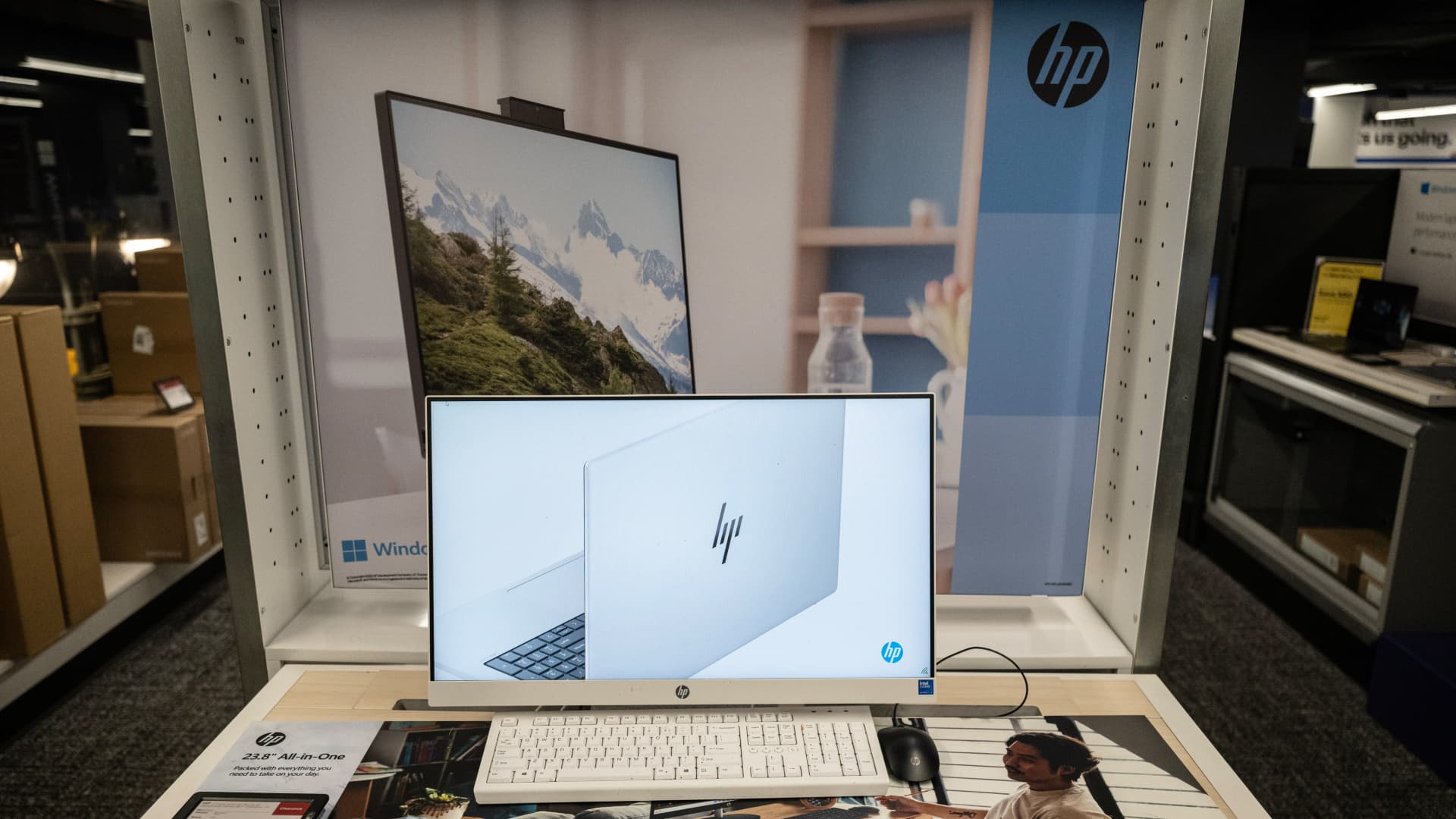
The escalating global artificial intelligence race is driving a sharp increase in memory chip costs, exerting significant pressure on consumer electronics retailers and, by extension, end-users. This surge, primarily fueled by the insatiable demand for high-performance RAM in AI data centers, is reshaping supply chains and forcing difficult pricing decisions across the industry.
🚀 Tech Strategy & Market Disruptions
- AI Demand Drives Price Hikes. The accelerated demand for AI data centers by giants like Nvidia, AMD, and Google is the primary catalyst for the unprecedented surge in memory chip costs.
- Retailers Face Margin Squeeze. Companies such as Apple and Best Buy are already announcing or anticipating price increases for devices like MacBooks and iPads, signaling a direct pass-through of higher component costs to consumers.
- Extended Market Impact. Industry analysts predict memory prices will remain elevated until late 2027, leading to a projected 10.4% reduction in global PC shipments and an 8.4% drop in smartphone shipments for 2026.
The ripple effect of the intensifying AI arms race is now tangibly impacting the consumer electronics market. Memory storage, specifically RAM, is a foundational component for virtually all modern computing devices, from the latest smartphones to high-performance laptops. Companies at the forefront of AI development, including Nvidia, Advanced Micro Devices, and Google, are aggressively securing vast quantities of RAM, creating a supply-demand imbalance that has driven prices skyward. This dynamic is an ‘unprecedented challenge,’ as described by Apple, which has already initiated price increases on its MacBooks and iPads, a move widely expected to be followed by other manufacturers and retailers.
Retail giants are bracing for impact. Best Buy, for instance, expects its computing division to be most affected by these price adjustments. While some retailers strategically front-loaded inventory in Q1 2026 to mitigate immediate price hikes, this buffer is inherently temporary. Ranjit Atwal, a senior director analyst at Gartner, highlights that the current situation differs from previous times that memory prices have gone up due to both the magnitude and duration of the increases, with elevated prices anticipated through late 2027. This protracted period of high costs suggests a fundamental shift rather than a transient market fluctuation, influencing broader technology market trends.
- Escalating AI Demands: Unprecedented demand from AI data centers is the core driver of the current supply shortage.
- Retailer Response: Major players like Apple are already passing costs to consumers, with others like Best Buy anticipating significant impacts.
- Protracted Price Surge: Elevated memory prices are expected to persist until late 2027, indicating a sustained market challenge.
The exponential growth in AI model training and deployment demands an unprecedented scale of high-bandwidth memory (HBM), leading to intense competition for existing DRAM fab capacity. This surge in demand directly translates to higher manufacturing costs for memory modules, which are then passed on to component buyers like Apple and HP. Subsequently, consumer electronics retailers such as Best Buy face increased wholesale prices, which they must either absorb, impacting margins, or transfer to consumers via higher product pricing. This chain reaction ultimately risks dampening consumer purchasing power, potentially extending device upgrade cycles, and altering market dynamics for emerging technologies reliant on advanced memory.
‘The current spike in memory chip costs is not merely a cyclical market fluctuation; it’s a structural realignment driven by the foundational shift towards AI-first computing. CTOs must reassess their supply chain resilience, explore multi-vendor strategies, and potentially re-engineer product roadmaps to accommodate higher component costs or optimize memory usage.’
Gartner’s February research provides a stark outlook on the expected market impact:
| Metric | 2026 Projection (vs. 2025) |
|---|---|
| Global PC Shipments | -10.4% |
| Global Smartphone Shipments | -8.4% |
| Average PC Price Increase | +17% |
| Average Smartphone Price Increase | +13% |
Navigating Memory Chip Market Adoption Challenges
The sustained escalation of memory chip costs poses significant market adoption challenges, particularly for devices that have historically seen steady price declines or stable pricing. Consumers, especially in the laptop and smartphone segments, are accustomed to a predictable upgrade cycle where new models offer improved performance at comparable or slightly higher prices. A sudden, substantial increase in cost could disrupt this expectation, leading to extended device retention. This phenomenon might force vendors to innovate beyond raw hardware specifications, perhaps emphasizing software-driven value or subscription models to justify premium pricing. Furthermore, smaller manufacturers may struggle to compete with larger players who possess greater leverage with chip suppliers, potentially consolidating market power among industry behemoths. Analysts at Reuters have noted similar trends in other component markets.
AI Data Center Ecosystem Expansion Potential
While consumer markets face headwinds, the underlying driver—AI data center demand—highlights immense ecosystem expansion potential. The escalating need for high-bandwidth memory, such as HBM, is pushing advancements in packaging technologies, cooling solutions, and specialized software stacks optimized for large language models and other AI workloads. This demand creates new opportunities for specialized memory manufacturers, advanced packaging firms, and infrastructure providers. Companies that can innovate in memory efficiency, develop alternative computing paradigms, or streamline the deployment of AI infrastructure will find themselves in a strong position. The sustained investment in these areas is crucial for supporting the next generation of AI capabilities, as detailed in recent reports by Bloomberg Technology.
The Ripple Effect of Memory Chip Costs on 2026 Markets
The persistent ascent of memory chip costs is more than a fleeting market anomaly; it represents a profound shift influenced by AI’s relentless march. This situation will test the resilience of supply chains, redefine consumer value propositions, and likely accelerate innovation in memory-efficient computing across the industry.
- Consumer electronics price hikes are inevitable and projected to be significant for PCs and smartphones through 2027.
- The imbalance in supply and demand could lead to product shortages and elongated consumer upgrade cycles.
- Retailers must adapt pricing strategies while emphasizing value and innovation to maintain customer engagement amidst rising costs.
How will this structural shift in component pricing permanently alter the landscape of consumer technology innovation?
📊 StockXpo Analyst’s View
Market Impact: The sustained increase in memory chip costs is set to dampen overall market liquidity in the consumer electronics sector, potentially shifting investor sentiment towards companies with robust supply chain management or those less reliant on high-volume, low-margin hardware. Large-cap tech firms like Apple, while affected, possess the pricing power and brand loyalty to navigate these pressures more effectively than smaller competitors.
Sector To Watch: Investors should closely monitor the semiconductor manufacturing sector, particularly companies specializing in HBM and advanced packaging technologies. While consumer-facing hardware companies face near-term headwinds, the underlying demand for AI infrastructure components represents a significant long-term growth opportunity. Furthermore, companies providing cloud infrastructure services for AI could see increased capital expenditure to secure sufficient memory resources, as discussed in educational tech insights.
Financial Disclaimer:
StockXpo.com is a financial news aggregator and educational portal, not a registered investment advisor or broker-dealer. All information, news, and analysis provided herein are strictly for educational purposes and do not constitute investment, financial, legal, or tax advice. Investing in the stock market involves high risks, and past performance is not indicative of future results. StockXpo will not be liable for any financial losses or investment damages. Always consult a certified financial advisor before making market decisions.
MORE IN INSIDE TECHNOLOGY

SK Hynix Shares Rebound: A Strategic Shift in Semiconductor Funding
Published: Friday, October 23, 2026 · 1:46 AM

AI Innovation Fuels Southeast Asia’s Digital Growth
Published: Thursday, October 22, 2026 · 12:36 AM