Published: Thursday, July 23, 2026 · 3:08 PM | Updated: Thursday, July 23, 2026 · 3:08 PM
📊 379 views




Recent earnings reports from technology behemoths like Alphabet, Tesla, and Amazon have sent tremors through Wall Street, revealing investor anxieties over the escalating costs of artificial intelligence. Despite robust top-line growth in some areas, significant **AI spending** commitments are pressuring profitability and casting a shadow on near-term market valuations.
🚀 Tech Strategy & Market Disruptions
- Alphabet’s Cloud Growth vs. Capex. While Google Cloud revenue surged 82%, increased capital expenditures for AI infrastructure put downward pressure on shares.
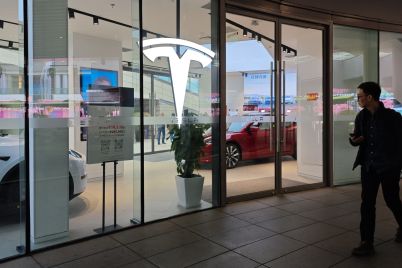
- Tesla’s Earnings Miss Amplified. The EV giant significantly missed EPS estimates, with market concerns linking this to aggressive R&D and manufacturing investments, including in AI-driven autonomy.
- Amazon’s AGI Layoffs Amidst Investment. Amazon announced layoffs in its generative AI unit, even as the company continues substantial investment in AI infrastructure, signaling a ‘sharpening of focus.’
Stock futures dipped as investors digested quarterly results from key tech players, with market sentiment heavily influenced by the balance between innovation-driven growth and the immediate financial impact of significant **AI spending**. Alphabet, despite reporting an impressive 82% jump in cloud revenue, saw its shares decline 5% pre-bell. The market’s reaction underscored a primary concern: the Google parent’s commitment to further escalating capital expenditures to fuel its artificial intelligence ambitions.
Tesla faced an even steeper decline, with shares dropping over 7% in extended trading after significantly missing Wall Street’s earnings per share estimates for the second quarter. This performance reflects broader investor impatience with the high costs associated with scaling advanced technological capabilities, including AI-driven manufacturing and autonomous driving development. Adding to the tech sector’s woes, IBM also reported weaker-than-expected results, contributing to a general pullback in technology stocks after an earnings warning last week.
Simultaneously, Amazon confirmed layoffs within its generative artificial intelligence unit, a move an Amazon spokesperson described as ‘sharpening our focus on the initiatives that matter most for customers.’ This internal restructuring occurs even as the e-commerce titan continues its substantial investment in building out robust AI infrastructure, highlighting the intense pressure to optimize returns on colossal tech investments. These developments, along with rising oil prices — which surged nearly 5% following reported attacks off Saudi Arabia’s coast, pushing U.S. West Texas Intermediate crude above $90 per barrel — paint a complex picture for the broader economy and technology market trends.
Beyond corporate earnings, regulatory scrutiny is tightening. The House of Representatives passed legislation to block members of Congress from purchasing individual stocks, which now moves to the Senate. Furthermore, the Senate is considering a bill that would ban federal officials, including the President, from sponsoring cryptocurrency and other digital assets, as noted by Bloomberg reports. On the media front, the European Union approved the Paramount-Warner Bros. Discovery merger, while the deal faces delays in the U.S. due to legal challenges. Comcast also beat estimates, with its NBCUniversal streaming service, Peacock, achieving profitability for the first time.
- Alphabet Cloud Revenue: +82%
- Alphabet Stock Drop (Pre-bell): -5%
- Tesla EPS: Significantly Missed Estimates
- Tesla Stock Drop (Extended): >-7%
The surge in **AI spending** across major tech companies, while necessary for future innovation, has triggered a disruption flow where aggressive capital expenditures (Capex) are directly impacting short-term profitability and investor sentiment. This elevated Capex, driven by the need for advanced AI hardware, talent acquisition, and foundational model development, leads to increased operational costs and, consequently, lower reported earnings per share. The immediate effect is investor scrutiny and stock volatility, as markets re-evaluate the risk-reward balance of these long-term technology investments against current financial performance. This dynamic forces a strategic re-evaluation of AI investment ROI, pushing companies to demonstrate clearer paths to monetization sooner.
“The current market reaction to high AI capital expenditures highlights a critical challenge for CTOs: balancing the imperative to innovate and lead in AI with the responsibility to maintain shareholder value. Strategic **AI spending** must transcend mere technological advancement to clearly articulate a roadmap for tangible revenue growth and operational efficiencies, turning investment into clear competitive advantage.”
Alphabet’s Cloud-AI Architecture: Navigating Scale and Cost
Alphabet’s strategic pivot into AI-first computing has profoundly influenced its Google Cloud platform architecture. The company’s 82% jump in cloud revenue reflects successful market penetration driven by its robust infrastructure and sophisticated AI services. However, this growth comes hand-in-hand with substantial capital expenditures required to maintain leadership in foundational AI models, specialized hardware like TPUs, and data center expansion. The challenge lies in optimizing this architecture to support not just Google’s own AI demands but also to provide scalable, cost-efficient solutions for enterprise clients. The immense computational requirements for training large language models and generative AI systems necessitate continuous investment in cutting-edge silicon and energy-efficient data centers, which directly impacts the bottom line and investor patience, as noted by Reuters analysis.
Amazon’s AGI Play: Balancing Innovation with Operational Efficiency
Amazon’s generative AI unit, despite recent layoffs, remains a critical component of its broader ecosystem expansion potential. The company’s strategy involves integrating advanced AI capabilities across its vast retail, cloud (AWS), and logistics operations. While the layoffs signal a tactical adjustment to ‘sharpen focus’ within AGI, the underlying commitment to AI infrastructure investment persists. Amazon’s long-term play is to leverage AGI to revolutionize customer experience, optimize supply chains, and unlock new revenue streams through highly personalized services and automated processes. This requires a delicate balance between fostering groundbreaking innovation and ensuring the operational efficiency and profitability of its AI initiatives. For insights into this balance, exploring educational tech insights can be invaluable.
Navigating the AI Spending Imperative in a Volatile Market
The latest earnings season has underscored a critical tension between the undeniable future potential of artificial intelligence and the immediate financial demands of scaling its development. Major tech players are caught in a delicate balancing act, with robust growth in AI-driven cloud services often overshadowed by investor concerns over massive capital expenditure increases. This environment demands not just technological foresight but also disciplined financial management to justify substantial **AI spending** in the face of market skepticism.
- High capex for AI infrastructure is dampening short-term investor enthusiasm despite strong underlying technology growth.
- Companies are re-evaluating their AI investment strategies, emphasizing ‘sharpened focus’ and efficiency.
- The immediate future will see greater scrutiny on AI project ROI and clearer paths to profitability.
How will tech giants evolve their AI investment strategies to satisfy both the relentless pursuit of innovation and the imperative for financial returns?
📊 StockXpo Analyst’s View
Market Impact: The market is clearly signaling a shift from unconditional enthusiasm for AI to a more pragmatic demand for financial discipline. This could lead to increased volatility for firms with high AI-related capital expenditures but unclear short-term monetization strategies, potentially redirecting liquidity towards companies demonstrating more immediate ROI. Investor sentiment is growing cautious, prioritizing sustainable growth over sheer technological ambition.
Sector To Watch: While the primary tech giants face scrutiny, the semiconductor and specialized cloud infrastructure sectors supplying the foundational components for AI development could see continued demand. However, even these areas will be subject to increasing pressure on pricing and efficiency as upstream players seek to optimize their **AI spending** to ensure competitive market positioning.
Financial Disclaimer:
StockXpo.com is a financial news aggregator and educational portal, not a registered investment advisor or broker-dealer. All information, news, and analysis provided herein are strictly for educational purposes and do not constitute investment, financial, legal, or tax advice. Investing in the stock market involves high risks, and past performance is not indicative of future results. StockXpo will not be liable for any financial losses or investment damages. Always consult a certified financial advisor before making market decisions.
MORE IN INSIDE TECHNOLOGY

SK Hynix Shares Rebound: A Strategic Shift in Semiconductor Funding
Published: Friday, October 23, 2026 · 1:46 AM

AI Innovation Fuels Southeast Asia’s Digital Growth
Published: Thursday, October 22, 2026 · 12:36 AM