
Published: Wednesday, July 22, 2026 · 2:33 AM | Updated: Wednesday, July 22, 2026 · 2:33 AM
📊 223 views




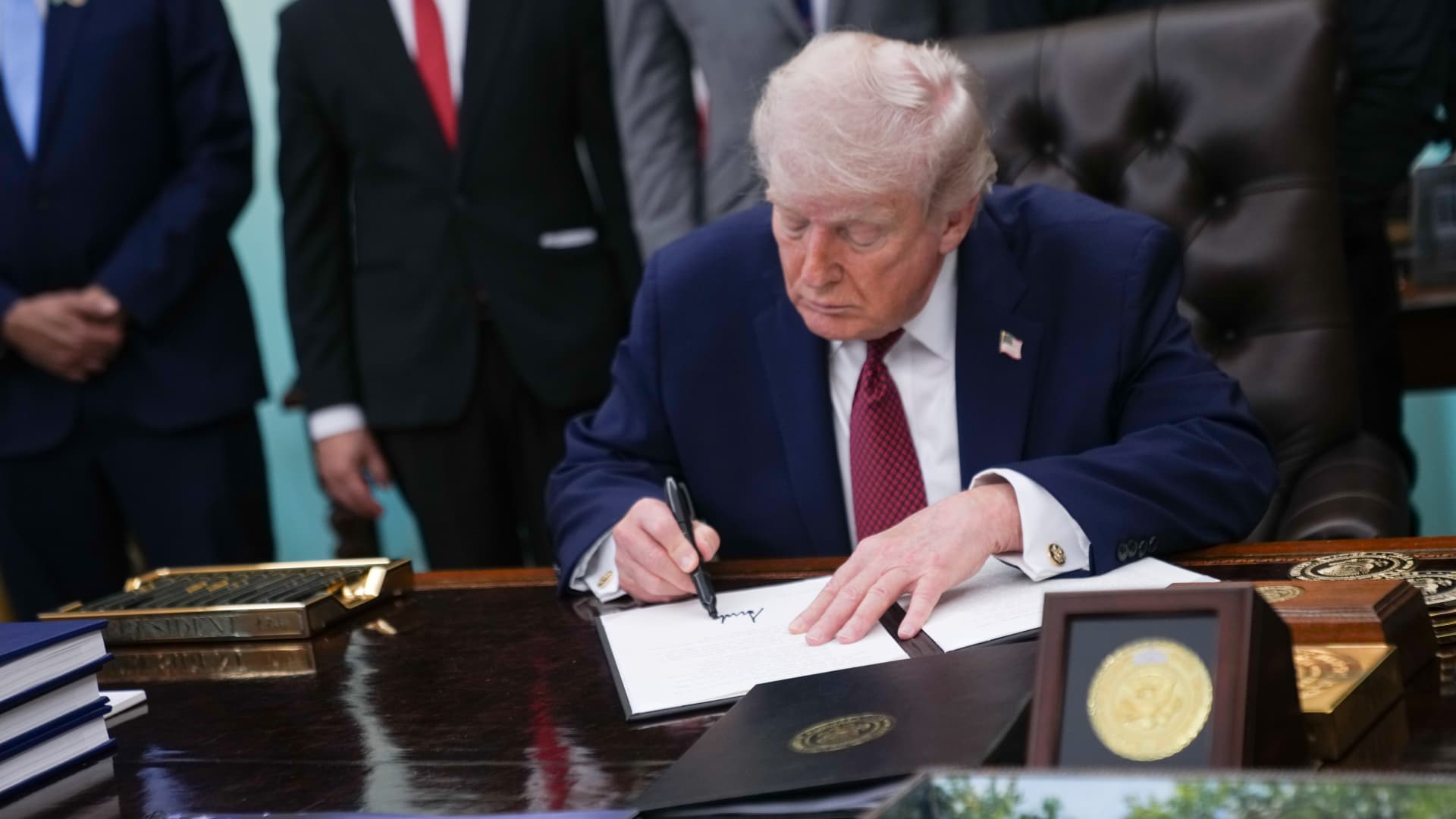
President Donald Trump has signaled a significant shift in pharmaceutical policy, proposing substantial tariffs on imported generic drugs starting in 2028. This move is designed to incentivize domestic manufacturing and bolster U.S. supply chain resilience, a strategic objective aimed at fostering long-term economic stability within a critical sector.
📊 Macro-Economic Strategic Insights
- Supply Chain Reshoring Incentive. The proposed tariffs are a direct mechanism to encourage generic drug manufacturers to establish or expand production facilities within the United States, reducing reliance on foreign sources.
- Phased Implementation for Market Adaptation. A gradual tariff escalation, beginning with zero tariffs for two years followed by a steep increase, provides a window for companies to adjust their operational strategies and investment plans.
- Potential Global Trade Repercussions. The policy targets major exporting nations like India, which supplies a significant portion of U.S. generics, potentially impacting global pharmaceutical trade dynamics and pricing structures.
The Trump administration’s latest policy initiative centers on imposing escalating tariffs on generic drugs, a measure intended to drastically alter the landscape of pharmaceutical manufacturing. Under the proposed plan, imported generic drugs will face no tariffs for an initial two-year grace period beginning August 1, followed by a 100% levy in August 2028, escalating to 200% a year later. This phased approach is explicitly framed as a penalty for companies failing to establish U.S.-based production facilities within the designated timeframe. This contrasts with prior actions that exempted generics while imposing tariffs on patented and branded drugs under Section 232, highlighting a nuanced yet firm approach to national supply chain security.
This strategic pivot carries significant implications, particularly for countries heavily reliant on the U.S. market for their pharmaceutical exports. India, for instance, is a key player, supplying nearly half of all generic medicines consumed in America. The U.S. market accounts for approximately one-third of India’s total pharmaceutical exports, predominantly consisting of more affordable drug alternatives. Furthermore, Chinese firms play a dominant role in the upstream supply of crucial active pharmaceutical ingredients (APIs), such as amoxicillin and heparin, suggesting that the scope of U.S. domestic production goals might extend beyond finished generics to critical intermediate components.
India’s Pharmaceutical Exports Under Pressure
The economic stakes are particularly high for India’s pharmaceutical sector. With the U.S. market being a primary destination for its generic drug exports, these proposed tariffs could necessitate a substantial re-evaluation of export strategies and investment priorities for Indian drug manufacturers. The move is indicative of a broader trend towards protectionist trade policies aimed at bolstering domestic industries, a theme that has gained traction globally in recent years. Companies that have previously engaged in price-reduction agreements with the U.S. administration, often as part of the ‘most favored nation’ policy, will need to assess how these new tariff structures interact with existing accords.
The administration’s approach underscores a commitment to leveraging trade policy as a tool for industrial policy, aiming to create a more robust and self-sufficient U.S. pharmaceutical manufacturing base. This is not the first time tariffs have been employed in the pharmaceutical sector under the Trump administration; prior measures targeted patented products and ingredients. However, the current focus on generics signals a broader ambition to influence the entire pharmaceutical supply chain, from raw materials to finished products.
The potential impact extends beyond manufacturers. Consumers might initially face higher prices for generic medications as the cost of production shifts or tariffs are passed on, although the long-term goal is to reduce overall healthcare costs through increased domestic competition and efficiency. Policy analysts are closely watching how these measures will affect global pharmaceutical pricing, innovation incentives, and the accessibility of medicines worldwide. For a comprehensive look at global economic trends and policy shifts, insights from economic analysis are crucial.
The Ripple Effect of Trump Tariffs
Proposed Trump tariffs on generic drugs → Increased cost for U.S. importers → Incentive for U.S. domestic production → Potential shift in global supply chains → Possible initial price increases for consumers → Long-term goal of enhanced supply chain stability and cost reduction.
For companies operating within the pharmaceutical sector, the decision to offshore production has long been driven by cost efficiencies. However, this administration’s policy signals a fundamental rebalancing, where national security and supply chain resilience are prioritized over pure economic arbitrage. This represents a significant challenge and opportunity for firms to recalibrate their global manufacturing footprint.
Key Pharmaceutical Metrics and Their Significance:
- U.S. Generic Drug Imports: Represents the volume of generic medicines purchased from international suppliers, indicating reliance on foreign production. A decrease signifies successful reshoring efforts.
- India’s Pharma Exports to the U.S.: Highlights the dependence of India’s pharmaceutical industry on the U.S. market, underscoring the potential impact of trade policy changes.
- Active Pharmaceutical Ingredient (API) Market Share: Crucial for understanding the upstream component of drug manufacturing, identifying where supply chain vulnerabilities might exist beyond finished products.
U.S. Policy Commentary
The Trump administration’s directive to implement significant tariffs on imported generic drugs by 2028 represents a bold intervention in the pharmaceutical market. The stated aim of spurring domestic production is a clear manifestation of industrial policy, seeking to leverage trade tools for economic development and national security. This approach prioritizes the reshoring of manufacturing capabilities, potentially reshaping global pharmaceutical supply chains and impacting economies that are significant exporters of generics. The phased implementation offers a strategic window for adaptation, but the aggressive tariff rates signal a strong commitment to achieving domestic production goals. Such policies, when enacted by major economic blocs, often trigger retaliatory measures or shifts in trade patterns, creating a complex global economic chessboard.
Global Benchmarking
Comparing the U.S. policy with global trends in pharmaceutical regulation and trade reveals a complex picture. While many developed nations focus on price controls and market access, the U.S. under this proposed policy is leaning towards direct industrial intervention through tariffs to secure domestic supply. This stands in contrast to efforts by countries like those in the European Union to harmonize drug pricing and approval processes. The move also aligns with a broader global push for supply chain diversification and resilience, accelerated by recent geopolitical and health crises. The success of such a strategy will likely depend on the U.S.’s ability to foster a competitive domestic manufacturing ecosystem that can meet demand reliably and affordably, a challenge that has historically proven complex for advanced manufacturing sectors.
The Future of Generic Drug Tariffs
The proposed Trump tariffs on generic drugs are poised to reshape the pharmaceutical manufacturing landscape, compelling a strategic shift towards U.S.-based production. This policy signals a significant deviation from decades of globalized pharmaceutical supply chains, prioritizing national economic security and domestic job creation. While the long-term benefits of a robust U.S. manufacturing base are anticipated, the transition period may present challenges related to pricing and accessibility. The success of this initiative hinges on effective implementation and the industry’s adaptability to these new economic realities, potentially influencing broader trends in global trade and industrial policy in critical sectors. What will be the ultimate impact on global drug pricing and accessibility as these tariffs take full effect?
📊 StockXpo Analyst’s View
Market Impact: Investor sentiment may become cautious regarding companies heavily reliant on U.S. generic drug imports, potentially leading to sector rotation. Market liquidity could see adjustments as capital flows shift towards domestic pharmaceutical manufacturing investments. The overarching theme is one of increased geopolitical influence on trade, signaling a less predictable environment for global supply chains. This could indirectly benefit U.S.-based contract manufacturers and raw material suppliers.
Sector To Watch: The specialty chemicals and API manufacturing sectors within the U.S. are likely to see increased investment and attention. Companies involved in pharmaceutical logistics and domestic distribution may also benefit from a shift towards onshoring. Conversely, offshore generic drug manufacturers and their suppliers will face significant pressure to adapt or diversify their market reach.
Financial Disclaimer:
StockXpo.com is a financial news aggregator and educational portal, not a registered investment advisor or broker-dealer. All information, news, and analysis provided herein are strictly for educational purposes and do not constitute investment, financial, legal, or tax advice. Investing in the stock market involves high risks, and past performance is not indicative of future results. StockXpo will not be liable for any financial losses or investment damages. Always consult a certified financial advisor before making market decisions.
MORE IN INSIDE ECONOMY
Trump Economic Approval Plummets: A Warning for Macro Stability
Published: Thursday, October 22, 2026 · 9:12 AM

UK Inflation Jumps to 3.5%: Cementing Rate Hike Expectations
Published: Wednesday, October 21, 2026 · 2:51 AM


