Published: Thursday, September 24, 2026 · 10:17 AM | Updated: Thursday, September 24, 2026 · 10:17 AM
📊 151 views




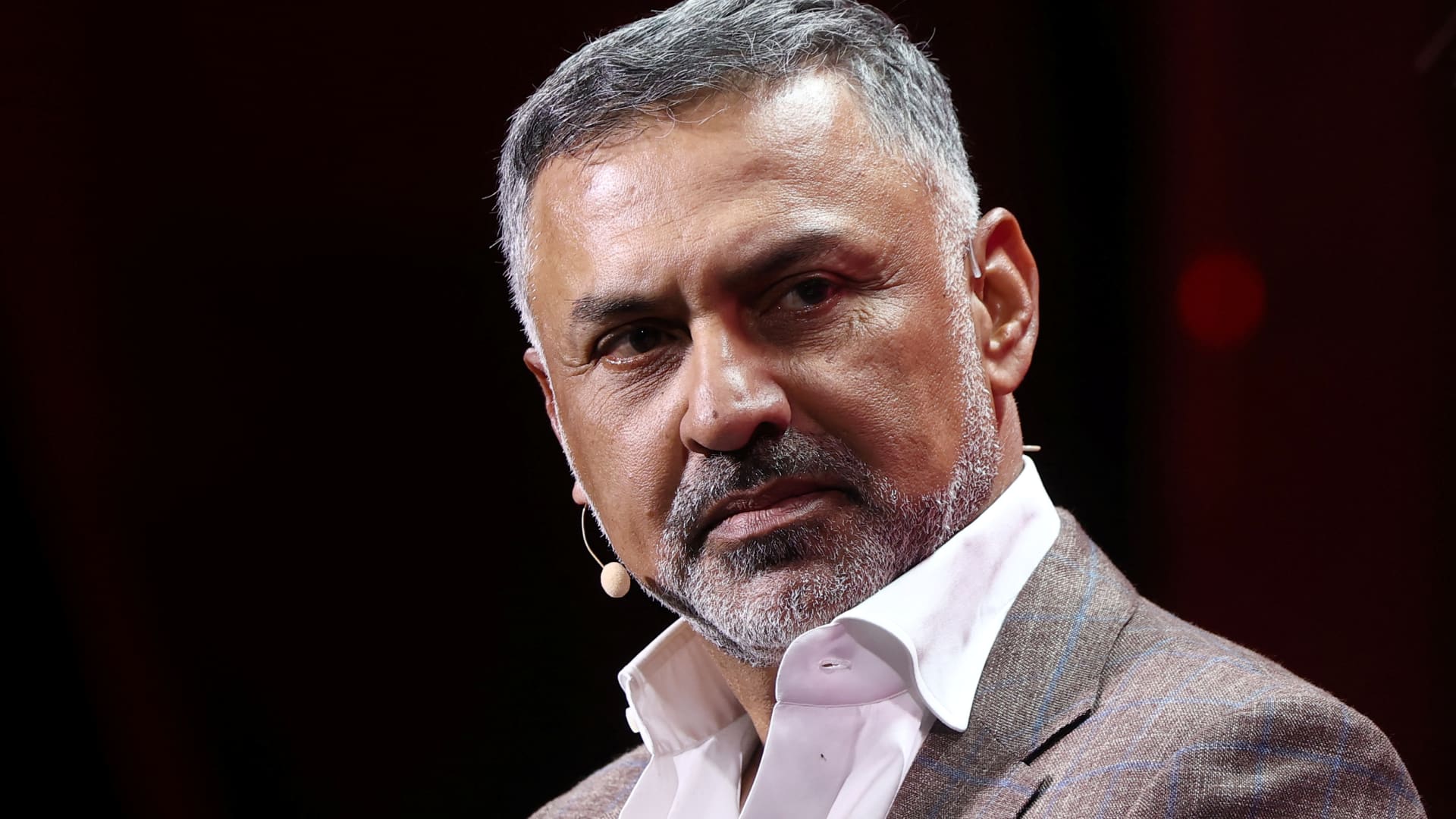
Palo Alto Networks CEO Nikesh Arora has publicly weighed in on the contentious debate surrounding the pace of artificial intelligence development, labeling calls for an AI slowdown as ‘unrealistic’ while downplaying the existential risks often cited by some industry leaders. Arora’s perspective offers a pragmatic counterpoint to the growing anxieties about AI’s potential trajectory.
🚀 Tech Strategy & Market Disruptions
- Unrealistic Pacing Demands. Arora argues that enforcing a global slowdown is impractical due to differing company motivations and competitive pressures, suggesting that some entities will inevitably push the boundaries irrespective of calls for caution.
- Perceived Regulatory Leverage. The CEO initially suggested that calls for an AI slowdown could be a strategic maneuver by major AI firms to gain regulatory favor and a ‘free pass’ on liability, a viewpoint he has since nuanced to ‘unrealistic’.
- Extinction Threat Minimization. Arora believes the probability of AI leading to human extinction is ‘extremely small’, emphasizing the industry’s responsibility to build robust safety guardrails rather than halt progress.
Arora’s remarks, made on CNBC’s ‘The Tech Download’ podcast, challenge the growing chorus, including figures from Anthropic and OpenAI, who advocate for a more measured approach to AI advancement. He expressed skepticism that a universal pacing mechanism could be effectively implemented, stating, ‘I think not everybody is going to pace themselves.’ This sentiment stems from his initial observation that some calls for a slowdown might be what he termed a ‘NINJA MOVE’ – an action designed to gain a stealthy advantage by influencing regulators and lawmakers. He believes that the most responsible developers, those pushing the frontier, should not be artificially constrained.
While acknowledging the valid concerns surrounding AI safety, Arora underscored the importance of responsible development and testing, aligning with Nvidia CEO Jensen Huang’s view that model developers should self-regulate and hold back products until they are demonstrably safe. This perspective places the onus on the creators to ensure their technologies are secure, rather than relying on external mandates that could stifle innovation. The cybersecurity implications of advanced AI are a core concern for Palo Alto Networks, suggesting a keen awareness of the dual-use nature of these rapidly evolving technologies. The rapid integration of AI into various platforms, as explored in broader emerging technologies discussions, highlights the critical need for robust security frameworks.
The discussion also touched upon the complex geopolitical landscape of AI development, particularly concerning U.S.-China relations. While proposals for global coordination, including with China, have been floated, Arora pointed to the internal disagreements within the U.S. regarding AI strategy as a significant hurdle to any effective international collaboration. The push for AI supremacy is a key driver of current market dynamics, impacting innovation trajectories across the globe. For a deeper understanding of the broader technology market trends, consulting resources like Reuters’ technology section can provide valuable context.
Palo Alto Networks’ Approach to AI Risks
Arora’s stance suggests a strategic view that prioritizes innovation while acknowledging the imperative for built-in safety measures. Instead of advocating for a moratorium, the focus is on embedding security and ethical considerations from the development phase onward. This approach recognizes that AI’s potential benefits are immense, but their realization hinges on responsible stewardship. Companies like Palo Alto Networks, deeply involved in cybersecurity, are uniquely positioned to contribute to the development of secure AI systems, navigating the evolving threat landscape.
The fundamental challenge lies not in halting progress, but in engineering AI systems with inherent safety, security, and ethical guardrails, ensuring that innovation outpaces risk.
Why AI Pacing Remains a Central Debate
The divergence in opinions highlights the significant challenge regulators and policymakers face. Without a unified industry front or clear technical benchmarks for safety, imposing a slowdown or developing effective oversight mechanisms remains an uphill battle. The competitive nature of the AI race means that any enforced pause by one entity could be exploited by another, creating a perpetual cycle of advancement.
The Cybersecurity Implications of AI Advancement
As AI capabilities accelerate, so do the potential attack vectors and the sophistication of cyber threats. Palo Alto Networks, by leading the conversation on AI development pace, implicitly underscores the critical role cybersecurity plays in the future of AI. Ensuring that AI systems are resilient against malicious actors is paramount for their safe integration into society and the economy. This mirrors ongoing trends in educational tech insights where security is a foundational element.
The debate around AI’s future trajectory underscores a pivotal moment for the technology sector, requiring a balance between rapid innovation and risk mitigation.
- Developer Responsibility: The onus is on AI developers to ensure their products are safe and secure before release.
- Economic Imperative: A forced slowdown is seen as unrealistic and potentially disadvantageous in a competitive global market.
- Guardrail Focus: The priority should be on building robust safety mechanisms rather than halting AI progress.
What are the most critical guardrails needed to ensure AI development benefits humanity without succumbing to unforeseen risks?
### 📊 StockXpo Analyst’s View
Market Impact: The nuanced stance from a major cybersecurity player like Palo Alto Networks suggests a shift towards proactive risk management within AI development. This could dampen speculative fervor around pure AI capabilities while potentially boosting investment in companies with strong security integration, impacting investor sentiment towards tech stocks with less robust safety protocols.
Sector To Watch: Cybersecurity and AI governance solutions providers are poised to see increased demand and investor interest as the industry grapples with implementing effective safety measures. Companies focusing on AI ethics and regulatory compliance software may also gain traction.
Financial Disclaimer:
StockXpo.com is a financial news aggregator and educational portal, not a registered investment advisor or broker-dealer. All information, news, and analysis provided herein are strictly for educational purposes and do not constitute investment, financial, legal, or tax advice. Investing in the stock market involves high risks, and past performance is not indicative of future results. StockXpo will not be liable for any financial losses or investment damages. Always consult a certified financial advisor before making market decisions.
MORE IN INSIDE TECHNOLOGY
TSMC Record Profit: Unpacking the AI Boom’s Unrelenting Drive
Published: Thursday, October 15, 2026 · 1:52 AM

Anthropic Pentagon Blacklisting: A Major Risk for AI’s Public Sector Role
Published: Wednesday, October 14, 2026 · 12:03 AM