Published: Monday, June 1, 2026 · 5:20 AM | Updated: Monday, June 1, 2026 · 5:20 AM
📊 298 views




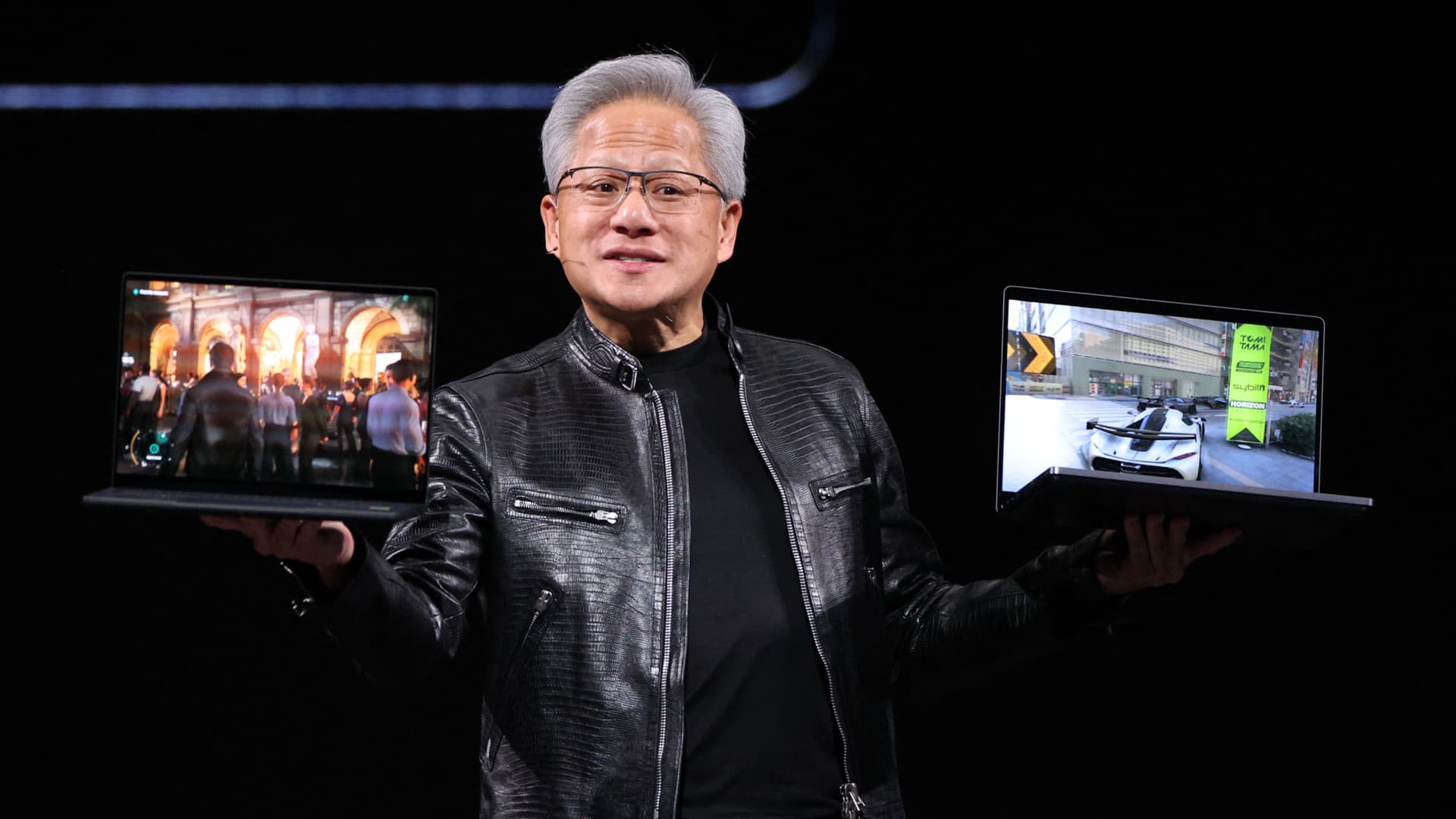
Nvidia, the dominant force in AI data center chips, is making a pivotal entry into the personal computing market. The company has unveiled its new Arm-based N1X processor, set to power a fresh line of Windows PCs from major manufacturers like Microsoft, Dell, and HP, potentially reshaping the computing landscape. This strategic move aims to extend Nvidia’s AI prowess directly to end-user devices, ushering in what CEO Jensen Huang calls a ‘reinvention of the PC.’ For deeper analysis on wider technology market trends, StockXpo offers valuable insights.
🚀 Tech Strategy & Market Disruptions
- Arm-Based PC Revolution. Nvidia’s N1X processor, an Arm-based CPU, marks a significant challenge to Intel and AMD’s long-standing x86 dominance, driving a shift towards more power-efficient and AI-optimized computing.
- AI Factory Expansion. The introduction of the RTX Spark superchip, featuring Nvidia’s Blackwell GPU and the new N1X CPU, integrates advanced AI capabilities directly into consumer PCs, transforming local computing for creators, developers, and gamers.
- Ecosystem Synergy. A deep collaboration with Microsoft for Windows PCs, alongside key hardware partners like Dell and HP, establishes a formidable ecosystem to rapidly accelerate the adoption of Nvidia’s new architecture and agentic AI on devices.
Nvidia’s announcement at Taiwan’s Computex conference heralds a significant expansion beyond its data center stronghold into the hotly contested PC market. CEO Jensen Huang’s unveiling of the N1X processor, a custom Arm-based central processing unit developed in conjunction with Microsoft, signals a direct assault on the traditional x86 architecture championed by Intel and AMD. This isn’t merely another chip; it’s part of the new RTX Spark superchip, an integrated marvel combining one of Nvidia’s powerful Blackwell GPUs with the custom N1X CPU, designed by Taiwanese firm MediaTek, and incorporating 128 gigabytes of unified memory. For more information on emerging technologies, explore our dedicated section. The first devices, slated for fall, will include laptops from industry giants like Dell, HP, ASUS, and Lenovo, running a new generation of Windows PCs optimized for this architecture. The Nvidia PC chip is fabricated using Taiwan Semiconductor Manufacturing Company’s (TSMC) advanced 3-nanometer technology, currently exclusive to Taiwan, emphasizing the leading-edge nature of this deployment. More details on the semiconductor industry can be found on Bloomberg Technology.
This move comes amidst a broader industry trend where Arm-based processors are rapidly gaining traction due to their superior power efficiency and performance profiles, particularly for AI workloads. Apple’s successful transition to its own Arm-based M-series chips for MacBooks demonstrated the viability and market appeal of this architecture, inspiring a shift across the computing spectrum. Microsoft has been a key driver in encouraging companies to develop Arm-based processors for Windows, recognizing the potential for a new class of intelligent PCs. Reuters reports have highlighted Microsoft’s long-standing push for Arm-based processors. Nvidia spokespersons have suggested these new chips will be ‘far, far more capable, higher performance, more efficiency’ than their x86 counterparts, specifically in handling agentic AI workflows.
Beyond the consumer PC market, Nvidia is simultaneously ramping up production of its Vera CPU for data centers, a crucial element in its ‘AI factory’ vision. Huang anticipates a $200 billion CPU market, where fast, energy-efficient CPUs are essential for overcoming the ‘bottleneck’ in AI token generation. Early customers for Vera include major players like Anthropic, OpenAI, SpaceX’s xAI, Dell, Oracle, and CoreWeave, underscoring the broad industry demand for specialized AI infrastructure.
Key aspects of this expansion include:
- Deep integration with Microsoft for Windows to optimize software compatibility and performance.
- Leveraging Nvidia’s existing GPU dominance to create a unified, AI-centric computing experience.
- Targeting premium segments initially (creators, AI developers, gamers) with thin, light, and powerful devices.
This dual-pronged strategy, addressing both consumer PCs and data center AI infrastructure with Arm-based solutions, positions Nvidia not just as a chip provider but as an architect of the next generation of computing.
Nvidia’s new Arm-based N1X CPU → Powers RTX Spark superchip in Windows PCs → Unlocks advanced on-device AI capabilities → Shifts PC market from x86 to Arm architecture dominance → Drives innovation in local AI processing and energy efficiency → Disrupts Intel/AMD’s traditional stronghold and redefines the ‘intelligent PC’ experience.
‘This reinvention of the computer is as big of a deal as the reinvention of the phone into what we now know as the smartphone,’ stated Nvidia CEO Jensen Huang, emphasizing the profound shift towards agentic AI running across all new computers. This perspective underscores a fundamental re-architecture of computing, where AI is not just an application but an intrinsic layer of the operating system and hardware.
While specific detailed performance metrics for the RTX Spark are forthcoming, Nvidia has provided initial benchmarks and strategic objectives:
- Initial Performance Target: Roughly equivalent to Nvidia’s leading RTX 5070 laptop GPU for graphics performance.
- CPU Architecture: Arm-based N1X, custom designed by MediaTek.
- Manufacturing Process: Taiwan Semiconductor Manufacturing Company (TSMC) 3-nanometer technology.
- Memory: 128 gigabytes of unified memory.
- Device Form Factors: Debuting in laptops as thin as 14 millimeters, expanding to compact desktops.
- Target Market: Creators, AI developers, and gamers seeking high performance in thin, light, and portable devices.
Nvidia Ecosystem Expansion Potential
Nvidia’s foray into the PC CPU market is not just about a new chip; it’s about extending its comprehensive ecosystem. The company already commands a dominant position in GPUs, developer tools like CUDA, and AI software platforms. By integrating an Arm-based CPU, Nvidia can offer a more cohesive hardware and software stack, potentially creating a closed-loop environment similar to Apple’s, but for the broader Windows ecosystem. This integrated approach can lead to optimized performance, enhanced security, and a streamlined developer experience for AI applications, making Nvidia a single-source provider for end-to-end AI computing. The sheer scale of its partnerships with Microsoft and leading PC manufacturers indicates a strategic intent to rapidly build out this ecosystem, further embedding Nvidia’s technology into daily computing tasks and workflows.
Nvidia Market Adoption Challenges
Despite the technological promise, Nvidia’s entry into the PC CPU market faces significant adoption challenges. The established dominance of Intel and AMD in the x86 architecture means decades of software optimization and developer familiarity. While Microsoft is pushing for Arm-based Windows, ensuring seamless compatibility and performance across the vast Windows application library will be critical. Early adopters in the creator and developer space might tolerate initial compatibility hurdles for superior AI performance, but mainstream consumer adoption requires robust software support out-of-the-box. Pricing strategy will also be key; while starting with premium segments, expanding to different price points will necessitate competitive offerings against entrenched players. Furthermore, the reliance on TSMC’s advanced fabrication capacity could pose supply chain risks, especially given global geopolitical dynamics.
Nvidia PC Chip: Reshaping the Computing Paradigm
Nvidia’s bold move into the PC CPU market with its Arm-based N1X processor marks a watershed moment, potentially redefining personal computing for the next era. This initiative, deeply integrated with Microsoft and leading OEMs, is set to infuse mainstream PCs with potent agentic AI capabilities, accelerating innovation at the edge. The synergy between Nvidia’s GPU prowess and its new CPU architecture positions the company for significant growth beyond its data center stronghold.
- AI at the Edge: Expect a new generation of personal computers capable of running sophisticated AI models locally, enhancing productivity, creativity, and user experience.
- Architectural Shift: The industry is clearly accelerating its transition from x86 to power-efficient Arm-based architectures, driven by the demands of AI and mobile computing.
- Competitive Dynamics: Nvidia’s entry intensifies competition with Intel and AMD, while also drawing parallels with Apple’s successful silicon strategy, pushing all players to innovate faster.
Will this strategic pivot solidify Nvidia’s long-term dominance across the entire computing spectrum, from data centers to personal devices?
📊 StockXpo Analyst’s View
Market Impact: Nvidia’s audacious entry into the PC CPU market introduces a formidable new competitor against Intel and AMD, signaling a potential repricing of traditional CPU manufacturers as the market shifts. This could spark a wave of investment into companies innovating in Arm-based software development and AI-optimized hardware. We anticipate increased volatility among chip manufacturers as investors gauge the speed and scale of this architectural transition.
Sector To Watch: The PC hardware sector, including OEMs like Dell, HP, ASUS, and Lenovo, will be critical to observe. Their ability to integrate and market these new AI-driven devices will dictate early adoption rates. Additionally, the broader software ecosystem for Windows on Arm will be a key performance indicator. For further educational tech insights, visit the StockXpo blog. Semiconductor foundries, particularly TSMC, are also poised to benefit from increased demand for cutting-edge fabrication processes.
Financial Disclaimer:
StockXpo.com is a financial news aggregator and educational portal, not a registered investment advisor or broker-dealer. All information, news, and analysis provided herein are strictly for educational purposes and do not constitute investment, financial, legal, or tax advice. Investing in the stock market involves high risks, and past performance is not indicative of future results. StockXpo will not be liable for any financial losses or investment damages. Always consult a certified financial advisor before making market decisions.
MORE IN INSIDE TECHNOLOGY

Porsche Profit Rebounds: A Bold Strategic Shift in Global Markets
Published: Tuesday, October 27, 2026 · 6:31 AM

SoftBank AI Investment: Malaysia’s $50 Billion Innovation Surge
Published: Monday, October 26, 2026 · 2:37 AM