
Published: Friday, August 7, 2026 · 7:38 PM | Updated: Friday, August 7, 2026 · 7:38 PM
📊 146 views




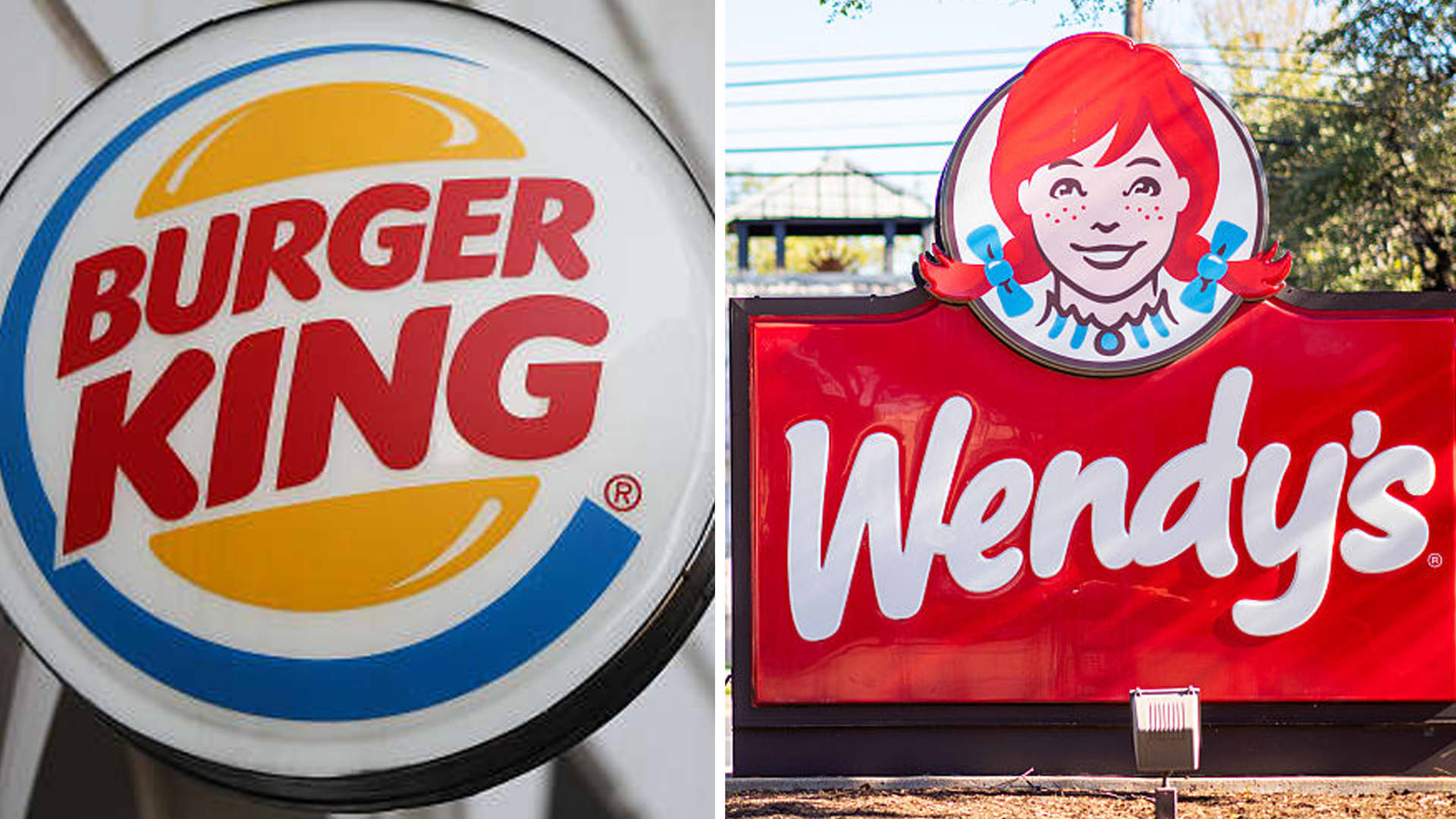
The landscape of the U.S. fast-food burger market has shifted significantly as Burger King Overtakes Wendy’s to reclaim its position as the nation’s second-largest chain by systemwide sales. This strategic reversal underscores the profound impact of operational efficiency and focused turnaround efforts, marking a pivotal moment in the ongoing competition for market share.
🗝️ Corporate Strategy Insights
- Strategic Turnaround Success. Burger King’s multi-year investment in food quality, marketing, and restaurant remodels has driven consistent domestic same-store sales growth, directly leading to its market position reclaim.
- Leadership Volatility’s Impact. Wendy’s struggled with six consecutive quarters of declining U.S. same-store sales, exacerbated by a rapid succession of CEOs, which hindered strategic continuity and response to market pressures.
- Operational Excellence as a Differentiator. The divergence in performance highlights how focused operational execution and consistent leadership are critical competitive advantages, even in mature, highly competitive sectors like fast food.
After six years, Restaurant Brands International’s (QSR) Burger King division has officially surpassed Wendy’s (WEN) in U.S. systemwide sales, marking a significant repositioning within the highly competitive quick-service restaurant industry. This move follows a period of diverging fortunes, with Burger King executing a robust turnaround plan while Wendy’s faced significant headwinds and internal instability. The ‘Reclaim the Flame’ initiative by Burger King, launched in late 2022, has visibly paid off, focusing on tangible improvements across its U.S. footprint.
Burger King’s strategy has been multi-faceted, concentrating on enhancing food quality, boosting its marketing presence, and investing substantially in modernizing its restaurants. This concerted effort has translated into five consecutive quarters of domestic same-store sales growth, culminating in an impressive 8.5% rise in its latest quarter, as reported by CNBC. This growth contrasts sharply with Wendy’s performance, which has seen its U.S. same-store sales shrink for six straight quarters, including a 7% decline in its most recent report.
* Burger King’s turnaround included:
* Improved food quality and menu innovation.
* Increased marketing and advertising spend.
* Significant investments in restaurant remodels.
Meanwhile, Wendy’s has navigated a tumultuous period marked by leadership changes and a perceived erosion of its core value proposition. The company initially gained its second-place standing thanks to a successful nationwide breakfast launch. However, subsequent challenges, including soaring beef costs, consumer sensitivity to rising menu prices, and executive instability, have chipped away at its market standing. The recent departure of CEO Todd Penegor, followed by two short-term replacements before Bob Wright’s appointment, created a void in long-term strategic direction. As reported by Forbes business insights, such executive volatility can critically impair a company’s ability to adapt swiftly to market changes.
This shift carries a substantial strategic ripple effect across the burger segment. Burger King’s resurgence could ignite intensified competition, forcing rivals to re-evaluate their own operational efficiencies and value propositions. For Wendy’s, the immediate effect is a diminished market perception and increased pressure on its new leadership to reverse negative sales trends.
* Burger King’s Momentum → Enhanced Brand Perception & Investor Confidence: Sustained positive sales signal effective strategy execution, potentially attracting further investment into its revitalization programs and strengthening its franchising model.
* Wendy’s Decline → Intensified Turnaround Pressure & Market Share Vulnerability: The loss of rank puts Wendy’s in a defensive posture, requiring aggressive investment in marketing, menu innovation, and potentially price adjustments to regain consumer traffic. This could lead to a ‘race to the bottom’ on pricing, impacting margins across the industry.
* McDonald’s Dominance → Reinforcement of Market Leadership: While McDonald’s remains the undisputed leader, holding roughly 48% of the U.S. burger market in 2024 (per Barclays), the fierce competition for the second spot highlights the dynamic nature of this segment, suggesting even market leaders cannot rest on their laurels and must continue to innovate.
“Wendy’s acknowledgment that its ‘quality differentiation has eroded’ and ‘value proposition has weakened’ is a stark admission of strategic missteps. Burger King’s success illustrates that in a highly commoditized market, consistent execution of core operational improvements can redefine competitive hierarchy,” noted a leading analyst for investment analysis.
The contrasting performance between Burger King and Wendy’s is evident in recent sales and historical market share data:
| Metric | Burger King (QSR) | Wendy’s (WEN) | Significance |
|---|---|---|---|
| Latest Quarterly U.S. Same-Store Sales Growth | +8.5% | -7.0% | Indicates immediate consumer demand and operational health. Burger King’s growth reflects successful turnaround, Wendy’s decline shows significant challenges. |
| Consecutive Quarters of U.S. Same-Store Sales Growth/Decline | 5 quarters of growth | 6 quarters of decline | Demonstrates sustained trend; Burger King’s consistency vs. Wendy’s persistent struggles. |
| U.S. Burger Market Share (2024 – Barclays) | 10.0% (pre-overtake) | 11.4% (pre-overtake) | Shows the prior gap and the scale of Burger King’s recent market share gains. |
These metrics are critical indicators of brand vitality and market competitiveness, directly influencing investor confidence and long-term valuation.
Burger King’s Strategic Playbook: What Drove Its Comeback?
Burger King’s strategic shift from a period of stagnation to regaining its competitive edge is a case study in effective corporate strategy. The ‘Reclaim the Flame’ plan wasn’t just about superficial changes; it was a deep dive into fundamental operational aspects. This involved significant capital expenditure on store remodels, aimed at improving the customer experience through modernized dining areas and updated drive-thrus, critical for today’s fast-paced consumer. Furthermore, a renewed focus on core menu items, coupled with targeted marketing campaigns, helped reposition the brand in the minds of consumers. This approach aligns with broader trends in corporate growth, where customer experience and perceived value drive loyalty and sales. The parent company, Restaurant Brands International, understood the importance of revitalizing this iconic brand to secure its long-term market presence.
Wendy’s Leadership Challenges and Competitive Setbacks
The recent challenges faced by Wendy’s extend beyond market dynamics; they reflect internal vulnerabilities. The frequent changes in CEO leadership, with three executives in little over a year, created an environment of strategic inconsistency at a crucial time. Such executive instability often leads to a fragmented vision, delayed decision-making, and difficulty in executing long-term initiatives. While the company enjoyed an initial boost from its breakfast menu, it appears to have struggled with sustaining that momentum and adapting to evolving consumer demands for value and quality amidst rising costs. The competitive environment requires agile leadership, and Wendy’s recent struggles highlight how critical consistent and clear leadership is to maintaining company strategy and market position.
Burger King’s Ascension: A New Battleground for Fast Food Supremacy
The recent shift, where Burger King Overtakes Wendy’s, signals a dynamic recalibration within the fiercely competitive U.S. burger market. Burger King’s deliberate and sustained turnaround strategy has delivered tangible results, highlighting the power of focused investment in brand fundamentals. Wendy’s, conversely, faces an urgent need for strategic clarity and operational revitalization under its new leadership to stem its declining market share and restore consumer confidence.
- Burger King’s ‘Reclaim the Flame’ initiative proved effective, driving robust sales growth.
- Wendy’s suffered from leadership instability and an eroding value proposition, leading to sales contraction.
- The competition for the second-largest burger chain spot is intensely dynamic, underscoring constant pressure on all players, including market leader McDonald’s, to innovate.
Can Wendy’s emulate Burger King’s turnaround success, or will the gap between the top three burger chains widen further?
📊 StockXpo Analyst’s View
Market Impact: This competitive shift is likely to invigorate investor interest in Restaurant Brands International (QSR), validating its turnaround investments. Conversely, Wendy’s (WEN) may experience continued pressure on its stock as the market awaits concrete signs of its planned revival. This development underscores the importance of operational execution in driving market capitalization in mature sectors.
Sector To Watch: The quick-service restaurant (QSR) sector, particularly the burger segment, will remain a hotbed of activity. Companies will be keenly observed for their ability to manage input costs, adapt to consumer value demands, and innovate digitally. This could also prompt renewed focus on loyalty programs and localized marketing efforts across the industry, offering valuable educational insights for investors.
Financial Disclaimer:
StockXpo.com is a financial news aggregator and educational portal, not a registered investment advisor or broker-dealer. All information, news, and analysis provided herein are strictly for educational purposes and do not constitute investment, financial, legal, or tax advice. Investing in the stock market involves high risks, and past performance is not indicative of future results. StockXpo will not be liable for any financial losses or investment damages. Always consult a certified financial advisor before making market decisions.
MORE IN INSIDE BUSINESS
Saudi Arabia Flight Decision: Delta Weighs Safety Amid Regional Tensions
Published: Friday, October 9, 2026 · 7:21 AM
Skydance Vertical Win: Ellison’s Bold Strategy for Media Dominance
Published: Thursday, October 8, 2026 · 12:44 PM


