
Published: Thursday, September 24, 2026 · 11:48 AM | Updated: Thursday, September 24, 2026 · 11:48 AM
📊 131 views




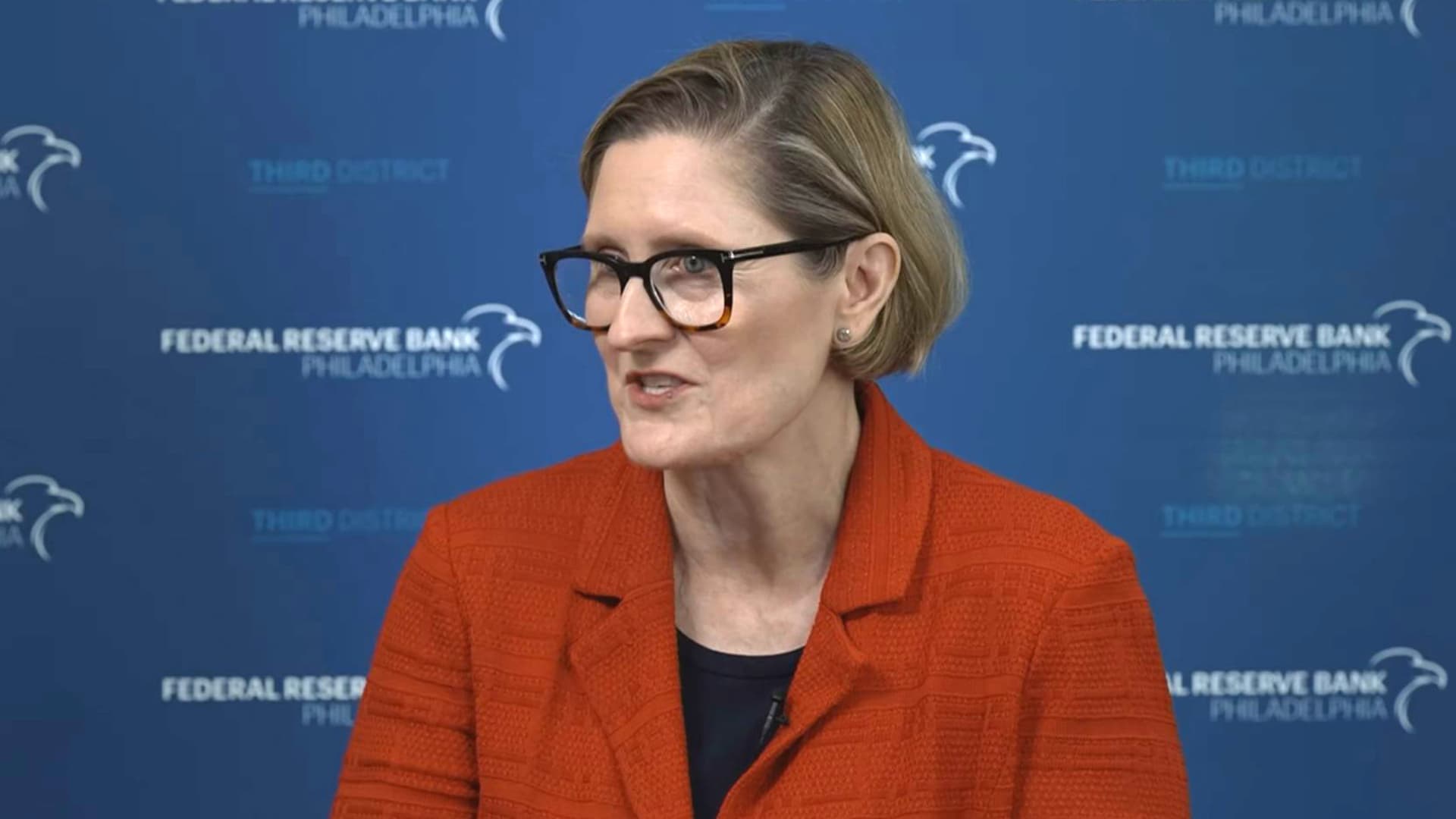
Philadelphia Federal Reserve President Anna Paulson has indicated that further interest rate increases are on the table as the central bank continues its battle against persistent inflation. The sentiment suggests a cautious but resolute approach to monetary policy, aiming to bring price pressures back to the Federal Reserve’s 2% target without unduly harming the labor market.
💰 Financial Strategy & Market Insights
- Inflation Persistence. Underlying inflation remains significantly above the Fed’s 2% target, showing little sign of abating despite recent moderating trends in some sectors.
- Policy Tightening Pace. The Fed is likely to pursue ‘modest’ rate adjustments, balancing the need to tame inflation with the imperative to support labor market stability.
- Market Expectations. Traders are increasingly pricing in additional rate hikes, with futures indicating a strong probability of further tightening through early 2027.
Speaking just a week after the Federal Open Market Committee (FOMC) implemented a quarter-percentage-point hike, pushing the benchmark federal funds rate into a target range of 3.75%-4%, Paulson articulated concerns that underlying inflation is still hovering around 2.5%-3%. This level is considerably higher than the desired 2% target, and the gap is showing minimal signs of narrowing. She described the current year’s inflation trend as ‘not gotten worse,’ a statement that underscores the sticky nature of price increases even when excluding supply shocks like oil price volatility or tariff impacts.
Despite these inflationary headwinds, Paulson noted that the broader economy has demonstrated resilience. Economic output has been described as ‘solid,’ and the labor market remains ‘holding steady.’ This dual narrative of persistent inflation alongside a stable economy presents the Federal Reserve with a complex balancing act as it calibrates its monetary policy. The prospect of continued tightening, even if modest, implies a commitment to achieving price stability, a key mandate for the central bank.
The Fed’s Evolving Stance on Modest Rate Moves
Market participants have noticeably adjusted their outlook on the Federal Reserve’s tightening path. Expectations for further Fed tightening have escalated significantly in recent weeks. This sentiment is reflected in the upward trajectory of longer-duration Treasury yields, which have reached levels not observed since 2004. The CME Group’s FedWatch tool currently indicates a substantial probability—around 64%—of another rate hike in October, with further increases anticipated in early 2027. Fed funds futures are suggesting a terminal rate of approximately 4.8% by the end of 2027, pointing to the possibility of up to four quarter-point increases ahead. This heightened anticipation of continued monetary tightening underscores the market’s focus on inflation control and the Fed’s commitment to its price stability goals.
New York Fed President John Williams echoed a similar sentiment earlier in the day, deeming it ‘reasonable’ to expect another rate hike before the year concludes. Such unified messaging from influential Fed officials reinforces the likelihood of a continued hawkish stance, at least in the short to medium term, as they navigate the current economic landscape. Investors are thus bracing for a sustained period of higher borrowing costs, impacting various asset classes.
- Upside Risks: Successful inflation reduction leading to earlier policy pivot, sustained economic growth without recession, and increased market confidence in Fed’s inflation-fighting credibility.
- Downside Risks: Inflation proving more stubborn than anticipated, leading to more aggressive rate hikes that could trigger a recession, or policy missteps that could destabilize financial markets.
The phrase ‘modest rate moves’ from a Federal Reserve official signifies a measured approach to monetary tightening. It implies that while further rate hikes are likely necessary to combat inflation, the pace and magnitude will be carefully calibrated to avoid abrupt economic contractions. This strategy aims to gradually cool demand and bring inflation back to the 2% target without triggering significant unemployment or financial instability, a critical tightrope for central bankers.
The implied rate by the end of 2027 suggests a potential for continued hawkish policy, with traders anticipating an average federal funds rate of approximately 4.8%. This forward-looking market pricing reflects a strong consensus for sustained higher interest rates, influencing borrowing costs across the economy.
Federal Reserve Policy Outlook and Inflation Dynamics
The Philadelphia Fed’s stance on ‘modest rate moves’ highlights the ongoing tension between taming inflation and maintaining economic stability. The Fed’s dual mandate requires careful consideration of both price pressures and employment levels. Should inflation continue to outpace expectations, the central bank may be forced to adopt a more aggressive tightening cycle, potentially increasing the risk of a downturn. Conversely, a swift return to the 2% target could allow for a sooner easing of monetary policy, supporting sustained growth. The upcoming economic data releases will be crucial in shaping the Fed’s future decisions and the market’s interpretation of these policy signals. For a deeper dive into market trends, explore our financial sector analysis.
The prospect of continued rate hikes directly influences capital allocation strategies. Investors are likely to favor assets with greater resilience to rising borrowing costs and inflation. As monetary policy tightens, the cost of capital increases, impacting corporate profitability and investment decisions. This environment necessitates a disciplined approach to asset valuation and risk management, focusing on companies with strong balance sheets and pricing power.
Fed’s Inflation Fight: What These Modest Rate Moves Mean for 2027 Markets
Philadelphia Fed President Anna Paulson’s comments suggest a continuation of the Federal Reserve’s effort to bring inflation back to its 2% target through ‘modest rate moves.’ This implies a patient but determined monetary policy, with further rate adjustments likely if current trends persist. The market is already pricing in this possibility, signaling a cautious outlook for the near to medium term.
- Continued vigilance on inflation data remains paramount for Fed policy decisions.
- The labor market’s resilience provides a cushion for further, albeit modest, rate increases.
- Investor strategies should prioritize adaptability to an environment of sustained higher interest rates.
Will the Fed’s measured approach to modest rate moves be sufficient to cool inflation without triggering a significant economic slowdown?
### 📊 StockXpo Analyst’s View
Market Impact: The clear signaling of potential further ‘modest rate moves’ reinforces a hawkish stance from the Fed, which will likely continue to exert downward pressure on asset valuations and increase the cost of capital. This may lead to reduced liquidity in riskier asset classes as investors seek safer havens or fixed-income instruments offering higher yields. The focus shifts to capital preservation and yield generation in a higher-rate environment.
Sector To Watch: Financials are likely to benefit from widening net interest margins, provided they can manage credit risk effectively. Conversely, rate-sensitive sectors such as technology and growth stocks may face continued headwinds. Companies with strong pricing power and essential products or services will be better positioned to weather the inflationary storm and higher borrowing costs. For further educational financial insights, visit our blog.
Financial Disclaimer:
StockXpo.com is a financial news aggregator and educational portal, not a registered investment advisor or broker-dealer. All information, news, and analysis provided herein are strictly for educational purposes and do not constitute investment, financial, legal, or tax advice. Investing in the stock market involves high risks, and past performance is not indicative of future results. StockXpo will not be liable for any financial losses or investment damages. Always consult a certified financial advisor before making market decisions.
MORE IN INSIDE FINANCE
China Market Access: Unlocking New Growth Avenues for US Financial Giants
Published: Friday, October 16, 2026 · 2:39 PM

Rare Earths Exports: China’s Strategic Flow to EU Amidst Geopolitical Volatility
Published: Thursday, October 15, 2026 · 5:56 AM


