Published: Thursday, October 15, 2026 · 5:56 AM | Updated: Thursday, October 15, 2026 · 5:56 AM
📊 8 views




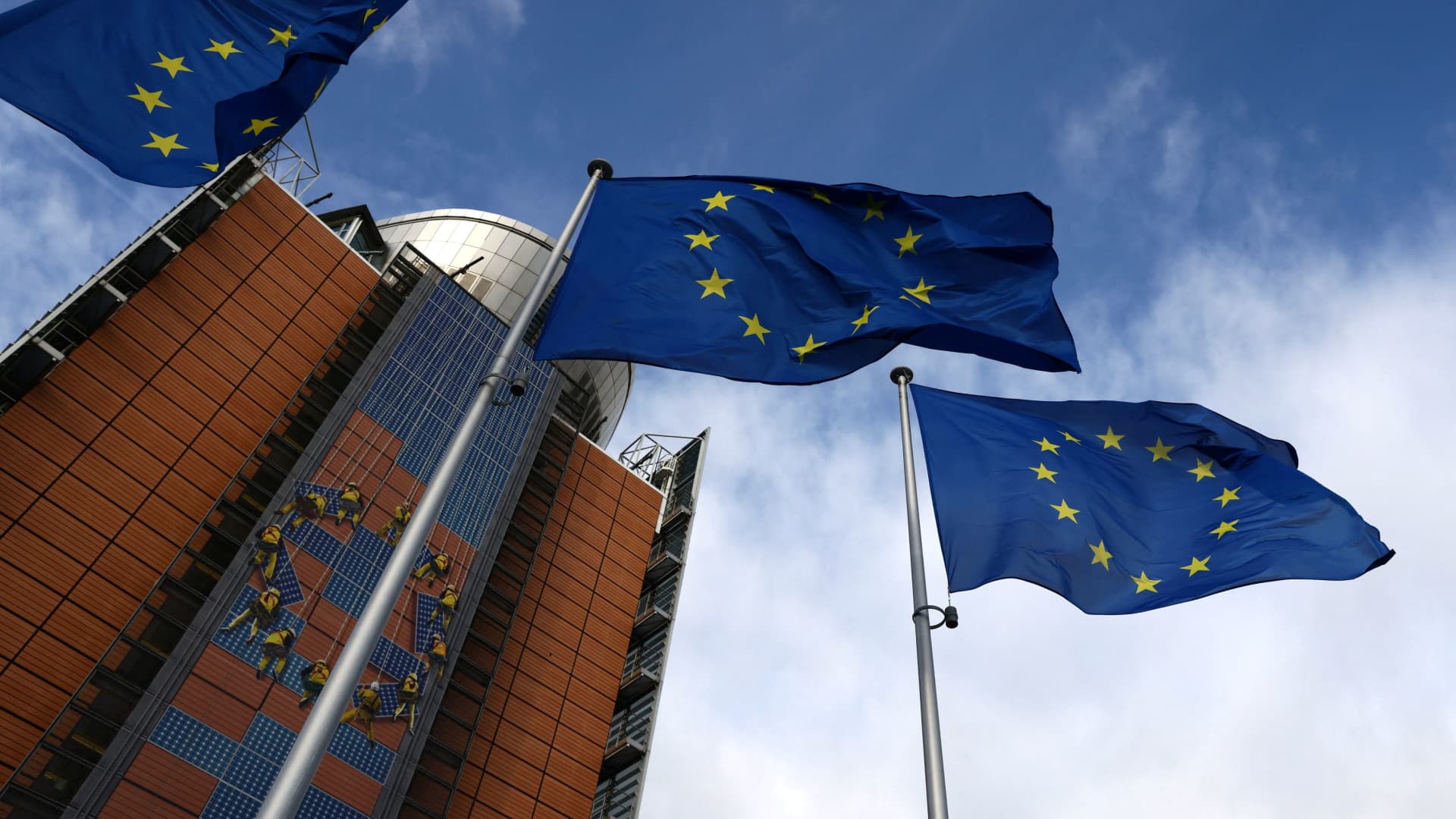
Beijing has formally indicated its intent to maintain the flow of crucial rare earths to Europe, effectively decoupling these vital supplies from the ongoing complexities of the U.S.-China trade deal. This move, confirmed by China’s Commerce Ministry, aims to stabilize supply chains for key European industries amidst persistent global trade tensions.
The assurance from the world’s largest producer of rare earths could significantly impact asset valuation and risk management strategies for companies heavily reliant on these materials, offering a degree of predictability in a volatile geopolitical landscape.
💰 Financial Strategy & Market Insights
- EU Supply Security. China’s pledge to continue rare earths exports offers European industries a crucial hedge against potential supply disruptions, fostering stability for high-tech manufacturing.
- Geopolitical Buffer. By creating a ‘green channel’ for Europe, China strategically insulates a significant portion of the global rare earth market from the direct fallout of its trade disputes with the U.S.
- Strategic Bargaining Chip. This assurance is not unconditional, as Beijing seeks reciprocal support from the EU for imports in certain dual-use sectors, indicating a calculated diplomatic and economic maneuver.
China’s Commerce Ministry spokesperson He Yadong affirmed that Beijing is prepared to continue approving rare earth licenses for Europe, irrespective of the January deadline for the U.S. trade deal extension. This announcement follows a period of heightened restrictions initiated last October, which saw China tighten controls on all market analysis products containing even minimal amounts of China-sourced rare earths.
The global trade environment has been particularly fraught, with the U.S. expanding its blacklist to include numerous Chinese entities, leading to a temporary suspension of retaliatory measures agreed upon by Chinese President Xi Jinping and then-U.S. President Donald Trump in October 2025. That truce was recently extended by two months, signaling a fragile equilibrium in bilateral relations.
However, separate negotiations between the EU and China appear to have yielded a more stable outlook for European supply. European Trade Commissioner Maroš Sefčovič’s recent meeting with Chinese Commerce Minister Wang Wentao in Beijing reportedly cooled trade tensions, culminating in China’s willingness to use a ‘green channel’ mechanism to ensure continued financial sector access to rare earths. In return, China implicitly requested the bloc’s support for its imports of specific dual-use products.
- The ‘green channel’ for rare earths to Europe represents a tactical move by China to cultivate stronger ties with the EU, potentially creating a wedge in the broader Western alliance’s approach to Beijing.
- This strategic decoupling of Europe’s rare earth supply from the U.S.-China trade dynamic reduces immediate supply chain volatility for European manufacturers of electric vehicles, wind turbines, and advanced electronics.
- The reciprocal request for EU support in dual-use sectors highlights China’s long-term industrial ambitions and its desire to secure access to critical technologies, underpinning complex global supply chain interdependencies.
Navigating Investment Volatility: The Rare Earths Conundrum
This development introduces both significant opportunities and inherent risks for investors and industries globally.
- Upside:
- Enhanced supply chain stability for European manufacturers dependent on rare earths, potentially boosting stock valuations in sectors like automotive, renewable energy, and defense.
- Reduced commodity price volatility for rare earths in the short-to-medium term, offering greater predictability for budgeting and product development.
- Potential for improved EU-China trade relations, which could open new avenues for economic cooperation beyond rare earths.
- Downside Risks:
- Continued underlying geopolitical tensions between the U.S. and China could still spill over, creating future supply uncertainties despite current assurances.
- Increased reliance on a single major supplier (China) poses long-term strategic vulnerabilities for the EU, potentially limiting its ability to diversify sourcing.
- The quid pro quo involving dual-use products introduces a new layer of complexity, with potential regulatory and ethical considerations for European policymakers.
- Investor sentiment remains susceptible to shifts in broader U.S.-China relations, meaning this specific rare earths stability might not fully insulate markets from wider trade war impacts.
Strategic Commodity Leverage: Rare earths are not mere minerals; they are geopolitical assets crucial for modern technology, from smartphones to guided missiles. China’s near-monopoly on refining these elements provides immense leverage, impacting asset valuation across strategic industries and posing unique risk management challenges for nations seeking technological autonomy.
The market for rare earth elements is dominated by China, which accounts for an estimated 60% of global mining output and roughly 90% of refined rare earth production. This concentration creates a significant supply dependency for industrialized nations.
- China’s production control extends to critical light rare earth elements like Neodymium and Praseodymium, essential for powerful magnets used in electric vehicles and wind turbines.
- Europe, in particular, is heavily reliant on these imports for its ambitious green energy transition and advanced manufacturing sectors.
- While no specific financial metrics for recent rare earths price shifts are detailed here, the announcement is expected to mitigate potential price spikes that could arise from supply fears, supporting stability for consumers.
Rare Earths Liquidity Analysis: Navigating Supply Chain Dynamics
The assurance of continued strategic market positioning from China regarding Rare Earths Exports directly impacts the perceived liquidity and availability within global supply chains. For European manufacturers, this signifies a reduction in the short-term risk of supply crunch, which can otherwise lead to volatile pricing and production bottlenecks. This stability, however, doesn’t translate into a truly liquid spot market due to China’s dominant position. Instead, it suggests a more predictable, albeit controlled, flow, allowing for better inventory management and less urgent stockpiling, which can free up capital for other investments.
Rare Earths Market Sentiment Tracker: Investor Reaction to Supply Stability
Investor sentiment surrounding critical mineral supplies has historically been characterized by extreme volatility, with fears of disruption often leading to speculative trading. This latest confirmation on Rare Earths Exports from China to the EU is likely to inject a dose of positive sentiment into specific European industrial sectors, particularly those in automotive (electric vehicles), advanced electronics, and renewable energy. Companies that rely on these materials for their core products may see their stock valuations stabilize or even improve, as the risk premium associated with supply uncertainty partially recedes. Long-term investors may view this as a signal for sustained growth in these strategic industries, even as the broader geopolitical environment remains complex. Further insights into these dynamics can be found in various educational financial insights.
The Geopolitical Chessboard of Rare Earths Exports: A New Chapter
China’s commitment to ensuring a stable flow of Rare Earths Exports to Europe, irrespective of its U.S. trade negotiations, marks a significant strategic maneuver designed to foster closer economic ties with the EU while underscoring Beijing’s pivotal role in global supply chains. This move offers immediate relief to European industries but also reveals the delicate balance of power in critical mineral diplomacy.
- This policy provides crucial supply chain resilience for Europe, enabling vital sectors like EVs and high-tech manufacturing to plan with greater certainty.
- It represents a nuanced strategy by China to decouple economic relationships where beneficial, potentially mitigating broader Western alliance pressure.
- However, it also accentuates the EU’s ongoing challenge to develop truly independent supply chains and reduce over-reliance on a single dominant source.
Will this ‘green channel’ truly insulate Europe from future geopolitical supply chain disruptions, or merely shift the locus of strategic leverage?
📊 StockXpo Analyst’s View
Market Impact: This news is a net positive for European manufacturing and technology sectors. It should temper near-term price volatility for key rare earth elements, potentially stabilizing input costs for industries like electric vehicle production and renewable energy, which could see a modest boost in investor confidence. However, the overarching geopolitical risk remains, suggesting that while immediate liquidity concerns ease, long-term strategic diversification efforts will intensify.
Sector To Watch: The European automotive industry, especially companies deeply invested in electric vehicle battery and motor manufacturing, along with renewable energy component producers (e.g., wind turbine magnets), will be the primary beneficiaries. Investors should monitor these sectors for signs of sustained growth or strategic partnerships aimed at reducing future dependencies. Companies with strong R&D into rare earth alternatives may also see increased attention.
Financial Disclaimer:
StockXpo.com is a financial news aggregator and educational portal, not a registered investment advisor or broker-dealer. All information, news, and analysis provided herein are strictly for educational purposes and do not constitute investment, financial, legal, or tax advice. Investing in the stock market involves high risks, and past performance is not indicative of future results. StockXpo will not be liable for any financial losses or investment damages. Always consult a certified financial advisor before making market decisions.
MORE IN INSIDE FINANCE
China’s Exports Surge: Unpacking Global Trade Growth and Asset Implications
Published: Wednesday, October 14, 2026 · 2:14 AM

Singapore Haven: Stability Yields Opportunity Amid Global Volatility
Published: Tuesday, October 13, 2026 · 12:19 AM