
Published: Wednesday, November 4, 2026 · 4:06 AM | Updated: Wednesday, November 4, 2026 · 4:06 AM
📊 13 views




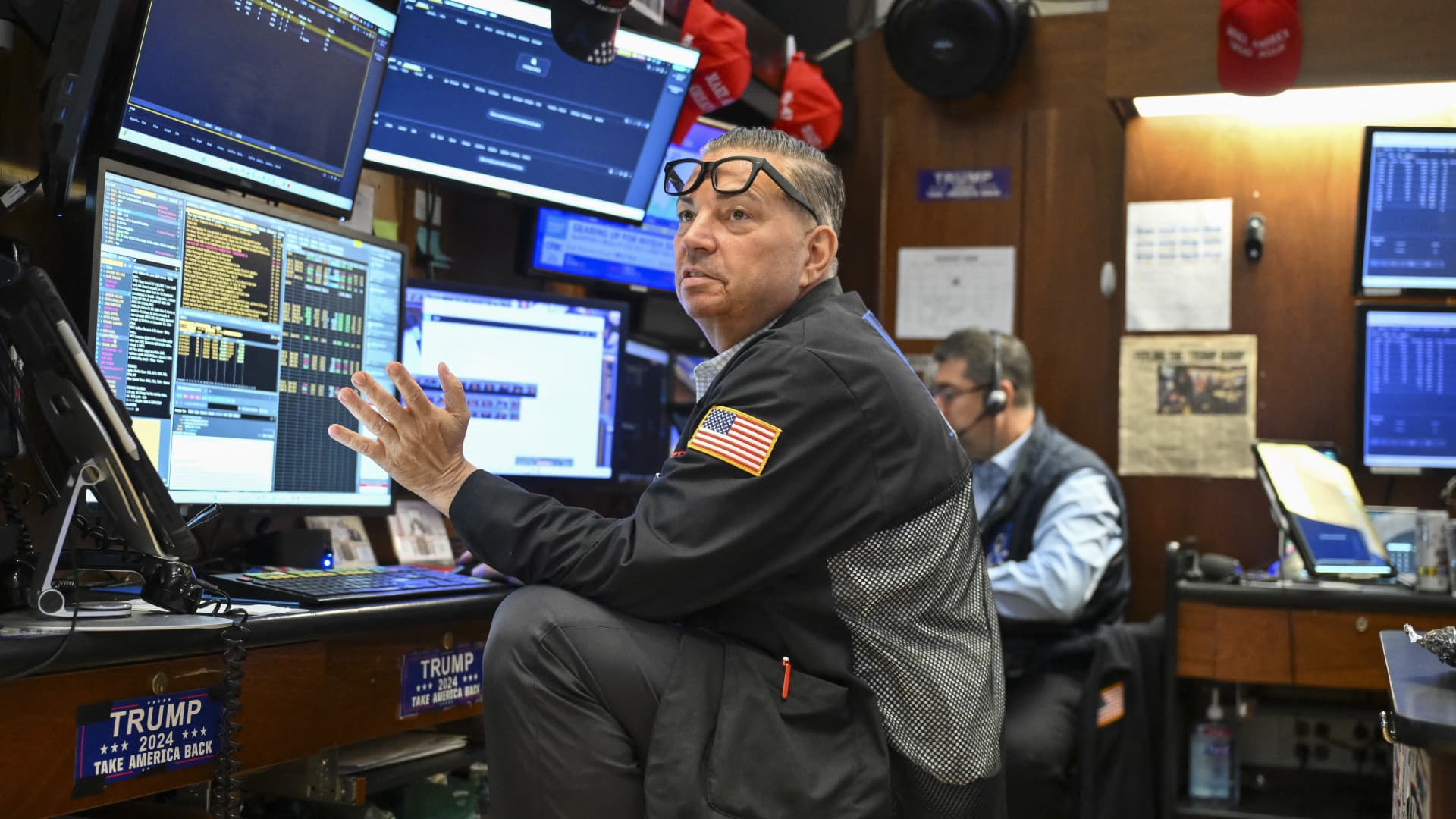
Global financial markets saw significant capital reallocation today as market analysis indicated a sharp decline in Treasury yields. This shift was triggered by investor anxieties surrounding potential U.S. midterm election outcomes, driving a flight to safety from equities into fixed income. The sudden re-pricing underscores how political dynamics can swiftly influence asset valuation and investment trends.
💰 Financial Strategy & Market Insights
- Yields Plummet on Safety Demand. Benchmark 10-year Treasury yields fell, signaling strong investor demand for government bonds as a safe haven amidst equity market volatility.
- Election Fears Drive Capital Shifts. The prospect of a ‘clean sweep’ by Democrats in the U.S. midterm elections spurred an equity sell-off, prompting capital to flow into less risky assets like Treasuries.
- AI Stocks Under Pressure. AI-related shares, recent market leaders, faced declines due to concerns that a Democratic agenda might slow critical data center infrastructure buildouts, impacting future growth projections.
Wednesday’s market action clearly illustrated the immediate impact of political uncertainty on financial markets, particularly the bond sector. Treasury yields across the curve experienced downward pressure as investors quickly re-evaluated risk exposures. The benchmark 10-year Treasury note yield declined by 2 basis points to 4.9291%, while the 30-year bond yield saw a 1 basis point drop to 5.3093%. Even the shorter-term 2-year note yield pulled back 1 basis point to 4.5996%, reflecting broad-based risk aversion. This inverse relationship between yields and prices means bond prices rose, indicating increased demand.
The catalyst for this flight to quality was the unfolding U.S. midterm election results, which suggested a strong showing for Democrats, potentially leading to control of both the House and Senate. This outcome sent jitters through the equity markets, with S&P 500 futures falling 0.17% and Nasdaq-100 futures sliding 0.25%. The most immediate impact was felt in sectors that had been driving the recent bull market, particularly:
- AI-Related Shares: These growth-oriented stocks experienced a significant overnight decline. Investors fear that a Democrat-controlled Congress might introduce policies or regulations that could slow the expansion of data center infrastructure, a crucial component for AI development and deployment. This perceived regulatory headwind translated directly into downward pressure on valuations for these high-flying assets.
Such rapid re-pricing of assets based on political forecasts highlights the dynamic interplay between policy expectations, investor sentiment, and market liquidity.
- Upside:
- Increased demand for safe-haven assets could stabilize bond markets, offering a perceived refuge during broader equity market corrections.
- Lower Treasury yields could indirectly support certain rate-sensitive sectors if the perceived economic risk leads to a sustained dovish shift from the Federal Reserve.
- Downside Risks:
- Continued political uncertainty could prolong equity volatility, impacting investor confidence and broader economic activity.
- Policy shifts under a new political landscape could negatively affect specific industries (e.g., tech, energy) through increased regulation or taxation, leading to further sector-specific sell-offs.
- A sustained flight to safety could signal deeper concerns about economic growth, potentially leading to broader market slowdowns.
When bond yields fall, it signifies that the demand for government debt has increased, pushing bond prices higher. This inverse relationship is fundamental for understanding capital preservation strategies. Investors are essentially accepting a lower return in exchange for what they perceive as greater security, often during periods of elevated market uncertainty or economic concern.
Key yield movements observed:
- 10-year Treasury note yield: down 2 basis points to 4.9291%
- 30-year bond yield: down 1 basis point to 5.3093%
- 2-year note yield: down 1 basis point to 4.5996%
Equity futures performance:
- S&P 500 futures: down 0.17%
- Nasdaq-100 futures: down 0.25%
Treasury Yields Historical Benchmarking
The current decline in Treasury yields, particularly the 10-year note dipping to 4.9291%, provides an important benchmark against recent historical trends. For much of the preceding period, yields had been climbing, reflecting persistent inflation concerns and a hawkish Federal Reserve stance. This sudden reversal, driven by political risk rather than solely monetary policy expectations, indicates a distinct shift in market drivers. Comparing this move to previous election cycles, where political outcomes influenced risk premiums, reveals how quickly fixed income markets re-price uncertainty, offering insights into risk management strategies for diverse portfolios.
Market Sentiment Tracker: Post-Election Equity Jitters
Market sentiment, particularly for equities, shifted abruptly with the emerging election results. The initial investor reaction, characterized by a sell-off in S&P 500 and Nasdaq-100 futures, indicates a pronounced ‘risk-off’ mood. This immediate aversion to risk was most evident in high-growth, technology-heavy sectors like AI, which had been darlings of the bull market. The concern is not just about broader economic policy but specific regulatory impacts on industries perceived to be vulnerable to increased government oversight or changes in infrastructure spending priorities. Monitoring this sentiment will be crucial in gauging the duration and depth of the current market correction.
The Ripple Effect of Treasury Yields on 2026 Markets
The recent dip in Treasury yields underscores a significant market recalibration driven by political developments. Investors are actively seeking stability, shifting capital away from potentially volatile equities and into the perceived safety of government bonds. This trend highlights the sensitivity of asset valuations to legislative outlooks and future economic policy.
- The immediate investor response indicates a strong preference for capital preservation over growth in the face of political uncertainty.
- Sectors heavily reliant on ongoing infrastructure investment or facing potential regulatory scrutiny, like AI-related firms, will likely experience continued volatility.
- Long-term asset allocation strategies must now increasingly factor in the potential for legislative shifts and their specific industry impacts.
How will the ongoing political landscape continue to shape liquidity and risk appetite across global markets?
📊 StockXpo Analyst’s View
Market Impact: The rush into Treasuries, driving down yields, reflects a classic flight to safety, signaling heightened risk aversion among institutional investors. This influx of capital into fixed income temporarily boosts bond market liquidity but simultaneously pulls it from equities, creating downward pressure. For broader market liquidity, this creates a bifurcated environment where safe assets become highly liquid while risk assets face potential liquidity crunches.
Sector To Watch: Given the specific concerns around data center buildouts, the semiconductor and cloud computing sectors warrant close attention. Any perceived slowdown in infrastructure development could compress valuations for companies that underpin AI growth, making them particularly sensitive to policy shifts. Conversely, traditional defensive sectors might see renewed interest.
Financial Disclaimer:
StockXpo.com is a financial news aggregator and educational portal, not a registered investment advisor or broker-dealer. All information, news, and analysis provided herein are strictly for educational purposes and do not constitute investment, financial, legal, or tax advice. Investing in the stock market involves high risks, and past performance is not indicative of future results. StockXpo will not be liable for any financial losses or investment damages. Always consult a certified financial advisor before making market decisions.
MORE IN INSIDE FINANCE

AI Buildout: Trillions in Equity Needed as Debt Risks Mount
Published: Tuesday, November 3, 2026 · 2:56 AM

Texas Governor Race Volatility: Prediction Markets Signal Economic Policy Crossroads
Published: Monday, November 2, 2026 · 5:23 PM


