Published: Wednesday, June 17, 2026 · 8:30 PM | Updated: Wednesday, June 17, 2026 · 8:30 PM
📊 197 views




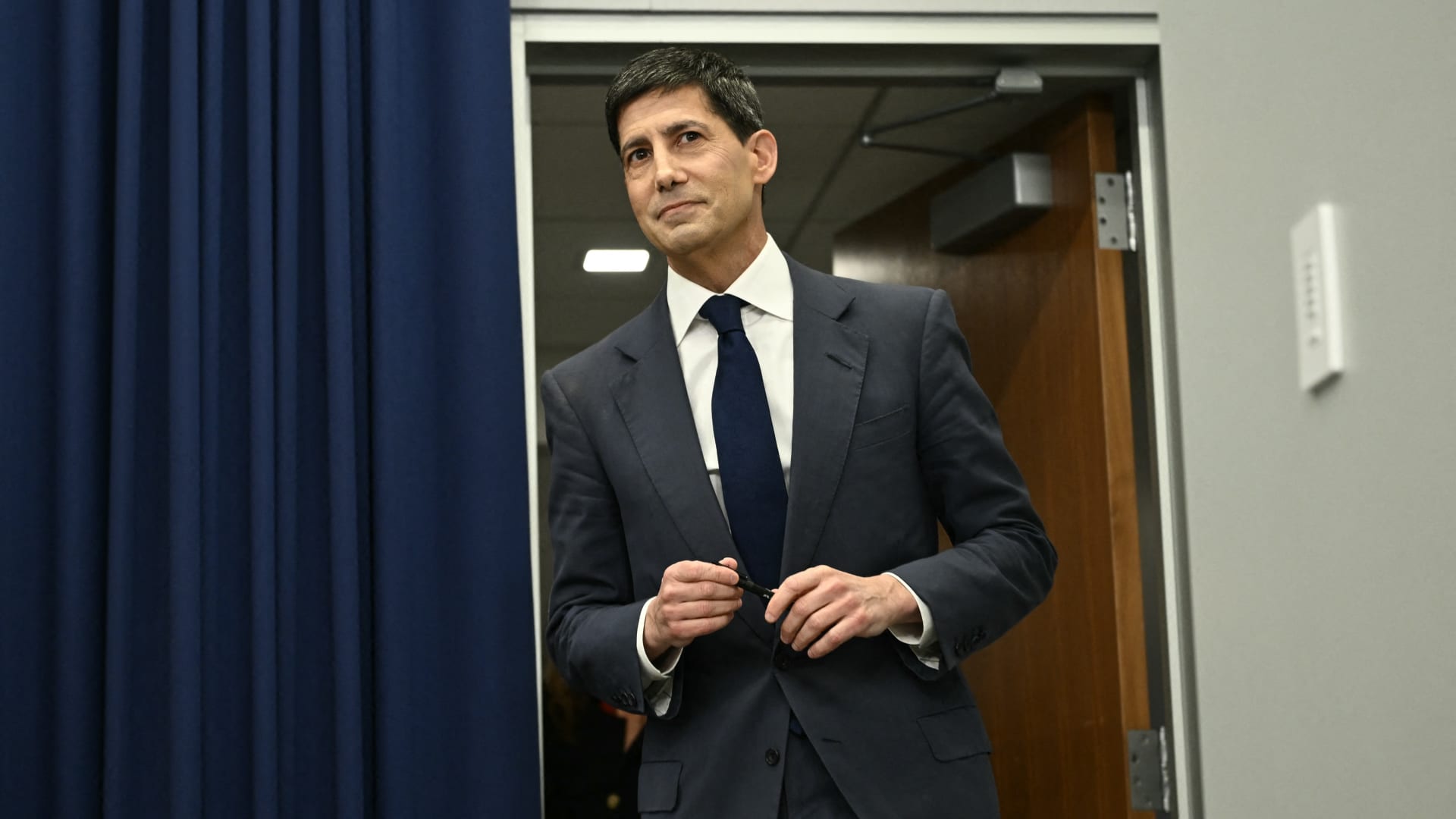
The Federal Reserve’s recent policy meeting has introduced a degree of uncertainty regarding future monetary policy, as Chairman Kevin Warsh opted out of providing an explicit rate forecast for 2026. This deviation from standard practice coincides with a broader push by the new chairman to re-evaluate the central bank’s communication strategies.
💰 Financial Strategy & Market Insights
- Shift in Guidance Strategy. Chairman Warsh’s decision to withhold his own rate forecast signals a potential move away from the Fed’s reliance on detailed forward guidance, aiming for more adaptable policy communication.
- Divergent Member Outlooks. While the median projection from Fed officials points to a rate increase in 2026, the absence of the chairman’s input creates a less unified picture, leaving room for market interpretation.
- Focus on Communication Reform. The Fed’s intention to review its communication practices, including the ‘dot plot’ and press conferences, suggests a desire for greater clarity and potentially less predictability in future policy signaling.
The latest projections from Federal Reserve officials indicate a median expectation of one rate increase in 2026. However, this outlook was notably complicated by the abstention of Chairman Kevin Warsh from submitting his personal forecast. This marks a departure from typical Fed transparency and suggests a deliberate change in communication philosophy under new leadership. Warsh confirmed his decision during the post-meeting press conference, stating that providing an individual forecast was ‘not helpful in the conduct of policy’.
Nine out of eighteen Fed officials foresee the federal funds rate exceeding its current range of 3.5% to 3.75% by the end of 2026. The median forecast now stands at 3.8%, a notable uptick from the 3.4% projected in March. Despite these projections, the Federal Open Market Committee (FOMC) decided to maintain interest rates at their current levels following Wednesday’s meeting, the first under Warsh’s chairmanship. This pause allows the Fed to assess the economic landscape while signaling a potential tightening cycle ahead.
The Fed’s Forward Guidance Quandary
Chairman Warsh has been vocal about his ambition to reform the central bank’s communication strategy. He has expressed concerns that excessive forward guidance and an overemphasis on mapping out the future trajectory of monetary policy might unduly constrain the Fed’s flexibility. The policy statement itself saw a more significant revision than usual, reflecting a move towards a more pared-down and potentially less prescriptive communication style.
The Fed plans a comprehensive review of its communication practices by year-end, an initiative that will encompass news conferences, the widely scrutinized ‘dot plot’, meeting schedules, transcripts, and minutes. Warsh indicated an ‘open-minded’ approach to potential changes, suggesting that significant alterations to how the Fed communicates its policy intentions could be on the horizon.
- Market Uncertainty Amplified: The chairman’s refusal to provide a forecast injects a layer of ambiguity into future interest rate expectations, potentially leading to increased market volatility as investors dissect individual member projections.
- Policy Flexibility Emphasis: Warsh’s stance suggests a preference for a more agile policy response, reacting to evolving economic data rather than being heavily anchored to pre-announced future paths.
- Impact on Financial Instruments: Changes in Fed communication could influence yield curve dynamics and the pricing of fixed-income securities, requiring investors to recalibrate their risk assessments.
Federal Reserve Liquidity Analysis
The decision by Chairman Warsh to abstain from providing a rate forecast, coupled with the median projection for a 2026 rate hike, presents a complex picture for market liquidity. While a potential increase in the federal funds rate suggests a move towards tighter monetary conditions, the nuanced communication strategy could lead to short-term adjustments in liquidity as markets attempt to interpret the Fed’s evolving stance. Investors will likely scrutinize broader economic data and statements from individual FOMC members more closely to gauge the precise path of policy tightening. This shift could prompt a re-evaluation of asset allocations, particularly in interest-rate sensitive sectors. For insights into broader financial trends, exploring financial market analysis remains crucial.
The Fed’s current stance, maintaining rates while signaling future hikes, aims to balance combating inflation with avoiding undue economic disruption. The revised policy statement, described as significantly pared down, indicates a move towards more direct and less interpretative language. This could, in theory, reduce some of the complexity often associated with Fed communications, although the immediate absence of Warsh’s forecast adds a counterpoint.
The ‘dot plot’ is a graphical representation of the Federal Open Market Committee (FOMC) participants’ projections of the appropriate target level for the federal funds rate for a given year. Each dot represents a participant’s individual forecast, and the distribution of dots provides insight into the committee’s collective view on the likely future path of interest rates. Chairman Warsh’s decision to forgo submitting a dot signals a potential shift away from this form of explicit forward guidance, emphasizing adaptability in monetary policy communication.
The Federal Reserve has left interest rates unchanged, maintaining the federal funds rate in the 3.5% to 3.75% range.
Federal Reserve Yield Curve Dynamics
The projected rate hike in 2026, even with the uncertainty introduced by Chairman Warsh’s abstention, has implications for the yield curve. A hawkish signal, even a muted one, typically leads to a steepening of the yield curve or an upward shift in short-to-medium term yields, reflecting anticipated increases in borrowing costs. Investors in the bond market will be closely monitoring inflation data and any further commentary from Fed officials to anticipate the timing and magnitude of potential rate adjustments. This uncertainty could create opportunities for active trading strategies within fixed income markets, aligning with broader trends in financial sector investment.
Market sentiment will be a key barometer, with reactions to future economic data releases and Fed speeches providing real-time indicators of investor expectations. The potential for fewer explicit forward guidance cues might necessitate a greater reliance on historical market behavior and current economic indicators for predictive analysis. Readers seeking deeper dives into market behavior can find valuable educational financial insights here.
Potential Upside:
- Increased central bank flexibility to respond to evolving economic conditions.
- Potential for clearer, more direct communication if reforms are successful.
- Reduced market speculation on precise future rate paths, focusing more on economic fundamentals.
Potential Downside Risks:
- Heightened market uncertainty and volatility due to less predictable guidance.
- Difficulty for businesses and consumers in long-term financial planning.
- Risk of misinterpretation of Fed signals, leading to suboptimal market reactions.
Warsh’s Communication Overhaul: A New Era for Rate Hike Signals?
Chairman Warsh’s unconventional move to abstain from a rate forecast for 2026 signals a significant philosophical shift in Federal Reserve communication. The institution is exploring ways to adapt its messaging in an increasingly complex economic environment. This divergence in approach could lead to more dynamic policy adjustments but also requires heightened investor vigilance.
- The Fed is navigating a path towards potentially less predictable, more data-driven monetary policy signals.
- The focus on communication reform aims to enhance clarity, but initial steps may foster more interpretative market behavior.
- Investors should prepare for a communication style that might rely less on explicit forward guidance and more on economic fundamentals.
How will this shift in communication strategy influence the Fed’s ability to manage market expectations and control inflation in the coming years?
📊 StockXpo Analyst’s View
Market Impact: This development introduces a notable element of uncertainty into the market’s anticipation of future monetary policy. The Fed’s decision to potentially move away from highly prescriptive forward guidance could lead to increased short-term volatility as investors adjust to a less predictable communication environment. However, it could also foster greater long-term market flexibility if the Fed can successfully adapt its messaging to economic realities.
Sector To Watch: Financials, particularly regional banks and investment firms heavily reliant on interest rate differentials and market volatility, will be closely observing these communication shifts. Technology and growth stocks, which are sensitive to borrowing costs, will also remain under scrutiny as the market tries to price in potential rate hikes under the new communication paradigm.
Financial Disclaimer:
StockXpo.com is a financial news aggregator and educational portal, not a registered investment advisor or broker-dealer. All information, news, and analysis provided herein are strictly for educational purposes and do not constitute investment, financial, legal, or tax advice. Investing in the stock market involves high risks, and past performance is not indicative of future results. StockXpo will not be liable for any financial losses or investment damages. Always consult a certified financial advisor before making market decisions.
MORE IN INSIDE FINANCE
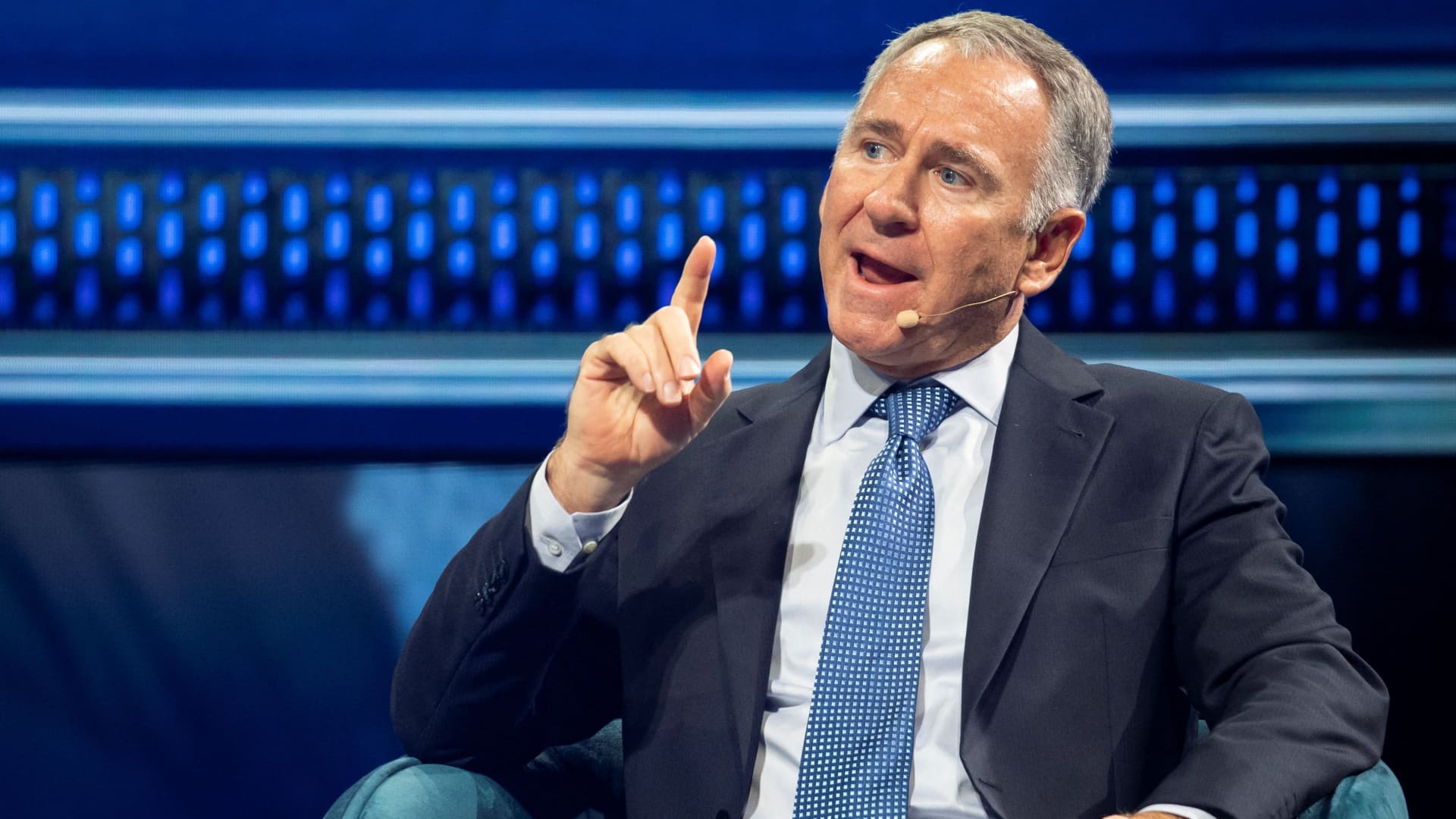
Situational Awareness stocks Acquisition Fuels Citadel’s Historic 2026 Gains
Published: Wednesday, August 5, 2026 · 1:50 PM
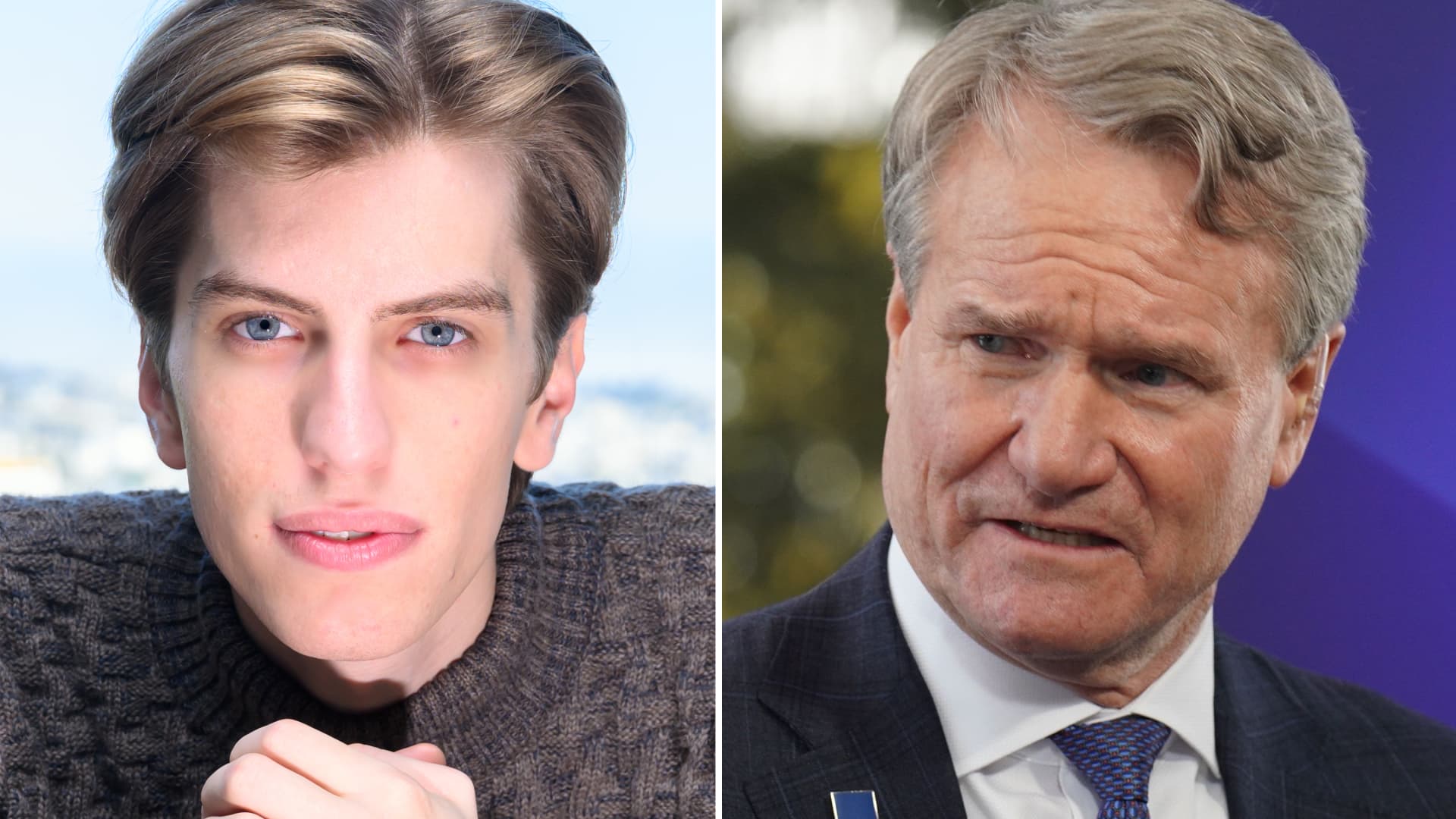
Situational Awareness hedge fund meltdown Sparks Volatility Fears Across Wall Street
Published: Wednesday, August 5, 2026 · 1:47 PM