Published: Wednesday, June 17, 2026 · 8:29 PM | Updated: Wednesday, June 17, 2026 · 8:29 PM
📊 250 views




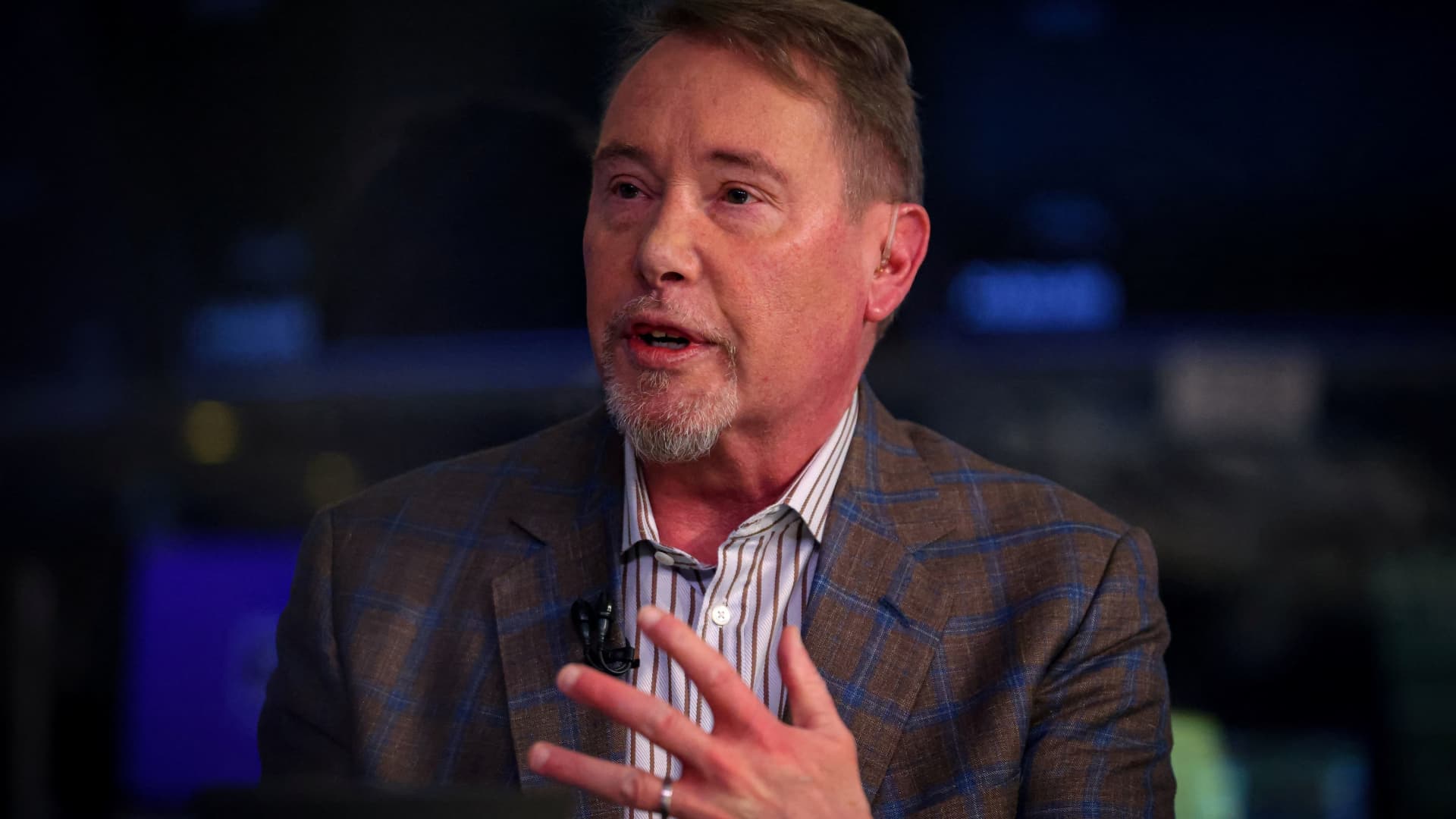
Federal Reserve Chairman Kevin Warsh has signaled a more resolute focus on price stability, leading prominent investors like Jeffrey Gundlach to predict a less dovish monetary policy than many anticipated. This shift in tone suggests a potential recalibration of market expectations regarding interest rate trajectories and the Fed’s approach to inflation.
💰 Financial Strategy & Market Insights
- Hawkish Fed Pivot: Chairman Warsh’s emphasis on delivering price stability indicates a departure from the ‘easy money’ policies some investors had banked on, suggesting a tighter monetary stance ahead.
- Bond Market Opportunity: Gundlach’s commentary implies that a commitment to inflation control strengthens the case for long-term U.S. Treasuries, as the Fed’s credibility is now staked on achieving price stability.
- Uncertainty in Rate Projections: Warsh’s decision to abstain from submitting an individual interest-rate projection and his signaling of a communications framework review add a layer of unpredictability to future Fed actions.
Jeffrey Gundlach, CEO of DoubleLine Capital, observed that Kevin Warsh’s public statements strongly indicate a commitment to restoring price stability. This suggests that the Federal Reserve under Warsh will likely pursue a less accommodating monetary policy than many market participants had hoped for at the start of the year. Gundlach highlighted Warsh’s direct communication, stating, “He is absolutely telling you that he plans on delivering on price stability. So that means… we’re not going to have such easy money policy as everybody thought maybe Chairman Warsh would do back in the first quarter of this year, when everyone was counting on rate cuts.” The bond investor noted that Warsh “doesn’t sound like that today at all.”
The Federal Reserve’s recent policy statement explicitly declared, “the Committee will deliver price stability,” a theme that Warsh consistently reiterated during his press conference. He emphasized the Fed’s dedication to bringing inflation back to its 2% target, a level not seen for half a decade, and expressed a firm resolve to address this issue. “The commitment to deliver is strong, unanimous, and unambiguous, and that’s I think an important message we’ve missed for five years, and we’re going to fix that,” Warsh asserted. This determined stance on inflation marks a potentially sterner approach than investors and economists might have expected from President Trump’s nominee, particularly in contrast to the pressure his predecessor, Jerome Powell, faced regarding interest rate levels.
- Chairman Warsh’s repeated emphasis on achieving price stability signals a potential shift away from highly accommodative monetary policy.
- The Fed’s explicit commitment to the 2% inflation target is a key takeaway from Warsh’s initial public communications.
- Warsh’s decision regarding individual rate projections and his review of communication frameworks introduce an element of forward-looking uncertainty for market watchers.
Gundlach’s analysis suggests that Warsh’s strong focus on price stability effectively mitigates the risk of the Fed engaging in policies that could re-ignite inflationary pressures. Consequently, he believes this strengthens the investment case for long-term U.S. Treasuries. “I think there’s a greater reason to own long-term Treasuries today now that the new sheriff is in town,” Gundlach remarked. He further elaborated that if price stability is achieved, Warsh’s credibility as chairman will be significantly bolstered, making aggressive rate cuts less probable. This scenario implies that investors may not need to be overly concerned about the potential for the Fed to pursue overly accommodative rates that could negatively impact the long bond’s performance.
Warsh’s Price Stability Mandate: A Boon for Long-Term Bonds?
The new Fed chairman’s strong articulation of his commitment to price stability has significant implications for fixed-income markets. By signaling a potential departure from sustained low-interest-rate policies, Warsh appears to be prioritizing the control of inflation over stimulating economic growth through monetary ease. This strategic direction could lead to higher yields on government debt instruments over the long term, making them more attractive to investors seeking stable returns.
The market’s reaction to Warsh’s pronouncements will be closely watched. If the Fed indeed tightens its monetary stance or maintains higher rates for longer, it could impact borrowing costs for businesses and consumers, potentially slowing economic expansion. However, for bondholders, especially those focused on longer maturities, this hawkish outlook could translate into better income generation and capital preservation, provided inflation is indeed brought under control without triggering a severe recession.
Technical Insight: Price stability, in central banking terms, refers to low and stable inflation. The Federal Reserve aims for a 2% inflation rate, which is considered optimal for sustainable economic growth without the corrosive effects of high inflation or the stagnation associated with deflation. Warsh’s unambiguous commitment to this target suggests a more disciplined monetary policy approach moving forward. This focus is crucial for asset valuation, as it influences discount rates used in present value calculations and the overall risk premium demanded by investors. For investors in financial markets, this could mean a more predictable, albeit potentially less growth-encouraging, interest rate environment.
| Key Indicator | Current Observation | Potential Implication |
|---|---|---|
| Inflation Target | Warsh reiterates 2% goal, not met for 5 years. | Suggests a hawkish stance and focus on tightening. |
| Monetary Policy Tone | Less ‘easy money’ expected than previously hoped. | Could lead to higher interest rates and reduced liquidity. |
| Long-Term Treasury Appeal | Gundlach sees increased attractiveness for long bonds. | Implies a potential flight to safety or yield enhancement. |
Federal Reserve’s Communication Framework Under Scrutiny
Beyond his stance on monetary policy, Kevin Warsh has also indicated a broader review of the Federal Reserve’s communication strategy. His decision to abstain from submitting an individual interest-rate projection in the Fed’s dot plot, coupled with the announcement of a review, suggests a desire for greater clarity and potentially a recalibration of how the central bank guides market expectations. This move could lead to a more transparent, yet possibly less predictable, communication style, impacting how investors interpret Fed signals. Understanding these nuances is vital for navigating the complex financial sector and making informed investment decisions.
Treasury Yield Dynamics Under Warsh
The implications of Kevin Warsh’s hawkish pronouncements for Treasury yields are significant. A Fed committed to fighting inflation generally leads to expectations of higher short-term rates and potentially a steeper yield curve if long-term inflation expectations remain anchored. Gundlach’s advocacy for long-term Treasuries suggests an outlook where inflation is controlled, leading to stable or declining real yields over time, making the fixed coupon payments more valuable. This shift in perspective could redraw the landscape for fixed-income investors, influencing their appetite for duration risk and credit quality, as detailed in market analysis on StockXpo.
The Inflation Fight Signals Market Strategy Shifts
Kevin Warsh’s resolute stance on inflation control is more than just a change in tone; it represents a fundamental strategic direction for the Federal Reserve. His commitment to “deliver price stability” signals that the central bank will prioritize this objective, potentially at the expense of short-term economic stimulus if inflationary pressures persist. This approach could lead to a period of tighter financial conditions, impacting everything from corporate borrowing costs to consumer spending. The market’s interpretation of this commitment will be key, as investors recalibrate their expectations for interest rates and economic growth. For those seeking deeper understanding, educational financial insights are crucial.
Warsh’s Fed: Navigating the Path to Price Stability
Kevin Warsh’s early communications as Federal Reserve Chairman suggest a proactive and focused approach to tackling inflation. His clear commitment to price stability, coupled with a willingness to reassess the Fed’s communication framework, positions his tenure as one potentially defined by disciplined monetary policy. Investors should prepare for an environment where the Fed prioritizes its inflation mandate, which could translate into a more stable, albeit potentially less growth-accelerating, economic landscape.
- Chairman Warsh’s hawkish rhetoric is likely to influence market expectations for interest rate policy, potentially favoring tighter monetary conditions.
- The strong emphasis on price stability could make long-term government bonds a more attractive investment, as suggested by expert analysis.
- Warsh’s review of the Fed’s communication strategy introduces an element of uncertainty regarding future policy guidance and market interpretation.
How will the market’s interpretation of Warsh’s commitment to price stability influence global capital flows in the coming quarters?
📊 StockXpo Analyst’s View
Market Impact: Kevin Warsh’s hawkish signals suggest a potential tightening of monetary policy, which could reduce overall market liquidity and increase volatility in riskier asset classes. Investors may favor more defensive positions and quality assets. The emphasis on price stability could also temper expectations for aggressive economic growth, impacting corporate earnings outlooks. The bond market, particularly long-term Treasuries, may see increased investor interest as a haven, as predicted by analysts like Gundlach.
Sector To Watch: Industries sensitive to interest rate changes, such as technology (growth stocks) and real estate, could face headwinds. Conversely, sectors that benefit from stable inflation and potentially higher yields, like utilities and certain segments of the financial sector (e.g., insurers, traditional banks), might show resilience. Companies with strong balance sheets and pricing power are better positioned to navigate an environment focused on price stability.
Financial Disclaimer:
StockXpo.com is a financial news aggregator and educational portal, not a registered investment advisor or broker-dealer. All information, news, and analysis provided herein are strictly for educational purposes and do not constitute investment, financial, legal, or tax advice. Investing in the stock market involves high risks, and past performance is not indicative of future results. StockXpo will not be liable for any financial losses or investment damages. Always consult a certified financial advisor before making market decisions.
MORE IN INSIDE FINANCE

Singapore Haven: Stability Yields Opportunity Amid Global Volatility
Published: Tuesday, October 13, 2026 · 12:19 AM

Inflation Peak for 2026: Sticky Prices to Challenge Asset Valuations
Published: Monday, October 12, 2026 · 11:45 AM