Published: Saturday, October 31, 2026 · 9:37 AM | Updated: Saturday, October 31, 2026 · 9:37 AM
📊 13 views




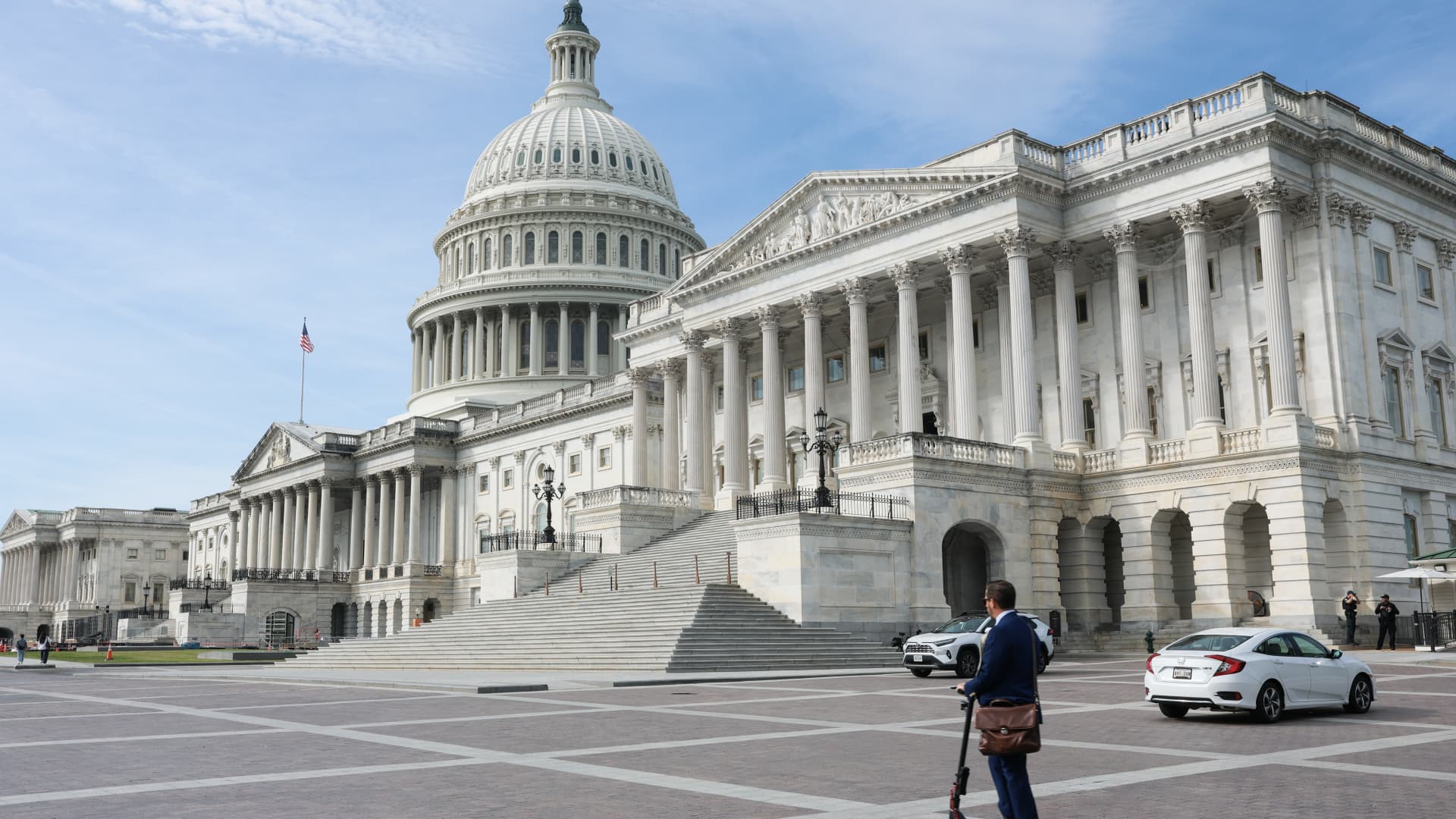
The crypto industry is channeling over $200 million into the 2026 midterm elections, marking an unprecedented effort to influence congressional policy and secure a more favorable regulatory environment for digital assets. This significant financial commitment highlights the industry’s strategic shift from purely technological development to aggressive political advocacy aimed at modernizing financial systems.
🚀 Tech Strategy & Market Disruptions
- Policy Influence at Scale. Crypto PACs, led by Fairshake, are deploying unprecedented capital ($200M+) to elect pro-crypto candidates, aiming to shape the legislative landscape for digital assets.
- Demand for Regulatory Clarity. The industry seeks consistent federal frameworks, exemplified by the push for legislation like the Clarity Act and the successful GENIUS Act for stablecoins, to foster mainstream adoption.
- Modernizing Financial Infrastructure. Advocates like Coinbase’s Ryan VanGrack highlight the need for cheaper, faster, and more accessible financial systems, positioning digital assets as a core component of 21st-century finance.
Unpacking the Crypto Lobbying Machine
Super PACs aligned with the cryptocurrency sector have become the largest single-issue political spenders in U.S. history this election cycle, surpassing traditional powerhouses like online betting and data centers. Organizations like Fairshake and its affiliates are strategically backing 33 House candidates—a mix of Republicans and Democrats—who are perceived as champions of the industry’s priorities, with six incumbents receiving at least $1 million each. This massive influx of funds, which aims to replicate or exceed the $250 million spent in 2024, underscores a concerted effort to reshape congressional sentiment and legislative outcomes.
Leading this charge are major digital asset firms. Coinbase Global, for instance, emerged as one of the largest corporate political donors in 2024, contributing $79 million to federal races, including a $1 million personal donation from CEO Brian Armstrong to Fairshake. For the 2026 midterms, Coinbase has already committed $25 million to Fairshake’s efforts. Similarly, Ripple, another significant player in the digital asset space, donated $25 million to Fairshake in 2025, having spent $63.65 million in total federal contributions in the previous election cycle. These investments are driven by a vision to transition the U.S. financial system into the 21st century, making money movement more efficient and accessible, as articulated by Coinbase’s Vice Chairman Ryan VanGrack.
While the industry successfully pushed for the GENIUS Act, which established a federal framework for dollar-pegged stablecoins and was signed into law by President Trump in July 2025, other critical legislation like the bipartisan Clarity Act stalled in the Senate. This setback, partly due to concerns over government officials profiting from crypto ventures, highlights the contentious political landscape the industry faces, especially amid rising public concern over government corruption and economic affordability issues.
The Ripple Effect: Regulatory Push and Market Transformation
The injection of substantial capital by the crypto industry into political campaigns is designed to create a direct cause-and-effect chain, starting with the election of supportive lawmakers and culminating in broad market transformation. This proactive political engagement is intended to:
→ Secure a critical mass of pro-crypto legislators in Congress.
→ Facilitate the passage of clear, comprehensive regulatory frameworks for digital assets.
→ Reduce legal and operational uncertainties, thereby fostering greater institutional and retail adoption.
→ Catalyze innovation in Web3 infrastructure, decentralized finance (DeFi), and asset tokenization.
→ Accelerate the digital transformation of financial services, potentially disrupting traditional banking, payment systems, and global commerce by offering more efficient, transparent, and cost-effective alternatives for transactions and value exchange.
“The digital asset revolution demands a regulatory framework that fosters innovation without stifling it. Clear, harmonized federal guidelines are not just beneficial; they are existential for the sustained growth and competitive standing of the U.S. in the global technology market, enabling new forms of digital commerce and inclusive financial access.” – CTO, StockXpo.com
Key Investment Figures in Crypto Advocacy
The crypto industry‘s significant financial commitment to influencing the 2026 midterm elections is demonstrated through substantial contributions from key players:
- Fairshake & Affiliates: Over $200 million contributed to the 2026 midterm cycle, backing 33 House candidates.
- Coinbase Global: Contributed $79 million to federal races in the 2024 election cycle, with an additional $25 million pledged to Fairshake for 2026 midterms.
- Ripple: Spent $63.65 million in federal contributions during the last election cycle, and has donated $25 million to Fairshake in 2025.
- Ohio Senate Race Focus: Fairshake has already committed $55 million to oppose Senator Sherrod Brown, a vocal crypto critic, in a high-stakes senatorial contest.
Crypto Ecosystem Expansion Potential
Regulatory clarity offers a pivotal gateway for the broader expansion of the crypto ecosystem beyond its current applications. A well-defined legal and operational framework, akin to how the internet was regulated, could unlock unprecedented institutional investment in decentralized finance (DeFi), non-fungible tokens (NFTs), and Web3 technologies. This certainty can spur innovation in areas like supply chain management through blockchain, secure digital identity solutions, and novel financial instruments, attracting traditional enterprises seeking efficiency and transparency. Furthermore, it enables a more predictable environment for developers and entrepreneurs, accelerating the creation of new platforms and services that integrate digital assets seamlessly into everyday life, from retail payments to cross-border remittances, fundamentally transforming global commerce and financial inclusion. For emerging technologies, robust regulatory guidelines are essential to navigate complex market dynamics, ensuring sustained growth and wider adoption across various sectors, as explored in articles on innovative digital frameworks.
Navigating Digital Asset Regulatory Hurdles
The path to comprehensive digital asset regulation is fraught with significant challenges, stemming from the inherently decentralized, global, and rapidly evolving nature of blockchain technology. Regulators face the arduous task of balancing innovation with investor protection, market integrity, and systemic stability. Key hurdles include defining asset classifications (security vs. commodity), ensuring interoperability across diverse blockchain networks, mitigating risks associated with illicit finance, and harmonizing disparate state and international laws. The debate surrounding the Clarity Act, which stumbled over ethical concerns, exemplifies the difficulties in forging bipartisan consensus. Moreover, public perception, influenced by market volatility and past scams, often complicates legislative efforts. Crafting effective regulations requires deep technical understanding, agile policy-making, and continuous dialogue between government, industry, and academia to avoid stifling nascent technologies while safeguarding consumers, a topic frequently analyzed in emerging technologies reporting.
The Crypto Industry’s Political Calculus: Shaping Future Digital Finance
The crypto industry‘s aggressive political spending represents a calculated, long-term play to solidify its position within the global financial architecture. This strategic investment aims not merely for short-term legislative wins but for establishing a durable regulatory foundation that facilitates innovation-driven growth and mainstream adoption.
- Regulatory Certainty Drives Adoption: Clear rules are essential for institutional investors and large corporations to fully engage with digital assets.
- Competitive Advantage for the U.S.: A favorable regulatory climate can position the U.S. as a leader in blockchain and Web3 innovation, attracting talent and capital.
- Modernizing Legacy Systems: Industry advocates aim to showcase how digital assets can enhance efficiency, reduce costs, and broaden access to financial services.
Will this concentrated effort yield the desired legislative clarity, or will voter priorities and political gridlock continue to challenge the digital asset revolution?
📊 StockXpo Analyst’s View
Market Impact: The substantial political investment by the crypto industry, if successful in driving regulatory clarity, could significantly de-risk the digital asset market. This predictability is likely to attract more institutional capital, stabilize asset prices, and enhance liquidity across major cryptocurrencies and tokenized assets. However, a prolonged period of legislative uncertainty or adverse rulings could dampen investor sentiment and hinder broader market participation.
Sector To Watch: Industries directly involved in providing infrastructure for digital assets, such as Web3 development platforms, decentralized finance (DeFi) protocols, and stablecoin issuers, stand to gain the most from favorable regulatory outcomes. Traditional financial institutions that are actively integrating blockchain technology into their operations, alongside payment processors exploring crypto-based solutions, will also be key sectors to monitor for innovation-driven growth and competitive shifts, as explored in our latest analysis of technology market trends and educational tech insights.
Financial Disclaimer:
StockXpo.com is a financial news aggregator and educational portal, not a registered investment advisor or broker-dealer. All information, news, and analysis provided herein are strictly for educational purposes and do not constitute investment, financial, legal, or tax advice. Investing in the stock market involves high risks, and past performance is not indicative of future results. StockXpo will not be liable for any financial losses or investment damages. Always consult a certified financial advisor before making market decisions.
MORE IN INSIDE TECHNOLOGY

Tech Earnings Pressure: Navigating Volatility in 2026
Published: Friday, October 30, 2026 · 5:41 AM

Employee Engagement Plummets to 15-Year Low: Digital Transformation Risks Intensify
Published: Thursday, October 29, 2026 · 1:17 AM