
Published: Friday, October 30, 2026 · 7:44 AM | Updated: Friday, October 30, 2026 · 7:44 AM
📊 10 views




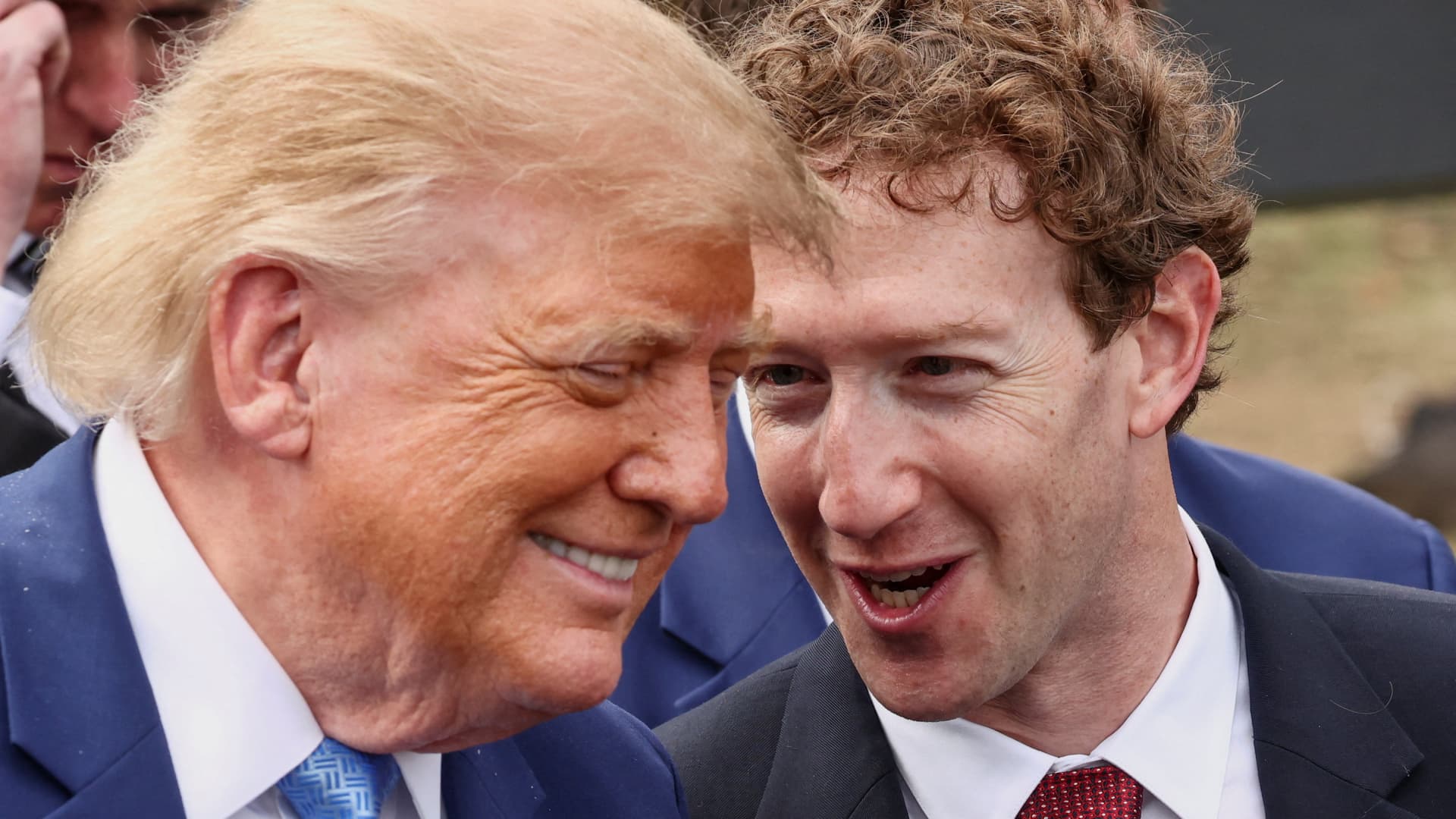
The ongoing political push to rebrand ‘Artificial Intelligence’ as ‘super intelligence’ is creating a fascinating divergence in the tech sector’s corporate lexicon. This semantic shift, initially championed by President Donald Trump, has found prominent adopters in Elon Musk of Tesla and SpaceX, and Mark Zuckerberg of Meta, while other industry behemoths like Amazon, Microsoft, and Alphabet maintain a more traditional stance. For investors, understanding this evolving narrative is crucial for identifying potential alpha and preserving capital in an increasingly politicized tech landscape.
💎 Strategic Investment & Portfolio Insights
- Lexical Differentiation and Market Perception. Companies embracing ‘super intelligence’ may signal deeper alignment with regulatory narratives, potentially impacting future policy advantages or public relations.
- Political Influence on Tech Valuation. The direct influence of political figures on corporate communication, especially in cutting-edge fields like AI/SI, introduces a new layer of non-market risk and opportunity for tech portfolios.
- Sector Leadership in Narrative Adoption. The willingness of industry leaders like Meta and Tesla to adapt their terminology could set a precedent, influencing other firms and shaping broader perceptions of the navigating broader market trends around AI development.
President Donald Trump initiated a directive on September 29, 2026, mandating the replacement of ‘Artificial Intelligence’ with ‘super intelligence’ across executive branch departments and agencies. This move, aimed at fostering AI growth with limited regulation, quickly saw prominent tech leaders follow suit on their respective earnings calls. Elon Musk, a vocal Trump supporter, swiftly changed SpaceX’s AI division name to SpaceXSI and used ‘SI’ on Tesla’s Q3 2026 earnings call when discussing humanoid robots. Similarly, Mark Zuckerberg, whose Meta Platforms had already established Meta Superintelligence Labs, emphasized a goal of delivering ‘personal superintelligence’ during Meta’s earnings call on October 21, 2026.
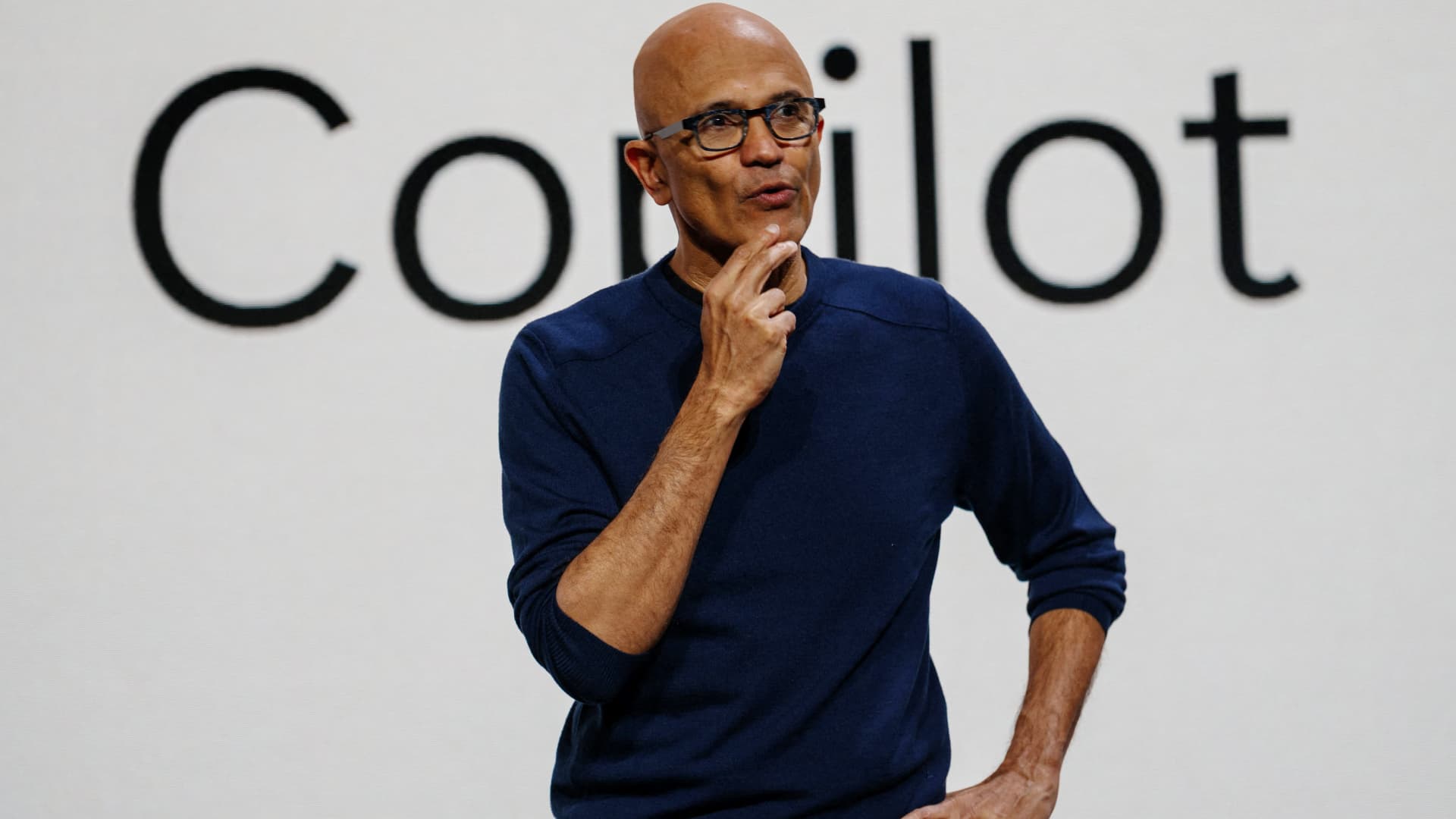
This rapid adoption by some of the most influential figures in tech highlights a fascinating intersection of political agenda and corporate strategy. While Musk and Zuckerberg were quick to align, other tech giants displayed reluctance, at least publicly. Amazon CEO Andy Jassy repeatedly used ‘AI’ during his company’s Q3 earnings call, as did Microsoft CEO Satya Nadella, who nevertheless incorporated ‘super intelligence’ into Microsoft’s annual report. Alphabet’s Sundar Pichai also underscored the company’s ‘AI investments’ in his commentary. This varied response suggests a nuanced strategic calculation among companies, weighing political alignment against established industry terminology and market communication norms.
* Divergent Communication Strategies: While some major players like Meta and Tesla are adopting the ‘super intelligence’ term, others, including Amazon and Alphabet, continue to predominantly use ‘AI’ in public earnings calls, indicating a fragmented industry response to the political directive.
* Early Adopters and Political Alignment: Companies whose leaders have historically shown strong support for the Trump administration, such as Nvidia’s Jensen Huang and Palo Alto Networks’ Nikesh Arora, are also proactively incorporating ‘super intelligence’ into their communications and social media presence.
* Subtle Integration: Even firms that publicly stick to ‘AI’ are showing signs of integrating ‘super intelligence’ into other formal documents, such as Microsoft’s annual report and IBM’s earnings call, suggesting a gradual, perhaps cautious, shift.
The political landscape, particularly with Trump’s declining approval and upcoming midterm elections, adds another layer of complexity. The rebrand appears strategically timed, but its long-term impact on industry adoption and public perception remains to be seen. As investors assess global market narratives, these linguistic shifts could subtly influence how innovation is perceived and valued.
How Political Semantics Impact Portfolio Strategy
This strategic linguistic pivot from ‘AI’ to ‘super intelligence’ represents more than just a change in terminology; it signals a potential alignment shift that could have tangible portfolio effects. The cause-and-effect chain is clear: A **Policy Change** initiated by the executive branch regarding preferred terminology leads to a **Narrative Shift** within certain corporate communications. This, in turn, influences **Investor Perception** as market participants interpret the implications of this alignment, potentially leading to **Asset Revaluation** for companies perceived as either benefiting from or being at odds with prevailing political directives. For investors pursuing long-term investment growth, monitoring such external influences on corporate strategy is essential for preempting market movements and safeguarding capital.
CIO Strategic Insight: ‘The adoption of ‘super intelligence’ by key tech players, while seemingly semantic, signals a readiness to align with evolving regulatory and political frameworks. This can create a ‘halo effect’ for companies seen as politically congruent, potentially leading to a premium on their intrinsic value or preferential treatment in future policy discussions. Conversely, firms resistant to this shift might face subtle, long-term headwinds in government relations or public narrative control. A diversified portfolio should acknowledge these geopolitical overlays on tech valuations.’
Key Company Mentions and Terminology Usage
Here’s a snapshot of how leading tech companies are navigating the ‘AI’ vs. ‘super intelligence’ lexicon, offering a glimpse into their strategic communications:
- Meta (META): Mark Zuckerberg emphasized ‘personal superintelligence’ on earnings call, having already established ‘Meta Superintelligence Labs’. This indicates proactive adoption and strategic integration of the new term.
- Tesla (TSLA) / SpaceX (SPCX): Elon Musk adopted ‘SI’ on Tesla’s call and renamed SpaceX’s AI division to SpaceXSI, highlighting strong alignment with the political directive.
- Microsoft (MSFT): While Satya Nadella used ‘AI’ on calls, the company’s annual report prominently featured ‘super intelligence’ eight times, suggesting a dual-track communication strategy for different audiences.
- IBM (IBM): CEO Arvind Krishna used both ‘SI’ and ‘AI’ during his earnings call, positioning the company as a ‘software-led hybrid cloud and AI platform company,’ yet acknowledging ‘super intelligence’ in technology innovation.
- Nvidia (NVDA): CEO Jensen Huang, a key Trump ally, publicly praised the ‘White House Accord on Super Intelligence’ on X (formerly Twitter), underscoring a strong commitment to the new terminology and its underlying vision.
- Amazon (AMZN) & Alphabet (GOOGL): CEOs Andy Jassy and Sundar Pichai primarily used ‘AI’ on their recent earnings calls, demonstrating a cautious or delayed adoption of the ‘super intelligence’ branding in public investor communication.
- Intel (INTC): CEO Lip-Bu Tan linked supply shortages to ‘unprecedented demand for super intelligence,’ indicating industry-wide recognition of the term’s growing relevance.
AI/SI Sector Competitive Benchmarking
The competitive landscape within the broad Artificial Intelligence and super intelligence sector is increasingly shaped by strategic positioning, not just technological prowess. Companies are now implicitly benchmarking themselves not only on innovation metrics but also on their adaptability to evolving political and societal narratives. Firms like Meta and Tesla, by aligning with the ‘super intelligence’ rebrand, might be signaling a forward-looking stance on future regulatory environments, potentially gaining a first-mover advantage in lobbying or public perception. Conversely, those adhering more strictly to ‘AI’ might be prioritizing consistency and avoiding political entanglement, a strategy that carries its own set of risks and rewards. This dynamic creates a fascinating scenario where lexical choices can become a differentiator in attracting talent, investment, and even government contracts. Understanding these subtle competitive shifts is key to making informed decisions for any tech-heavy portfolio, providing deeper understanding of market dynamics.
AI/SI Sector Risk-Reward Matrix
The strategic shift from ‘AI’ to ‘super intelligence’ introduces a nuanced risk-reward profile for the sector. On the reward side, early adopters of ‘super intelligence’ terminology, particularly those with strong existing political ties, could benefit from enhanced policy alignment, expedited regulatory approvals, or even favorable public sentiment from specific political factions. This could translate into a premium on their valuations or smoother operational pathways. However, the risks are equally pronounced. Over-alignment with a politically charged term could alienate other political groups, leading to bipartisan scrutiny or consumer backlash. Furthermore, if the ‘super intelligence’ rebrand fails to gain widespread technical or academic acceptance, companies that fully commit could face credibility issues. For long-term capital preservation, investors must weigh the potential for political tailwinds against the risks of becoming overly associated with a specific, potentially transient, political agenda, particularly when tracking business sector shifts that impact core innovation narratives.
The Shifting Language of Super Intelligence: An Investor’s Outlook
The evolving lexicon from ‘Artificial Intelligence’ to ‘super intelligence’ signals more than just a semantic preference; it reflects a deeper intertwining of technology development with political narratives and corporate strategy. Investors must recognize that how companies communicate their AI initiatives can increasingly influence their market perception, regulatory standing, and ultimately, their long-term value creation. This subtle but significant shift demands careful monitoring for those seeking alpha in the high-growth tech sector.
- The adoption of ‘super intelligence’ by key players like Meta and Tesla could indicate a strategic positioning for future regulatory landscapes.
- Differing terminology usage among tech giants may reflect varying risk appetites for political alignment and market communication strategies.
- This linguistic divergence highlights the growing importance of non-financial factors, such as political influence, in assessing the intrinsic value of tech companies.
How will this political rebrand of super intelligence ultimately reshape the competitive advantage and long-term valuations of the leading tech innovators?
📊 StockXpo Analyst’s View
Market Impact: The gradual pivot towards ‘super intelligence’ by prominent tech leaders, especially those with significant market capitalization, will likely introduce a new layer of qualitative analysis for investors. This linguistic shift, driven by political directives, could influence how institutional funds and retail investors perceive the long-term regulatory stability and growth prospects of adopting companies. While the immediate financial impact might be negligible, the narrative control it offers could subtly shape market sentiment and capital allocation over time, particularly as policy frameworks for advanced AI evolve.
Sector To Watch: The Semiconductor and Cloud Infrastructure sectors are particularly vulnerable and opportunistic in this evolving narrative. These foundational industries power all advanced AI/SI developments. Companies like Nvidia (semiconductors) and Microsoft (cloud, with subtle SI integration) could see amplified investor interest if their alignment with the ‘super intelligence’ terminology is perceived as fostering a more favorable regulatory environment for their core services. Conversely, any perceived misalignment could introduce headwinds, making these sectors critical to monitor for shifts in political and corporate messaging.
Financial Disclaimer:
StockXpo.com is a financial news aggregator and educational portal, not a registered investment advisor or broker-dealer. All information, news, and analysis provided herein are strictly for educational purposes and do not constitute investment, financial, legal, or tax advice. Investing in the stock market involves high risks, and past performance is not indicative of future results. StockXpo will not be liable for any financial losses or investment damages. Always consult a certified financial advisor before making market decisions.
MORE IN INSIDE INVESTMENT NEWS
Microsoft stock: Bullish Cloud Growth Powers Earnings Beat and Alpha Generation
Published: Thursday, October 29, 2026 · 4:03 AM
UBS Profits Surge 27%: A Bullish Outlook Amid Integration Progress
Published: Wednesday, October 28, 2026 · 4:39 AM


