
Published: Friday, October 30, 2026 · 6:43 AM | Updated: Friday, October 30, 2026 · 6:43 AM
📊 14 views





The euro zone economy registered a notable slowdown in the third quarter, signaling potential challenges to macro-stability across the 21-nation bloc. This deceleration, compounded by an unexpected contraction in France, underscores the ongoing pressures from elevated energy costs and escalating national deficits, making it a critical watchpoint for global markets.
📊 Macro-Economic Strategic Insights
- Q3 Growth Deceleration. The euro zone economy expanded by just 0.4%, a significant drop from 0.6% in Q2, indicating a loss of economic momentum despite beating analyst forecasts.
- French Contraction Concerns. France’s unexpected 0.1% contraction highlights domestic fiscal instability driven by high borrowing costs and social unrest over living expenses.
- ECB’s Hawkish Stance. While the European Central Bank held rates steady, analysts anticipate another hike in December as energy prices continue to exert inflationary pressure, threatening further growth deceleration.
Eurostat reported on Friday that the euro zone economy expanded by a modest 0.4% in the third quarter of the year, a discernible slowdown from the 0.6% growth observed in the second quarter. This reading, while exceeding the 0.2% forecast by a Reuters poll of economists, nonetheless suggests a marked deceleration in the bloc’s economic activity. The initial optimism from Q2’s rebound has been tempered by emerging vulnerabilities, particularly within key member states.
A significant contributing factor to this overall slowdown is the surprising contraction of France’s economy, which shrank by 0.1% during the July to September period. France is currently battling a confluence of economic headwinds, including rapidly ascending borrowing costs that reflect investor apprehension over its substantial deficit. Furthermore, the nation is experiencing widespread civil unrest fueled by cost-of-living pressures, adding another layer of complexity to its economic landscape. The interplay of fiscal challenges and social discontent creates a difficult environment for implementing necessary economic reforms, as highlighted by discussions on global economic policy.
The European Central Bank (ECB) opted to maintain interest rates at their current level on Thursday, a decision that indicates a cautious approach amid mixed economic signals. The central bank stated that the shock from elevated energy prices had not yet translated into broader second-round inflationary effects across the wider economy. However, many analysts remain convinced that the ECB may enact another rate hike in December, citing the persistent elevation of energy costs. Such a move would aim to curb inflation but could also further cool economic growth, posing a delicate balancing act for monetary policymakers. The ECB also noted an increase in downside risks to future growth, a sentiment that resonates with recent market insights.
- The euro zone’s Q3 performance indicates resilience against dire forecasts but points to underlying fragility.
- France’s economic contraction underscores the challenges governments face in balancing fiscal health with social stability.
- The ECB’s position hints at a possible continued tightening cycle, despite increasing risks to economic expansion.
The Ripple Effect: Unpacking Macro-Economic Consequences
The observed slowdown in the euro zone economy and France’s contraction suggest a series of interconnected economic consequences.
- Higher Borrowing Costs in France → Increased Government Debt Servicing → Reduced Fiscal Headroom for Stimulus.
- Slower Euro Zone Growth → Decreased Consumer Spending & Business Investment → Lower Corporate Earnings.
- Elevated Energy Prices → Persistent Inflationary Pressures → Potential for Further ECB Rate Hikes.
- Further Rate Hikes → Higher Lending Costs for Businesses & Consumers → Dampened Economic Activity & Investment.
- Nationwide Unrest (France) → Disruption to Economic Activity & Business Confidence → Reduced Investment.
The divergence in economic performance within the euro zone, particularly the French contraction, introduces a critical element of systemic risk. While the overall bloc beat low expectations, the underlying fiscal and social challenges in its second-largest economy could create contagion, impacting regional bond markets and investor confidence in peripheral economies. Understanding the nuances of macro trends is crucial here.
Key Euro Zone Economic Data Points
- Euro Zone Q3 GDP Growth: 0.4% (Quarter-on-quarter, indicating overall economic expansion for the bloc).
- Euro Zone Q2 GDP Growth: 0.6% (Provides context for the Q3 deceleration, showing a loss of momentum).
- France Q3 GDP Growth: -0.1% (An unexpected contraction, signaling specific national economic struggles).
- Reuters Economists’ Q3 Forecast: 0.2% (Highlights that actual growth, though slower, surpassed pessimistic predictions).
Regional Trends: Southern Europe’s Resilience Test
While France grapples with its domestic challenges, the performance of other euro zone members will be closely scrutinized. Countries in Southern Europe, often more sensitive to changes in borrowing costs and investor sentiment, face a renewed test of their fiscal reforms. Any significant deterioration in core economies like France could lead to a widening of bond spreads, making debt financing more expensive and potentially hindering their own recovery trajectories. This interconnectedness highlights the delicate balance required for sustained systemic growth across the region.
Euro Zone Inflationary Risks: The Energy Price Dilemma
The European Central Bank’s decision to hold rates, despite acknowledging increased downside risks to growth, underscores the persistent challenge posed by energy prices. While initial inflationary shocks were largely attributed to supply-side issues, sustained high costs risk embedding inflation into broader wage demands and consumer prices—known as second-round effects. The ECB’s vigilance on this front suggests that the fight against inflation is far from over, and further monetary tightening remains a distinct possibility, impacting investment analysis and asset valuations.
The Euro Zone Economy: Navigating a Shifting Landscape
The latest GDP figures paint a picture of a euro zone economy at a crossroads, where resilient overall growth coexists with pockets of significant weakness. France’s unexpected contraction serves as a stark reminder of how internal fiscal pressures and social dynamics can rapidly derail national economic stability, influencing the wider bloc. Policymakers face the complex task of stimulating growth without re-igniting inflation, especially as energy costs remain a stubborn factor.
- The euro zone’s 0.4% Q3 growth, while beating forecasts, indicates a notable loss of economic momentum.
- France’s 0.1% contraction is a critical concern, driven by fiscal deficits, rising borrowing costs, and domestic unrest.
- The ECB’s stance suggests a continued hawkish bias, with potential for further rate hikes to combat persistent energy-driven inflationary risks.
Can the euro zone effectively stabilize its macro-economic trajectory while addressing internal fragilities and external cost pressures?
📊 StockXpo Analyst’s View
Market Impact: The mixed signals from the euro zone — modest growth offset by French contraction — create a complex environment for investors. Expect increased volatility in European bond markets, particularly for French sovereign debt, as risk premiums adjust. Equity markets may see rotation away from consumer discretionary and industrials towards more defensive sectors, as growth concerns mount. The euro could face renewed pressure against the dollar if the ECB’s hawkish stance is perceived as insufficient to tackle both inflation and growth risks.
Sector To Watch: The energy sector will remain pivotal, given its direct link to inflationary pressures and ECB policy. Additionally, financials, particularly banks exposed to sovereign debt, warrant close monitoring. Sectors less reliant on consumer spending and more on essential services or long-term infrastructure projects might show relative resilience.
Financial Disclaimer:
StockXpo.com is a financial news aggregator and educational portal, not a registered investment advisor or broker-dealer. All information, news, and analysis provided herein are strictly for educational purposes and do not constitute investment, financial, legal, or tax advice. Investing in the stock market involves high risks, and past performance is not indicative of future results. StockXpo will not be liable for any financial losses or investment damages. Always consult a certified financial advisor before making market decisions.
MORE IN INSIDE ECONOMY
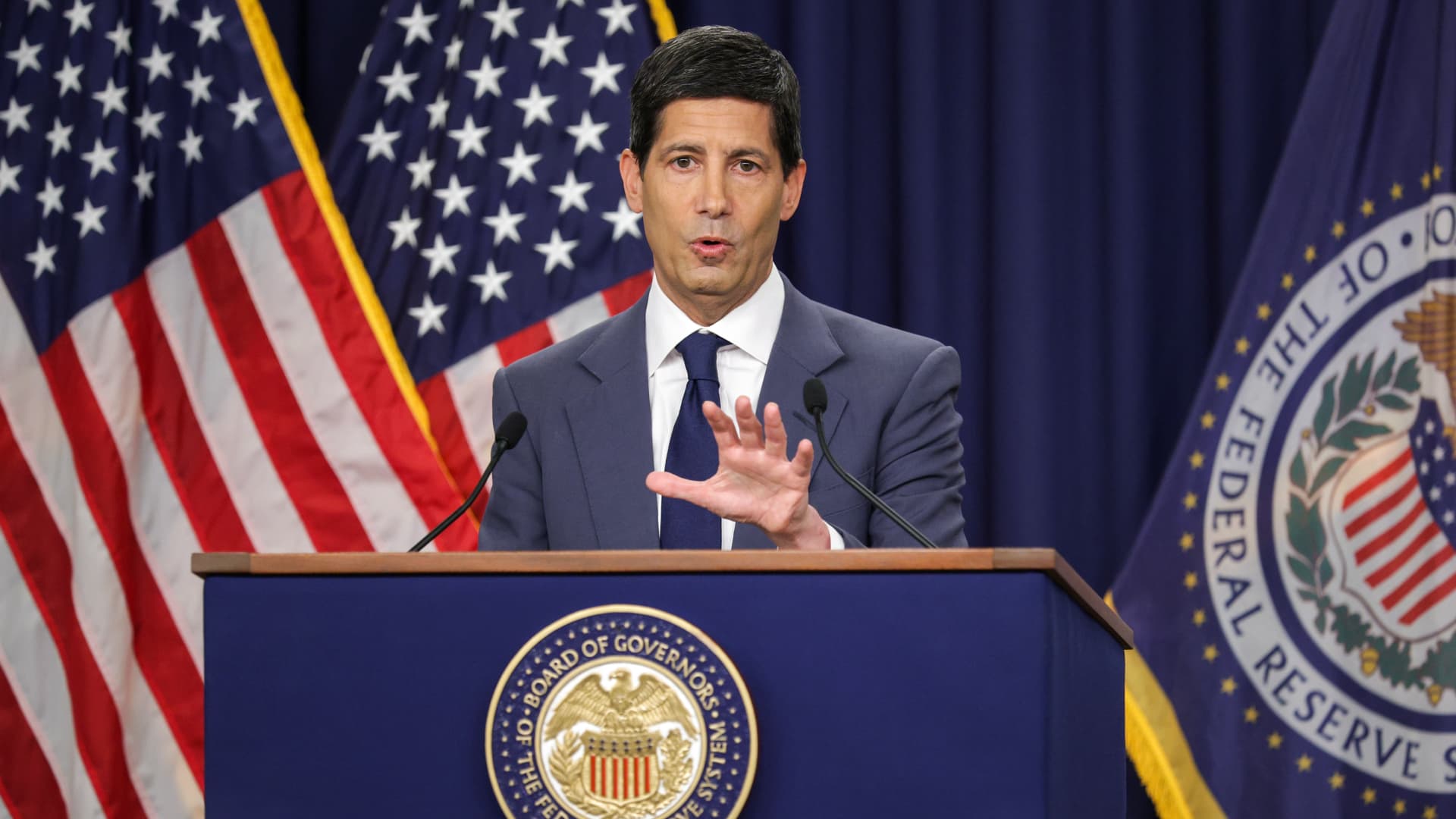
Fed’s Power Unveiled: Warsh Reshapes Monetary Policy Amidst Inflation Concerns
Published: Thursday, October 29, 2026 · 5:34 AM
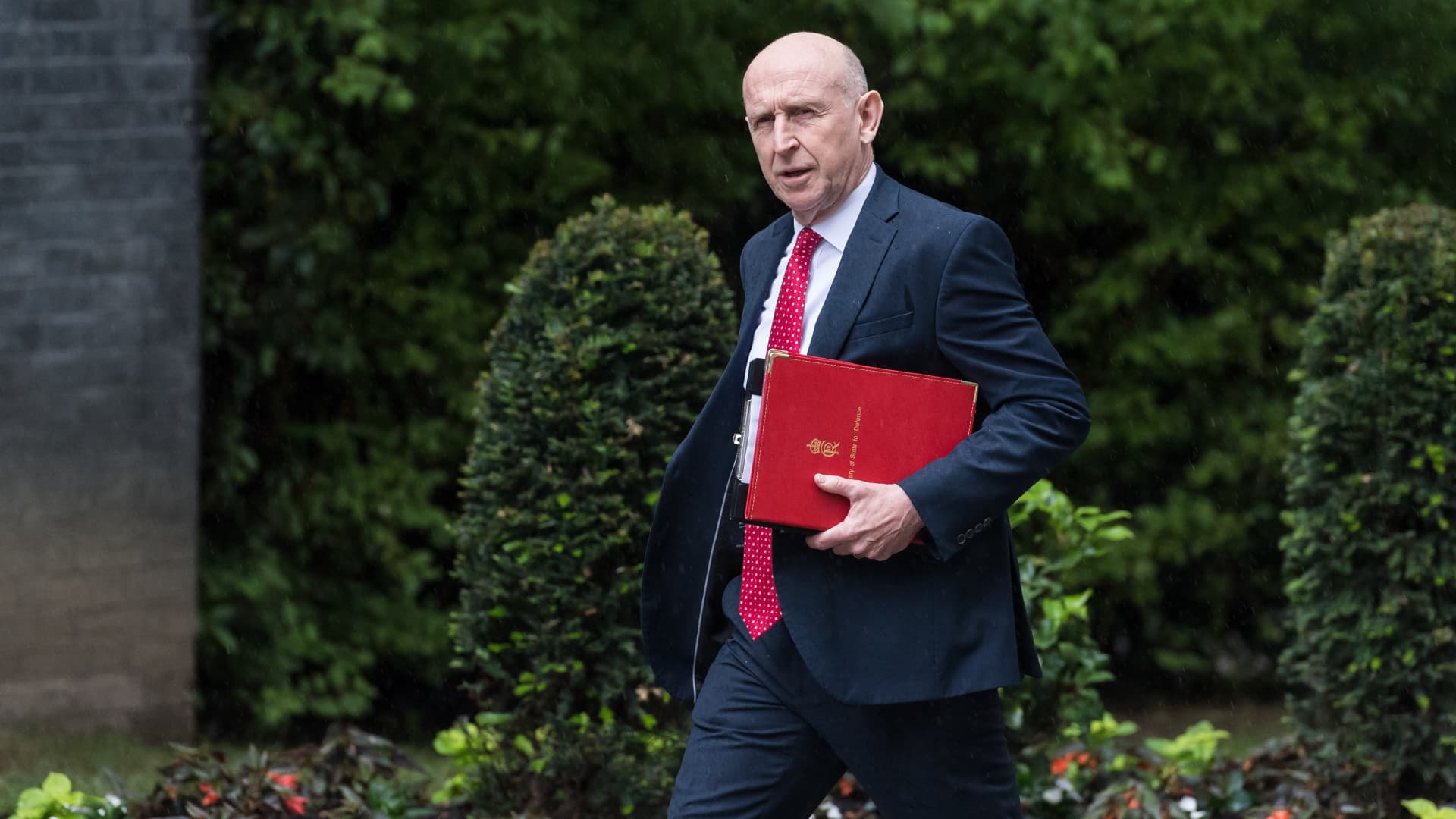
UK Budget Unveils Stability: Tackling Inflation and Boosting Growth
Published: Wednesday, October 28, 2026 · 11:13 AM


