
Published: Tuesday, October 27, 2026 · 7:02 AM | Updated: Tuesday, October 27, 2026 · 7:02 AM
📊 14 views




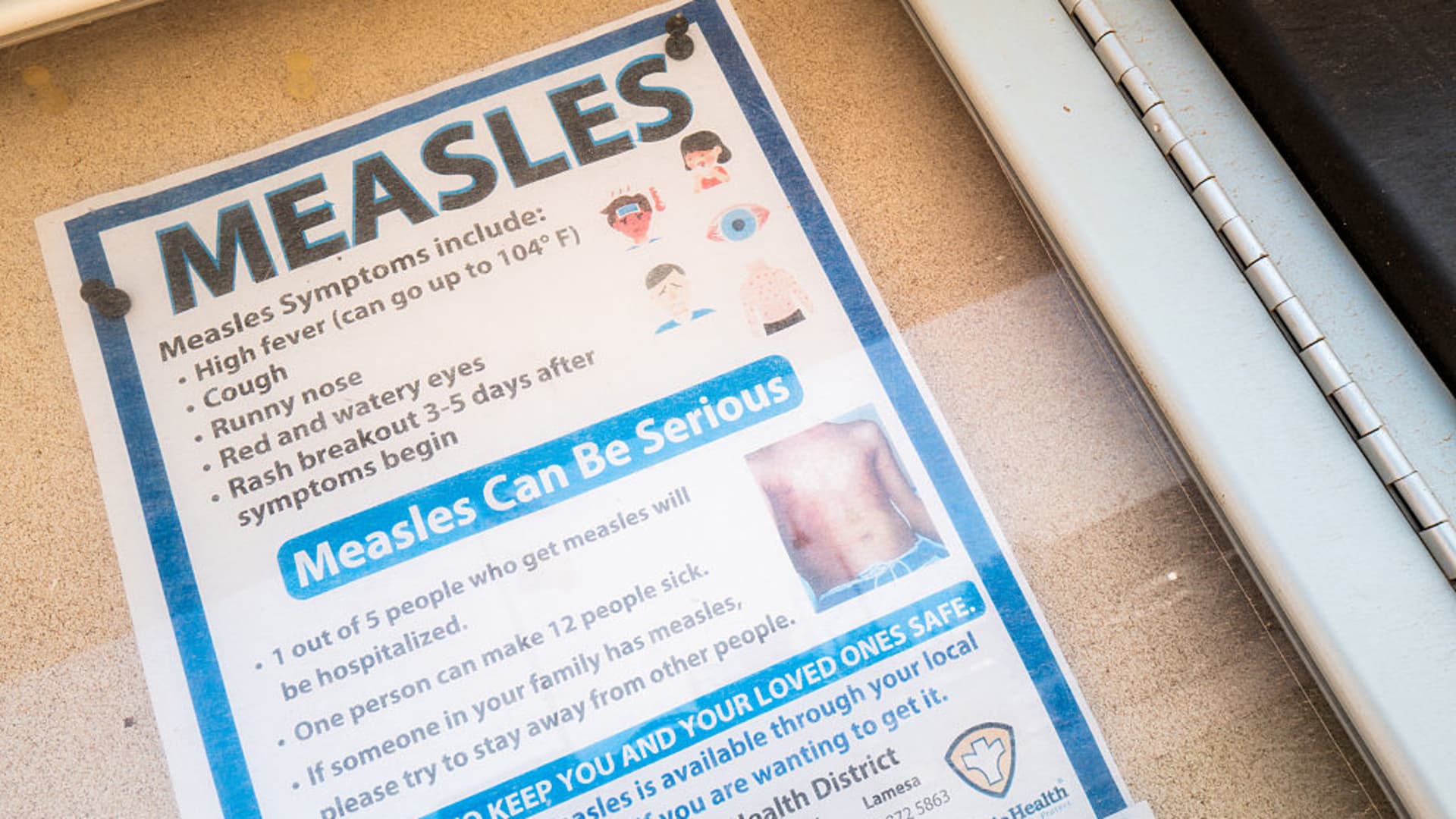
The escalating measles resurgence in the United States, marked by the worst outbreak in over three decades, serves as a stark warning about the nation’s public health infrastructure. This preventable disease’s spread exposes declining vaccination rates and eroding public trust, raising profound questions about America’s ability to effectively contain future health crises and maintain operational efficiency.
🗝️ Corporate Strategy Insights
- Declining Immunization Rates Undermine Herd Immunity. The drop in MMR vaccination coverage below the 95% threshold directly threatens community protection against highly contagious diseases.
- Eroding Public Trust Hinders Health Initiatives. Growing skepticism towards health institutions complicates efforts to persuade the public about critical preventative measures, impacting disease control.
- Decimated Public Health Infrastructure Limits Response. Post-COVID reductions in experienced personnel and real-time data tracking capabilities at agencies like the CDC weaken the nation’s ability to monitor and respond to outbreaks.
The United States faces an alarming measles resurgence, with over 4,400 cases and at least three deaths reported this year, following nearly 2,300 cases in 2025. This marks the country’s most significant outbreak in more than 30 years, threatening its official measles elimination status by the Pan American Health Organization. Experts widely view this as a ‘canary in the coal mine,’ signaling profound vulnerabilities in the U.S. public health system, not just for vaccine-preventable illnesses but also for emerging pathogens. This issue is increasingly becoming a focus in financial news, demanding close attention from investors tracking global market trends and comprehensive market data on Bloomberg.
The core issue lies in declining vaccination rates. Despite the MMR vaccine being 97% effective after two doses, coverage for kindergarteners dropped to 92.4% in the 2025-2026 school year, falling below the critical 95% threshold needed for robust herd immunity. This translates to an estimated 280,000 kindergarteners un- or under-vaccinated. Concurrently, childhood vaccination exemptions have hit a record high of 4.2% for incoming kindergarteners. While broad support for childhood vaccines still exists, pockets of low coverage and the influence of conflicting information are driving local transmission, particularly in ‘closely knit communities’ as observed by Dr. William Moss, an epidemiology professor at Johns Hopkins.
The political landscape and federal policy shifts further complicate the situation. The previous Trump administration’s suggestions to split the MMR vaccine and the overhaul of key federal advisory committees risk further eroding public confidence, according to multiple experts. Furthermore, the public health infrastructure, already strained by the COVID-19 pandemic, has seen a ‘decimation’ of experienced scientists and physicians at institutions like the CDC, as noted by Scott Weaver, research director of Galveston National Laboratory. This loss of expertise, coupled with changes in how measles-associated deaths are tracked, hinders real-time outbreak monitoring and response capabilities. For further educational insights on market trends, check out the StockXpo blog.
- The re-emergence of measles underscores a critical failure in maintaining a strong, preventative public health defense system.
- The challenge extends beyond individual vaccination decisions, encompassing systemic issues of public trust, policy integrity, and institutional capacity.
A sustained measles resurgence could have far-reaching economic and social consequences. The direct impact includes increased healthcare costs from treating cases and managing outbreaks, diverting resources from other public health initiatives. Indirectly, reduced public confidence in vaccines could spill over, affecting other childhood immunization programs and potentially leading to outbreaks of polio, diphtheria, or rubella—diseases largely eliminated in the U.S. This would not only strain public health budgets but also create significant societal disruption, impacting school attendance, workforce participation, and overall productivity. For pharmaceutical companies producing vaccines, a consistent decline in uptake could affect long-term demand planning, though a public health crisis might trigger emergency procurement, creating volatility. Competitors in healthcare services could face increased patient loads and operational challenges if outbreaks become widespread, straining hospital capacity and human capital. The broader market for preventative health solutions, from diagnostics to health tech platforms, could see renewed interest, as stakeholders seek tools to monitor and manage public health risks more effectively, a development closely tracked in global business reporting on Reuters.
“Measles is the canary in the coal mine for so many different reasons. It’s the canary in the coal mine for other vaccine-preventable illnesses, where we could see a return of things that used to harm kids, but also for very acute, no-notice dangerous infectious disease emergencies.” – Jennifer Nuzzo, Epidemiology Professor, Brown University School of Public Health.
Key Indicators of Declining Public Health Defense:
- MMR Vaccination Coverage (Kindergarteners): 92.4% in 2025-2026 school year, down from previous levels and below the 95% threshold needed for herd immunity. This metric directly reflects community vulnerability to measles and other vaccine-preventable diseases.
- Childhood Vaccination Exemptions: Reached a record high of 4.2% for incoming kindergarteners in 2025-2026. An increasing exemption rate indicates growing resistance to standard immunization protocols, fragmenting community protection.
- U.S. Measles Cases: Over 4,400 cases reported this year, with nearly 2,300 in 2025, marking the worst outbreak in over three decades. This surge highlights the tangible consequence of insufficient vaccination coverage and weakened public health responses.
- Polio Vaccination Coverage (Kindergarteners): Fell to 92.4% in 2025-2026. Parallels in other essential childhood vaccines indicate a systemic decline in immunization adherence, not just an isolated measles issue.
Public Health Operational Efficiency: A Critical Review
The current measles resurgence forces a critical examination of the U.S. public health system’s operational efficiency. Decades of underinvestment, coupled with the recent strain from the COVID-19 pandemic, have left federal and state health agencies with diminished capacity. This includes a reduction in skilled personnel, outdated data infrastructure, and fragmented communication strategies. Effective disease surveillance, rapid contact tracing, and clear public communication are cornerstones of operational efficiency in public health. When these elements are compromised, as evidenced by the delayed reporting of measles-associated deaths by the CDC, the system struggles to mount a timely and effective response, allowing highly contagious diseases to spread more easily. Strengthening these operational aspects requires sustained funding, workforce development, and a concerted effort to rebuild public trust through transparent, science-backed communication.
Biodefense Strategic Implications: The Vulnerability Exposed
The U.S. struggle with measles resurgence also raises uncomfortable questions about its biodefense strategy. While measles is a known, vaccine-preventable threat, the inability to contain it highlights broader vulnerabilities that could be exploited in the event of an emerging pathogen or a deliberate biological attack. As noted by Steph Batalis of Georgetown University, a weakened public health infrastructure capable of deterring such threats might embolden adversaries. Biodefense relies not only on scientific countermeasures but also on a robust public health system that can rapidly detect, diagnose, and disseminate protective measures. The erosion of trust in health institutions and declining vaccination rates fundamentally compromise this defensive posture, suggesting a need for a holistic reassessment of national security in the context of public health preparedness. For deep dive on corporate growth, visit StockXpo’s business insights.
The Measles Resurgence: A Turning Point for National Health Preparedness
The ongoing measles resurgence is more than a public health crisis; it’s a profound indicator of systemic fragilities that demand immediate strategic attention. The nation’s ability to safeguard its citizens from both known and novel threats hinges on reinforcing vaccination programs, restoring confidence in public health institutions, and robustly investing in its health infrastructure.
- Rebuild Trust: Re-establish clear, consistent, and science-driven public health messaging to counter misinformation.
- Invest in Infrastructure: Secure sustained funding for federal and state health agencies to bolster surveillance, workforce, and data capabilities.
- Proactive Policy: Develop policies that support high vaccination rates while safeguarding individual liberties, balancing public health needs with personal choice.
Can the U.S. effectively pivot from reactive crisis management to proactive health leadership in the face of these escalating challenges?
📊 StockXpo Analyst’s View
Market Impact: The escalating public health crisis, exemplified by the measles resurgence, could indirectly impact investor sentiment by highlighting systemic governance weaknesses and potential long-term healthcare cost burdens. While not directly tied to corporate earnings in specific sectors, a prolonged decline in public health stability can create headwinds for broad economic confidence. Investors may begin to factor in increased risks for human capital productivity and national stability when evaluating long-term market forecasts.
Sector To Watch: Pharmaceutical companies specializing in vaccine development and public health technology providers could see renewed strategic interest and potential investment, as governments and healthcare systems seek to bolster defenses. Conversely, sectors heavily reliant on consistent workforce attendance, such as hospitality or manufacturing, might face operational disruptions if outbreaks become more widespread. For broader investment analysis, explore the latest stock markets developments.
Financial Disclaimer:
StockXpo.com is a financial news aggregator and educational portal, not a registered investment advisor or broker-dealer. All information, news, and analysis provided herein are strictly for educational purposes and do not constitute investment, financial, legal, or tax advice. Investing in the stock market involves high risks, and past performance is not indicative of future results. StockXpo will not be liable for any financial losses or investment damages. Always consult a certified financial advisor before making market decisions.
MORE IN INSIDE BUSINESS

Dollar General Overcharges Lawsuit: A Warning on Consumer Trust
Published: Monday, October 26, 2026 · 3:55 PM
Wonder’s Ambitious Strategy: Texas Expansion, Automation, and an IPO Path
Published: Sunday, October 25, 2026 · 9:32 AM


