Published: Tuesday, October 27, 2026 · 6:31 AM | Updated: Tuesday, October 27, 2026 · 6:31 AM
📊 10 views




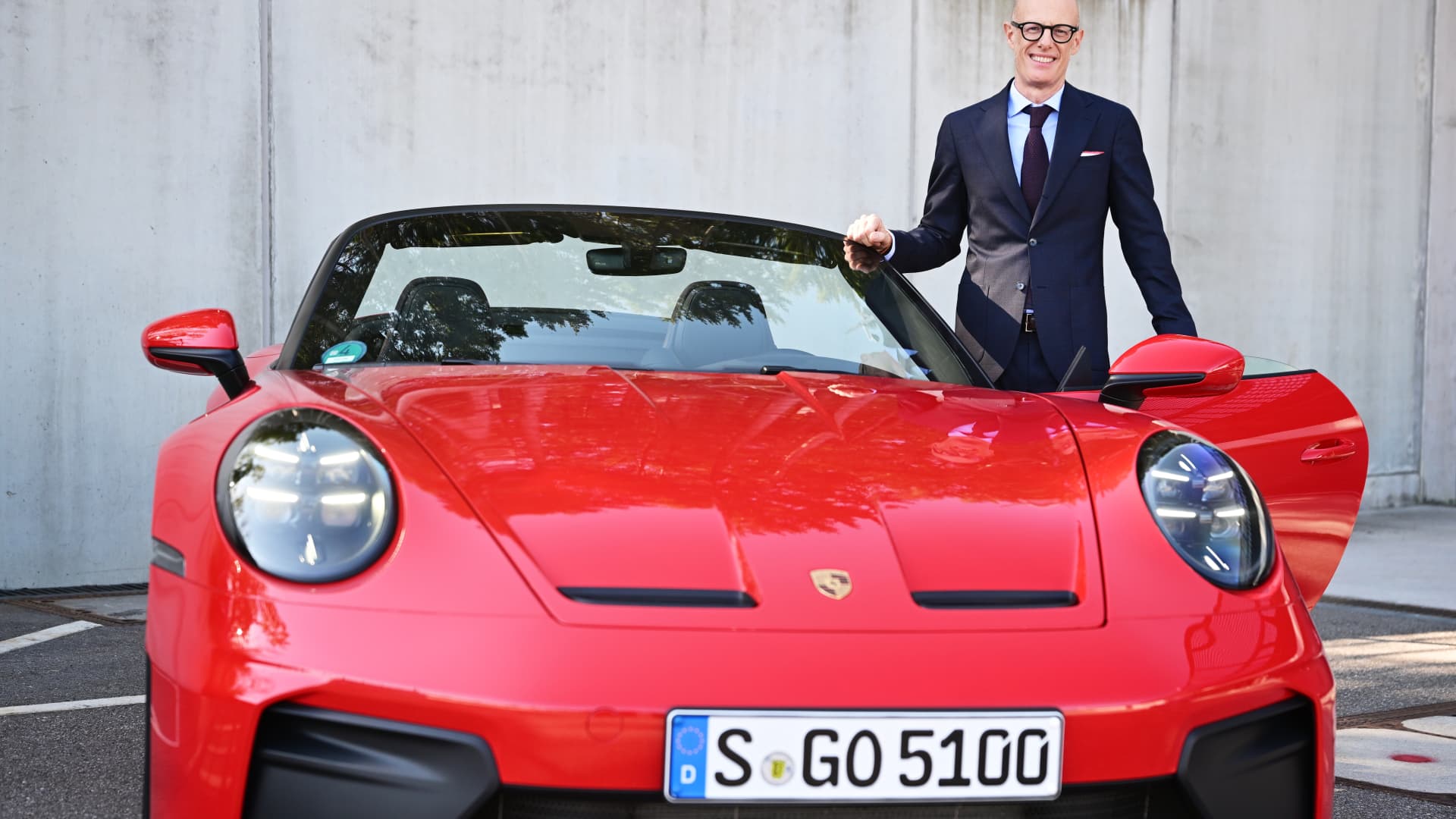
Porsche has successfully navigated a complex global market, reporting a significant rebound in operating profit during the first nine months of 2026. This turnaround comes despite falling revenue and vehicle deliveries, primarily driven by a strategic reduction in its exposure to the challenging Chinese market.
🚀 Tech Strategy & Market Disruptions
- Geopolitical De-risking. Porsche’s deliberate reduction of dependence on the Chinese market highlights a broader trend among global automakers to diversify sales footprints and mitigate single-market risks, particularly as geopolitical tensions evolve and domestic competition intensifies.
- EV Competitive Landscape Shift. The struggle against strong domestic EV brands like BYD and Xiaomi in China underscores the rapid innovation and market capture by local players, forcing traditional luxury brands to rethink their EV strategies and regional focus.
- Agile Supply Chain Adaptation. The company’s ability to rebalance sales towards North America and other regions indicates an underlying agility in its logistics and distribution networks, critical for maintaining resilience amidst volatile demand and trade dynamics.
The German sports carmaker, owned by Volkswagen, announced operating profit reaching 1.74 billion euros ($1.94 billion) for the first nine months of 2026, a stark contrast to the 40 million euros reported in the same period last year when it absorbed approximately 2.7 billion euros in strategic restructuring costs. This robust performance in operating profit, even as sales revenue dipped 5.9% to 25.28 billion euros and deliveries fell 16% to 178,532 vehicles, emphasizes the effectiveness of its cost-cutting and market reorientation efforts. The turnaround in Porsche profit rebounds signals a strategic recalibration.
Historically, China has been a crucial growth engine for luxury automakers. However, Porsche, like many German peers, has faced an uphill battle against the formidable rise of local electric vehicle (EV) competitors such as BYD, Geely, and Xiaomi. These domestic brands have rapidly advanced in EV technology and market penetration, eroding the market share of established foreign players. The struggle against strong domestic EV brands like BYD in China was recently highlighted by global automotive industry reports. Porsche’s chief financial officer, Jochen Breckner, stated on Tuesday’s earnings webcast that their ‘geographically balanced sales footprint continues to provide resilience across different markets’ and that they ‘have significantly reduced [their] exposure to China,’ making the business less susceptible to that challenging environment.
Citi analysts echoed this sentiment, noting in a Tuesday report that Porsche’s underlying earnings before interest and taxes (EBIT) remained exceptionally resilient, outpacing German premium peers despite challenging conditions. These conditions included notably lower deliveries, higher operational costs, and an increased proportion of battery electric vehicle deliveries. This intensifying competition in key markets, especially for emerging technologies, aligns with analyses found on Forbes covering tech disruption. This resilience highlights Porsche’s internal operational efficiencies and strategic foresight in adapting to shifting market dynamics.
- North America’s Ascendancy: The region solidified its position as Porsche’s largest sales market by volume, underscoring the success of the company’s efforts to pivot away from China.
- Restructuring for Efficiency: The ongoing job cuts and broader restructuring initiatives are vital components of Porsche’s strategy to reduce overheads and align its cost structure with evolving global demand patterns.
- Long-Term Profitability Plan: Porsche has articulated a clear path to restore double-digit underlying operating profit margins, with recovery projected to commence in 2028 and net cash flow expected to surpass IPO levels by 2031, according to Citi analysts.
For further insights into such dynamic market shifts and strategic business moves, readers can gain deeper educational tech insights.
The surge in domestic EV manufacturing in China, spearheaded by companies like BYD, created an intensely competitive market, directly challenging the dominance of luxury foreign brands like Porsche. This escalating competition acted as a powerful market disruption, prompting Porsche to strategically reduce its reliance on the Chinese market. This reduction, in turn, allowed for a re-allocation of resources and focus towards more stable and profitable regions like North America, directly contributing to the rebound in operating profit despite overall lower sales volumes. This cause-and-effect chain demonstrates how regional market saturation can trigger global strategic shifts and financial recovery.
Porsche’s strategic retreat from an over-reliance on a single, albeit massive, market like China is a masterclass in modern digital transformation for legacy industries. It underscores the critical need for diversified digital sales channels, agile supply chain management, and data-driven market intelligence to identify and capitalize on alternative growth geographies, a core tenet for any CTO navigating global market volatility.
Key Financial Highlights (First Nine Months 2026)
- Operating Profit: €1.74 billion (vs. €40 million last year, excluding €2.7 billion restructuring costs).
- Sales Revenue: €25.28 billion (down 5.9% year-on-year).
- Vehicle Deliveries: 178,532 units (down 16% year-on-year).
- Largest Market: North America by volume.
Porsche Market Adoption Challenges in the EV Era
Porsche’s experience in China serves as a potent case study for market adoption challenges in the rapidly evolving electric vehicle landscape. The dominance of domestic Chinese brands like BYD, Geely, and Xiaomi is not merely about price point; it’s about localized innovation, tailored user experiences, and rapid iteration on software-defined vehicles. These competitors leverage deep insights into local consumer preferences, often integrating advanced connectivity features and autonomous driving capabilities that resonate strongly with the tech-savvy Chinese buyer. For Porsche, this meant grappling with a market that rapidly shifted its loyalty based on perceived technological superiority and local brand affinity, demanding a re-evaluation of its global EV rollout strategy. This also forces a look at how companies can utilize technologies like advanced analytics to understand regional market nuances, as discussed on analyzing technology market trends.
Porsche Ecosystem Expansion Potential Beyond Traditional Sales
Beyond vehicle sales, Porsche possesses significant untapped potential for ecosystem expansion. This includes leveraging its brand cachet in areas like luxury mobility services, high-performance charging infrastructure networks, and personalized digital experiences for vehicle owners. Imagine exclusive subscription services offering access to a fleet of specialty models, or a fully integrated digital platform providing bespoke driving analytics and concierge services. Such an expansion would require significant investment in cloud infrastructure, AI-driven personalization engines, and secure data platforms, extending the brand’s reach beyond mere hardware. The future growth will hinge on how effectively Porsche can build a holistic digital ecosystem that enhances the customer journey, tapping into areas like new digital frontiers.
Porsche’s Global Rebalance: Driving Profit Rebounds and Future Growth
Porsche’s nine-month results for 2026 clearly illustrate a successful strategic pivot, where financial resilience has been achieved through market diversification rather than sheer volume. By consciously de-risking its position in China, the company has fortified its profitability amidst an intensely competitive global automotive landscape. This shift positions Porsche for a more sustainable future, albeit one that requires continuous adaptation to regional market demands and technological shifts in luxury mobility.
- The company’s focus on cost reduction and operational efficiency is critical for sustaining double-digit margins post-2028.
- Continued investment in R&D, particularly for premium EV platforms, will be essential to compete against agile domestic challengers globally.
- Porsche’s ability to maintain strong performance in North America will be a key indicator of its diversified market strategy’s long-term success.
How will this rebalanced global strategy influence Porsche’s innovation pipeline and its pursuit of next-generation electric and autonomous vehicle technologies?
📊 StockXpo Analyst’s View
Market Impact: Porsche’s strategic deleveraging from China, despite short-term revenue dips, signals a pragmatic long-term play for stability and profitability. This move could inspire other luxury brands to reconsider their exposure to rapidly evolving and protectionist markets, potentially leading to more diversified global investment flows. For investors, this demonstrates management’s agility in asset allocation and risk mitigation, supporting a more stable earnings outlook.
Sector To Watch: The luxury automotive sector, especially those with significant China exposure, will be under increased scrutiny. Companies that can demonstrate similar geographical resilience and operational efficiency will likely attract greater investor confidence. Additionally, the premium EV technology segment outside of China, particularly in North America and Europe, could see renewed investment and intensified competition for market share.
Financial Disclaimer:
StockXpo.com is a financial news aggregator and educational portal, not a registered investment advisor or broker-dealer. All information, news, and analysis provided herein are strictly for educational purposes and do not constitute investment, financial, legal, or tax advice. Investing in the stock market involves high risks, and past performance is not indicative of future results. StockXpo will not be liable for any financial losses or investment damages. Always consult a certified financial advisor before making market decisions.
MORE IN INSIDE TECHNOLOGY

SoftBank AI Investment: Malaysia’s $50 Billion Innovation Surge
Published: Monday, October 26, 2026 · 2:37 AM
SpaceX AI Chips: $40 Billion Deal Fuels Innovation-Driven Growth
Published: Sunday, October 25, 2026 · 9:35 PM