
Published: Wednesday, October 21, 2026 · 1:50 AM | Updated: Wednesday, October 21, 2026 · 1:50 AM
📊 16 views




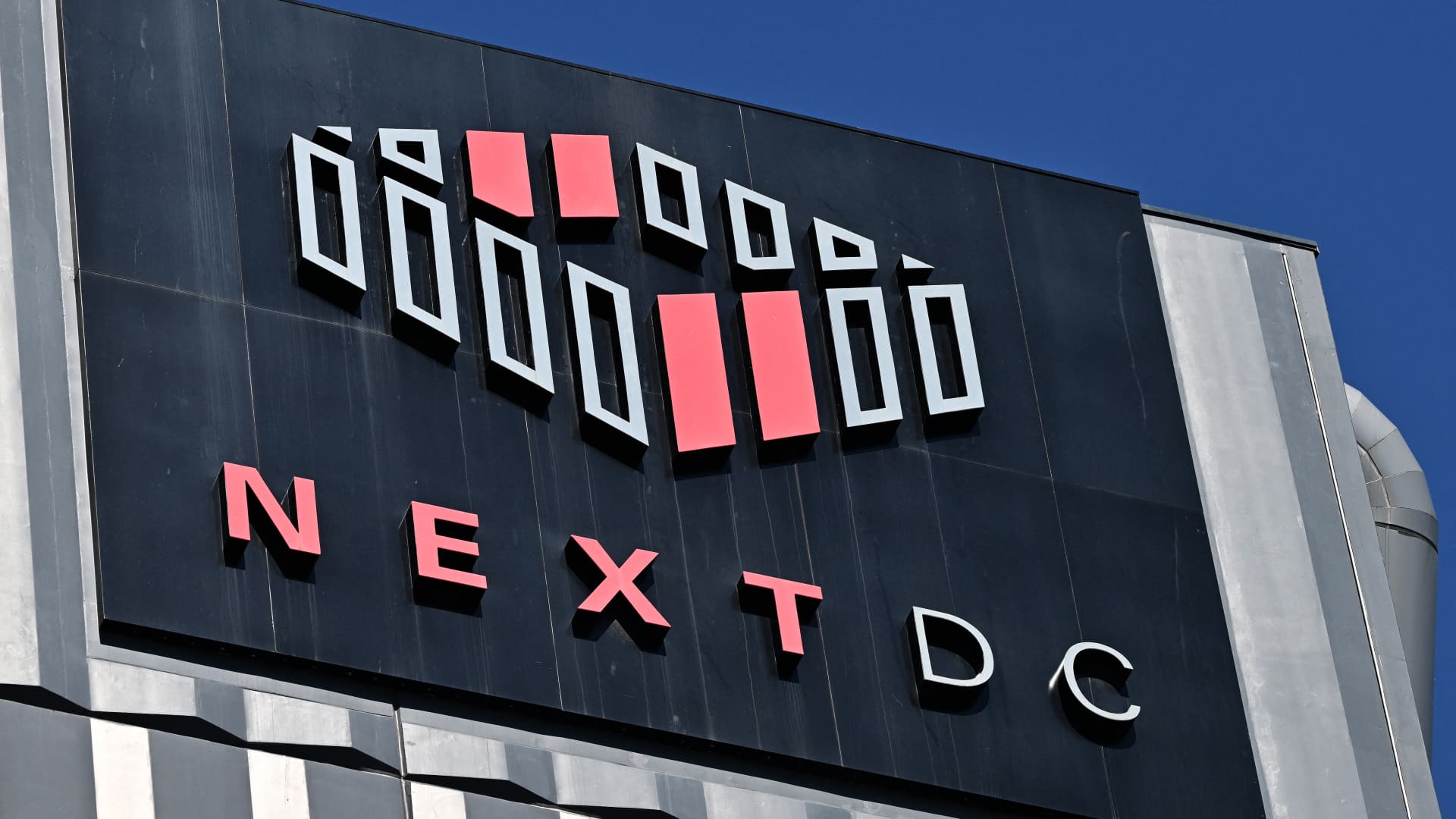
Australia’s data center market faced a significant jolt this week as NextDC shares plummeted nearly 40% after the company drastically cut its fiscal 2027 earnings forecast. This sharp revision stems from unforeseen power supply delays at its crucial M3 Melbourne facility, highlighting a growing tension between digital infrastructure demand and local community concerns.
🚀 Tech Strategy & Market Disruptions
- Community Opposition Risks. Local community and stakeholder opposition are directly halting critical infrastructure upgrades, pushing timelines for essential data center expansion.
- Regulatory Scrutiny Intensifies. The Australian government is moving to establish national standards for data center investment, potentially introducing new compliance burdens and project delays across the sector.
- Supply Chain Vulnerabilities Exposed. Reliance on external power distributors and local council approvals creates single points of failure, impacting revenue guidance and investor confidence in hyperscale buildouts.
The dramatic drop in NextDC shares reflects a broader, emerging challenge for the global data center industry: the collision of insatiable demand for digital infrastructure with local community and environmental concerns. The company’s revised fiscal 2027 revenue guidance now sits between A$475 million and A$500 million, a considerable reduction from the earlier projection of A$615 million to A$640 million. Similarly, its underlying EBITDA forecast was slashed to A$245 million to A$265 million, down from A$385 million to A$410 million. These adjustments are directly tied to the suspension of infrastructure upgrades at its M3 Melbourne data center, with electricity distributor Jemena unable to resume work before February 2027 due to safety concerns and lack of local council consent.
This incident underscores how critical external factors—ranging from community engagement to regulatory frameworks—are becoming to the successful deployment of large-scale computing facilities. The delays in power supply for NextDC’s M3 facility demonstrate a direct cause-and-effect chain: community opposition leads to halted infrastructure upgrades, which results in significant project delays, directly translating into slashed earnings forecasts and a plummeting stock value. This immediate market disruption ripples across the investment community, forcing a re-evaluation of data center development risk profiles, especially concerning local operational challenges and approval complexities.
“The NextDC situation highlights a critical pivot point for data center operators globally. Technical prowess in building and operating facilities is no longer enough; success now hinges equally on navigating complex local regulatory landscapes, securing community buy-in, and integrating projects within broader energy infrastructure plans. This shift demands a more holistic, socio-technical approach to digital transformation initiatives.”
The magnitude of NextDC’s forecast revision reveals specific financial impacts:
- Original FY27 Revenue Guidance: A$615 million to A$640 million
- Revised FY27 Revenue Guidance: A$475 million to A$500 million
- Original FY27 EBITDA Guidance: A$385 million to A$410 million
- Revised FY27 EBITDA Guidance: A$245 million to A$265 million
These figures indicate a substantial hit to projected growth, affecting investor confidence and requiring a re-assessment of valuation multiples for the entire sector. Citi analysts echoed these concerns, noting that the delays could extend beyond fiscal 2027, given the protracted nature of approvals and transformer upgrades.
NextDC Market Adoption Challenges
NextDC, a leading player in Australia’s data center landscape, typically benefits from robust demand for colocation and cloud services. However, the current situation with the M3 Melbourne facility exposes a critical vulnerability in its market adoption strategy: the ability to scale infrastructure in a timely manner. While enterprise and hyperscale clients demand rapid deployment and expansion capabilities, local infrastructure bottlenecks and community resistance directly impede NextDC’s ability to meet these expectations. This not only delays new revenue streams but can also damage long-term client relationships and market perception of reliability. As demand for sophisticated computing infrastructure, including support for emerging technologies like AI, continues to grow, such delays could shift customer preference towards regions or providers with more streamlined regulatory and community engagement processes. Staying abreast of broader technology market trends means understanding these local hurdles.
Data Center Ecosystem Expansion Potential
The broader data center ecosystem faces a dual challenge: unprecedented demand driven by digital transformation and AI, alongside increasing scrutiny over environmental impact and local resource consumption. Treasurer Jim Chalmers’ statements regarding national standards for investment signal a proactive regulatory environment in Australia. This move aims to ensure that data centers contribute positively to the energy grid and national interest, rather than becoming perceived burdens. This shift could push operators to innovate in areas like sustainable energy sourcing, heat reuse, and efficient water management, turning potential challenges into opportunities for competitive differentiation. Embracing these new paradigms is essential for sustained growth in emerging technologies and infrastructure development, as noted in recent global tech sector analysis.
Navigating NextDC’s Future Amidst Infrastructure Headwinds
The sharp decline in NextDC shares serves as a stark reminder of the multifaceted risks inherent in large-scale infrastructure projects, even within high-growth sectors like data centers. While the long-term demand for digital services remains robust, the immediate future for NextDC will hinge on its ability to effectively resolve these local power supply and community engagement challenges.
- Enhanced Community Engagement: NextDC must proactively manage local community relations and navigate regulatory approvals to prevent future delays.
- Diversified Power Strategies: Exploring alternative or decentralized power solutions could mitigate reliance on single grid providers and local infrastructure bottlenecks.
- Regulatory Adaptation: Adapting swiftly to evolving national investment standards will be crucial for sustained operational expansion and market confidence.
How will Australia’s evolving regulatory landscape shape the future investment appeal and operational viability for data center giants like NextDC?
📊 StockXpo Analyst’s View
Market Impact: The steep fall in NextDC shares sends a strong signal to investors about the escalating non-technical risks in data center development, particularly community and regulatory hurdles. This could lead to a broader re-pricing of assets within the sector, demanding higher risk premiums for projects in sensitive locations. Market liquidity for Australian tech infrastructure plays might experience temporary caution, influencing valuations for other growth-oriented firms. For more educational tech insights, our blog offers in-depth analysis of these market shifts. Insights from industry developments worldwide confirm this trend.
Sector To Watch: While data center demand remains robust globally, investors should closely monitor the renewable energy and grid modernization sectors. Companies specializing in distributed energy resources, smart grid technologies, or advanced community engagement platforms may see increased relevance as data center operators seek solutions to these infrastructure challenges.
Financial Disclaimer:
StockXpo.com is a financial news aggregator and educational portal, not a registered investment advisor or broker-dealer. All information, news, and analysis provided herein are strictly for educational purposes and do not constitute investment, financial, legal, or tax advice. Investing in the stock market involves high risks, and past performance is not indicative of future results. StockXpo will not be liable for any financial losses or investment damages. Always consult a certified financial advisor before making market decisions.
MORE IN INSIDE TECHNOLOGY

AI Adoption: Germany’s $10 Billion Breakthrough in Industrial AI
Published: Tuesday, October 20, 2026 · 12:39 AM
CXMT Shares: A Volatile Turn Amidst DRAM Market Surge
Published: Monday, October 19, 2026 · 4:28 AM


