Published: Friday, May 29, 2026 · 8:16 PM | Updated: Friday, May 29, 2026 · 8:16 PM
📊 224 views




Corporate finance leaders are confronting an unexpected reality: the escalating cost of artificial intelligence is forcing a stark choice between investing in AI tokens and maintaining human capital. This emerging dilemma, highlighted by industry insiders, signals a critical inflection point for AI adoption, potentially reshaping budget allocations and operational strategies across major enterprises.
🚀 Tech Strategy & Market Disruptions
- Escalating AI Token Costs. The price per token for advanced AI models is doubling with each new iteration, creating an unsustainable cost trajectory for businesses.
- Human vs. AI Resource Allocation. CFOs are now evaluating whether to fund AI expansion or preserve headcount growth, a unprecedented trade-off in corporate budgeting.
- Inefficient Model Utilization. A significant portion of enterprise AI usage relies on the most expensive frontier models, even for tasks manageable by cheaper alternatives, indicating a need for smarter model routing.
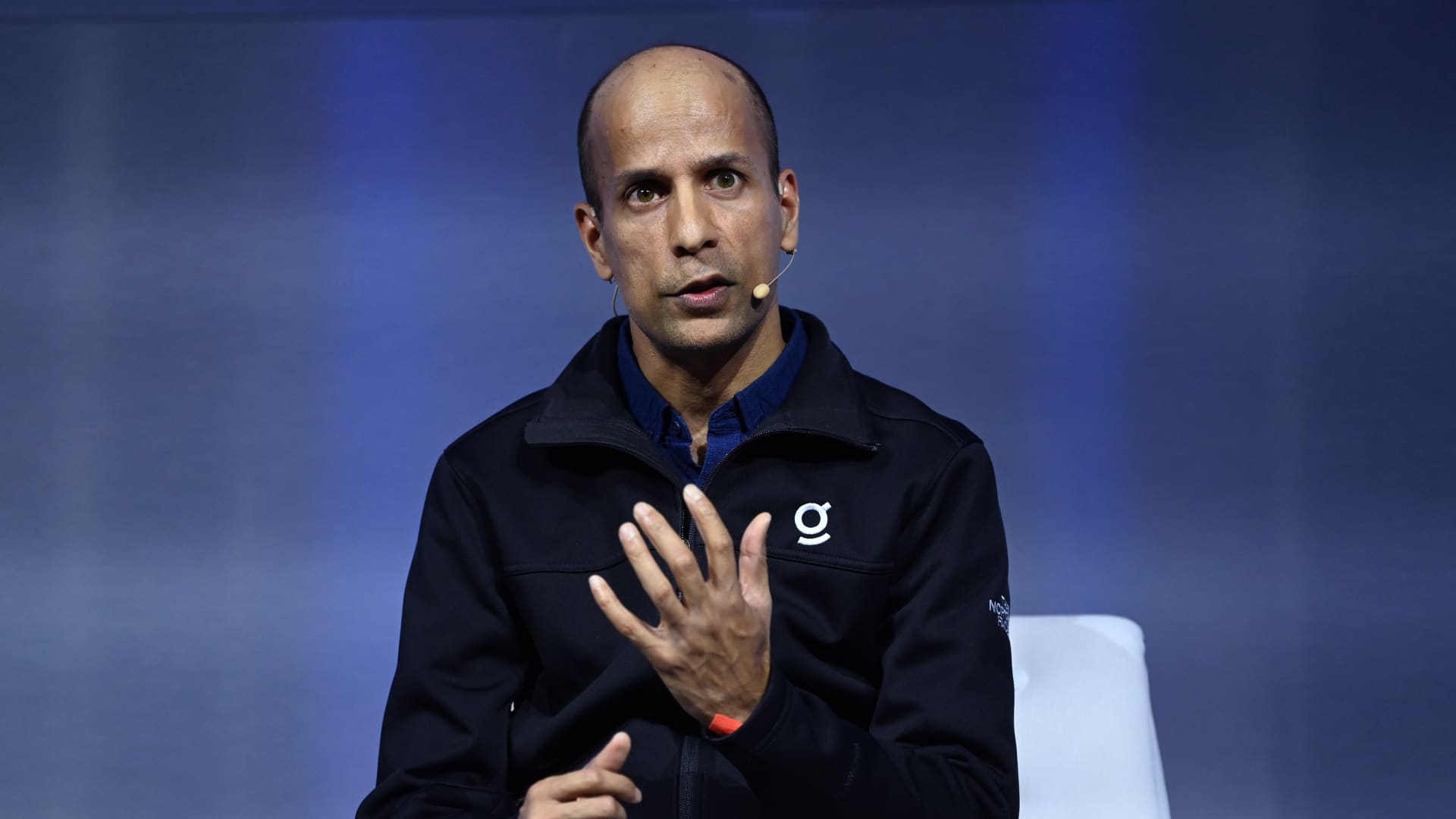
The conversation around AI budgets has shifted dramatically, moving from aggressive adoption mandates to urgent cost containment. Arvind Jain, CEO of enterprise AI firm Glean, observed that companies are finding their annual AI budgets depleted within one to two months, a direct consequence of AI’s rising operational expenses. This trend contradicts earlier expectations of cost deflation as AI technologies matured. Instead, the constant release of more powerful, yet more expensive, frontier models places enterprise AI on a precarious financial footing.
This new financial calculus presents a novel challenge: comparing the cost of AI tokens directly against the cost of human employees. Historically, technology was a fraction of business operating expenses, but the current AI surge is altering this fundamental dynamic. For many organizations, the growth in AI expenditure is now directly offsetting planned increases in workforce numbers. This forces leadership teams to make difficult decisions about where to allocate limited resources, impacting both technological advancement and employment strategy.
Matan Grinberg, CEO of Factory AI, a company specializing in optimizing AI model usage, articulated this shift as a defined resource allocation problem. Companies are now asking if optimizing employee numbers is more critical than managing AI spend per employee. This strategic reevaluation follows initial phases where boards pushed for AI implementation and then a period of aggressive, cost-agnostic AI deployment, termed ‘tokenmaxxing.’ The current phase demands a critical assessment of whether the most advanced AI capabilities are necessary for every task, suggesting a move towards more nuanced and cost-effective AI utilization.
The core issue stems from AI’s current state: powerful but inefficient. The value generated by AI often lags behind the substantial costs incurred by businesses. This imbalance is exacerbated by the fact that approximately 95% of enterprise AI activity still utilizes the priciest frontier models, even for tasks that could be executed by more economical alternatives. The opportunity for immediate savings lies in intelligently routing less complex tasks to lower-tier, less expensive AI models.
- The Cost Paradox: AI’s operational costs are outpacing its immediate value generation.
- Model Selection Inefficiency: Over-reliance on premium AI models for routine tasks inflates budgets.
- Optimization Potential: Smarter model routing can unlock significant cost savings (up to 10x).
The strategy of optimizing AI spend by matching task complexity with appropriate model tiers represents a significant opportunity for efficiency gains. Grinberg likens the subtle differences between the latest frontier AI models to minor variations in academic expertise, often imperceptible to the untrained eye. The broader AI market has largely operated on the assumption of sustained, cost-indifferent demand. However, the practical realities within Fortune 500 companies suggest a more price-sensitive market, which could have profound implications for the valuations of AI providers that have built their models on premium pricing.
Understanding the AI Token Economics
The current debate over AI budgets is fundamentally an economic one. Enterprises are realizing that the promise of AI must be matched by a clear return on investment, and the escalating costs of AI tokens are making this difficult. This is driving a renewed focus on optimizing AI infrastructure and deployment strategies. Businesses are beginning to explore alternatives to solely relying on the most advanced, and therefore most expensive, AI models. For those looking to understand the broader technological landscape, exploring emerging technologies can provide context.
The relentless pursuit of bleeding-edge AI capabilities without a commensurate focus on cost-efficiency and task-appropriateness is creating a significant fiscal cliff for many organizations. The next wave of AI innovation will likely be defined not just by model performance, but by economic viability and strategic resource alignment.
The challenge for companies is to navigate this complex cost landscape while still leveraging AI’s transformative potential. This involves not only selecting the right AI models but also implementing robust monitoring and management systems to ensure efficient usage. The drive towards more economical AI solutions could spur innovation in model compression and federated learning, making advanced AI more accessible and affordable. The implications for the broader technology market trends are substantial, as a more cost-conscious approach to AI could shift investment priorities and accelerate the adoption of AI in a wider range of industries.
The Architecture Behind AI Cost Optimization
The architectural shift required to manage escalating AI budgets centers on intelligent routing and efficient resource allocation. Instead of a monolithic approach to AI deployment, companies need a dynamic infrastructure that can assess tasks and direct them to the most cost-effective and appropriate AI model. This involves sophisticated API gateways, policy-based orchestration, and real-time cost monitoring. The goal is to create a flexible system that allows businesses to harness AI’s power without being crippled by its expense. This focus on practical implementation and scalable solutions is crucial for long-term digital transformation.
Market Adoption Challenges for Cost-Conscious AI
While the economic pressures are clear, adopting cost-conscious AI strategies presents its own set of hurdles. Organizations must overcome the inertia of using premium models and develop internal expertise in AI cost management. This requires a cultural shift towards efficiency and a data-driven approach to AI deployment. Furthermore, the available tools for detailed AI cost allocation and optimization are still maturing, making it challenging for some companies to implement these strategies effectively. Navigating these adoption challenges is key to unlocking sustainable AI growth, as discussed in technology news.
The Ripple Effect of AI Budgets on Corporate Finance
The ongoing scrutiny of AI budgets is initiating a significant recalibration of corporate financial planning. As companies prioritize ROI and efficiency, the economic viability of AI solutions will become a primary decision-making factor. This could lead to increased investment in AI optimization platforms and a more critical evaluation of AI vendors. The pressure on AI providers to demonstrate tangible value and offer more competitive pricing models will intensify, potentially influencing the trajectory of future AI innovations and market dynamics.
AI Budgets: The New Frontier of Corporate Efficiency
The current financial pressures surrounding AI present a critical juncture for businesses. Companies are now forced to critically assess their AI spend, balancing advanced capabilities with fiscal responsibility. This strategic reevaluation is essential for sustainable growth in the age of artificial intelligence.
- The escalating cost of AI tokens is creating an unprecedented trade-off between technological investment and human capital.
- Organizations must move beyond cost-agnostic AI adoption to a model of intelligent, task-appropriate resource allocation.
- The market is shifting towards AI solutions that demonstrate clear ROI and economic efficiency.
Will the current AI budget reckoning lead to a more sustainable and equitable integration of artificial intelligence into global economies, or will it stifle innovation in the short term?
📊 StockXpo Analyst’s View
Market Impact: This news signals a cooling-off period for AI stocks, potentially leading to increased volatility and a reevaluation of market valuations. Investor sentiment may shift towards companies with demonstrated profitability and efficient AI operations. The pressure on AI vendors to deliver tangible business outcomes rather than just technological prowess will likely increase, impacting market liquidity for unproven AI concepts.
Sector To Watch: The AI optimization and cloud cost management sectors are poised for significant growth. Companies focusing on efficient AI model routing, performance monitoring, and on-demand AI resource management will likely see increased demand. Conversely, pure-play AI infrastructure providers without clear cost-saving solutions may face headwinds.
Financial Disclaimer:
StockXpo.com is a financial news aggregator and educational portal, not a registered investment advisor or broker-dealer. All information, news, and analysis provided herein are strictly for educational purposes and do not constitute investment, financial, legal, or tax advice. Investing in the stock market involves high risks, and past performance is not indicative of future results. StockXpo will not be liable for any financial losses or investment damages. Always consult a certified financial advisor before making market decisions.
MORE IN INSIDE TECHNOLOGY

SK Hynix Shares Rebound: A Strategic Shift in Semiconductor Funding
Published: Friday, October 23, 2026 · 1:46 AM

AI Innovation Fuels Southeast Asia’s Digital Growth
Published: Thursday, October 22, 2026 · 12:36 AM