Published: Thursday, August 13, 2026 · 1:58 AM | Updated: Thursday, September 3, 2026 · 9:09 AM
📊 97 views




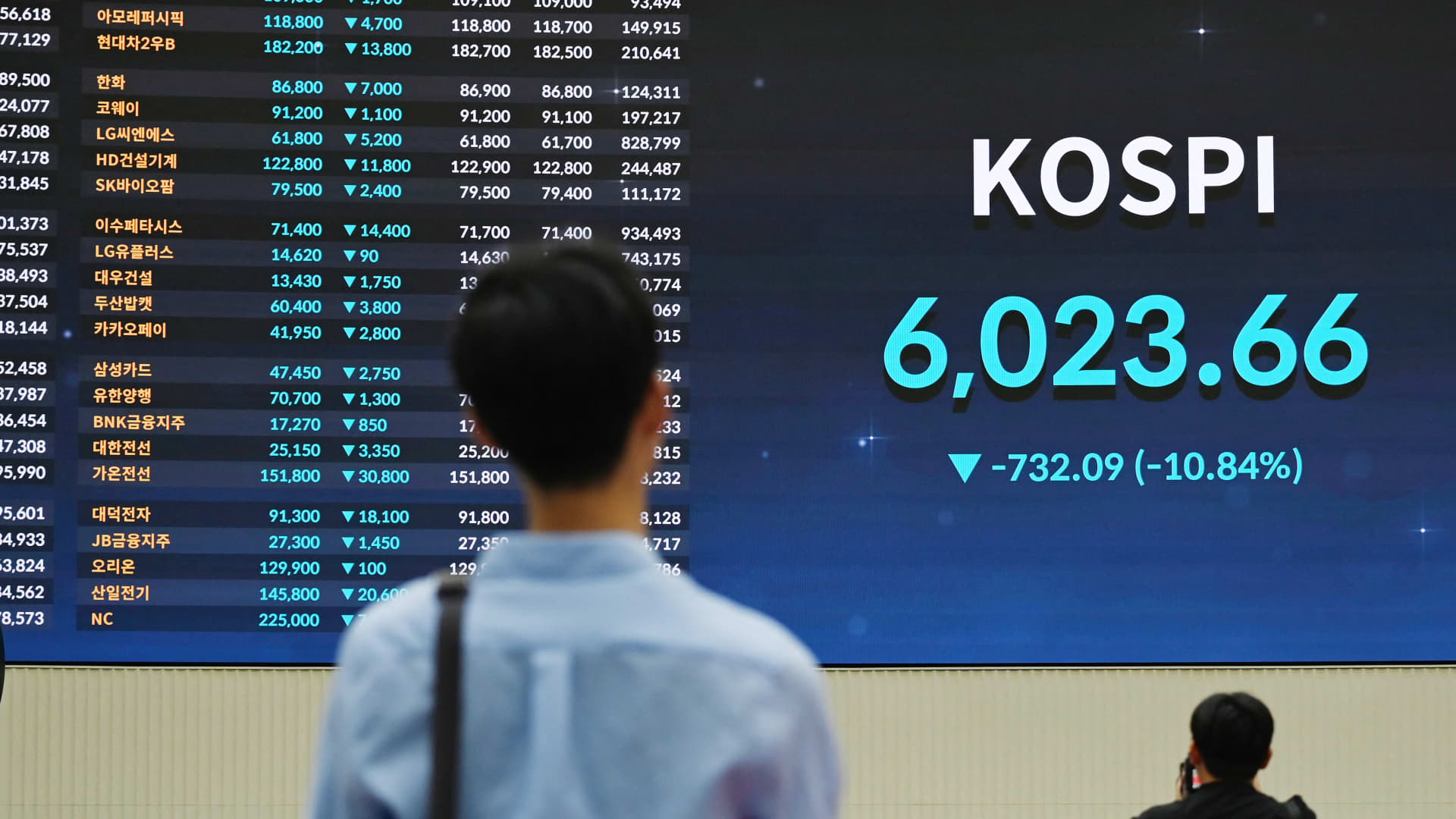
South Korea’s Kospi index has dramatically reversed its recent downturn, officially entering bull-market territory with a more than 20% climb from its July lows. This rapid resurgence is largely attributable to renewed investor confidence in the country’s dominant semiconductor sector, driven by robust demand expectations for AI infrastructure. The question now looms: how sustainable is this swift recovery amidst inherent market volatility?
🚀 Tech Strategy & Market Disruptions
- AI Demand Fuels Semiconductor Rally. Strong U.S. tech earnings and persistent AI infrastructure investments are driving optimism for memory chip demand, directly benefiting Korean chip giants.
- Concentration Risk Remains. The Kospi’s heavy reliance on a few semiconductor firms, like Samsung and SK Hynix, makes it highly sensitive to shifts in AI sentiment and broader technology market trends.
- Fundamentals vs. Technicals. While technical factors initially exacerbated a sell-off, experts suggest the current rebound is more grounded in genuine earnings expectations rather than pure speculation, albeit with residual volatility.
The recent surge in South Korea’s Kospi index marks a significant reversal, pushing it beyond the 20% gain threshold typically defining a bull market. This rebound, following a sharp July decline fueled by leveraged positions and forced selling, underscores the intense volatility inherent in today’s tech-driven markets. At its core, the renewed optimism stems from the robust performance of its semiconductor giants, which are direct beneficiaries of escalating global demand for AI infrastructure. Analysts, including Peter Kim, head of global investment strategy at KB Securities, point to strong U.S. technology earnings as a key driver, suggesting that demand for memory chips remains resilient. Kim asserts that the underlying valuations and earnings prospects for these companies were never truly in question, with the previous rout primarily driven by technical market factors and fund flows rather than fundamental weakening.
Regulatory adjustments, such as tighter rules on leveraged ETFs and normalized margin requirements by brokerages, have also played a role in stabilizing the market, alleviating some of the pressure from forced selling. This shift could indicate a more stable foundation for the current rally compared to the preceding run-up. However, the market’s heavy concentration in a handful of semiconductor companies presents a double-edged sword. Phillip Wool, head of research at Rayliant Global Advisors, aptly describes Korea’s equity market as ‘synonymous with the AI hardware trade.’ This acute dependency means that any significant change in the AI narrative—whether from softer capital expenditure guidance by hyperscalers, shifts in token pricing, or fears of Federal Reserve tightening—could trigger a sharp pullback.
Despite these risks, there are structural improvements supporting the bullish case for global tech developments. Billy Leung, investment strategist at Global X ETFs, highlights South Korea’s ongoing corporate governance reforms and the ‘Value-Up’ program. These initiatives aim to address the long-standing ‘Korea discount,’ a phenomenon where Korean companies trade at lower valuations than their international peers. Leung views the current upswing as closer to a fundamentally supported bull market, with semiconductor earnings expectations continuing to strengthen. Yet, concerns linger regarding elevated retail participation, the high index concentration, and ambitious market targets, which could signal late-cycle behavior.
Jung In Yun of Fibonacci Asset Management Global advises caution, suggesting that while the rebound reflects both a technical recovery and a genuine return to stability, it may not represent an entirely new bull market. His base case projects continued, albeit slower and bumpier, growth, backed by solid semiconductor earnings and improved risk appetite. After such a rapid ascent, some consolidation would be a healthy development, preventing the market from becoming overheated.
AI’s Direct Impact on Korea’s Market Flow
The accelerating global investment in AI infrastructure, driven by hyperscale cloud providers and enterprise adoption, directly translates into surging demand for high-performance memory chips and processors. This fundamental demand creates a positive feedback loop for companies like Samsung Electronics and SK Hynix, leading to improved earnings forecasts and investor confidence. This increased valuation and capital inflow into leading South Korean tech firms then significantly bolsters the Kospi index, potentially disrupting traditional market diversification strategies by increasing sector concentration risk while simultaneously offering disproportionate gains to early movers in the AI supply chain. The flow is: Global AI Investment Surges → Increased Demand for Advanced Semiconductors → Stronger Earnings and Valuations for Korean Chipmakers → Kospi Index Rally → Market Disruption through Sector Concentration and AI-Driven Volatility.
‘The current market dynamics within South Korea underscore a critical architectural shift: modern indices are increasingly reflections of specific technology supply chains. For a CTO, understanding this means recognizing that market performance isn’t just about individual company success but about their strategic positioning within dominant tech ecosystems, like AI hardware. Ignoring this systemic dependency is a significant oversight in long-term technology and investment strategy.’
Korea’s Tech Ecosystem Expansion Potential
Beyond the immediate surge in semiconductor demand, the long-term sustainability of South Korea’s Kospi rally hinges on the broader expansion potential of its tech ecosystem. While the dominance of memory chips is undeniable, the country is also a hub for other critical technologies that could diversify its market exposure. This includes advancements in battery technology, biopharmaceuticals, and software innovation, which, while smaller contributors to the Kospi today, represent significant growth vectors. Diversification efforts by the government and corporations into these emerging technologies could mitigate the inherent risks of over-reliance on a single sector. The ‘Korea discount’ previously stifled growth, but ongoing reforms, particularly those encouraging better corporate governance and shareholder returns, are making the broader market more attractive to international investors. These initiatives could unlock value across a wider range of industries, moving beyond just the immediate AI hardware narrative.
South Korea’s AI Hardware Market Adoption Challenges
Despite the robust demand for AI hardware, South Korea’s leading manufacturers face unique market adoption challenges that could influence the longevity of the Kospi’s bull run. Competition in the advanced memory and logic chip space is intensifying globally, with aggressive investment from the U.S., Europe, and other Asian players. Maintaining technological leadership requires continuous, massive R&D expenditure and navigating complex geopolitical landscapes, including export controls and supply chain disruptions. Furthermore, the pace of AI innovation itself presents a challenge; new architectural paradigms or breakthroughs could rapidly shift demand away from current memory or processing solutions. For the South Korean firms, staying ahead means not just producing current-generation components but anticipating the next wave of AI compute requirements, securing intellectual property, and strategically partnering with global hyperscalers and AI developers. Recent tech sector reports highlight the competitive pressures in this domain.
The Ripple Effect of South Korea’s Kospi on 2026 Markets
South Korea’s Kospi index’s aggressive climb signals a renewed, yet fragile, confidence in the AI-driven semiconductor sector. While corporate governance reforms and genuine earnings growth provide a fundamental floor, the concentration risk and potential for AI sentiment shifts demand careful observation.
- The rally is predominantly driven by AI infrastructure spending, benefiting Korean semiconductor giants.
- Market stability has improved due to eased leveraged positions and regulatory tightening.
- Continued volatility is expected, tied to the uncertain pace of AI hardware spending and broader macroeconomic factors.
Will South Korea’s Kospi successfully navigate its inherent concentration risks to sustain this bull market, or will the ‘AI trade’ prove too volatile for long-term stability?
📊 StockXpo Analyst’s View
Market Impact: The strong rebound in South Korea’s Kospi demonstrates the profound influence of global AI investment on national indices. While the market has shown resilience in bouncing back from technical selling, its high concentration in a few key semiconductor players amplifies risk, suggesting that any negative news flow regarding AI spending or chip demand could trigger swift corrections. Investors should anticipate continued episodic volatility but recognize the underlying fundamental strength derived from essential AI hardware.
Sector To Watch: Beyond the obvious semiconductor sector, investors should closely monitor ancillary industries within South Korea that support AI and advanced manufacturing, such as specialized materials, industrial automation, and software solutions providers that could benefit from the broader ecosystem uplift. Furthermore, the impact of corporate governance reforms could unlock value in historically undervalued sectors, drawing more diverse foreign capital into broader educational tech insights.
Financial Disclaimer:
StockXpo.com is a financial news aggregator and educational portal, not a registered investment advisor or broker-dealer. All information, news, and analysis provided herein are strictly for educational purposes and do not constitute investment, financial, legal, or tax advice. Investing in the stock market involves high risks, and past performance is not indicative of future results. StockXpo will not be liable for any financial losses or investment damages. Always consult a certified financial advisor before making market decisions.
MORE IN INSIDE TECHNOLOGY
AI Buildout Hits Credit Headwinds: Neoclouds Under Pressure
Published: Saturday, October 24, 2026 · 12:23 AM

SK Hynix Shares Rebound: A Strategic Shift in Semiconductor Funding
Published: Friday, October 23, 2026 · 1:46 AM