Published: Wednesday, September 23, 2026 · 11:02 PM | Updated: Wednesday, September 23, 2026 · 11:02 PM
📊 299 views




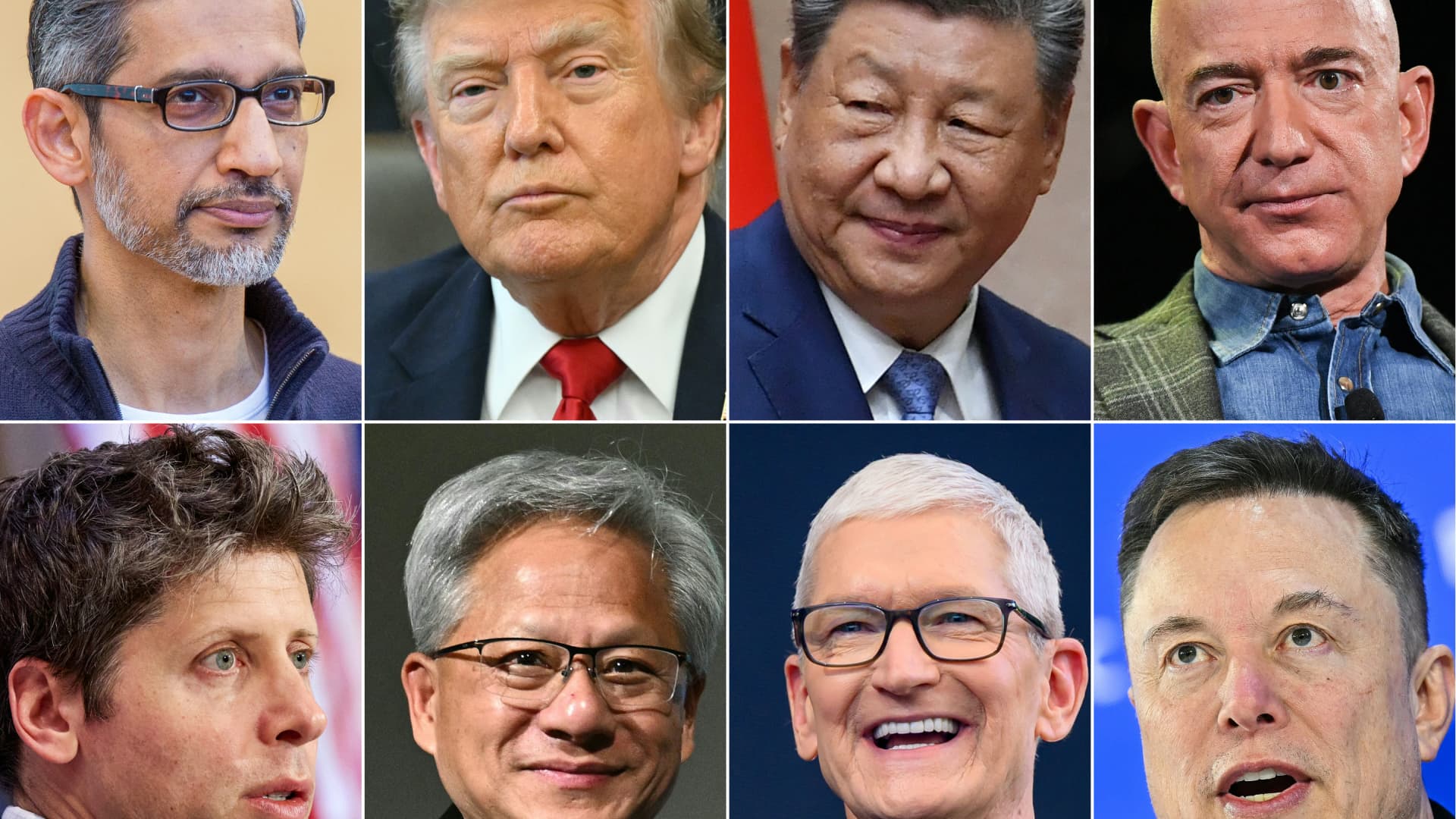
As the anticipated Trump-Xi Dinner approaches, global markets are closely monitoring the attendance of key U.S. and notably absent Chinese executives. This high-stakes diplomatic and business gathering is set to influence investor sentiment, capital flows, and the valuation trajectories of prominent technology and industrial giants amid escalating U.S.-China trade tensions.
💰 Financial Strategy & Market Insights
- Executive Presence Signals. The confirmed attendance of top U.S. CEOs like Satya Nadella (Microsoft) and Elon Musk (Tesla) indicates their strategic engagement with U.S. foreign policy, potentially impacting their firms’ future access to Chinese markets or regulatory standing.
- Chinese Absence Raises Questions. The lack of confirmed Chinese corporate attendees, particularly from critical sectors like EVs (BYD) or consumer electronics (Xiaomi), suggests potential government reluctance or strategic ambiguity, affecting market sentiment towards cross-border investment.
- Geopolitical Risk Premiums. The persistent U.S.-China tensions, highlighted by blacklisting practices, underscore ongoing geopolitical risks that demand investors factor into asset valuations, especially for companies with significant exposure to both economies.
The upcoming Trump-Xi Dinner in Washington D.C. has captured significant market attention, not just for the high-level diplomatic engagement, but for the stark contrast in business representation. On the U.S. side, a formidable roster of corporate titans is confirmed, including Microsoft CEO Satya Nadella, Nvidia’s Jensen Huang, OpenAI’s Sam Altman, Google’s Sundar Pichai, Tesla and SpaceX’s Elon Musk, Citigroup’s Jane Fraser, Amazon’s Jeff Bezos, Apple’s Tim Cook, Dell’s Michael Dell, and Meta’s Mark Zuckerberg. This robust turnout from Silicon Valley, Wall Street, and key industrial sectors signals a proactive stance by American corporations to engage with trade policy and international relations, aiming to mitigate risks and identify opportunities in a complex global economy. The presence of these executives underscores the critical intersection of technology, finance, and geopolitics, directly influencing market analysis and investment trends for their respective sectors.
Conversely, the Chinese delegation’s business component remains largely undisclosed, with China’s Ministry of Foreign Affairs offering no information. While Reuters previously speculated on potential attendees from electric car giant BYD, smartphone company Xiaomi, and battery makers CATL and Gotion, official confirmations are conspicuously absent. This ambiguity creates a vacuum in market expectations, particularly concerning sectors critical to China’s ‘overseas expansion strategy,’ such as electric vehicles. The lack of a clear business delegation from China suggests a more guarded approach, possibly reflecting the heightened bilateral tensions where both governments have previously implemented blacklists restricting commercial activities.
The implications for asset valuation are considerable. For U.S. firms, participation could offer a channel for dialogue on market access, supply chain stability, and regulatory frameworks, potentially de-risking their China operations. For Chinese companies, particularly state-owned enterprises (SOEs), the absence of a visible delegation might be interpreted by some as a missed opportunity to foster investment or by others as a strategic decision to avoid perceived scrutiny. As Isaac Stone Fish, founder and CEO of U.S.-based advisory Strategy Risks, noted, the involvement of SOE heads could be seen by the U.S. as blurring lines between business and government delegations, making them less welcome investors.
- The confirmed high-profile U.S. executive attendance at the Trump-Xi Dinner, encompassing leaders from tech, finance, and industry, reflects a strategic effort to navigate U.S.-China relations, directly impacting future market access and regulatory landscapes for these multinational corporations.
- Upside Potential:
- De-escalation of Tensions: A productive dialogue at the Trump-Xi Dinner could lead to a thaw in U.S.-China relations, potentially easing trade restrictions and boosting confidence in global supply chains, benefiting companies with significant cross-border operations.
- Clarified Market Access: For U.S. tech and manufacturing giants, the ability to directly engage could lead to clearer guidelines on market access and intellectual property protection in China, improving long-term revenue predictability and asset valuation.
- Investment Certainty: Reduced geopolitical uncertainty could encourage renewed foreign direct investment (FDI) into both economies, enhancing overall market liquidity and supporting higher equity multiples for resilient companies.
- Downside Risks:
- Increased Volatility: A lack of significant breakthroughs or, worse, a hardening of stances could trigger increased market volatility, particularly in technology and manufacturing sectors heavily exposed to U.S.-China trade dynamics.
- Continued Business Restriction: If Chinese companies remain largely absent, it could signal a continued or intensified focus on domestic self-sufficiency, potentially limiting growth avenues for foreign firms in China and exacerbating de-globalization trends.
- Heightened Geopolitical Premiums: Ongoing tensions could force investors to demand higher risk premiums for assets tied to U.S.-China trade, leading to depressed valuations and capital flight from affected sectors.
The strategic opacity surrounding China’s corporate delegation at such a pivotal summit introduces a significant geopolitical risk premium into asset valuations. For multinational corporations, this means the ‘China put’ — the assumption of reliable growth from the Chinese market — is increasingly being questioned, necessitating a re-evaluation of exposure and diversification strategies across global portfolios.
Key companies observed in the context of U.S.-China business relations include:
- U.S. Tech & Finance Leaders (Confirmed Attendance): Microsoft (MSFT), Nvidia, OpenAI, Google, Tesla, SpaceX, Citigroup, Amazon, Apple, Dell, Meta. These firms collectively represent trillions in market capitalization and are at the forefront of innovation and the financial sector.
- Chinese Industrial & Tech Firms (Potential/Reported): BYD, Xiaomi, CATL, Gotion, Hisense, Wanxiang, Bank of China, COFCO Group. These entities span critical sectors like electric vehicles, consumer electronics, batteries, and state-backed finance.
- Strategic Sector Focus: Both sides exhibit strong interests in advanced technology, artificial intelligence, electric vehicles, and financial services, areas often at the center of competitive and regulatory friction, requiring deep educational financial insights.
Global Technology Asset Liquidity Analysis
The concentration of U.S. technology leadership at the Trump-Xi Dinner highlights the sector’s outsized influence on global market liquidity. Major tech firms like Microsoft and Apple command immense capital, making their strategic positioning in international markets a critical determinant of investor confidence. Any perceived shifts in their access to key consumer bases or supply chain stability, particularly concerning China, can trigger significant capital reallocation. Investors scrutinize these firms for indications of resilient earnings and potential regulatory headwinds that might impact their balance sheets and, by extension, broader market valuations. The sheer scale of these companies means that geopolitical developments directly translate into substantial movements in equity markets, affecting everything from index performance to venture capital flows into emerging technologies.
Asian Capital Shifts: Implications for Emerging Markets
The guarded approach from the Chinese side regarding executive attendance at the Trump-Xi Dinner points towards potential shifts in Asian capital flow dynamics. If Chinese companies, especially those in high-growth sectors like electric vehicles and advanced manufacturing, continue to operate under a cloud of geopolitical uncertainty, it could spur domestic re-investment strategies or a redirection of capital to less politically charged markets. This could impact emerging market liquidity, as investors weigh the risks and rewards of allocating capital within China versus alternative Asian economies. Furthermore, the emphasis on state-owned enterprises (SOEs) versus private sector representation could influence how international investors perceive the ease and transparency of doing business within China, potentially favoring more diversified exposure across Asia for long-term growth.
The Trump-Xi Dinner: Navigating Bilateral Ambiguity for Future Growth
The highly anticipated Trump-Xi Dinner unfolds against a backdrop of complex U.S.-China relations, where the transparency of business engagement offers critical insights into future market dynamics. While U.S. corporate leaders actively seek to shape outcomes, the muted Chinese corporate presence signals a cautious diplomatic play. This dynamic will undoubtedly inform capital allocation decisions and risk assessments across global financial markets for the foreseeable future.
- The divergence in executive attendance underscores persistent geopolitical fault lines impacting global trade and investment.
- Investors should prepare for potential volatility in sectors heavily reliant on U.S.-China commercial ties, particularly technology and advanced manufacturing.
- Future market sentiment and asset valuations will hinge on the nuanced signals emanating from this high-level dialogue.
How will the outcomes of this summit redefine the strategic roadmap for multinational corporations operating in both the U.S. and China?
📊 StockXpo Analyst’s View
Market Impact: The visible disparity in corporate delegation at the Trump-Xi Dinner creates immediate market uncertainty, especially in technology and industrial sectors. The absence of a strong Chinese corporate presence might lead to an immediate cautious sentiment, possibly a slight pullback in related equities, as investors re-evaluate the ease of cross-border operations and potential regulatory hurdles. This could affect market liquidity, causing capital to temporarily gravitate towards less geopolitically exposed assets.
Sector To Watch: The electric vehicle (EV) sector, particularly firms like BYD and Tesla, will be under intense scrutiny. Any signals regarding market access or tariffs for EVs will have profound implications for global supply chains and consumer markets. Similarly, the semiconductor and AI industries, represented by firms like Nvidia and OpenAI, face significant headwinds and opportunities depending on technology transfer and data governance discussions.
Financial Disclaimer:
StockXpo.com is a financial news aggregator and educational portal, not a registered investment advisor or broker-dealer. All information, news, and analysis provided herein are strictly for educational purposes and do not constitute investment, financial, legal, or tax advice. Investing in the stock market involves high risks, and past performance is not indicative of future results. StockXpo will not be liable for any financial losses or investment damages. Always consult a certified financial advisor before making market decisions.
MORE IN INSIDE FINANCE
China’s Exports Surge: Unpacking Global Trade Growth and Asset Implications
Published: Wednesday, October 14, 2026 · 2:14 AM
Singapore Haven: Stability Yields Opportunity Amid Global Volatility
Published: Tuesday, October 13, 2026 · 12:19 AM