Published: Wednesday, October 14, 2026 · 1:04 AM | Updated: Wednesday, October 14, 2026 · 1:04 AM
📊 14 views




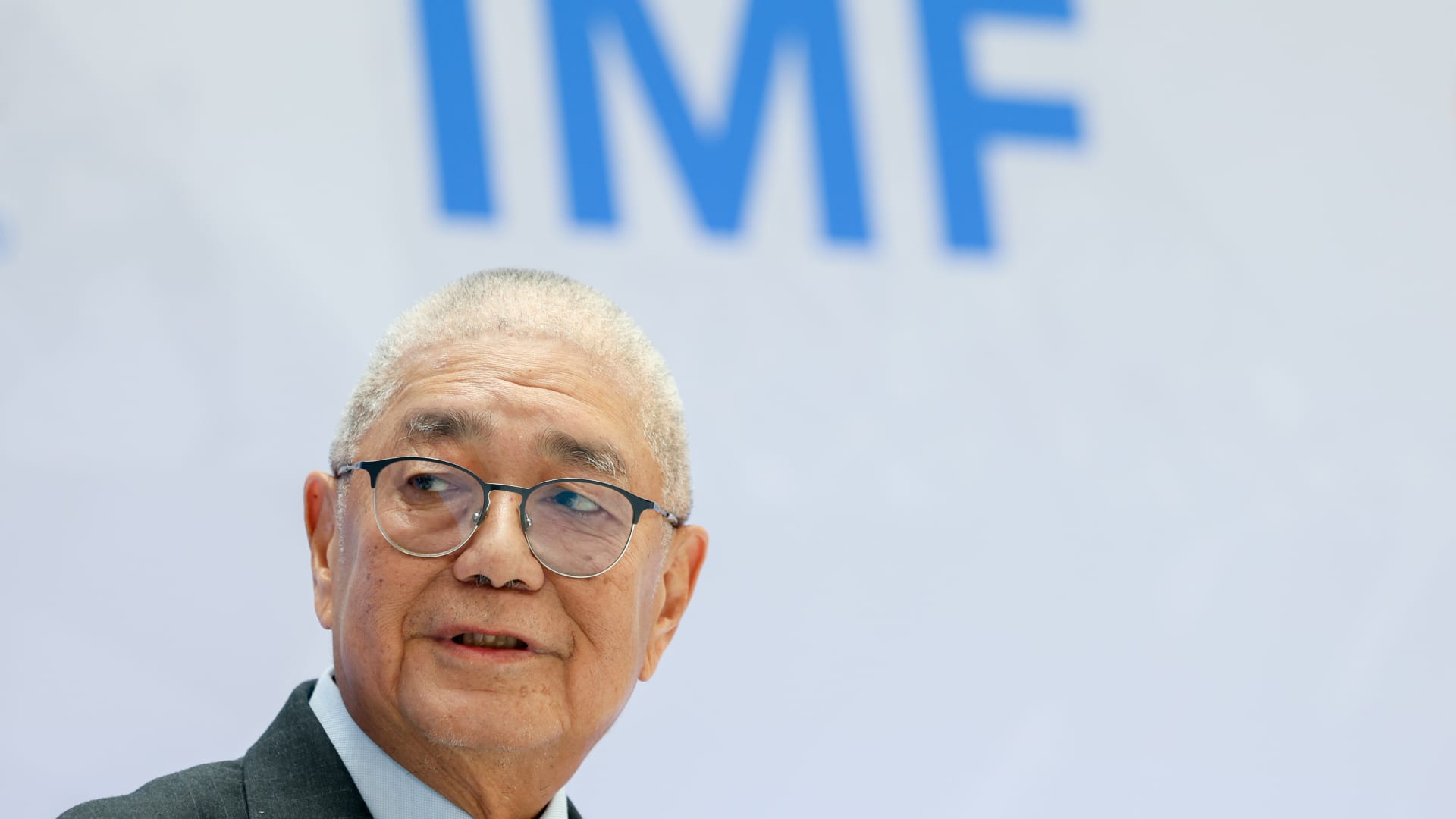
The Philippines is bracing for a ‘Godzilla El Niño’ alongside persistent oil price volatility, creating significant headwinds for its inflation targets and macro-economic stability. This convergence of extreme weather and global commodity shocks poses a critical challenge for a key Southeast Asian economy, with potential ripple effects across regional supply chains and international commodity markets.
📊 Macro-Economic Strategic Insights
- Dual Shocks Ahead. The Philippine central bank is grappling with a ‘Godzilla El Niño’ and sustained oil price increases, complicating inflation management and economic forecasting.
- Food Security Risks. As the world’s largest rice importer, the Philippines faces heightened food supply and price volatility, with potential global market implications due to domestic drought warnings.
- Monetary Tightening. The Bangko Sentral ng Pilipinas is expected to continue interest rate hikes to combat accelerating inflation, prioritizing price stability amid external pressures.
The Bangko Sentral ng Pilipinas (BSP) finds itself at a critical juncture, having to recalibrate its monetary policy amidst an unprecedented confluence of supply-side shocks. Governor Eli Remolona recently underscored the central bank’s focus on scenarios accounting for both severe weather patterns, dubbed “Godzilla El Niño,” and a prolonged surge in global oil prices. This proactive approach reflects a deep concern over the impending impact on domestic prices, particularly food, with the most severe effects anticipated between November and February. The Philippines, already one of Southeast Asia’s more economically vulnerable nations to external shocks, saw its inflation accelerate to 7.2% in September from 6.1% in August, largely driven by an 18% spike in rice prices, according to the Philippine Statistics Authority.
This inflationary pressure is further exacerbated by the Philippines’ position as the world’s biggest rice importer. Warnings from Agriculture Secretary Francisco Tiu Laurel about potential fresh droughts squeezing domestic supply are particularly alarming. Any significant increase in Philippine rice purchases would place additional demand on an already strained global market, one that has been disrupted by earlier El Niño events and export restrictions from major producing nations. The UN Food and Agriculture Organization (FAO) has reported its rice price index climbing for six consecutive months, reaching a 20-month high, underscoring the severity of the global food commodity situation. This aligns with broader trends tracked by financial news outlets like Bloomberg on global economic shifts. To counter these rising price pressures, the BSP had already raised its benchmark rate by 25 basis points to 5% in August, signaling its firm commitment to maintaining price stability.
- The central bank’s forward guidance now incorporates extreme weather scenarios, highlighting the climate’s growing influence on macro-economic policy.
- Persistent oil price shocks compound food inflation, creating a complex challenge for monetary authorities in managing aggregate demand and supply.
- International commodity markets are sensitive to Philippine demand shifts, particularly for staples like rice, amplifying global food security concerns.
Persistent Inflationary Pressures → Reduced Consumer Purchasing Power → Slower Domestic Demand Growth
Central Bank Rate Hikes → Higher Borrowing Costs → Slower Business Investment & Housing Market
‘Godzilla El Niño’ Impact → Agricultural Supply Shortages → Elevated Food Prices & Import Dependence
Global Oil Shocks → Increased Production & Transportation Costs → Broader Inflationary Pass-Through
Increased Public Debt → Fiscal Space Constraints → Reduced Government Spending on Growth Initiatives
In macroeconomics, the term ‘supply-side shock’ refers to an unexpected event that significantly changes the supply of a commodity or service, often leading to rapid price fluctuations. A “Godzilla El Niño” is a prime example, causing widespread agricultural disruption, which can then cascade into broader inflationary pressures and complicate central bank efforts to maintain economic stability and foster systemic growth. Understanding these exogenous shocks is crucial for crafting adaptive fiscal and monetary policies.
| Indicator | Value | Significance |
|---|---|---|
| September 2023 Inflation | 7.2% | Accelerated from August, nearing three-year highs and challenging BSP targets. |
| August 2023 Inflation | 6.1% | Baseline for recent inflation trend before the September acceleration. |
| Rice Price Increase | +18% | Major contributor to overall inflation, reflecting food supply vulnerability and global price pressures. |
These metrics highlight the direct impact of food and energy costs on the Philippine consumer price index, guiding the Bangko Sentral ng Pilipinas’s monetary policy decisions.
Philippine Inflationary Risks: Navigating Dual Threats
The convergence of a severe El Niño and elevated global energy prices presents a complex challenge for the Philippines’ macro-economic managers. As a net importer of both food and fuel, the nation is particularly susceptible to external shocks that directly impact its consumer price index. The Bangko Sentral ng Pilipinas (BSP) is compelled to use monetary tools, primarily interest rate adjustments, to anchor inflation expectations and mitigate second-round effects. However, excessive tightening to counter supply-side inflation could inadvertently dampen economic growth, creating a delicate balancing act for policymakers. Analysts from HSBC Bank, like Aris Dacanay, anticipate further rate hikes, with a quarter-percentage increase expected soon, followed by another, to reach 5.25% and 5.50% respectively. This aggressive stance aims to rein in prices but carries the inherent risk of slowing investment and consumer spending, which are vital for sustained economic expansion. For more detailed insights on global economic policies, visit StockXpo’s economy insights.
ASEAN Regional Trends: Philippines’ Vulnerability and Resilience
Within the ASEAN bloc, the Philippines often faces unique vulnerabilities due to its geographical location and reliance on imported staples. While other regional economies might also contend with inflation, the Philippines’ specific exposure to agricultural commodity price swings and extreme weather events means it often experiences a more pronounced impact. However, the nation has also demonstrated resilience through adaptive policy responses and structural reforms aimed at enhancing food security and energy independence over the long term. The current crisis could serve as a catalyst for accelerating investments in climate-resilient agriculture and diversified energy sources. Regional trade agreements and collaborative efforts within ASEAN can also play a crucial role in buffering member states against shared external shocks, fostering broader regional economic stability.
The El Niño Challenge: Sustaining Philippine Growth Amid Volatility
The threat of a ‘Godzilla El Niño’ in the Philippines underscores the increasing influence of climate phenomena on national economic stability. With inflation accelerating and food security paramount, the Bangko Sentral ng Pilipinas faces a challenging period of monetary tightening, which aims to protect purchasing power while navigating potential growth deceleration. The coming months will be crucial in assessing the effectiveness of these policy interventions.
- Monetary policy remains firmly focused on inflation targeting despite the external shocks.
- Food supply chain resilience and strategic rice reserves will be critical buffers.
- Long-term investments in climate adaptation and agricultural productivity are essential for systemic growth.
How effectively can the Philippines balance inflation control with the imperatives of long-term economic development in a climate-volatile world?
📊 StockXpo Analyst’s View
Market Impact: The prospect of aggressive rate hikes by the BSP, coupled with supply-side inflation from the ‘Godzilla El Niño,’ is likely to temper investor sentiment in Philippine equities and fixed income markets. Foreign direct investment might see a cautious pause as macroeconomic uncertainty persists. Market liquidity could tighten further, reflecting the higher cost of capital. Investors should watch for revisions in corporate earnings guidance, especially from consumer-facing sectors. For broader market insights, explore StockXpo’s analysis.
Sector To Watch: The agriculture and food processing sectors will remain under intense scrutiny due to weather impacts and commodity price volatility. Conversely, utilities and infrastructure companies focusing on climate resilience, such as water management or renewable energy, could see increased government and private sector investment over the long term, making them potential areas of interest for those looking for strategic investment opportunities on StockXpo blog.
Financial Disclaimer:
StockXpo.com is a financial news aggregator and educational portal, not a registered investment advisor or broker-dealer. All information, news, and analysis provided herein are strictly for educational purposes and do not constitute investment, financial, legal, or tax advice. Investing in the stock market involves high risks, and past performance is not indicative of future results. StockXpo will not be liable for any financial losses or investment damages. Always consult a certified financial advisor before making market decisions.
MORE IN INSIDE ECONOMY
Global Slowdown Eases as AI Boosts Growth, IMF Warns of Nearing Resilience Limits
Published: Tuesday, October 13, 2026 · 2:23 AM

Nobel Prize in Economics: New Foundations for Macro-Stability Growth
Published: Monday, October 12, 2026 · 6:12 AM