Published: Tuesday, November 3, 2026 · 12:25 AM | Updated: Tuesday, November 3, 2026 · 12:25 AM
📊 12 views




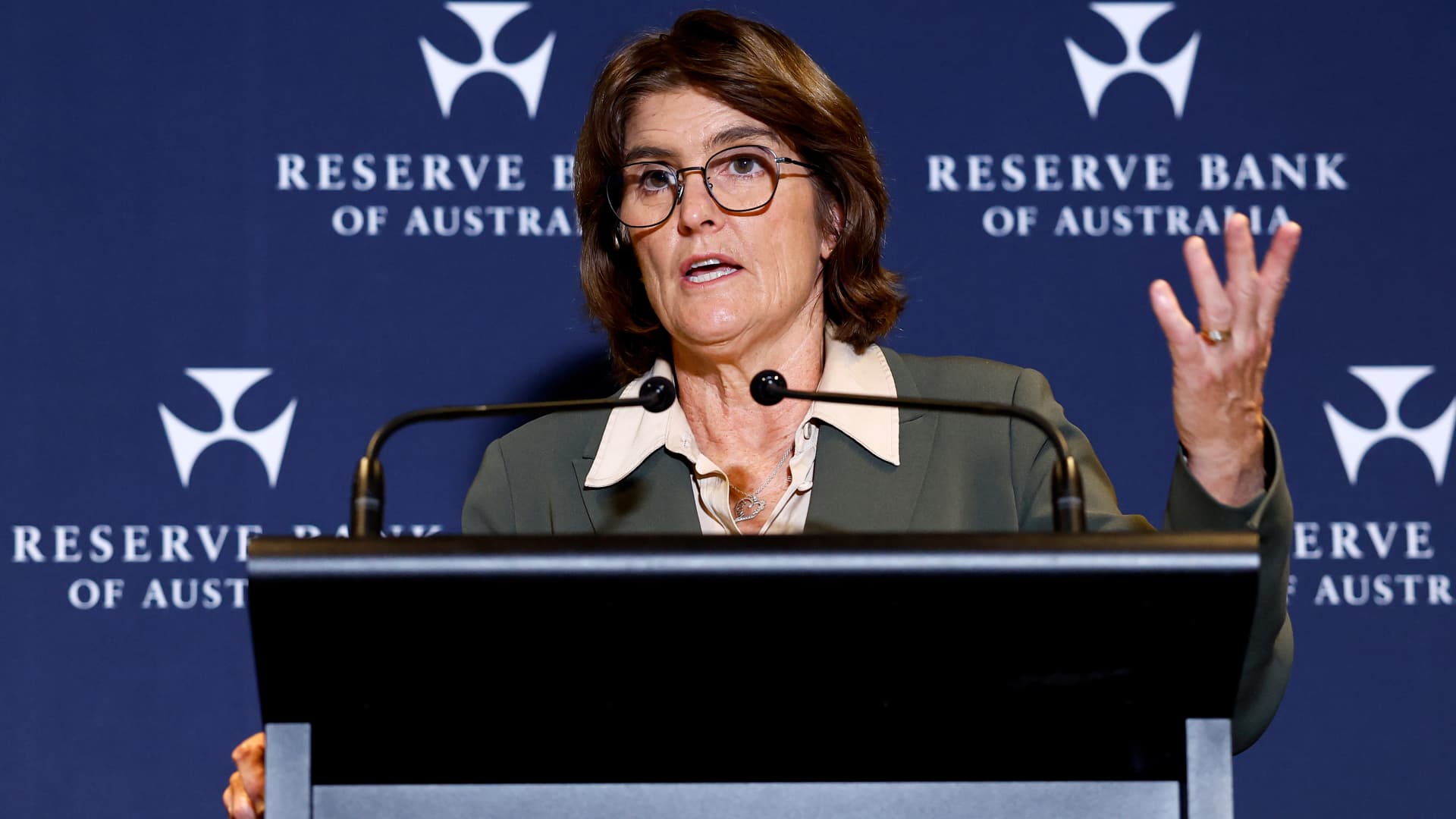
Australia’s central bank has escalated its battle against persistent price pressures, raising its benchmark cash rate to an 18-year high. This decisive action by the Reserve Bank of Australia (RBA) highlights a global challenge: central banks navigating stubborn inflation amidst slowing growth, a crucial development for worldwide macro-stability.
📊 Macro-Economic Strategic Insights
- Rate Ascent. The RBA increased its cash rate by 25 basis points to 4.85%, marking the fifth hike this year and reaching a level not seen since November 2008. This move underscores the central bank’s commitment to price stability.
- Inflation Outlook. Inflation is now expected to remain elevated through much of 2027, delaying its return to the 2%-3% target range until late 2027, three quarters later than previously forecast. This extended timeline reflects the entrenched nature of current price pressures.
- Growth Concerns. While the RBA is focused on inflation, economic growth has shown signs of deceleration, with Q2 2026 GDP growth at 2.1%, down from 2.5% in Q1. The central bank, however, does not currently foresee a recession.
The Reserve Bank of Australia’s decision to implement an Australia Rate Hike to 4.85% on Tuesday marks a significant tightening in monetary policy, aligning with economist expectations and signaling an unwavering commitment to curb inflation. This fifth rate increase this year brings the cash rate to its highest point since November 2008, positioning Australia as an outlier among many global central banks that are pausing or considering easing their tightening cycles. The RBA’s governing board made this move following a split decision, with six members voting for the hike and three for a hold, reflecting the nuanced economic landscape they face.
The central bank’s resolve is driven by stubbornly high inflation, which saw the consumer price index (CPI) climb to 4.3% in September, up from 4% in August, reaching its highest level since March. This persistent inflationary pressure is now projected to extend, with the RBA anticipating it will remain elevated through most of 2027, delaying a return to its 2%-3% target range until late 2027 – three quarters later than previous forecasts. Factors contributing to this extended inflationary period include elevated fuel and other commodity prices, alongside an unexpected driver: AI-related investment accelerating prices for technology-related goods.
RBA Governor Michele Bullock had previously highlighted ‘upside risks to inflation materializing,’ citing higher oil prices from the Iran War and robust domestic spending. Despite these challenges, the RBA aims to steer the economy back to price stability without triggering a recession. For investors seeking deeper Bloomberg’s economic reporting, understanding these underlying inflationary pressures is key to informed decisions.
- Proactive Tightening: The RBA is demonstrating a willingness to act decisively to rein in inflation, even if it means prolonged tightening.
- Extended Inflation Horizon: The revised inflation timeline indicates a more challenging and persistent fight against rising prices than initially anticipated.
- Balanced Mandate: The central bank is attempting to manage inflationary pressures while being mindful of the potential impact on economic growth and household finances.
The Ripple Effect of Higher Rates in Australia
The RBA’s latest rate hike sets off a clear chain of economic consequences:
- Higher Rates → Increased Borrowing Costs for Households and Businesses
- Increased Borrowing Costs → Reduced Disposable Income & Investment
- Reduced Disposable Income & Investment → Lower Consumer Spending & Economic Activity
- Lower Consumer Spending & Economic Activity → Reduced Demand-Side Inflationary Pressures
- Reduced Demand-Side Inflationary Pressures → Eventual Return to RBA’s Inflation Target (with an extended timeline)
Monetary policy tightening, especially when sustained, operates with a lag. The full impact of the RBA’s cumulative rate hikes won’t be immediately apparent, requiring businesses and consumers to adjust to higher financing costs over time. This creates a delicate balancing act for the central bank, aiming to sufficiently cool demand without tipping the economy into a deep contraction.
Key Australian Economic Metrics
- RBA Cash Rate: Currently 4.85%, marking an 18-year high. This metric directly reflects the cost of borrowing for financial institutions and influences broader interest rates across the economy.
- September CPI: Rose to 4.3%, up from 4% in August. This is the primary indicator of consumer price inflation, signaling persistent cost-of-living pressures for households.
- Q2 2026 GDP Growth: 2.1% year-on-year, down from 2.5% in Q1. This indicates a moderating pace of economic activity, adding to the RBA’s challenge of balancing growth and inflation.
Australia’s Inflationary Risks: The AI Factor
The RBA’s acknowledgement of AI-related investment driving up prices for technology-related goods adds a new dimension to the inflationary narrative. While conventional drivers like energy and supply chain disruptions are well-understood, the demand surge and cost implications of rapidly evolving AI infrastructure and specialized components could present a persistent, albeit novel, inflationary pressure. This ‘AI factor’ suggests a potential structural shift in certain price baskets, complicating traditional monetary policy responses designed to address aggregate demand or commodity-driven shocks. Policymakers must now consider how technological advancements themselves contribute to inflation, a theme that could resonate globally as economies ramp up digital transformation efforts. For broader economic policy analysis, these emerging trends are critical.
Global Benchmarking of RBA’s Tightening Stance
Australia’s aggressive stance stands in contrast to several major economies where central banks are either holding rates steady or contemplating cuts. The U.S. Federal Reserve, the European Central Bank, and the Bank of England have signaled a potential pause in their tightening cycles, focusing on assessing the lagged effects of previous hikes. This makes the RBA an ‘outlier,’ suggesting that Australia’s domestic inflationary pressures — potentially fueled by strong internal demand and specific commodity exposure — are more deeply entrenched or perceived differently than those in other developed nations. This divergence highlights the importance of country-specific economic conditions in shaping monetary policy, rather than a monolithic global approach to inflation. This differential approach influences global financial market dynamics, a key topic for those following global economics, and aligns with Reuters’ analysis on global central bank policies.
The Australia Rate Hike: Navigating a Prolonged Price Battle
The Reserve Bank of Australia’s latest rate hike underscores a difficult reality: the fight against inflation is far from over, and may require more sustained effort than initially predicted. This move reflects a central bank prepared to make tough decisions to secure long-term macro-stability, even if it entails short-term economic headwinds.
- The RBA prioritizes inflation control, despite slowing growth and increased borrowing costs.
- The extended timeline for inflation to return to target suggests a more entrenched problem.
- The ‘AI factor’ introduces a new, technology-driven dimension to inflationary pressures.
Can Australia achieve a soft landing while battling such persistent and complex inflationary forces?
📊 StockXpo Analyst’s View
Market Impact: This aggressive tightening from the RBA signals a robust commitment to bringing down inflation, which could lead to continued pressure on consumer-facing sectors and a potential dampening of housing market activity. Investors might brace for subdued corporate earnings in sectors sensitive to interest rates, while the Australian dollar could see some support from higher yields. Market liquidity might tighten further as borrowing costs rise.
Sector To Watch: The financial services sector, particularly banks, will be closely watched. While higher rates initially boost net interest margins, prolonged tightening can increase loan delinquencies and slow credit growth. Additionally, sectors relying heavily on consumer discretionary spending or requiring significant capital investment will face headwinds.
Financial Disclaimer:
StockXpo.com is a financial news aggregator and educational portal, not a registered investment advisor or broker-dealer. All information, news, and analysis provided herein are strictly for educational purposes and do not constitute investment, financial, legal, or tax advice. Investing in the stock market involves high risks, and past performance is not indicative of future results. StockXpo will not be liable for any financial losses or investment damages. Always consult a certified financial advisor before making market decisions.
MORE IN INSIDE ECONOMY

South Korea AI Model Fuels Economic Growth with Record Budget Surge
Published: Monday, November 2, 2026 · 1:48 AM

Euro zone economy Slowdown: Q3 Growth Halves Amid French Contraction
Published: Friday, October 30, 2026 · 6:43 AM