Published: Wednesday, October 14, 2026 · 6:17 AM | Updated: Wednesday, October 14, 2026 · 6:17 AM
📊 16 views




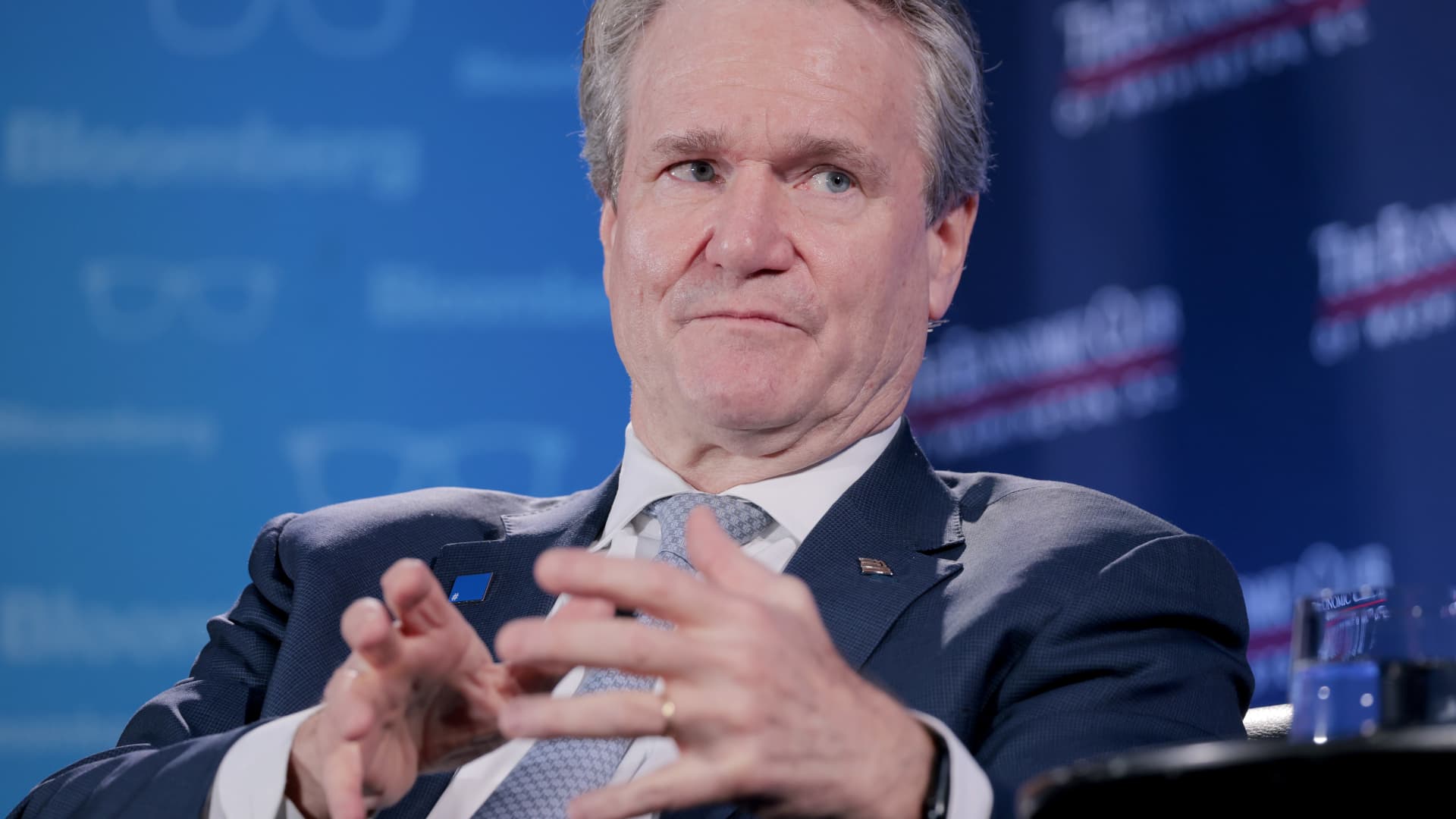
Bank of America is set to release its third-quarter earnings, but the spotlight has unexpectedly shifted following a hefty $1.2 billion penalty from the U.S. Treasury. This significant financial hit, tied to risk-management issues, introduces an immediate challenge to CEO Brian Moynihan’s leadership and casts a critical eye on the bank’s operational controls at a pivotal time for the financial sector.
🗝️ Corporate Strategy Insights
- Regulatory Scrutiny Intensifies. The $1.2 billion fine underscores persistent challenges in risk management and compliance within large financial institutions.
- Operational Efficiency Under Review. The penalty’s direct impact on net income (17 cents per share) raises questions about Bank of America’s ability to maintain tight operational controls.
- CEO Leadership in Question. Brian Moynihan’s historical focus on rectifying past abuses now faces renewed scrutiny regarding the bank’s current internal governance.
Bank of America’s upcoming third-quarter earnings report, initially anticipated as a routine update, is now overshadowed by a substantial $1.2 billion penalty imposed by the U.S. Treasury Department. This fine, revealed just a day before the scheduled announcement, will cut the bank’s net income by 17 cents per share, injecting an element of uncertainty into the financial institution’s performance narrative. The development prompts renewed focus on CEO Brian Moynihan’s oversight, particularly concerning the second-largest U.S. bank’s internal controls, a theme that echoes his early tenure addressing post-2008 mortgage abuses.
The timing of the penalty is critical, occurring amidst a mixed earnings season for its peers. JPMorgan Chase, Goldman Sachs, Citigroup, and Wells Fargo recently disclosed varied results, with JPMorgan notably missing analyst expectations for the first time in several years. This broader industry context suggests that even top-tier banks are navigating a complex economic landscape, making Bank of America’s operational stumbles particularly noteworthy. Analysts had set clear expectations for the bank’s Q3 performance:
- Earnings per share (EPS): $1.10 (LSEG)
- Revenue: $30.69 billion
- Net Interest Income (NII): $16.53 billion (StreetAccount)
- Trading: Fixed income at $3 billion, equities at $2.8 billion
These figures provide a baseline against which the actual impact of the penalty, and any underlying operational challenges it highlights, will be rigorously assessed. The Street’s focus will extend beyond headline numbers to commentary on the bank’s go-forward strategy in managing regulatory risks and enhancing internal compliance frameworks, critical for long-term stability in the highly regulated banking sector. A deeper dive into how banks manage capital and maintain efficiency is available on company strategy and corporate growth.
The $1.2 billion penalty for Bank of America creates a significant strategic ripple effect, beginning with an immediate hit to profitability and capital. This financial setback not only directly impacts Q3 net income but also raises the specter of increased regulatory scrutiny, potentially leading to higher compliance costs and operational overhead in the future. For competitors like JPMorgan Chase and Wells Fargo, while their own results have been mixed, Bank of America’s misstep highlights the critical importance of robust risk management systems. It could prompt an industry-wide re-evaluation of money laundering controls and internal governance, potentially slowing down growth initiatives as banks prioritize compliance. This could lead to a competitive advantage for institutions perceived as having superior operational efficiency, as observed by analysts on global financial markets. Furthermore, a perceived lack of control at a major institution can erode investor confidence across the sector, potentially impacting valuations and access to capital for all players.
The $1.2 billion Treasury penalty directly challenges Bank of America’s claims of robust risk management, placing CEO Brian Moynihan’s operational oversight and the bank’s long-term strategic resilience under intense investor and regulatory scrutiny.
Key Indicators for Bank of America’s Q3 Report:
- Expected EPS: $1.10 – This figure will be crucial, especially considering the 17-cent impact of the penalty. Any deviation will highlight core operational performance.
- Projected Revenue: $30.69 billion – Demonstrates the bank’s ability to generate top-line growth amidst interest rate fluctuations and market conditions.
- Net Interest Income (NII): $16.53 billion – A primary driver of profitability for banks, NII reflects the difference between interest earned on assets and interest paid on liabilities.
- Trading Revenue: Fixed Income $3B, Equities $2.8B – These metrics indicate performance in capital markets, reflecting volatility and client activity.
Bank of America Strategic Analysis: Beyond the Headline Fine
While the $1.2 billion penalty captures immediate attention, a broader strategic analysis of Bank of America must consider its diversified business model, encompassing retail banking, wealth management, and global markets. The incident, while significant, should be viewed within the context of the bank’s ongoing efforts to streamline operations and enhance customer experience. CEO Moynihan’s tenure has been characterized by a drive for efficiency and digital transformation, which are critical for maintaining market leadership in a rapidly evolving financial landscape. The question remains whether existing internal controls are robust enough to support this scale of ambition without incurring substantial regulatory setbacks. Such incidents often trigger comprehensive internal reviews, potentially leading to structural changes in compliance departments and a reallocation of resources towards preventative measures rather than reactive penalties. Insights into broader market trends can be found on stock markets and investment analysis.
Bank of America Competitive Advantages: Navigating Regulatory Headwinds
Despite the recent fine, Bank of America retains several core competitive advantages. Its extensive branch network and digital platforms provide a formidable deposit base, offering stable funding at a low cost. The bank’s wealth management arm, Merrill Lynch, offers a significant source of fee-based revenue, diversifying its income streams beyond traditional lending. Furthermore, its global reach and investment banking capabilities allow it to serve large corporate clients effectively. However, consistent regulatory challenges like the recent penalty can erode these advantages by diverting management attention, increasing operational costs, and potentially impacting its brand reputation. Sustaining these advantages requires not just scale, but impeccable execution in risk and compliance, especially as the regulatory environment continues to tighten globally. For more educational insights into these dynamics, visit educational insights.
Bank of America’s Compliance Crossroads: What Lies Ahead for Q3
Bank of America’s Q3 earnings are arriving at a critical juncture, with the $1.2 billion Treasury penalty forcing a re-evaluation of its risk management protocols and CEO Brian Moynihan’s stewardship. While the market anticipates revenue and NII figures, the focus will undoubtedly shift to the operational implications of this fine and the bank’s strategy to prevent future regulatory breaches.
- The penalty will directly impact Q3 profitability, making core performance metrics even more scrutinized.
- Management’s commentary on enhanced compliance measures and internal controls will be key to rebuilding investor trust.
- The incident highlights the ongoing challenge for large banks to balance aggressive growth with robust regulatory adherence.
Will Bank of America demonstrate its capacity to swiftly address these governance concerns and reaffirm its position as a leading, resilient financial institution?
📊 StockXpo Analyst’s View
Market Impact: The penalty against Bank of America injects caution into the broader financial sector, signaling sustained regulatory vigilance. While the fine’s direct financial hit is absorbed by BAC, the indirect impact could be felt through increased compliance demands across large-cap banking, potentially dampening short-term investor sentiment and market liquidity for the sector as a whole.
Sector To Watch: The banking sector, particularly large money-center banks, will remain under the microscope. Investors should monitor how effectively these institutions communicate their risk mitigation strategies, as firms demonstrating superior operational controls and proactive compliance will likely gain favor amidst ongoing regulatory pressures, as reported by Reuters business news.
Financial Disclaimer:
StockXpo.com is a financial news aggregator and educational portal, not a registered investment advisor or broker-dealer. All information, news, and analysis provided herein are strictly for educational purposes and do not constitute investment, financial, legal, or tax advice. Investing in the stock market involves high risks, and past performance is not indicative of future results. StockXpo will not be liable for any financial losses or investment damages. Always consult a certified financial advisor before making market decisions.
MORE IN INSIDE BUSINESS
UnitedHealth Group’s Q3 Success: Strategic Plays Propel Profit Outlook
Published: Tuesday, October 13, 2026 · 6:55 AM

Delta Delays: Safety Concerns Push Saudi Arabia Service Launch to March
Published: Monday, October 12, 2026 · 10:44 AM