
Published: Wednesday, September 23, 2026 · 9:30 PM | Updated: Monday, September 28, 2026 · 5:11 AM
📊 13,648 views




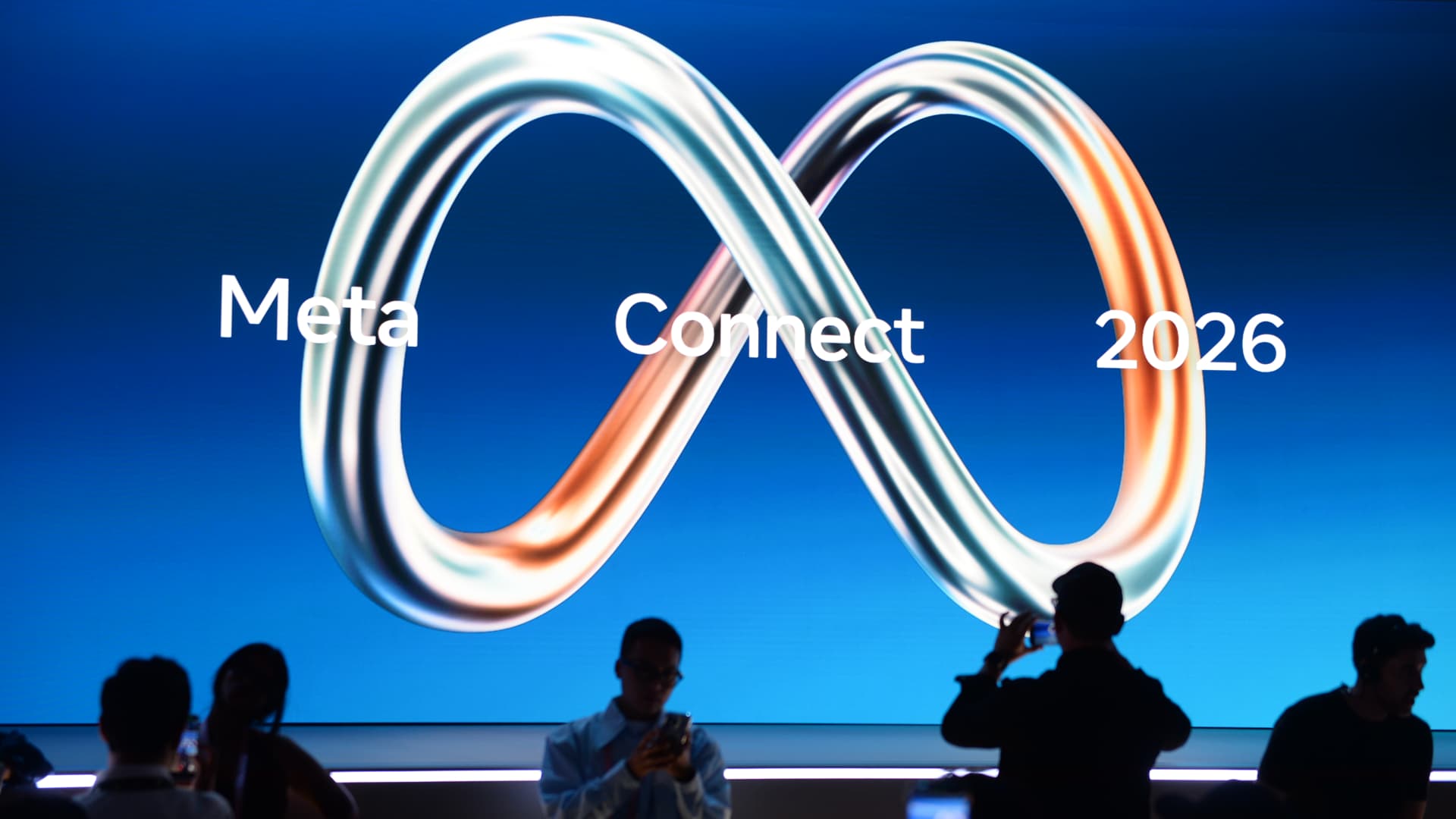
Mark Zuckerberg’s latest push into virtual reality and artificial intelligence was spotlighted at Meta’s annual Connect conference, revealing new hardware designed to shrink the footprint of immersive tech. The introduction of the Meta VR Glasses and the AI-integrated Muse Charm pendant signals a significant pivot towards more discreet, seamless interaction with digital worlds and personal AI agents, albeit at a premium price point.
🚀 Tech Strategy & Market Disruptions
- Miniaturization of VR Hardware. The debut of slimmer, lighter Meta VR Glasses at $1,299 represents a critical step towards overcoming the bulkiness barrier in consumer VR adoption, aiming for everyday wearability.
- Ubiquitous AI Agent Access. The Muse Charm pendant’s integration with Meta AI agents, allowing interaction without a phone, pushes ambient computing and hands-free AI into a tangible, wearable form factor, disrupting traditional interface paradigms.
- High-End Market Penetration. Pricing the Meta VR Glasses significantly above its Quest 3S predecessor ($299) indicates a strategic move to capture the high-end early adopter market, prioritizing advanced functionality and design over mass accessibility in the initial phase.
During Meta’s annual Connect conference, CEO Mark Zuckerberg unveiled the Meta VR Glasses, a significantly more compact and lightweight iteration compared to Meta’s existing Quest VR headset lineup. Priced at $1,299 and slated for release in spring 2027, these new glasses are designed to offer a similar sense of presence and immersion with high-resolution displays in a traditional glasses form factor. This leap in design is powered by an external puck containing a Qualcomm processor and battery, which offloads processing weight and contributes to the device’s reduced size. Crucially, the Meta VR Glasses incorporate advanced sensors for eye and hand tracking, reducing the reliance on traditional controllers and promising a more intuitive user experience.
Simultaneously, Zuckerberg introduced the Muse Charm, a handheld device intended to serve as a direct interface for Meta’s recently launched Muse AI personal agent. While specific capabilities were limited, the Muse Charm aims to facilitate quick interactions with AI agents, allowing users to converse with their AI without needing to access a phone or application. This strategic move aligns with Meta’s broader AI agent push, creating a more seamless and pervasive integration of AI into daily life. The Muse Charm, expected by December holidays, is positioned as the fastest way to interact with Muse AI, especially for those not wearing the VR glasses, underscoring Meta’s dual-pronged approach to ambient computing. The company is clearly investing heavily in both hardware and AI infrastructure to drive future growth in immersive and intelligent technologies, a trend closely watched by those tracking emerging technologies.
As a CTO, the shift to external processing units for XR devices, as seen with the Meta VR Glasses’ puck, is a critical architectural decision. It allows for radical form factor reduction, improving user comfort and aesthetic integration, which are paramount for mainstream adoption. However, it introduces latency and connectivity challenges that robust network and edge computing solutions must address for a truly frictionless experience.
The Disruption Flow: From Form Factor to Future Interaction
The introduction of the Meta VR Glasses and Muse Charm embodies a cause-and-effect chain poised to disrupt current digital interaction paradigms. The development of a smaller, lighter VR form factor removes a significant barrier to sustained user engagement. This, coupled with advanced eye and hand tracking, leads to a more intuitive and less cumbersome user experience. The Muse Charm, by offering an always-on, hands-free interface to Meta’s AI agents, reduces friction in accessing intelligent services. Collectively, these advancements could accelerate the adoption of extended reality (XR) beyond niche gaming into everyday productivity and communication, potentially reshaping the future of personal computing away from smartphones and towards pervasive, contextual AI. This digital transformation trend is actively discussed across the technology market trends, signaling profound changes.
| Product | Key Feature | Price Point | Availability |
|---|---|---|---|
| Meta VR Glasses | Slimmer, lighter, eye/hand tracking, external processor | $1,299 | Spring 2027 |
| Meta Quest 3S (older) | VR headset | $299 | Debuted 2024 |
| Muse Charm Pendant | Handheld AI agent interface | TBD | Holidays (December) |
Meta’s Ecosystem Expansion Potential
Meta’s foray into slimmer VR hardware and dedicated AI interfaces underscores a long-term strategy to expand its ecosystem beyond social media and traditional VR gaming. The Meta VR Glasses are not just an upgrade; they represent a bold attempt to create a new category of wearable computing that could eventually replace smartphones for certain functions. By making VR more comfortable and integrating AI agents via the Muse Charm, Meta is building a seamless interaction layer that extends its influence into daily life, from personal assistance to immersive digital experiences. This strategy could attract a broader developer base, fueling a richer app ecosystem, and solidify Meta’s position as a leader in ambient computing and the metaverse, as reported by Bloomberg Technology.Read more about technology innovations here.
Meta’s Market Adoption Challenges
Despite the clear innovation, Meta faces significant hurdles in achieving widespread market adoption for its new devices. The $1,299 price tag for the Meta VR Glasses positions them squarely in the premium segment, making them inaccessible for many consumers, especially when compared to the more affordable Quest 3S. Furthermore, the reliance on an external processing puck, while enabling a lighter form factor, introduces another component for users to manage and potentially charge. The market for general-purpose AR/VR glasses is still nascent, and convincing consumers of the necessity of these devices over existing smartphones or smartwatches will require compelling use cases and a strong developer ecosystem. Trust and privacy concerns surrounding always-on AI agents and integrated sensors also present significant challenges for Meta, necessitating transparent policies and robust security measures to gain consumer confidence, a common theme in technology news.
Meta VR Glasses: Navigating the Path to Mainstream Immersion
Meta’s latest hardware unveiling represents a crucial, albeit expensive, step in its long-term vision for immersive computing and pervasive AI. The Meta VR Glasses and Muse Charm are not incremental updates; they are strategic bets on a future where digital interactions are more natural, less tethered, and deeply integrated into our physical environment. The success of these initiatives will hinge on Meta’s ability to refine the user experience, demonstrate tangible value beyond novelty, and ultimately drive down costs for broader accessibility.
- The $1,299 Meta VR Glasses push the boundaries of miniaturization in XR, potentially making immersive experiences more accessible for daily use.
- The Muse Charm and integrated AI agents signal Meta’s commitment to ambient computing, aiming for seamless, hands-free digital interaction.
- Widespread adoption will depend on addressing the high price point, demonstrating compelling use cases, and fostering trust in pervasive AI technologies.
Can Meta’s premium hardware and AI ecosystem ultimately redefine how we interact with technology and the world around us?
### 📊 StockXpo Analyst’s View
Market Impact: This unveiling is likely to generate renewed investor interest in Meta’s long-term metaverse strategy and AI capabilities, potentially bolstering confidence in its R&D investments. However, the high price point of the Meta VR Glasses suggests a phased market approach, limiting immediate revenue impact but setting the stage for future growth as production scales and costs decrease. Competitors in the AR/VR space will be closely watching for market reception and Meta’s execution on software and ecosystem development. Keep up with technology news on Reuters.
Sector To Watch: The hardware innovations directly benefit the extended reality (XR) sector, particularly component manufacturers for micro-displays, optics, and specialized processors (like Qualcomm). The focus on AI agents also amplifies the importance of the AI software and services sector, including natural language processing and contextual computing. Over time, if adoption accelerates, sectors like digital content creation and immersive social platforms stand to gain significantly.
Financial Disclaimer:
StockXpo.com is a financial news aggregator and educational portal, not a registered investment advisor or broker-dealer. All information, news, and analysis provided herein are strictly for educational purposes and do not constitute investment, financial, legal, or tax advice. Investing in the stock market involves high risks, and past performance is not indicative of future results. StockXpo will not be liable for any financial losses or investment damages. Always consult a certified financial advisor before making market decisions.
MORE IN INSIDE TECHNOLOGY

Anthropic Pentagon Blacklisting: A Major Risk for AI’s Public Sector Role
Published: Wednesday, October 14, 2026 · 12:03 AM

Bond Yields Under Pressure: IMF Warns of ‘Disorderly’ Spike Driven by AI Debt and Inflation
Published: Tuesday, October 13, 2026 · 1:21 AM


